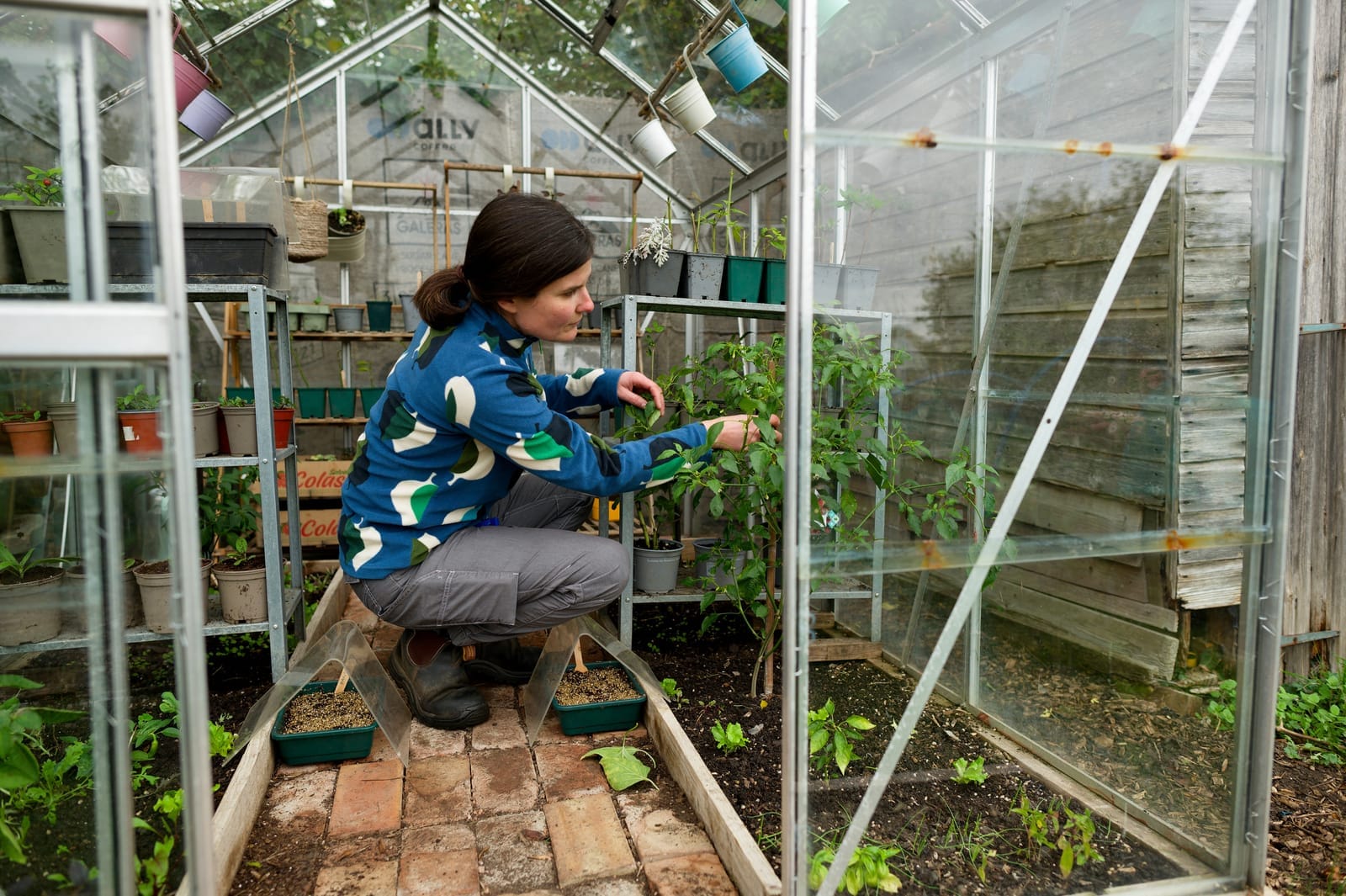
10 ways to make your garden wildlife-friendly
One of the things I get asked the most in garden consultations is how to make gardens more attractive to wildlife, writes Oxford gardener Amandine Lepers-Thornton.
I help people I visit as a garden coach to pick plants suitable for their setting (e.g. small urban gardens) or to extend the growing season for year-round interest. As an organic gardener, I’m passionate about increasing biodiversity and I love sharing the green spaces I care for with all sorts of creatures. That’s why I wanted to share my 10 tips to enjoy a wildlife-friendly garden in 2026.
1. Ditch garden nasties
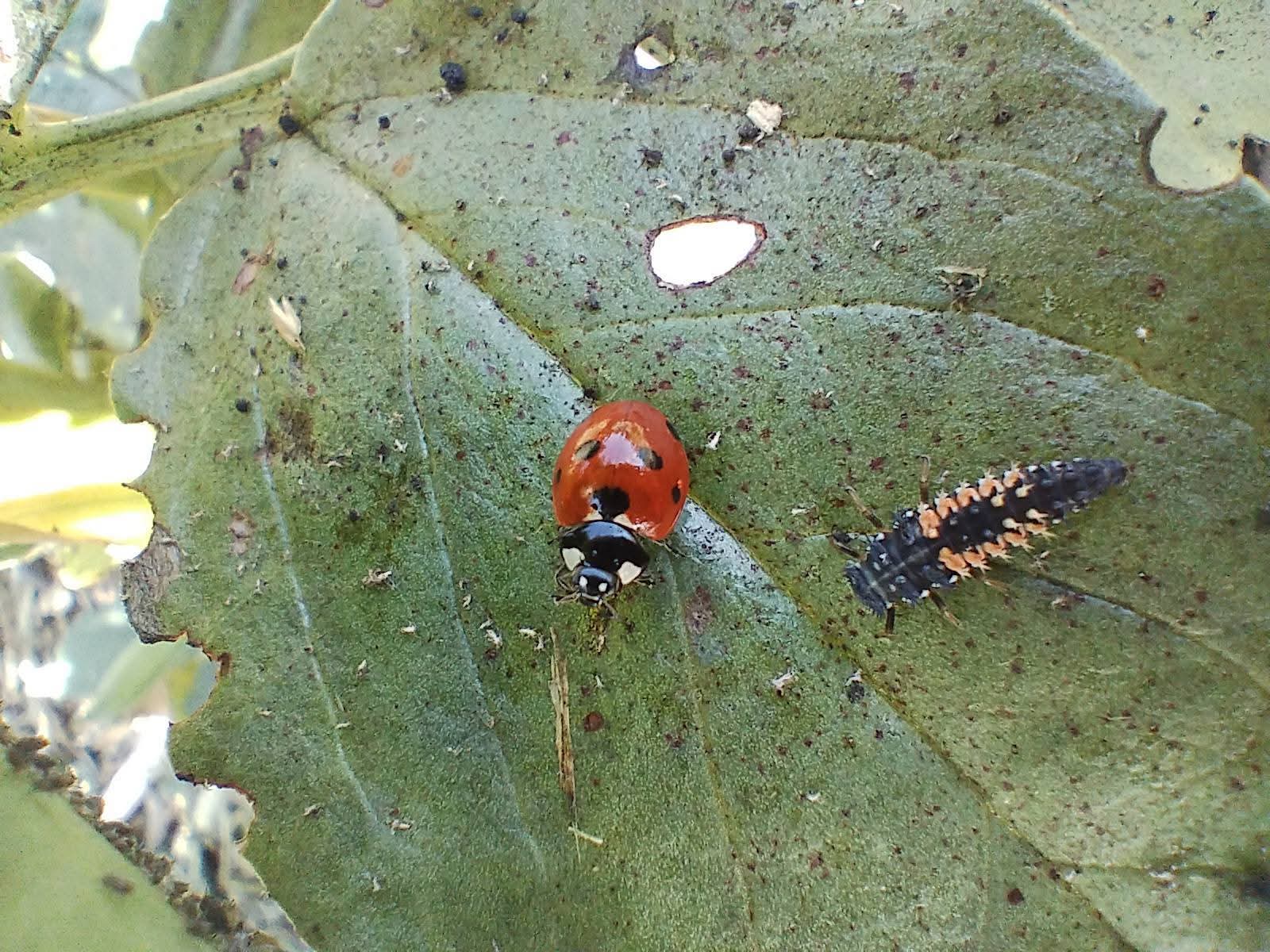
A golden rule of wildlife gardens is to avoid pesticides, or at least to try everything else first. Clients are often puzzled when I tell them pesticides kill other creatures and don’t really work anyway, but I’ve seen evidence of this again and again over the years. In rich ecosystems, pests are controlled naturally. Ladybirds eat aphids and birds and frogs eat slugs. Focus your efforts on boosting biodiversity in your garden and you’ll be able to achieve a good balance. If you have a bad slug problem, nematodes (worm-like organisms which can be bought as a powder and diluted in a bucket) are a cheap organic solution.
Keep in mind that plants often suffer from pest infestations when they’re sickly or have to put up with far from ideal conditions. Do you have a sun worshipper in a shady spot? Have you forgotten to prune a shrub or to divide a perennial? Is your soil heavy and nutrient poor? As for fertilisers, there’s no need to fertilise specific plants if you feed your soil by regularly mulching with compost, manure and leafmould. If you must feed plants – e.g. hungry plants like tomatoes or containerised plants that aren’t able to draw nutrition from the soil – use liquid seaweed, or home-made nettle or comfrey tea.
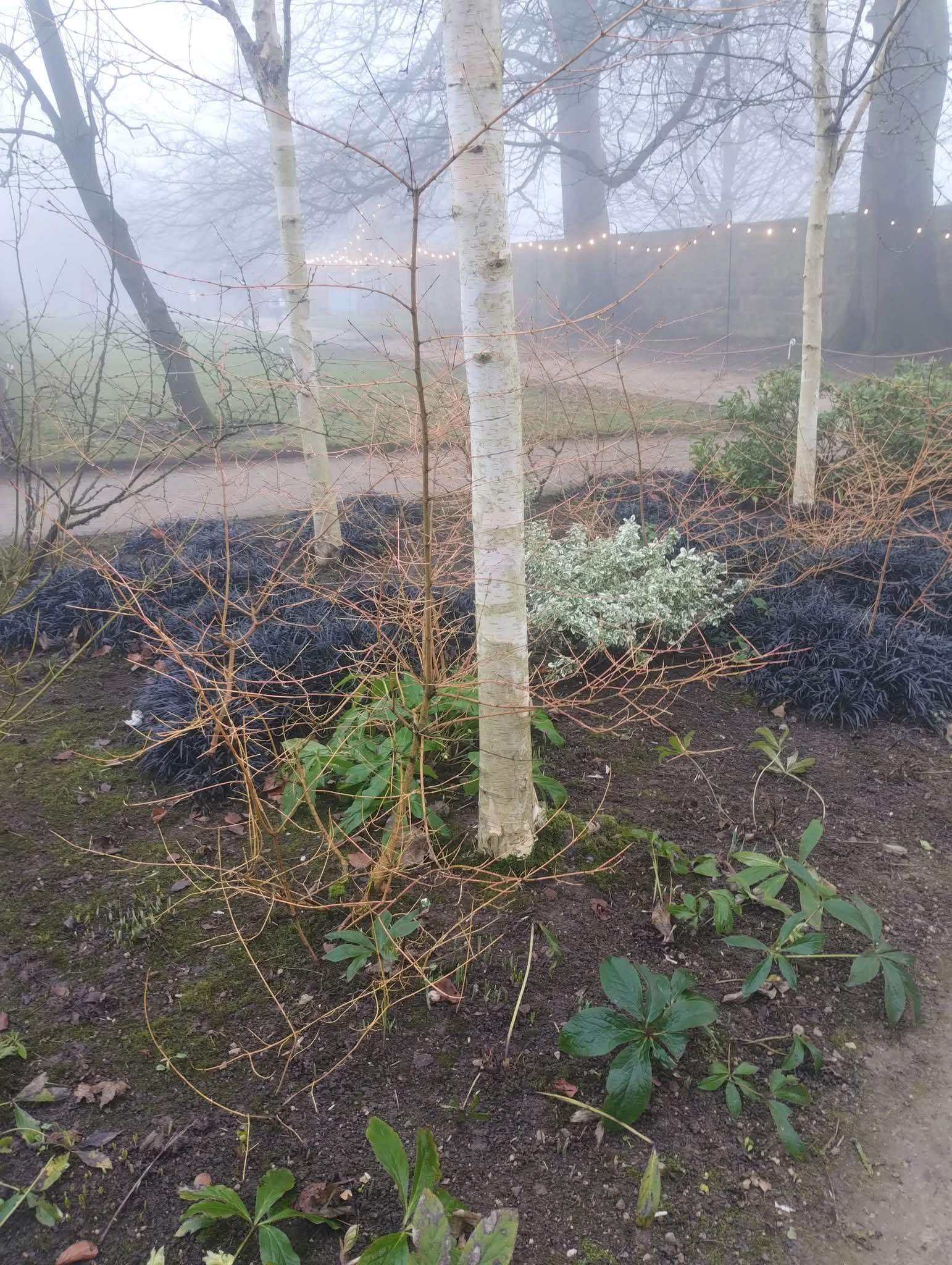
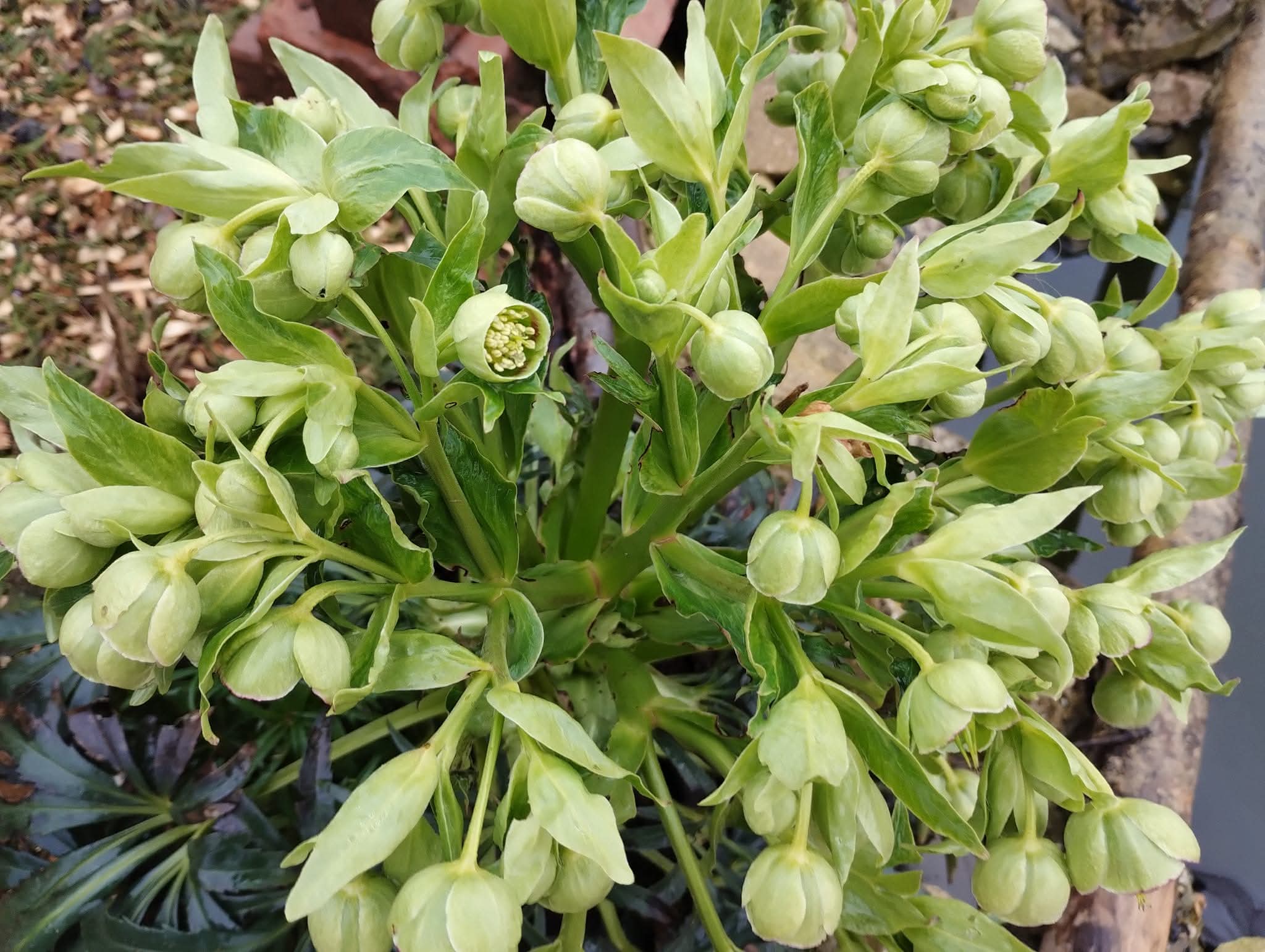
A winter border at National Trust's Hardwick Hall, Helleborus foetidus provides early nectar for bees
2. Plant for year-round interest
Most people’s gardens turn brown/black sometime between late October and Christmas. But with a bit of planning and preparation, it doesn’t have to be that way. I personally believe that the cold, dark months are when we need our garden to work the hardest for us and for wildlife.
While you’re keeping cosy indoors, wildlife still needs food and shelter in the winter months. This is particularly true with the milder winters we’re seeing where bees sometimes come out looking for nectar. You want to make sure you have something blooming in your garden when they do. And there are plants that actually look their best in cold, wet weather; you just need to pick the right things.
Seasonal plants help provide winter colour and winter-flowering climbers are useful when space is limited. As for shrubs, they have the added benefit of helping maintain a good structure at a time when green spaces can look quite bare after summer-flowering plants have died back. Bonus points if you throw in some fragrance with winter shrubs or climbers, and extra bonus points if you have shrubs with winter berries for birds.
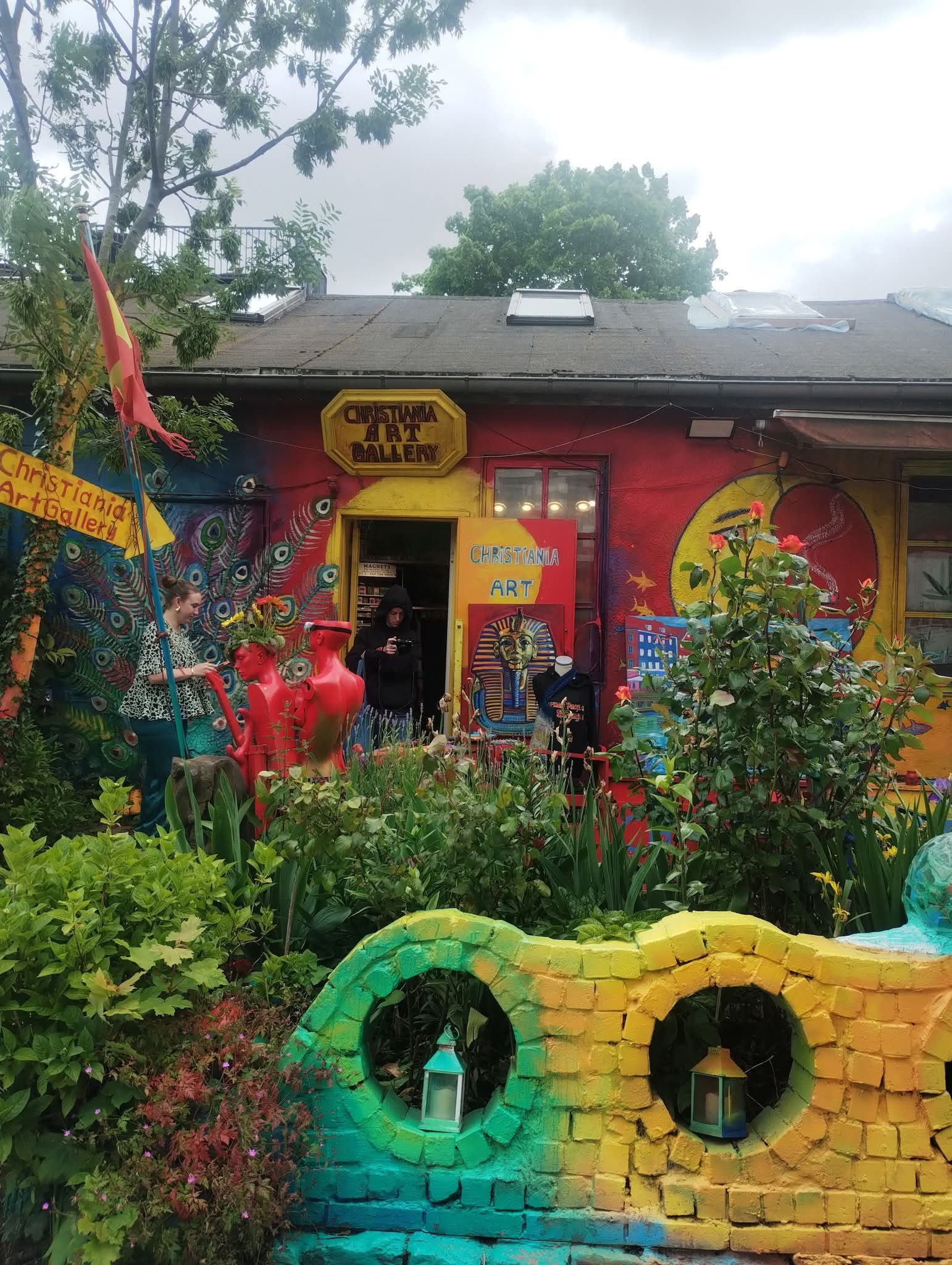
3. Embrace mess
I have good news if you don’t have time to keep your garden looking pristine: wildlife loves messy gardens! Let some of your grass grow tall, leave seedheads on plants and don’t cut back herbaceous perennials at the end of the season (with global warming, when is it anyway?). You can also make log piles and sweep leaves onto your garden beds or another designated part of your garden. Untidy gardens create vital habitats, food sources and shelter, as well as nesting places, for small mammals, birds and amphibians.
If you’re a neat and tidy gardener, give ‘mullet gardening’ (tidy at the front, wild at the back) a try: focus your gardening efforts on keeping the front of your beds trimmed and well-maintained and use the back of the beds for decomposing leaves, logs and tree prunings or ‘chopped-and-dropped’ green and brown materials. You can even ignore ivy and a few other weeds around a shed or a back fence while keeping them under control in the most visible parts of your garden.
4. Add water
There’s no better thing you can do for wildlife than adding water to your garden – and in the autumn-winter months, there’s no shortage of rain in Oxford! Water is essential for drinking and bathing, and it supports a wide range of wildlife from insects and birds to mammals and amphibians. At the very least, have a few bird baths around your garden. Larger containers, with stones or pebbles thrown in, are even better.
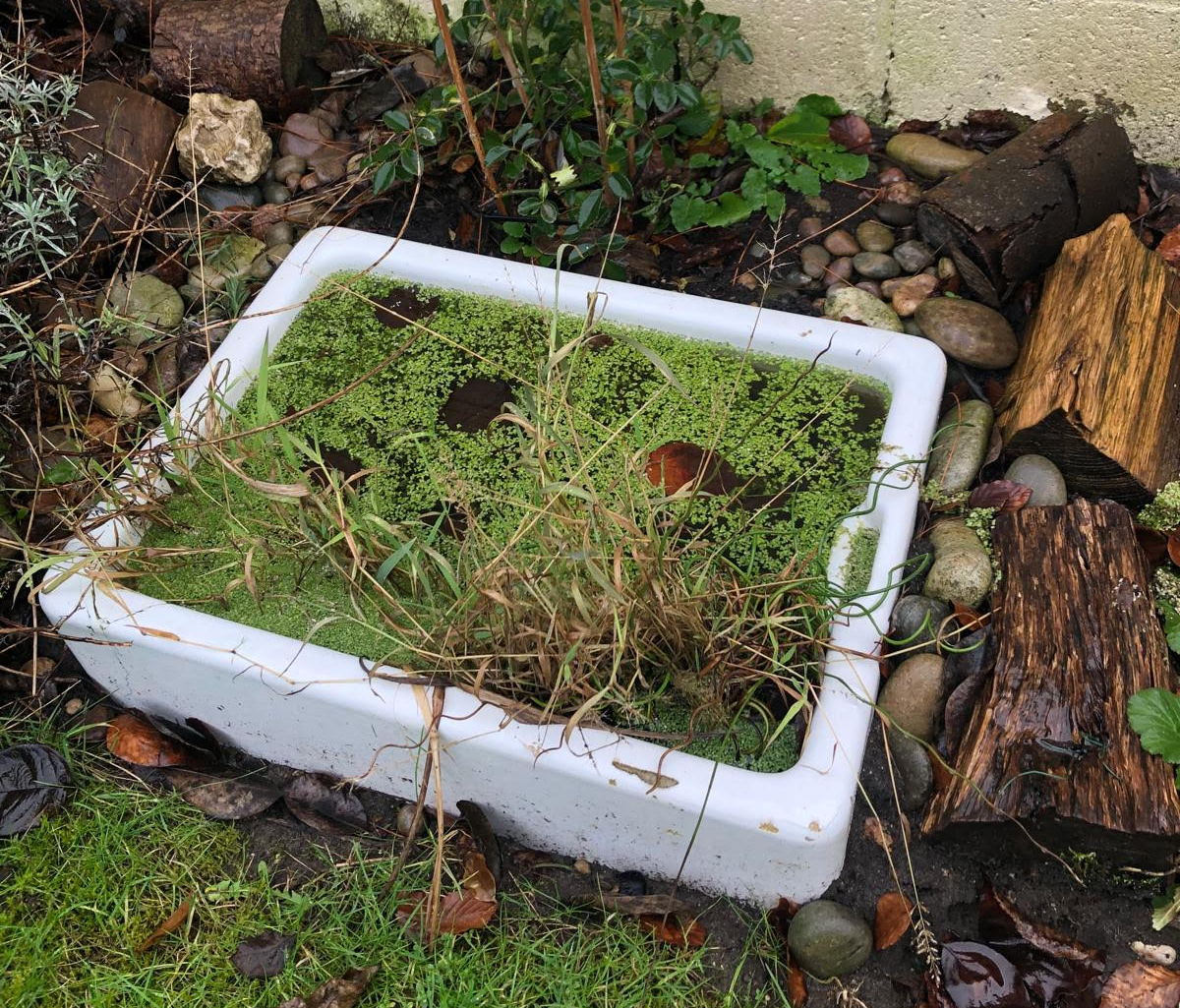
If, like most of my clients in central Oxford, you don’t have a space that lends itself to digging a pond, you can easily repurpose an old sink or a bucket to make a mini pond (remember to put a few aquatic plants in). You will give amphibians a place to breed and shelter, and invertebrates like dragonflies will benefit too.
Remember to put a ramp (a branch or bit of timber will do) in the pond to allow safe access for small animals. If you’re making a larger pond, a pebble beach or gradual slope is best and will have the added advantage of creating a damp habitat for smaller creatures when water levels go down. Water will add a pleasant feel to your green space but try and keep it clean and free of algae in the summer.
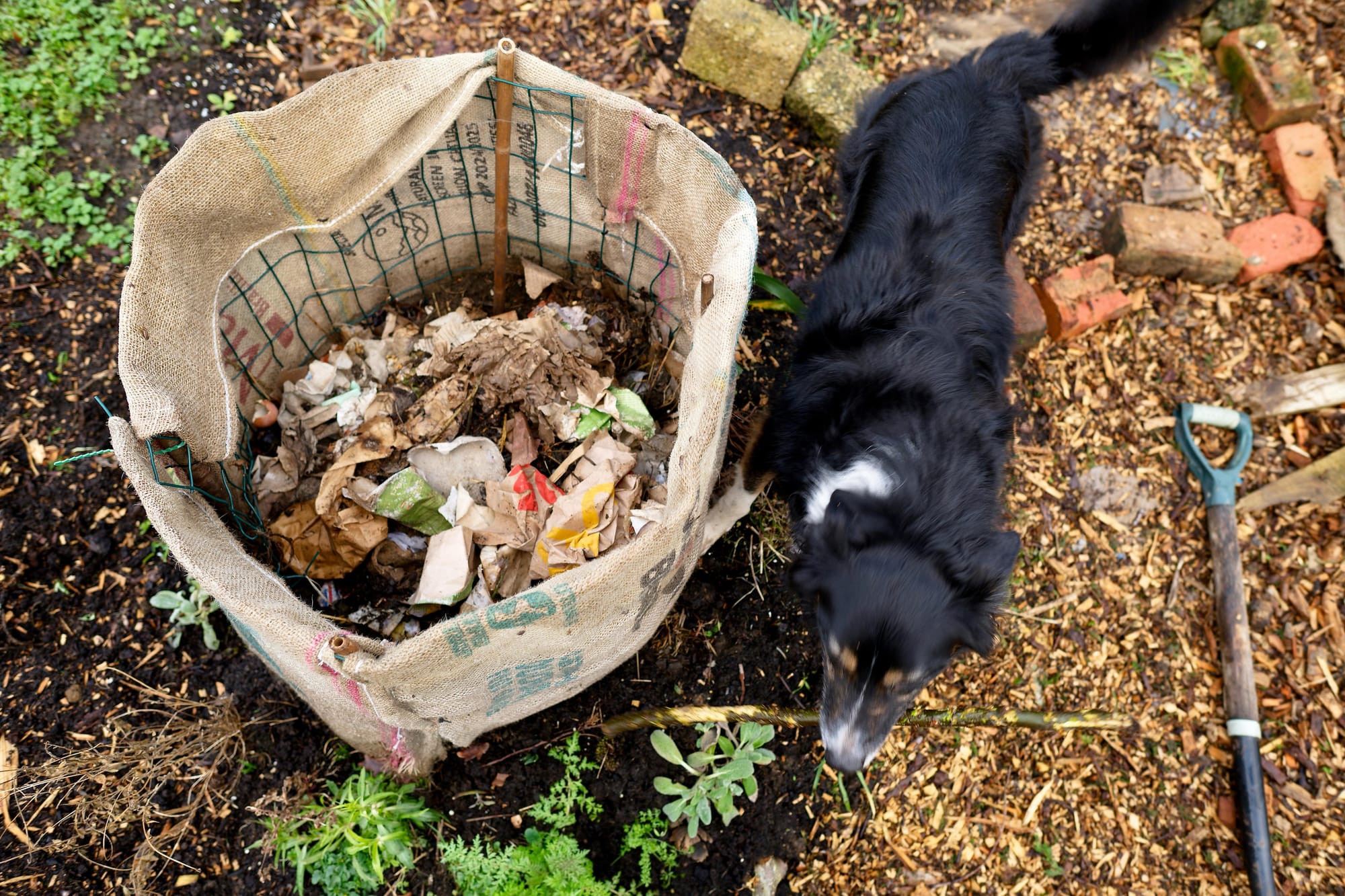
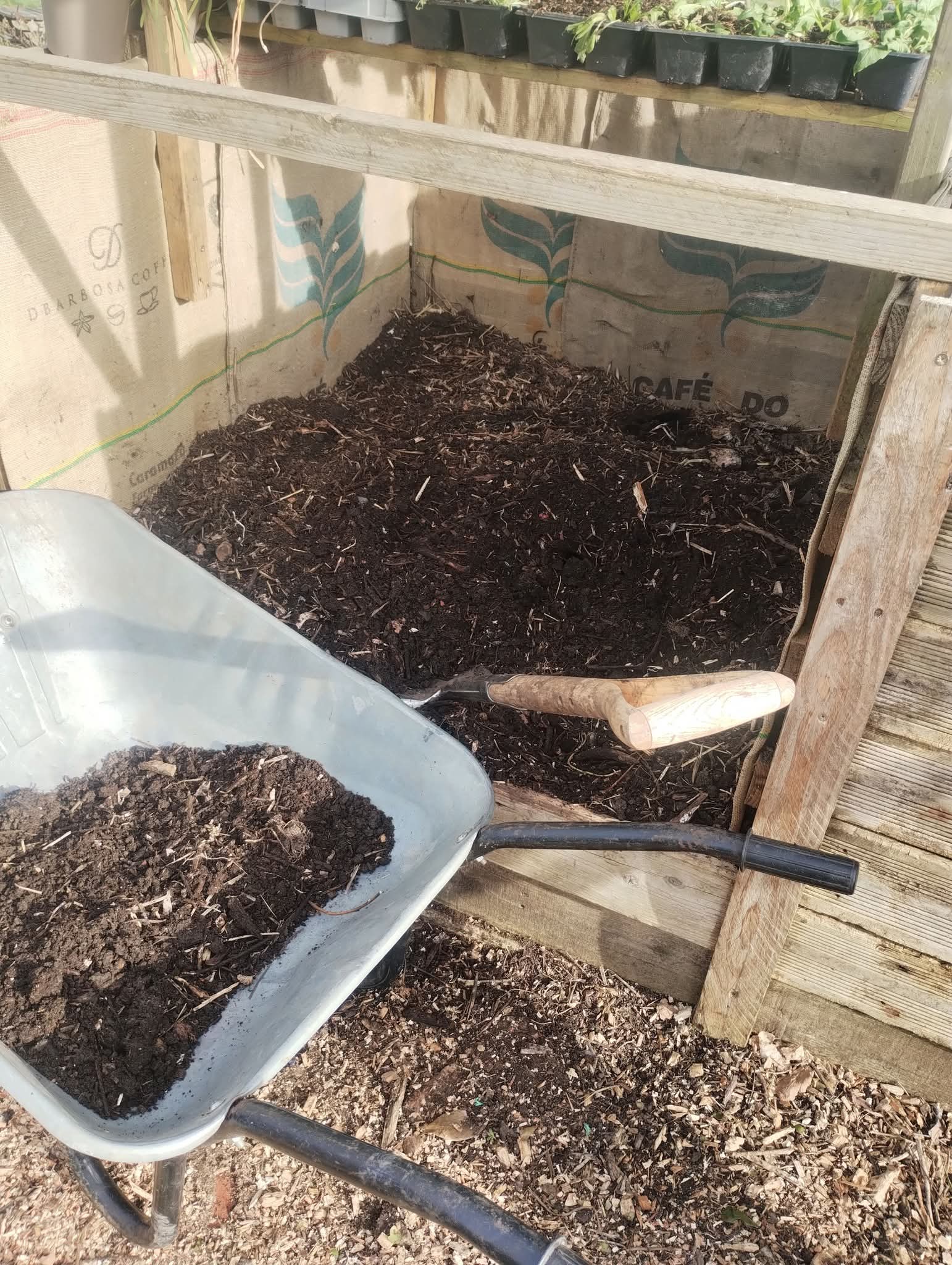
Composting circles are quick and easy to set up with canes and a roll of wire - dog optional. (Photo by Roger Close) Amandine's compost after rotting for a year.
5. Get composting
Incorporating compost heaps to gardens boosts biodiversity: as organic matter breaks down, heaps offer dark and warm places where hedgehogs, frogs, newts and slow worms can shelter. They’re also packed with insects, which in turn provides valuable food sources for birds and mammals. Some creatures hibernate or lay eggs in heaps. Composting also improves the texture and quality of your garden soil, which will feed soil life and be enjoyed by wildlife in the long run.
A few words of caution if you’re new to composting: keep a healthy balance between browns (e.g. egg boxes, cardboard) and greens (e.g. food peelings, coffee grounds) and don’t put nasties in (glossy paper, meat/dairy, pet waste from carnivores). If you know someone with an established heap, ask them for a few handfuls from the middle to bottom of their heap, which will have ‘red wrigglers’ aka composting worms to help your heap get started. If you want to compost the easy way, simply make a leafmould-type cage with chicken wire and bamboo canes or tree stakes and chuck in green and brown waste along with your leaves.
6. Go native
I’d be lying if I said that I don’t grow non-native plants – it’s nearly impossible not to. I love hellebores in the winter, hydrangeas help brighten up a shady spot, jasmine is one of my favourite climbers, and lamb’s ear has incredible drought resilience, which is helpful in the South of England.
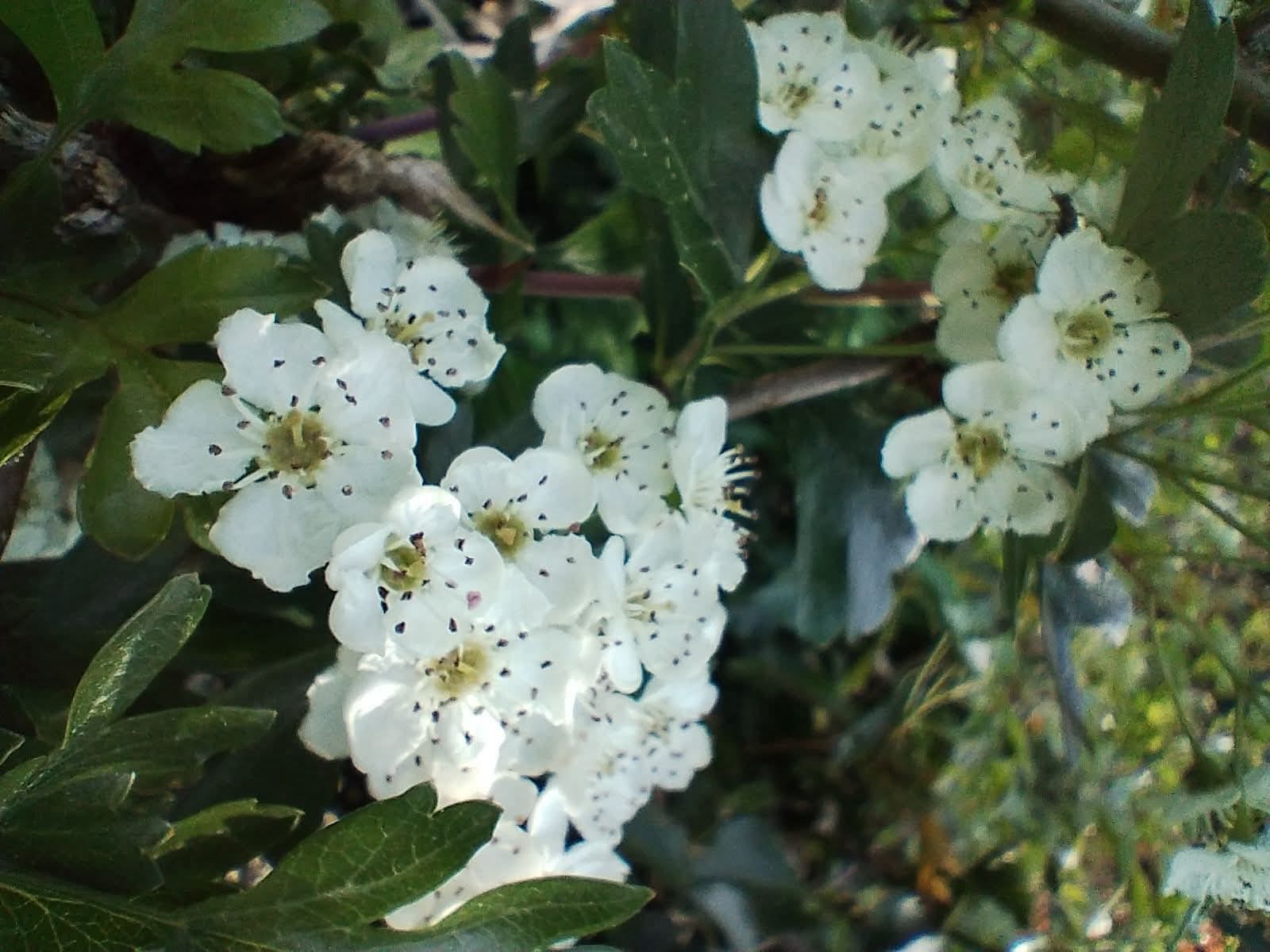
That said, filling your garden with non-native plants isn’t great for wildlife. Native plants are more beneficial for wildlife because they’ve evolved in the same environment as local insects, birds and mammals, who sometimes rely on specific plant types for food. Hawthorn is a fantastic UK-native shrub which provides berries, blossoms and habitats for birds and insects. There are wildlife-friendly shrubs which flower in the winter, with blooms that are shortly followed by berries. Again, ivy is a valuable climber but maybe don’t let it take over your garden. Also, native plants host far more insects than non-native plants, which are essential for birds. Many UK-native trees have gorgeous blossoms or look fantastic in garden beds or containers.
7. Welcome wildlife at the front
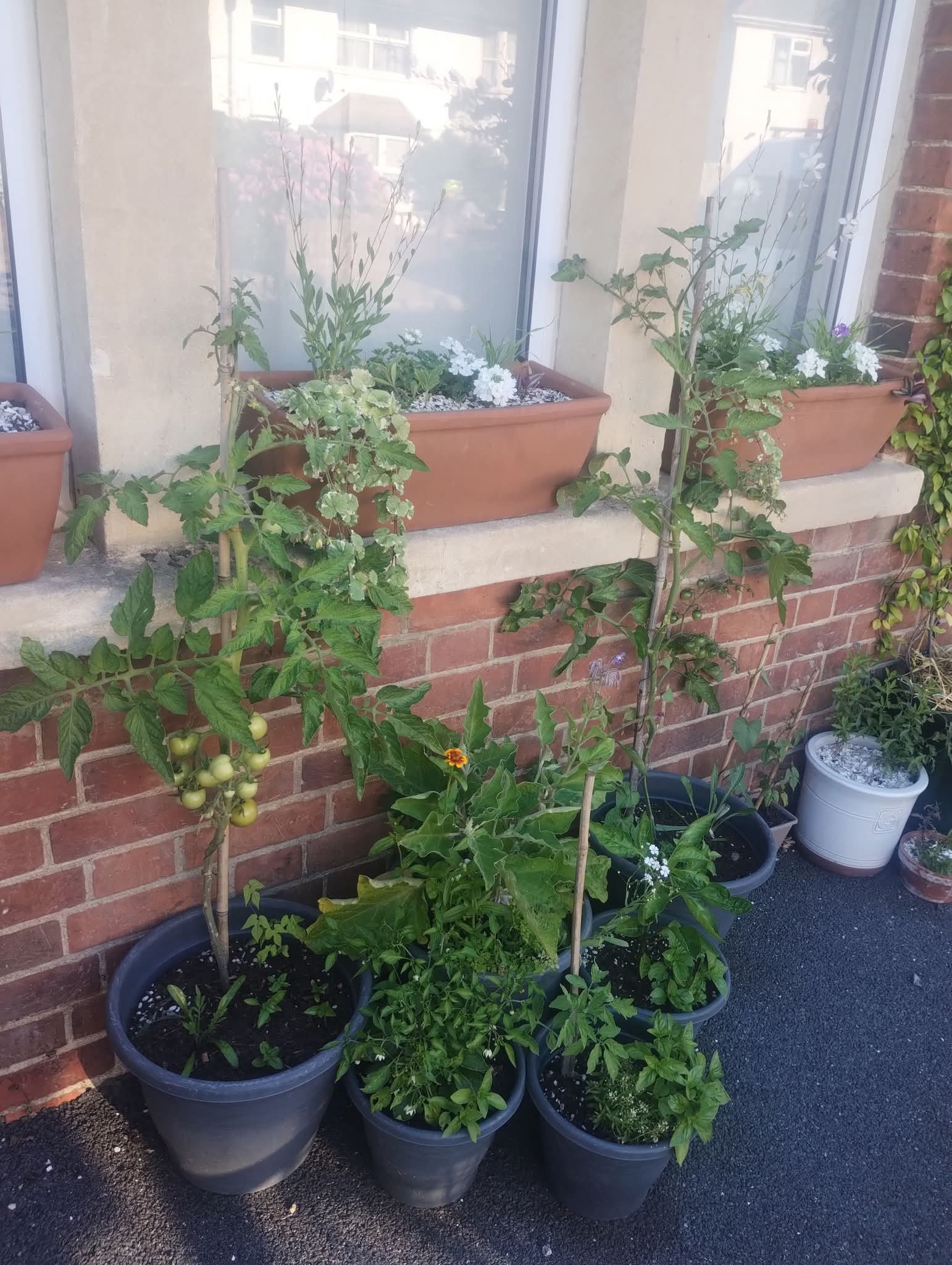
Front gardens matter a great deal more than many people realise. Thinking beyond the functional, like bins and car parking, and making front gardens or front yards wildlife-friendly improves local habitats as well as looking aesthetically pleasing and making neighbourhoods feel more inviting. It doesn’t take a lot of effort, time or money to make front gardens wildlife-friendly.
Many clients tell me they have no space to incorporate planting in their front yard so they’re pleased when I suggest easy solutions like small trees suitable for urban settings or a few planters packed with bulbs or seasonal plants. Small containers with drought-tolerant and long-flowering plants can make a difference too. And remember to make sure your landscaping is planet-friendly, which means ideally garden soil or, failing that, permeable surfaces that plants can grow in or around like gravel. It will also reduce flood risk (here's a longer article on this). A front garden near me has a pond – I’d love to see front garden ponds as a new trend, with lots of plants around them of course!
8. Grow food
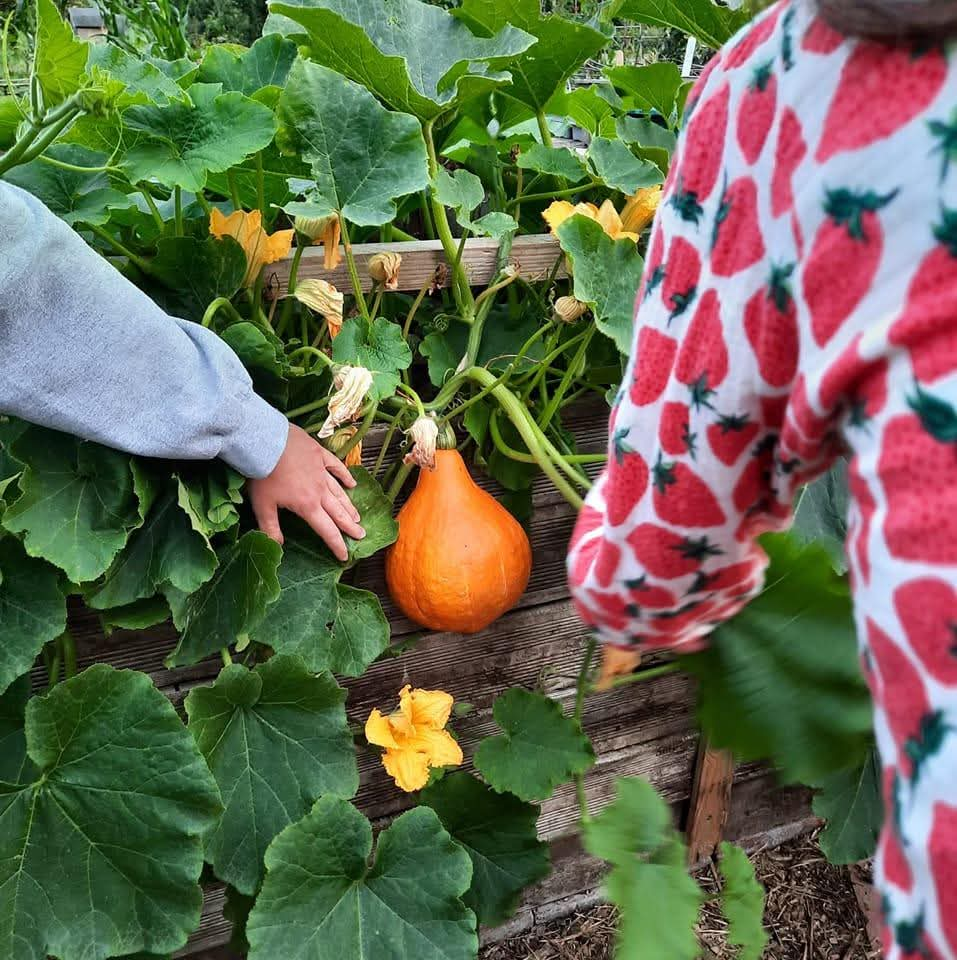
If I tell you I grew up in a French-Italian family, you’ll know how important food is to me. I’ve been an allotmenteer for nearly 10 years and it’s more a way of life than a hobby. Growing food is not only incredibly rewarding but it also keeps you fit and healthy and saves money (as well as being great fun for kids). Grow-your-own spaces are beneficial for wildlife, especially in urban settings. Blossoming fruit trees offer nectar to pollinators, and birds and mammals will enjoy some of the fruit (if you can bear to share your harvests). Make sure you do it organically though (no pesticides, no synthetic fertilisers), with biodiversity in mind if you want your veg patch to offer food and habitat for wildlife.
Mixing edible with ornamental plants means natural pest control. Just what I mentioned earlier: frogs eat slugs, ladybirds eat aphids. Try to grow a range of crops to cover as much of the growing season as possible and let some of your vegetables or herbs go to seed. Onion and carrot flowers look great and they’re an amazing food source for pollinators. While it's too early to plant right now, salad crops can be sown under cover in March; a courgette plant in a bucket of manure or a squash allowed to trail around a sunny patch - these are all easy ways to get started.
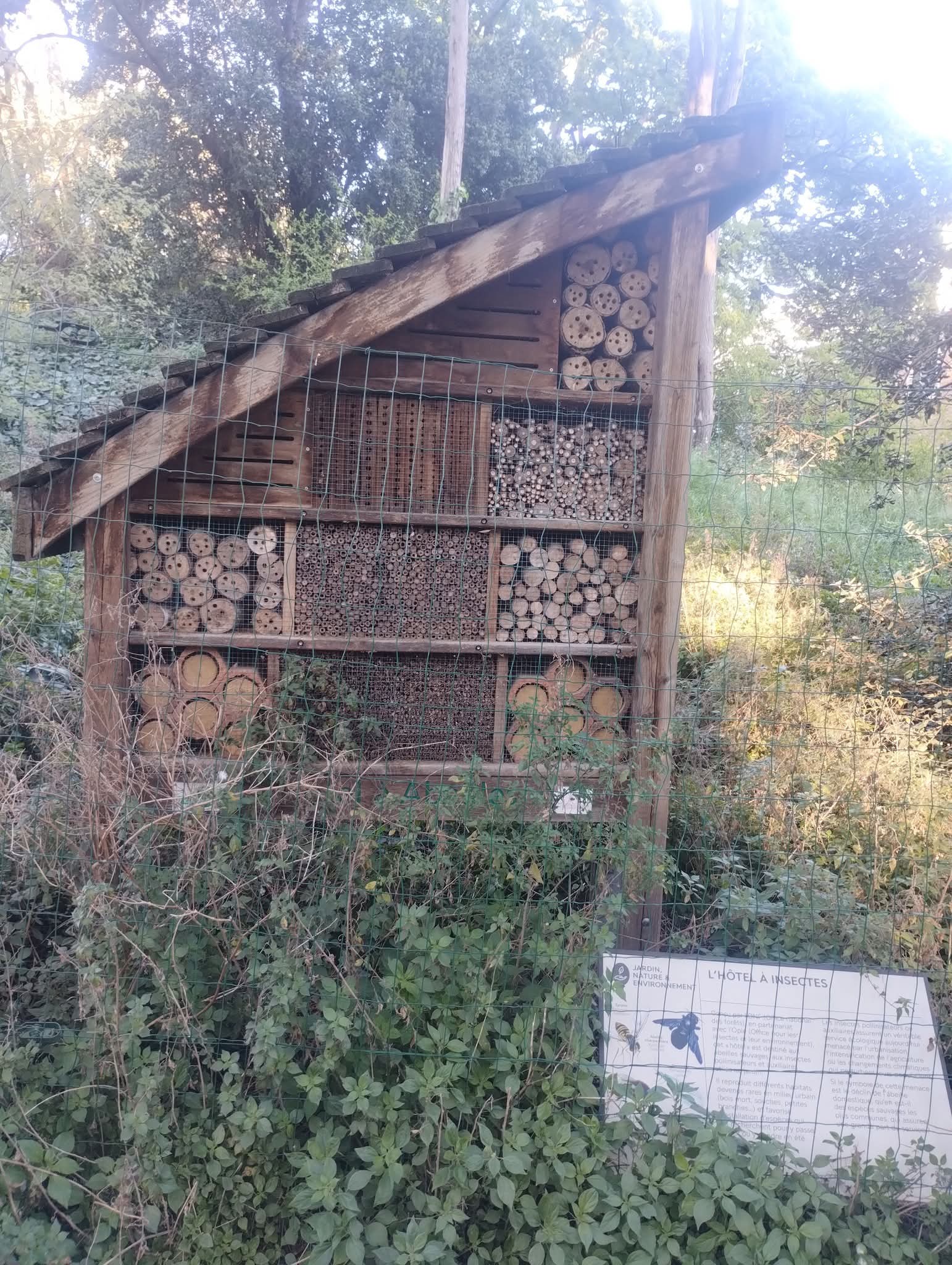
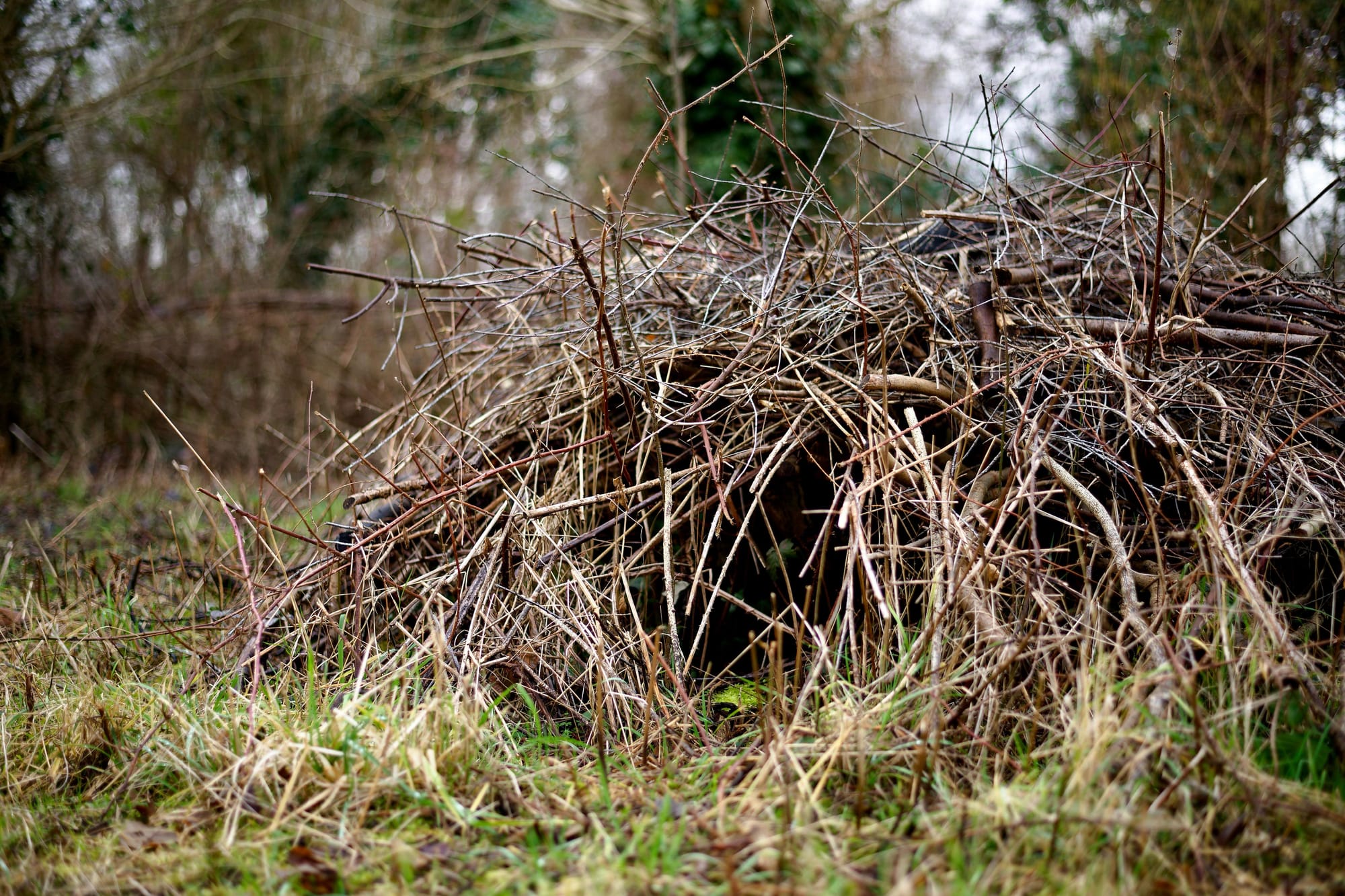
Luxury insect hotel at the Jardin des Plantes in Paris, or a low tech alternative, a pile of branches and brambles/long grass makes a good wildlife shelter.(Photo by Roger Close)
9. Provide shelter
All the tips I mention in this article help to provide shelter for wildlife but, if you want to be a wildlife hero, you can go further and make wildlife abodes. Insect hotels are always a good idea but they really don’t need to be fancy. In fact, some of the fancy ones you can buy from shops sometimes have glue or varnish that does more harm than good. I like to have log piles with branches of different sizes and types where I can and I fill broken terracotta pots with pieces of bamboo canes.
You can also make cool large scale wildlife hotels with pallets, bricks, slate, leaves/hay and a bit of turf – a fun project to keep kids busy in the garden. And you can even make a hibernaculum for amphibians, a nestbox and a bat box. But the best way to provide shelter for wildlife is to let go of our obsession for keeping our green spaces ‘tidy’ and putting the garden to bed for winter. I’m a firm believer that gardens never sleep.
10. Let your grass go wild
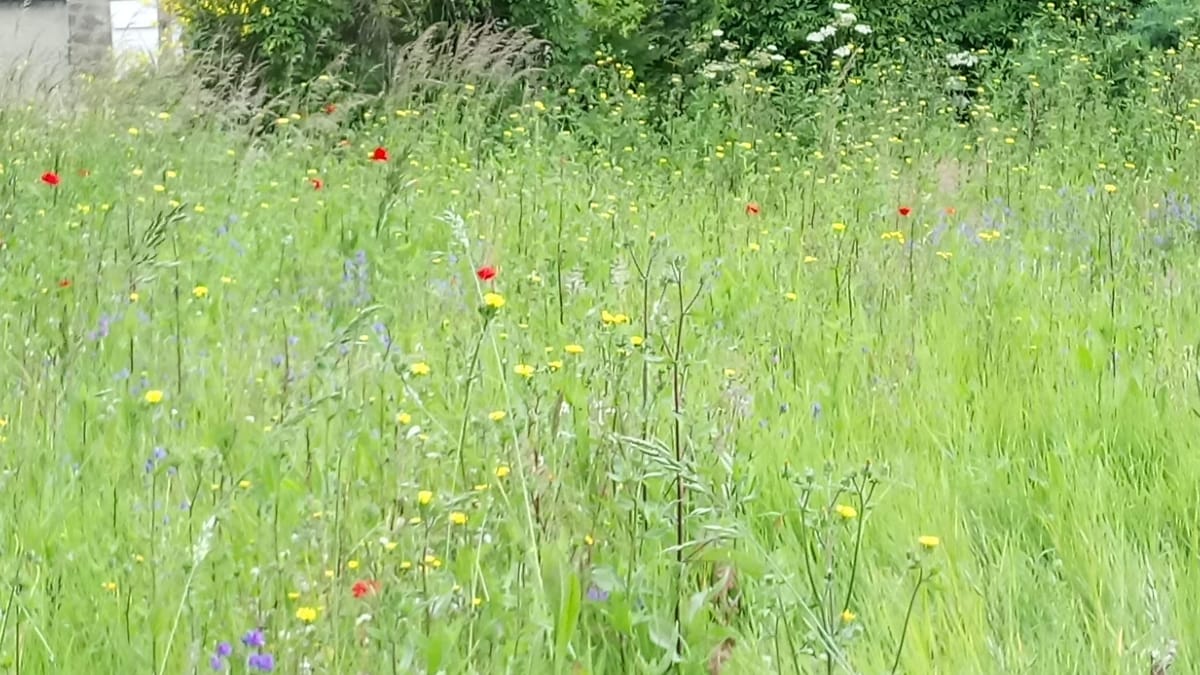
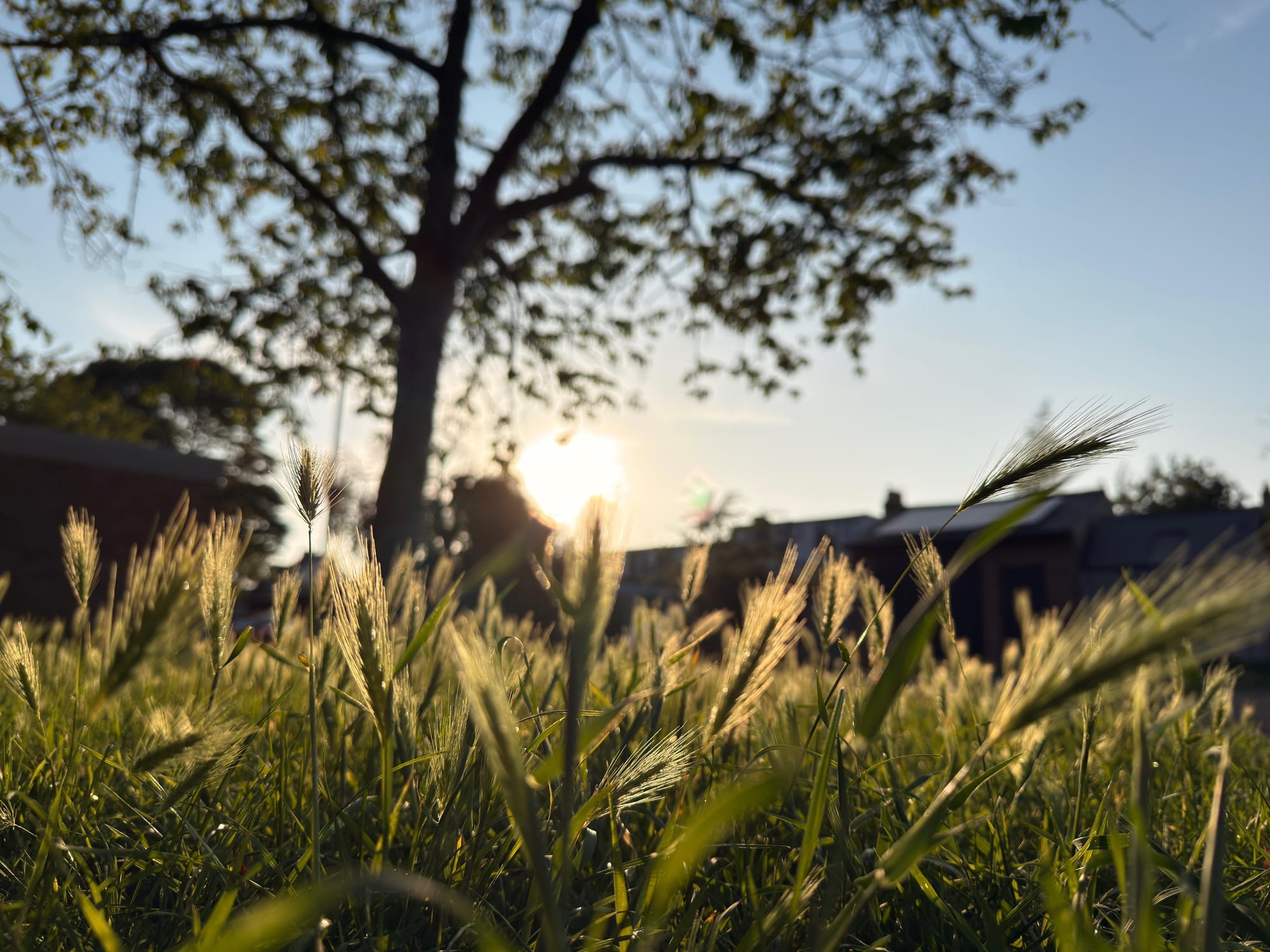
Even Oxford colleges are reconsidering their lawns. If you like grassy areas, they’ll be more beneficial for wildlife if you take a relaxed approach to mowing. At the very least, embrace ‘No Mow May’ or leave a section of your lawn to grow completely wild. If you’re not ready to take the plunge, maybe try shrinking your lawn: you can cut out circles or triangles of grass, backfill with soil or compost and sow wildflowers instead of turf.
A common complaint in garden consultations is about problematic areas where grass struggles to grow or with lots of lawn weeds that keep coming back – I advise clients that it’s often a sign that the soil is compacted or not suitable for grass if it gets too dry or too wet. If you have this problem in your garden, you could try lifting sections of lawn and planting chamomile clumps (in dry sunny areas) or sowing clover seeds (in wet or dark areas). Or you could start a no-dig flowerbed, or replace a short grass path with gravel and mat-forming ground covers. And you’ll enjoy your garden more because life’s too short for mowing.
Amandine is an RHS-qualified horticulturist based in Florence Park. Her services include garden coaching, gardening classes/workshops and plant sales. She also runs Oxford Gardening Club, a group for Oxford gardeners that meets at Flo’s twice a month. She posts plant recommendations and gardening tips on her Facebook page (Amandine – Oxford Garden Coach) and can be contacted on amandine.oxfordgardencoach@gmail.com.