
900 years of Bartlemas
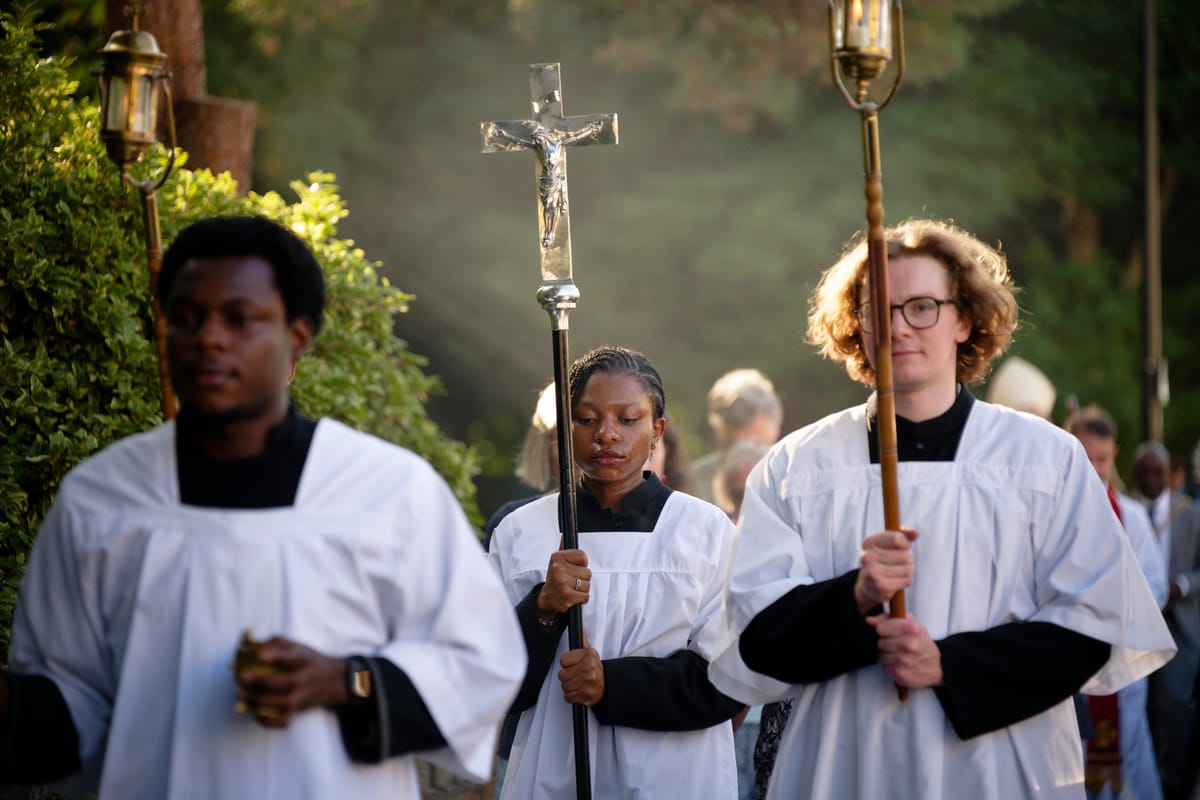
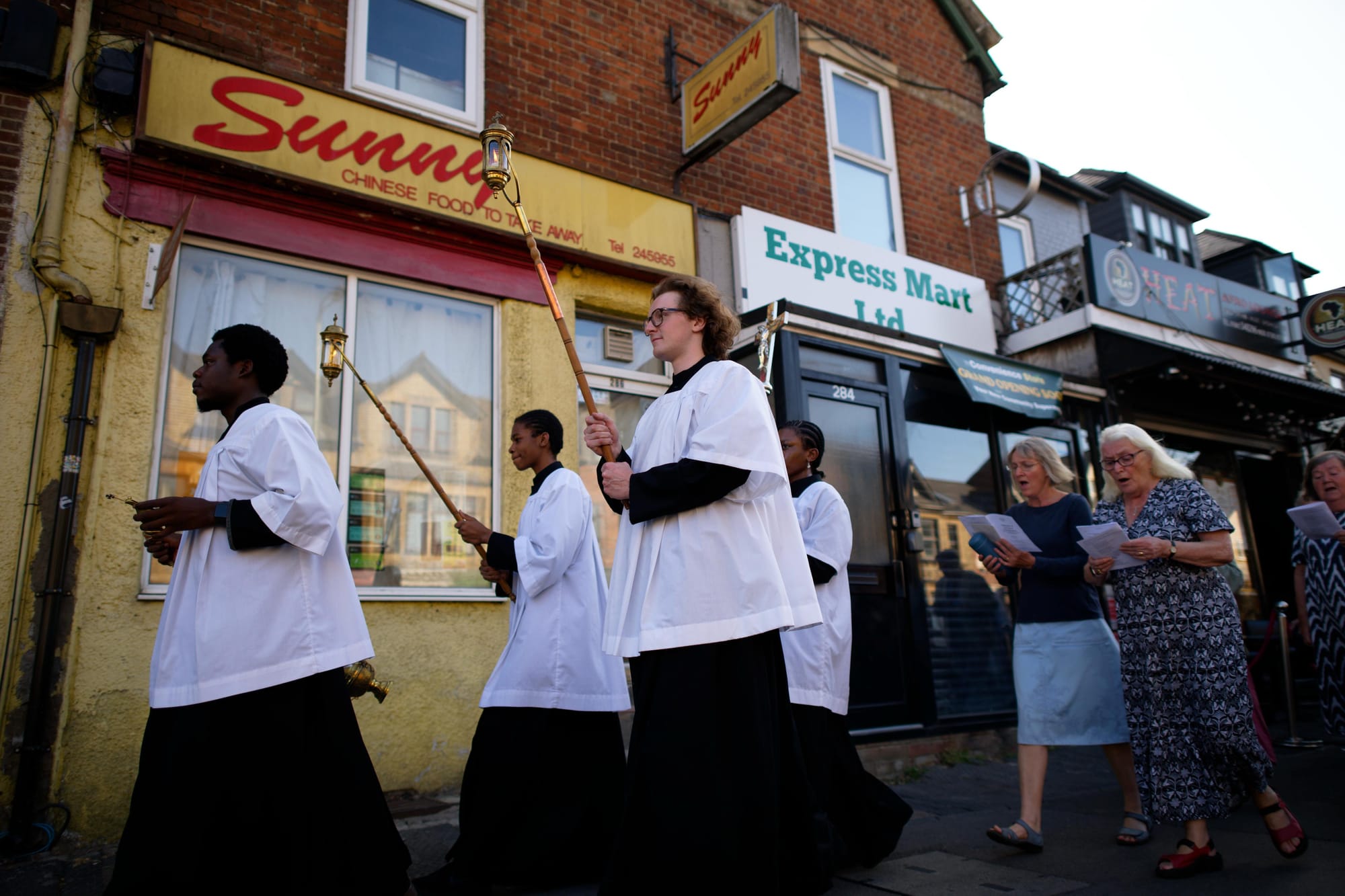
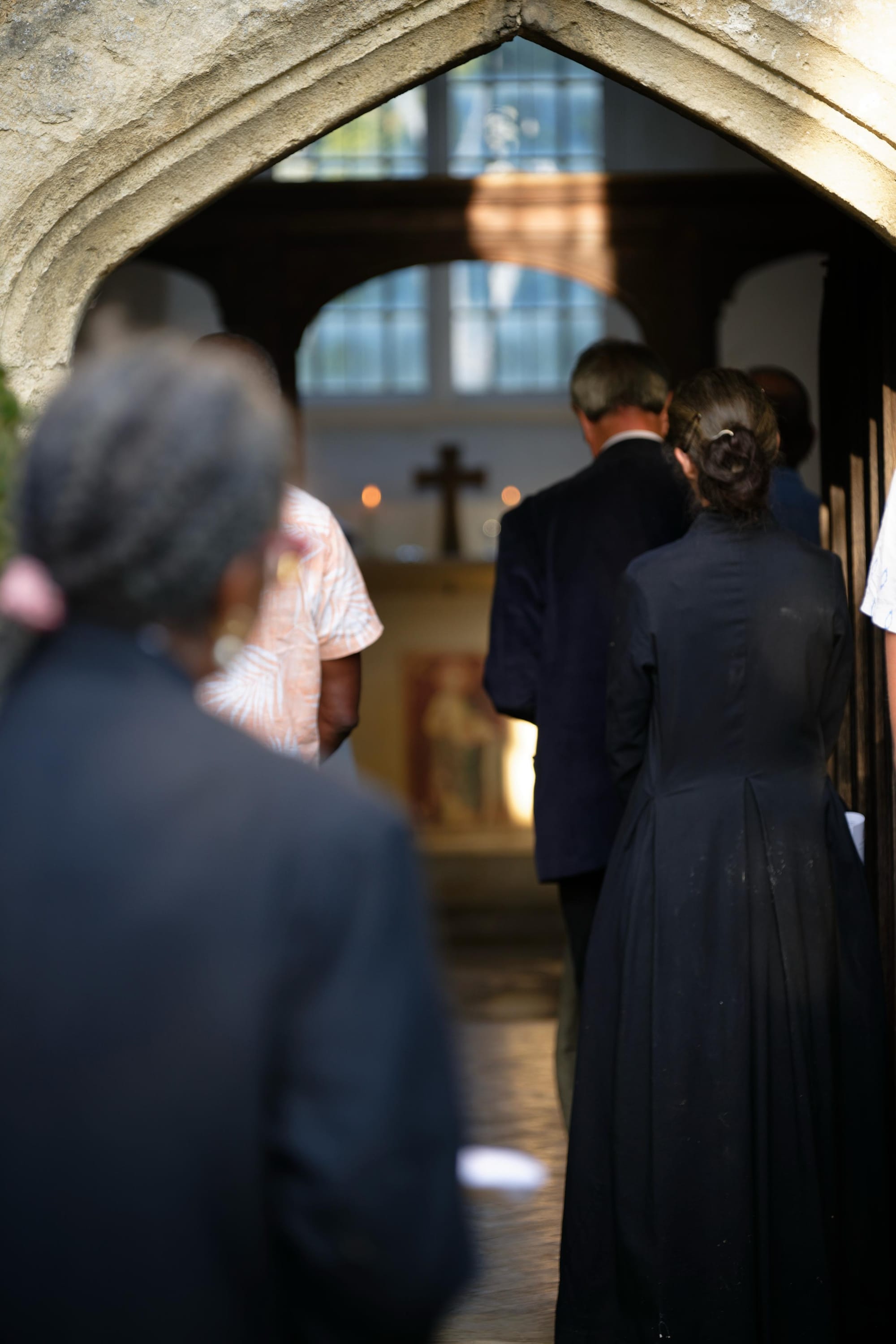
Sunday was the eve of the Feast of St Bartholomew. If you were on Cowley Road, perhaps grabbing a takeaway from Sunny’s, you would have spotted an extraordinary procession heading to the hidden hamlet of Bartlemas. Our photographer Roger Close joined the procession.
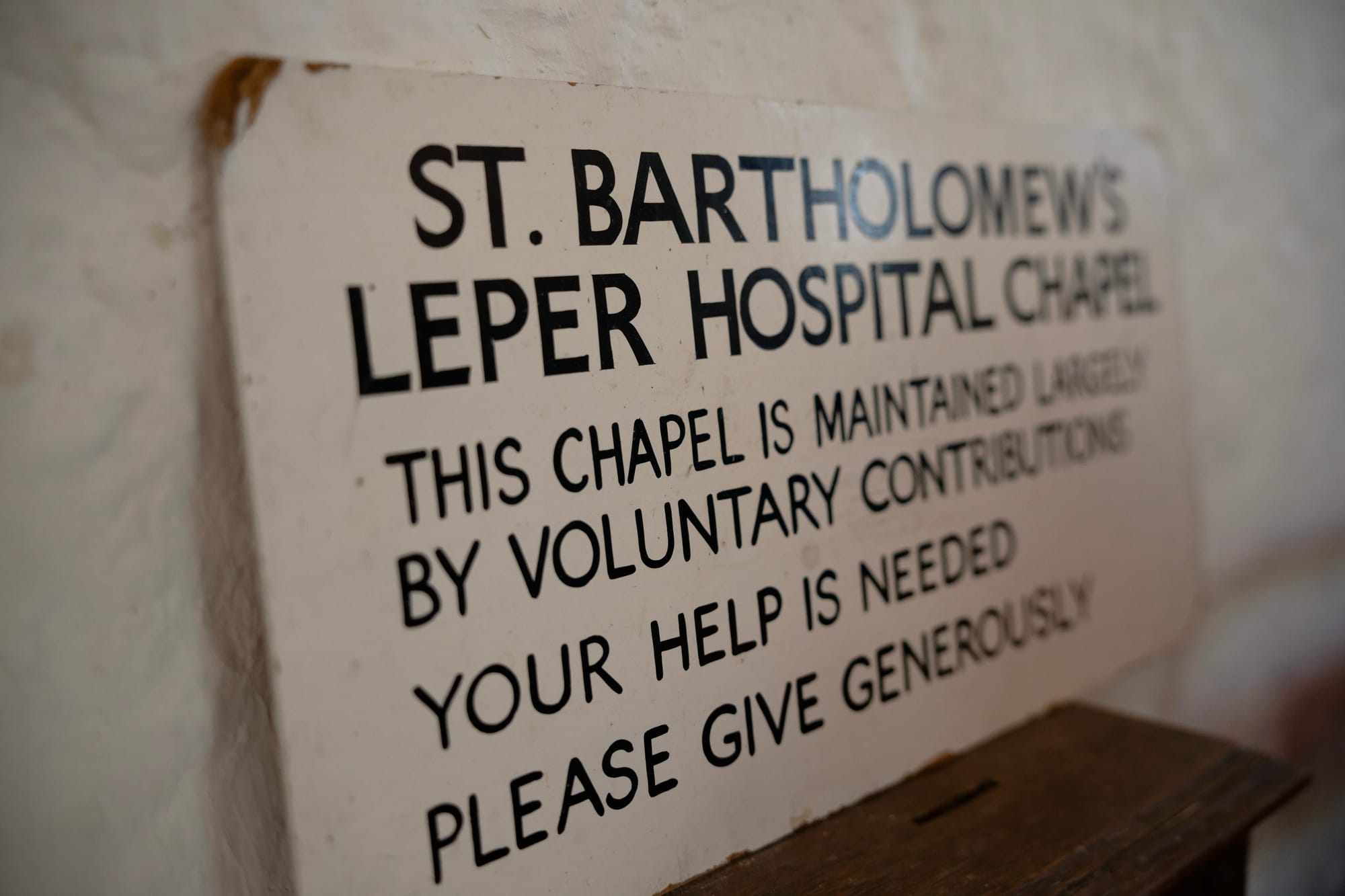
Bartlemas chapel and its associated hospital were founded in 1126. For centuries they were a place of sanctuary for outsiders – and especially for lepers, who could be cared for at a safe distance from town. While the hospital has long since gone, the chapel remains a place of prayer and music.
The congregation processed from St Mary and St John’s Church on Cowley Road to Bartlemas in glorious evening sunshine.
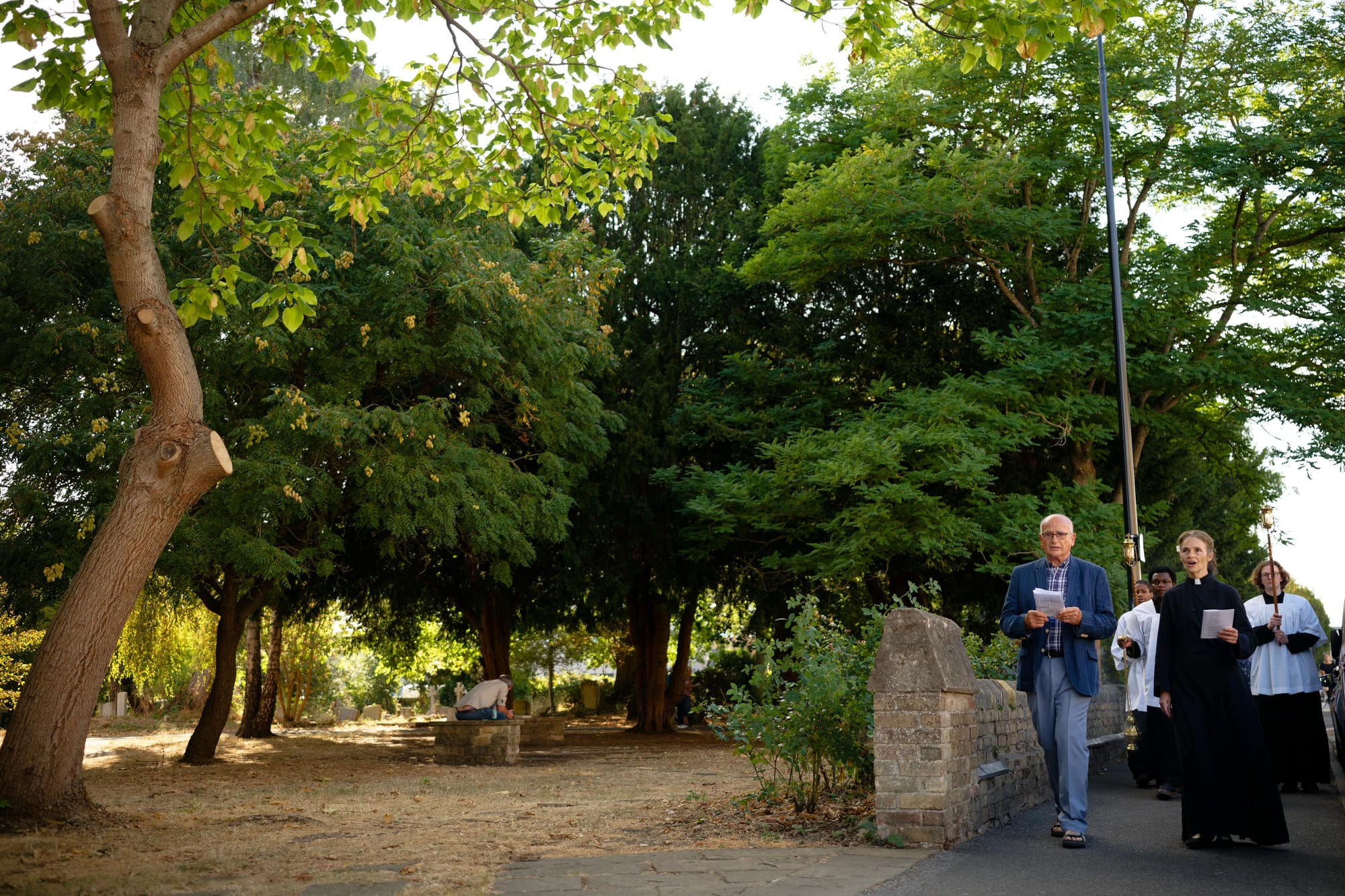
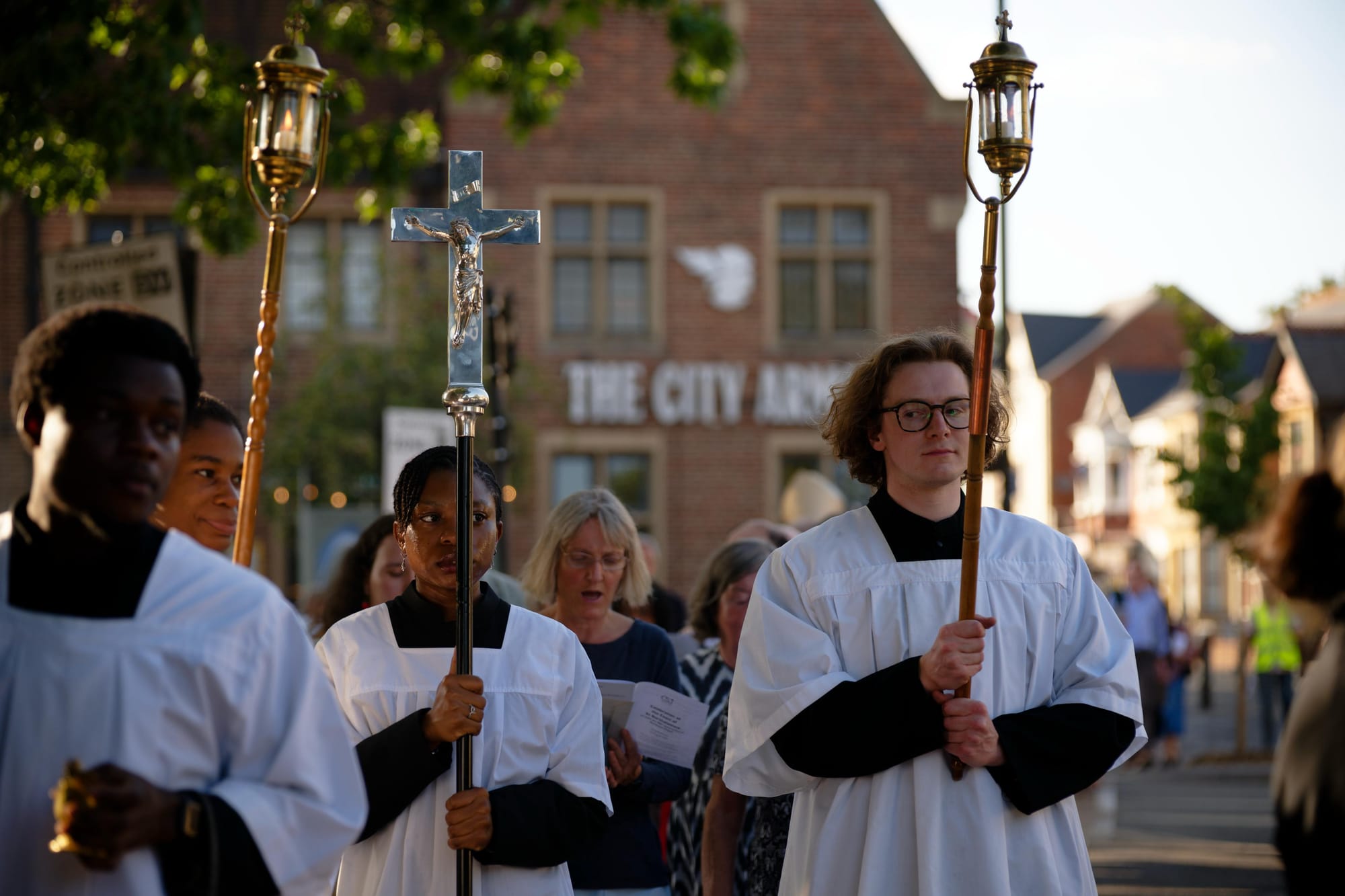
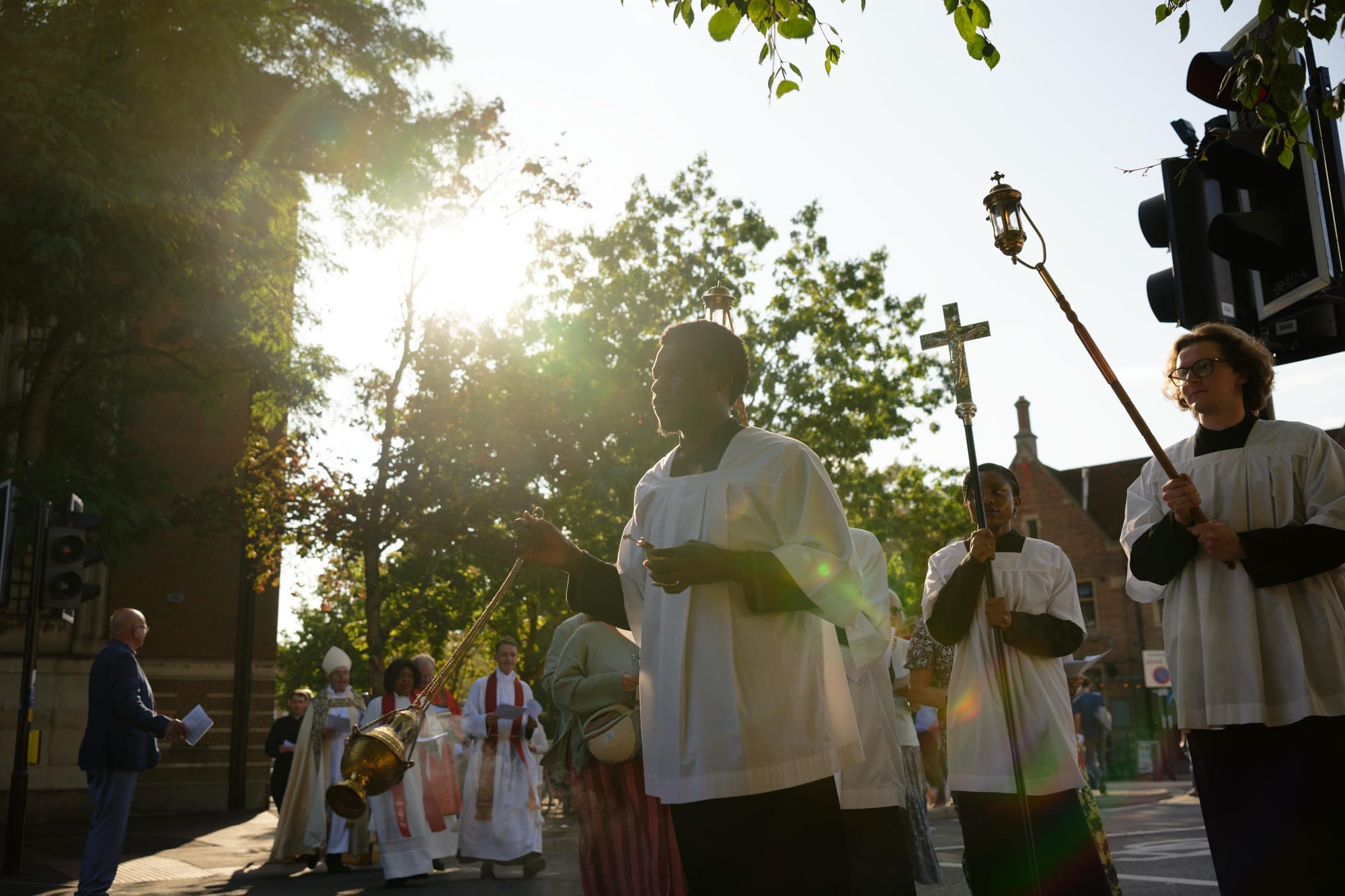
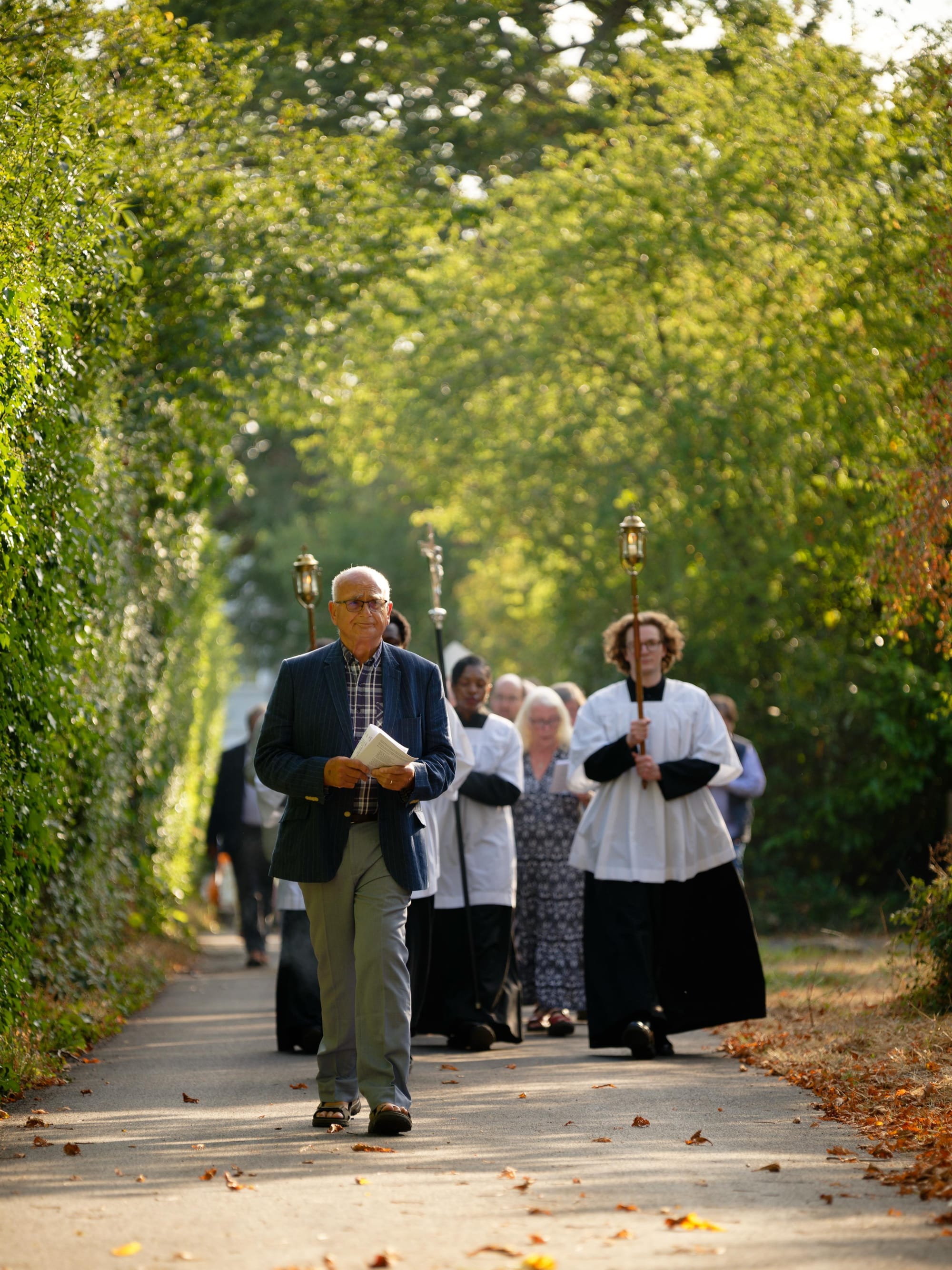
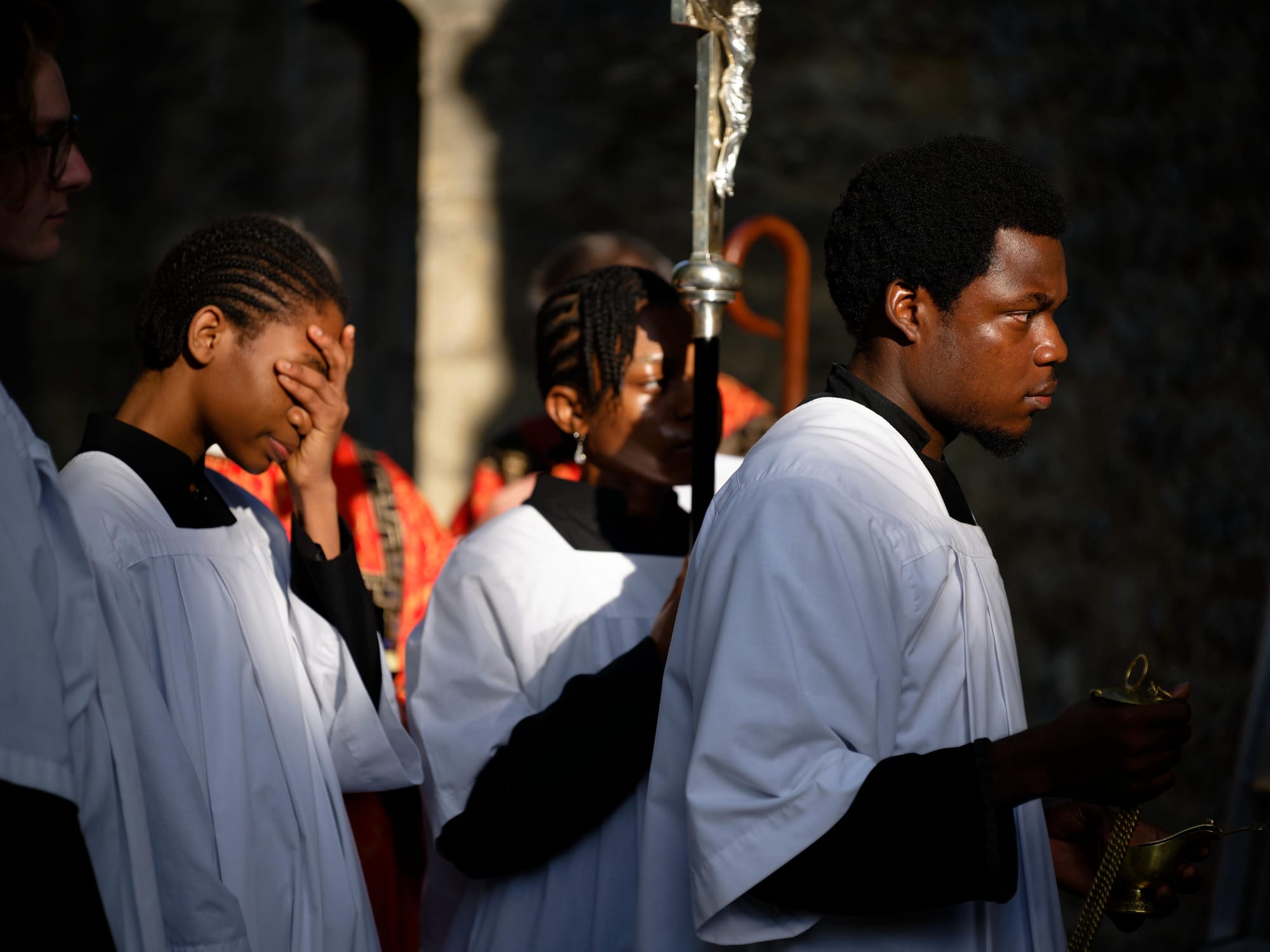
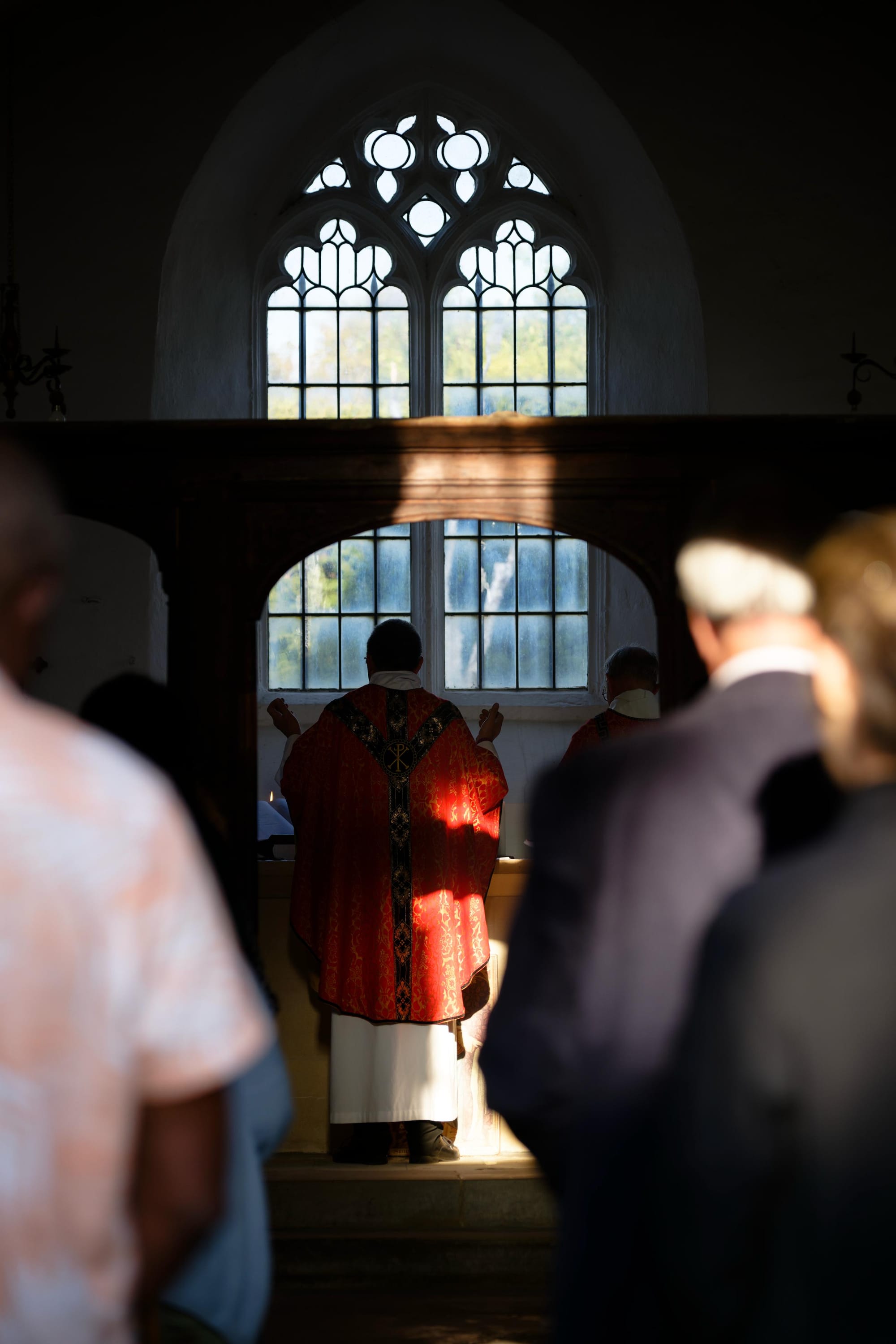
This ‘Patronal Festival’ service was overseen by Bishop Gavin, Bishop of Dorchester, deputising as Oxford’s bishop following the retirement of Bishop Steven earlier this year. The tiny chapel was packed with worshippers from all over the city.
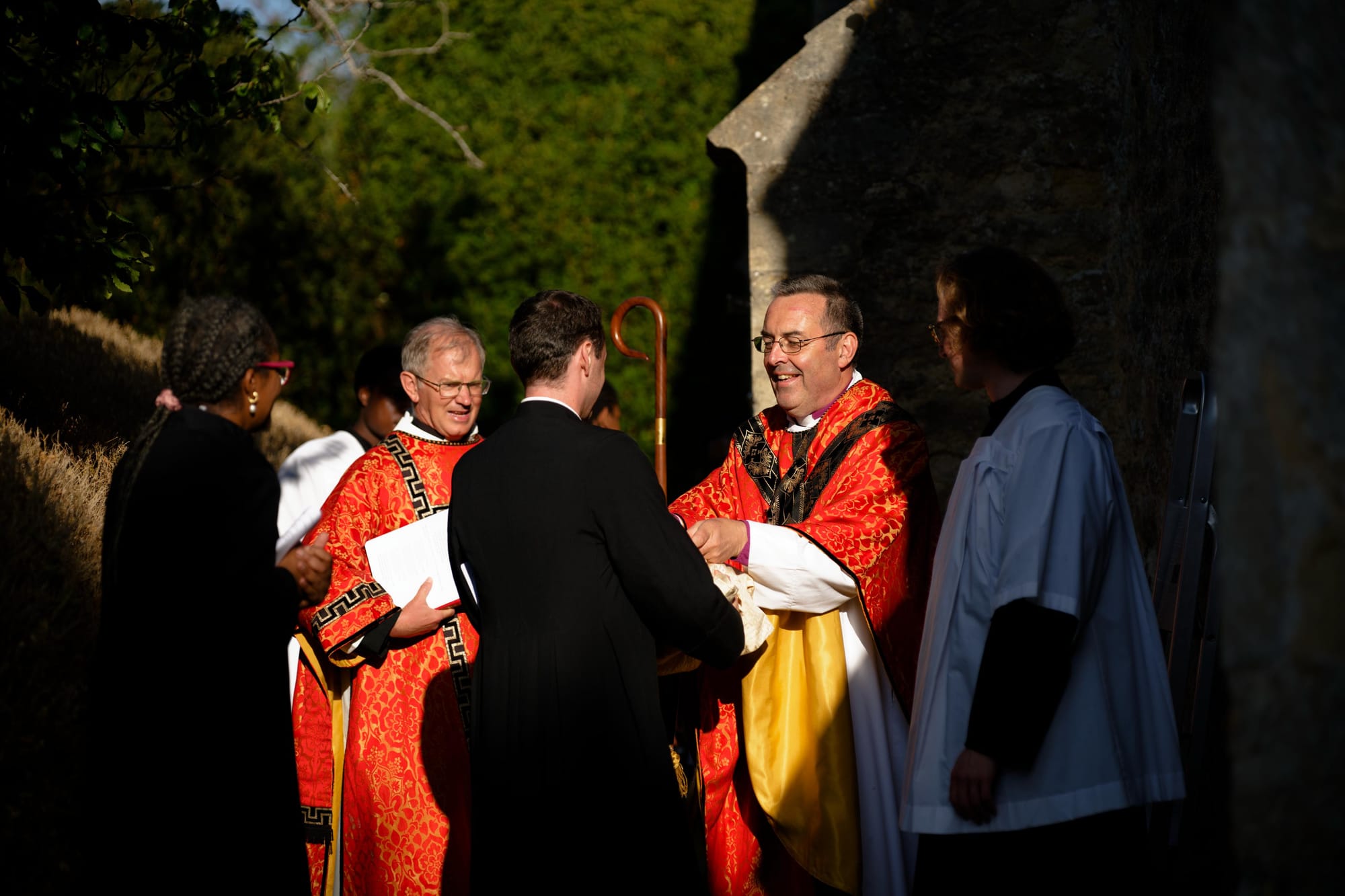
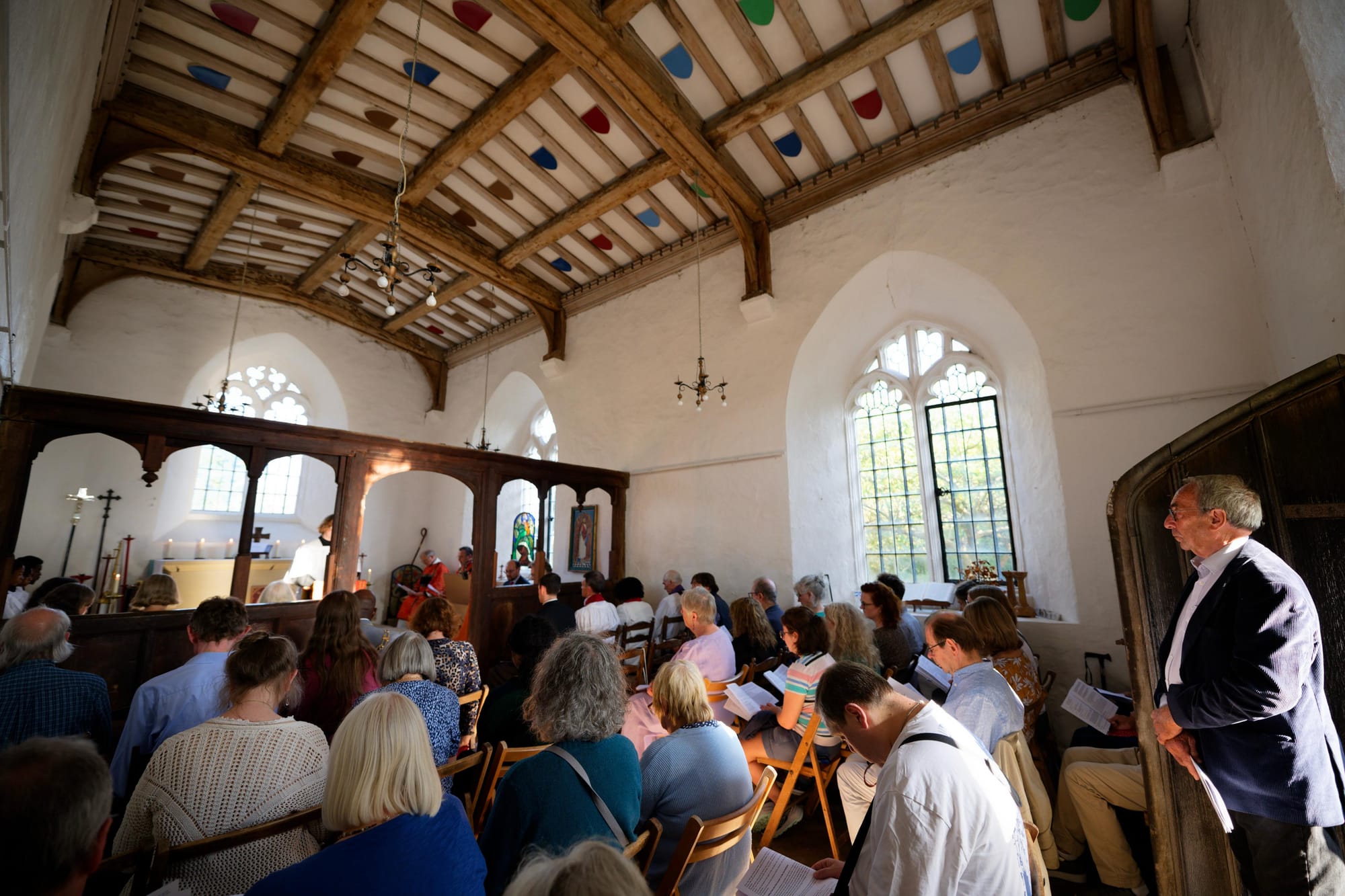
For such a place of quiet and serenity, Bartlemas has an eventful history. Its modern-day location might be the heart of what we now call ‘East Oxford’, but at its foundation it was well outside the city walls – as was standard for a leper hospital. Less standard was one warden keeping a mistress, another pilfering most of the hospital’s funds for his own purposes, and another simply ignoring the care of the building.
Exasperated with their conduct, Edward III passed it into the care of Oriel College in 1367. Oriel was not entirely delighted with its new responsibility, complaining that the brethren were disobedient. A few centuries of quiet, during which the hospital evolved to become an almshouse as leprosy become a less common ailment, were shattered by the Civil War: the Roundheads razed the almshouse and melted down the chapel lead roof for shot. Even while the war raged elsewhere in England, though, Oriel restored the chapel and built replacement almshouses.
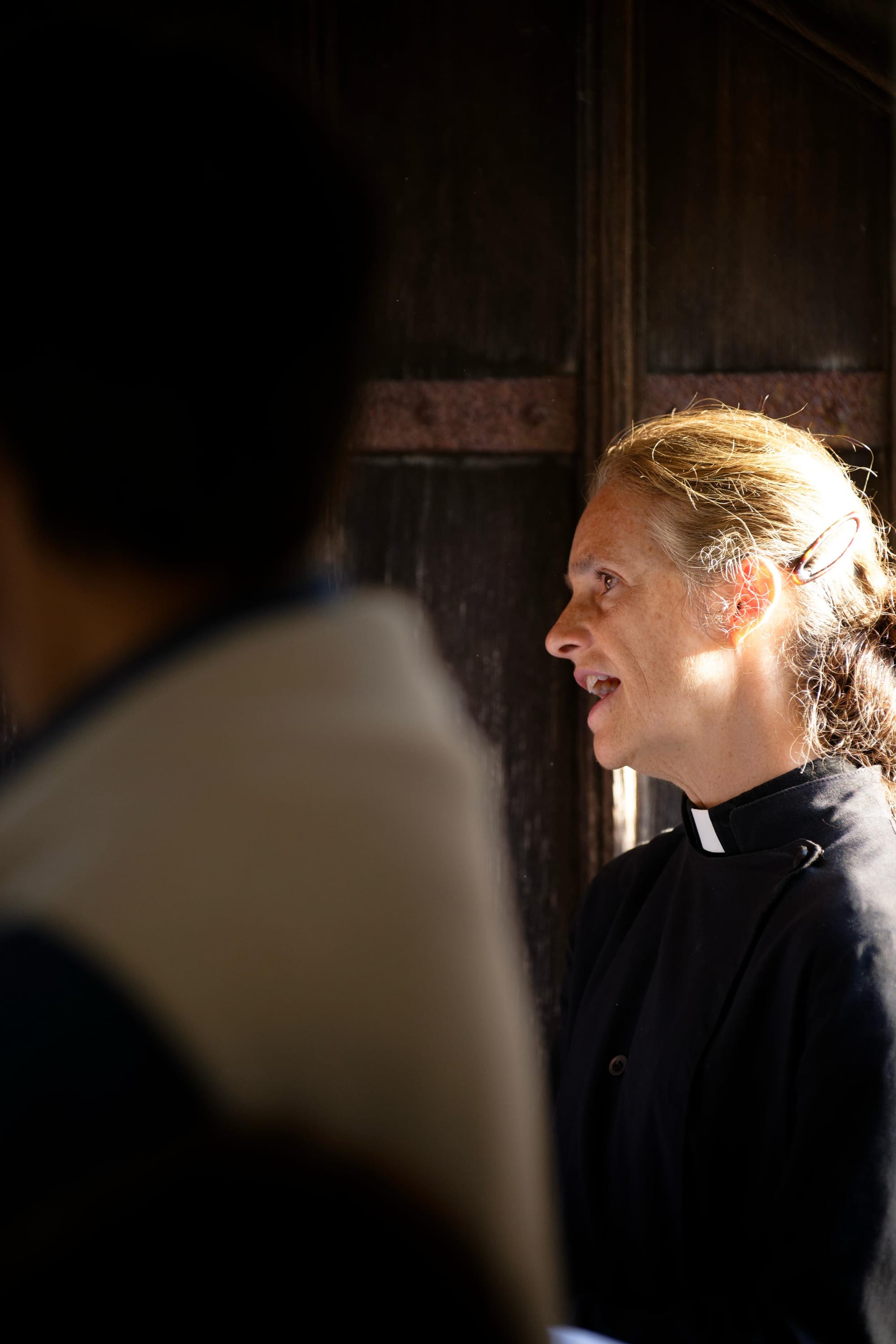
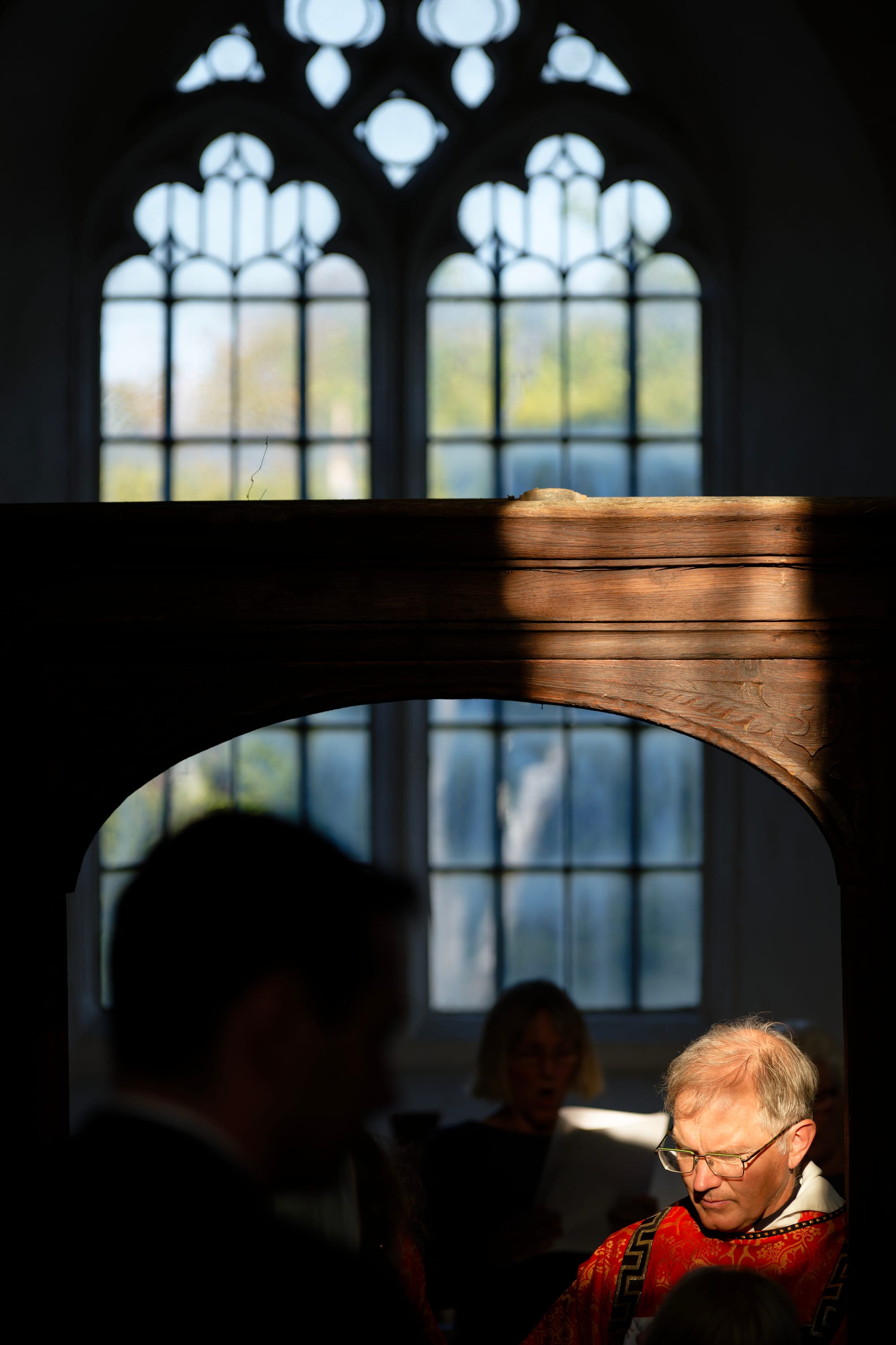
Eventually humble chapels like Bartlemas fell out of favour as places of worship. As the Victorians built grander parish churches across the suburbs of Oxford, Bartlemas Chapel fell into disrepair once more. Its absolute nadir was probably becoming an impromptu cowshed.
But Victorian attitudes can seem as alien to us now as the Civil War, and a renewed understanding of a ‘sense of place’ in church buildings has led to a revival for Bartlemas. Evensong from the Book of Common Prayer, a rubric that is little changed since the 16th century, is held here once a month.
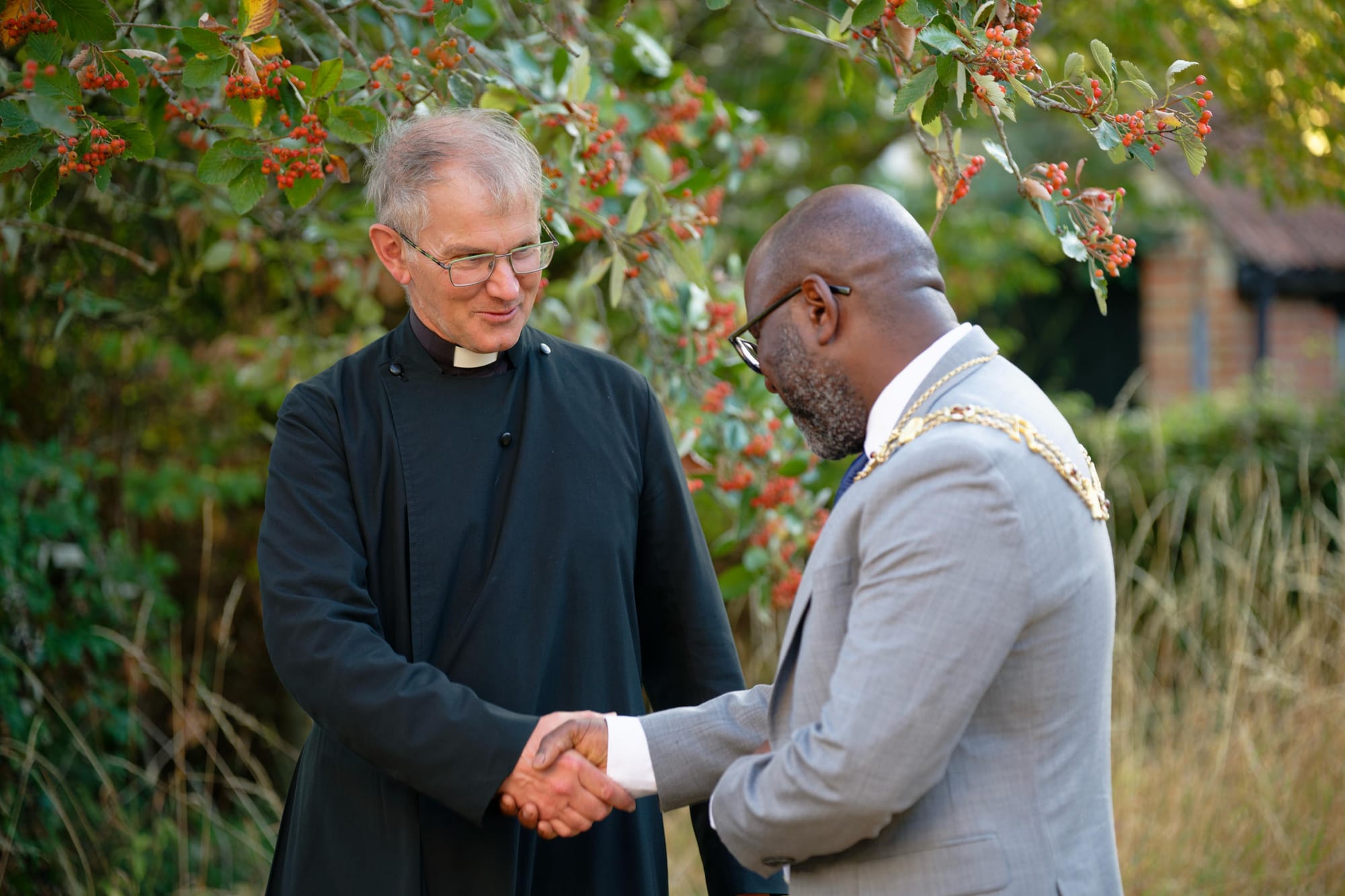
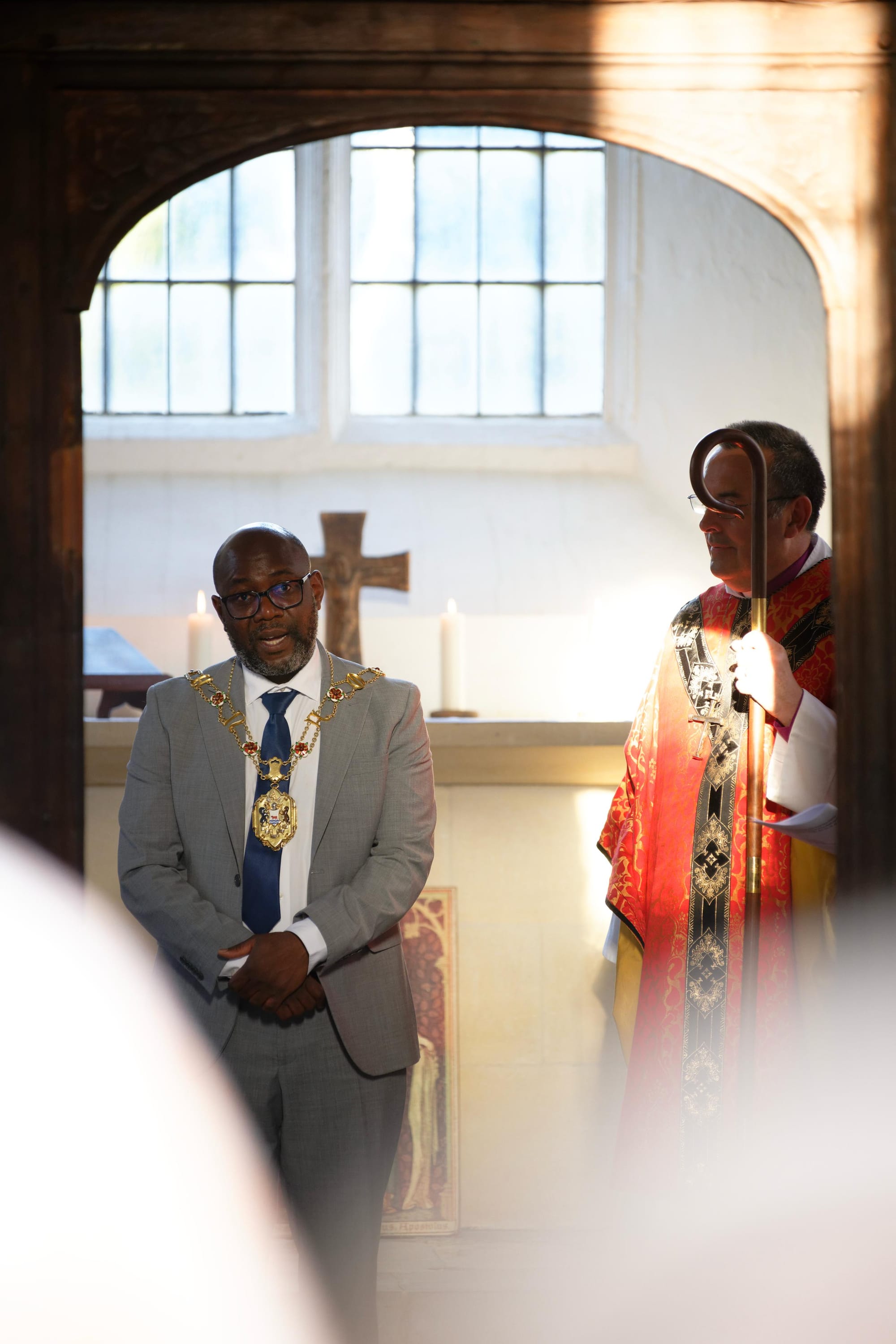
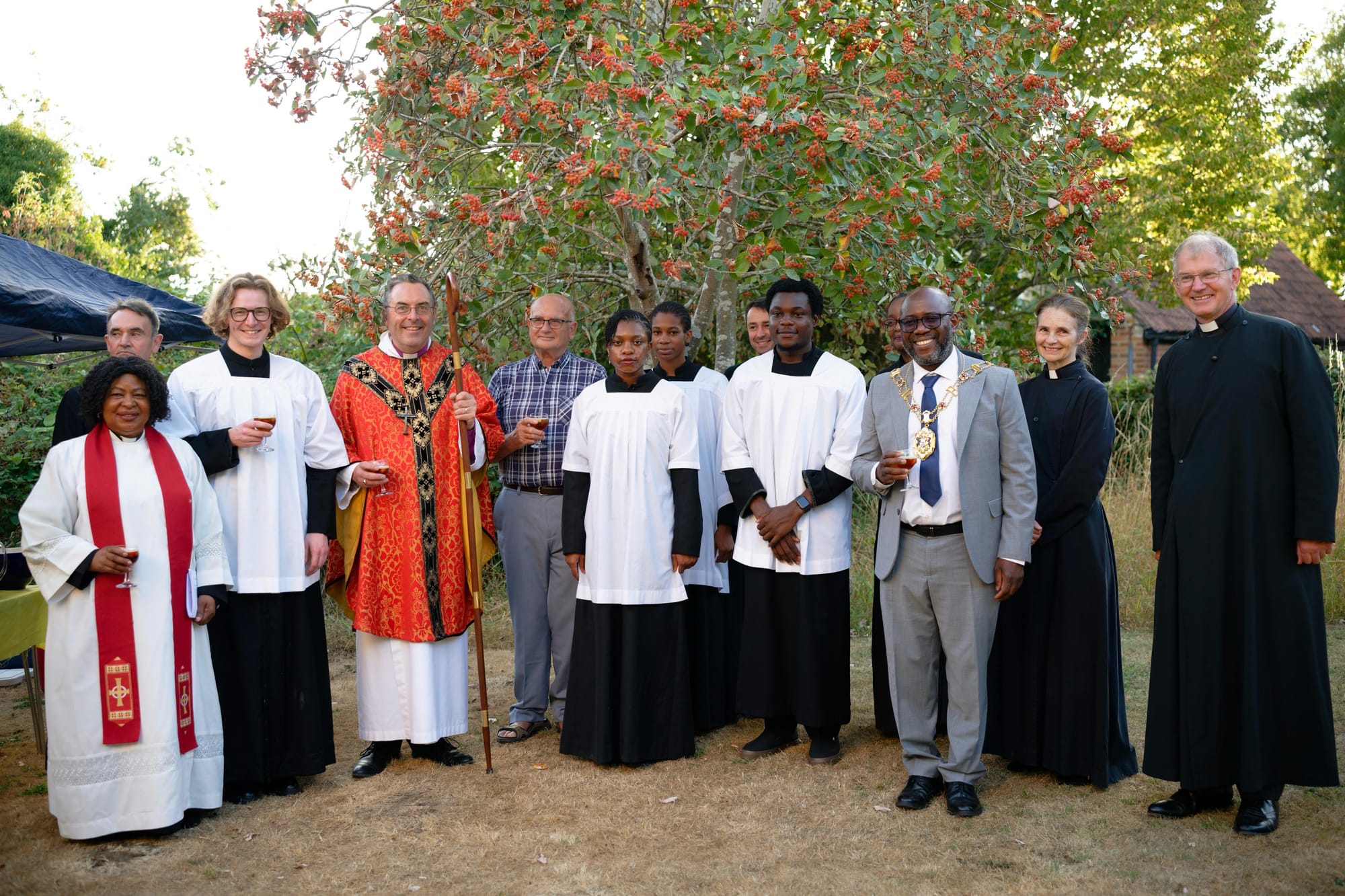
Today, the church is in the care of the parish of Cowley St John. Their celebrations of the 900th anniversary have also taken in a concert of the works of Hildegard of Bingen, the abbess and mystic who was composing at the time of Bartlemas Chapel’s foundation; songs celebrating Oxford at Maytime, improvisatory music for gongs and voice, and for clarinet.
The ‘rediscovery’ of Bartlemas is not least thanks to its unstinting champion Martin Stott, who last year published a photobook Bartlemas: Oxford’s Hidden Sanctuary, delivers talks on the chapel, and has exhibited his photos at Caper in Magdalen Road – a more assiduous advocate than the 14th century wardens entrusted with its care.
Further reading
- A delightful evocation of Oxford in 1126 forms Morris Oxford’s celebration of Bartlemas 900.
- The Diocese of Oxford reflects on 900 years of prayer, care and pilgrimage.