
A beginner's guide to growing your own food
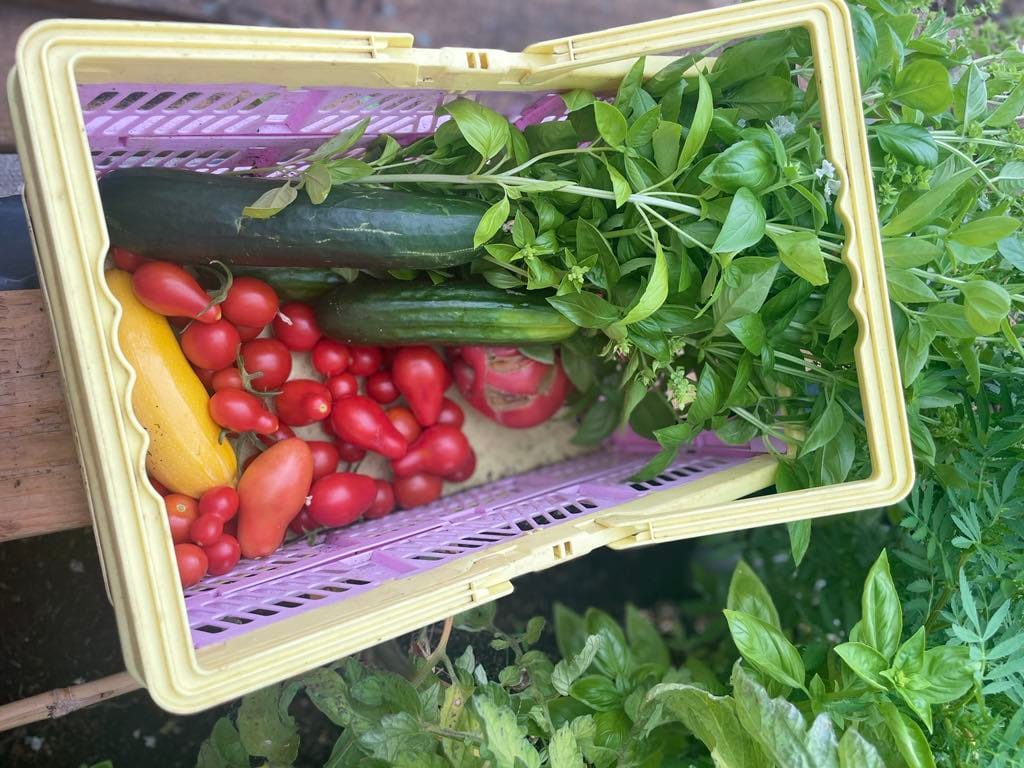
Have you ever thought about growing your own food? To reduce food bills, or for the joy of using a few fresh basil leaves or a tomato that has real tomato flavour? We asked the Clarion's resident horticulturist, Amandine Lepers-Thornton for her tips on starting out, whether you have a bit of space in a garden, a few pots on a balcony, or a new allotment.
Spring is springing, which means a new growing season is starting.
One of the best things you can do for the planet, for wildlife and for yourself and your family is to grow your own food. There’s no better way to cut food miles and save money while keeping fit and healthy. If you’re tempted to give fruit and veg growing a try, I’m here to help by sharing a few things I wish I’d known when I embarked on my amazing grow-your-own adventure 10 years ago.
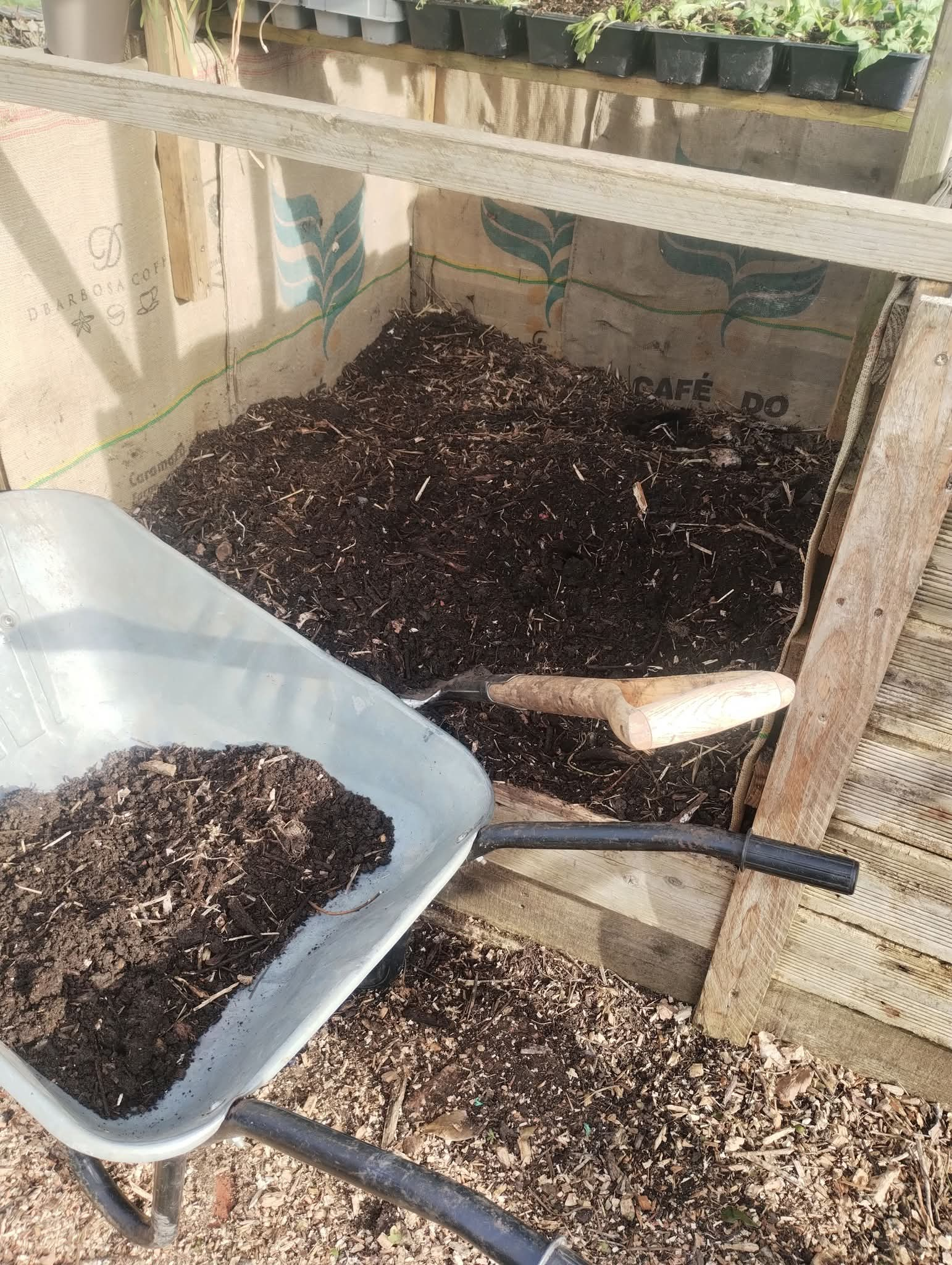
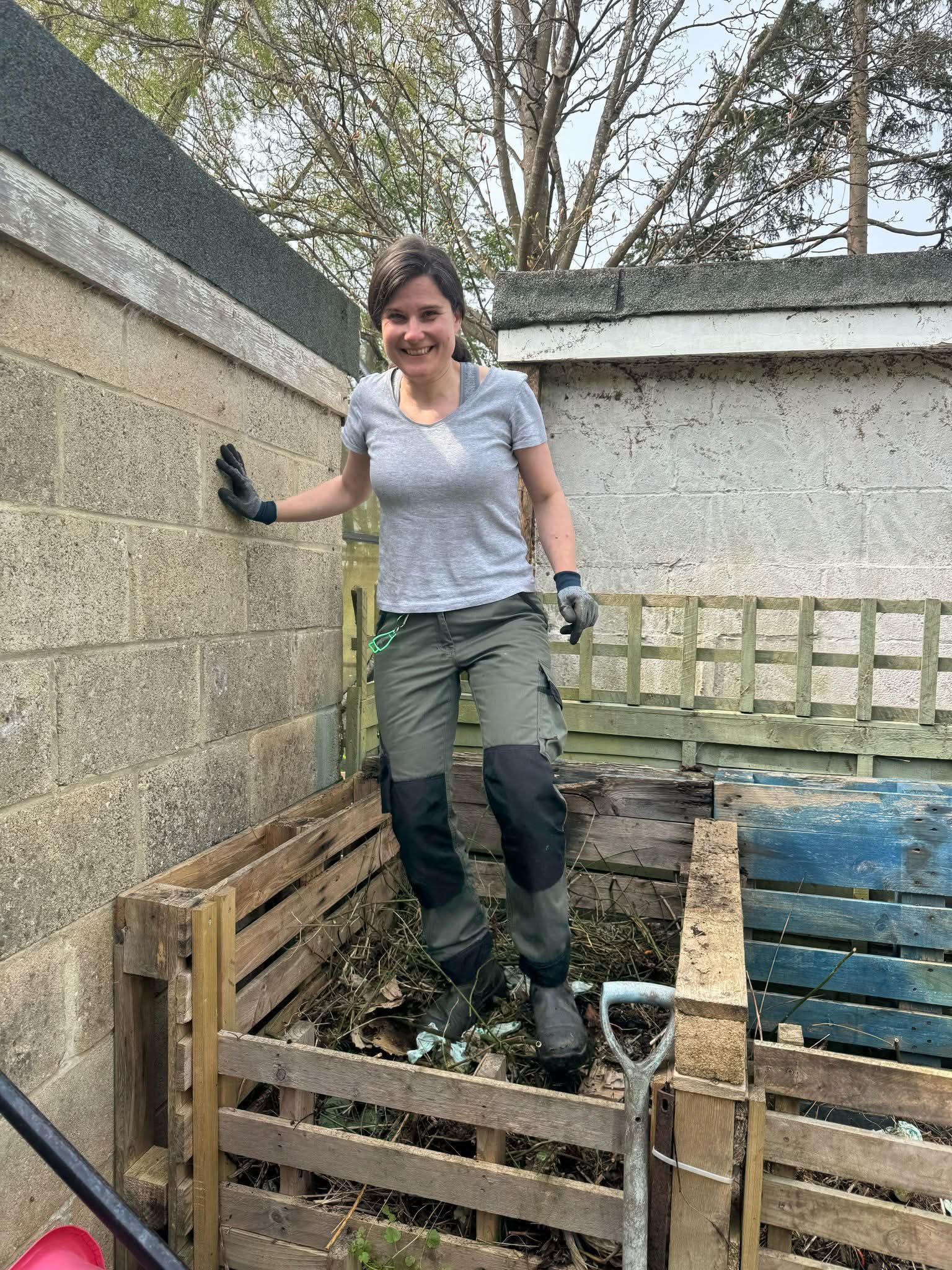
Amandine’s compost. And when she’s not making compost, Amandine likes to jump on her clients’ heaps
It’s all about the soil
This was the first thing my allotment neighbour said after welcoming me as a new allotmenteer. But when you have a neglected plot full of junk to clear, with a field of perennial weeds, the soil isn’t exactly number one on your priority list. As soon as I could get going with composting, I realised how critical soil health is. Today, I’m big on composting and mulching, and always advise clients to focus their efforts on feeding their soil. Composting saves money and hard work by removing the need to buy large volumes of compost – plus, homemade compost is miles better than shop-bought.
Fertile soil retains moisture and nutrients better, cuts down weeds and help plants develop strong healthy roots. Having rich and diverse soil life also has a huge impact on the environment: for example, soaking up heavy rains and ultimately reducing flood risk. If you don’t like the idea of composting, mulch thickly with well-rotted manure or compost where you plan to grow veg, make a bean trench to add nitrogen to the soil early on, or sow green manure. Every little thing helps to boost soil biodiversity.
If your soil is rock-hard solid, start by putting lots of compost on it. Then you can try growing potatoes, which will help break up heavy clay into workable soil for next year, though any crops do take nutrients out.
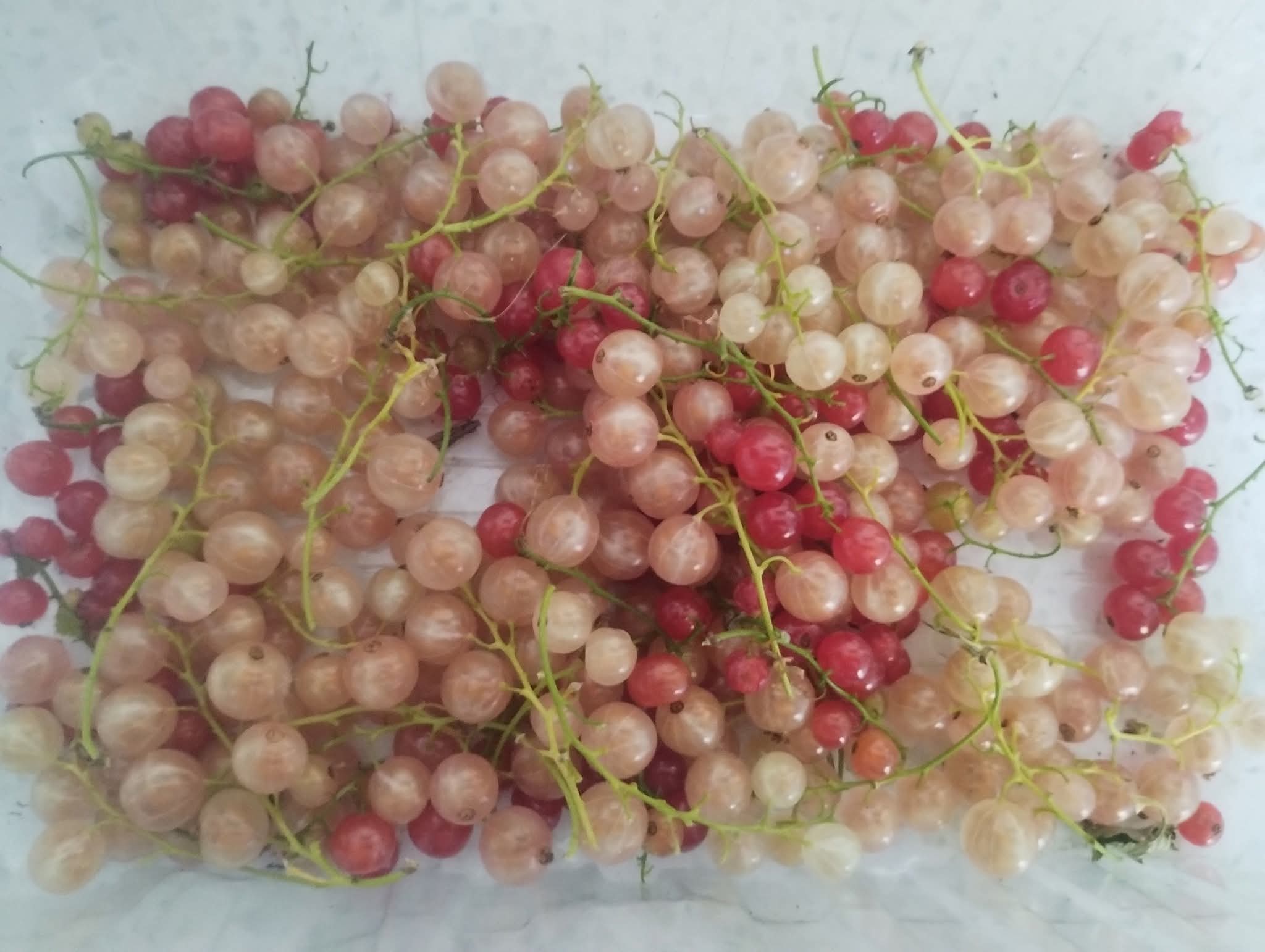
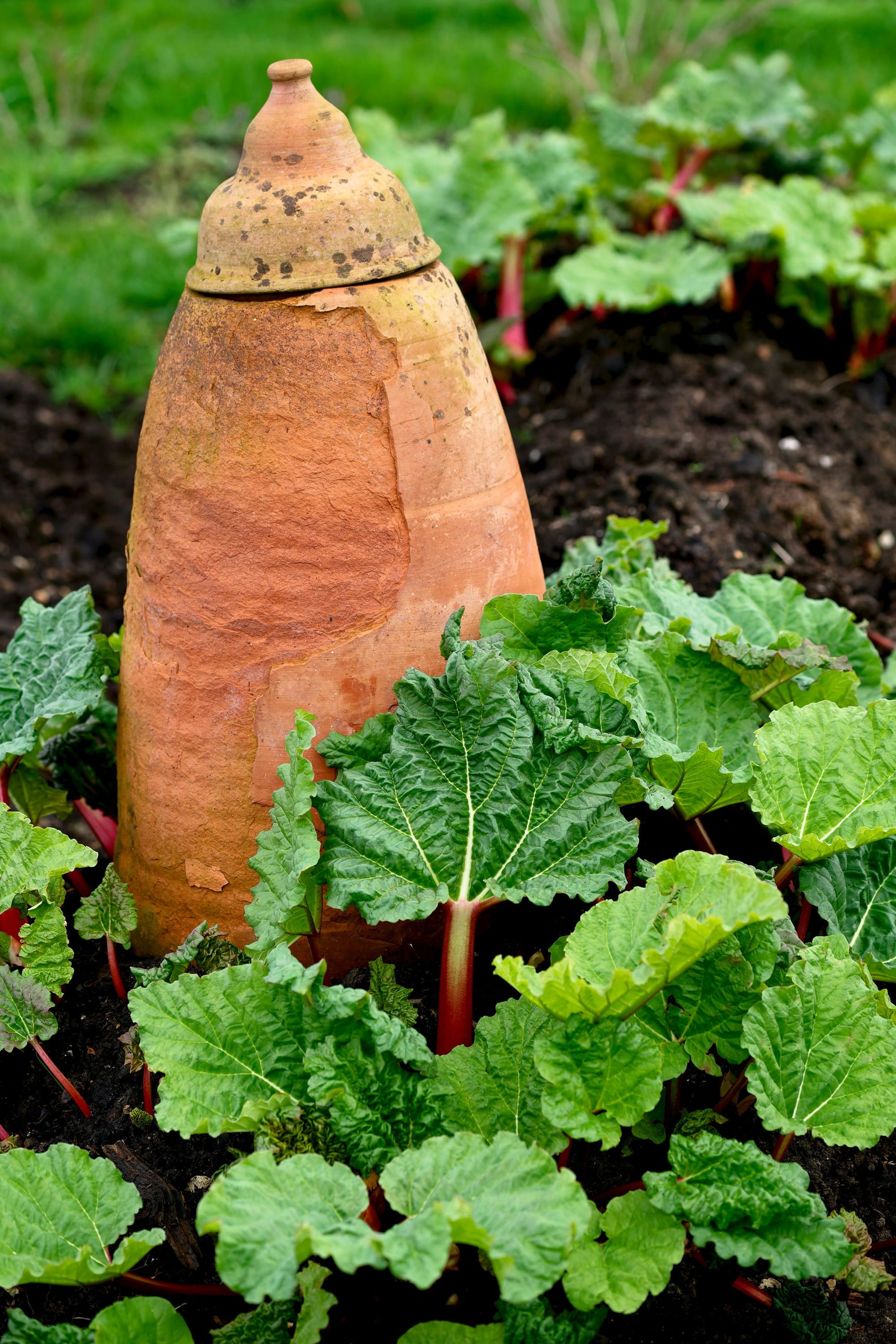
Currants and rhubarb are easy to grow (Rhubarb image by Roger Close)
Be realistic with the time you have
As joyful as it is, growing fruit and vegetables is a time-consuming and labour-intensive hobby. Edibles are known in horticulture as the most demanding plants because everything happens over a short space of time: sowing, potting on, planting out, watering, harvesting, prepping and preserving. Caring for crops is addictive and you might find that you really enjoy the time you spend in your veg patch or on your allotment and it doesn’t feel like hard work. But if you’re time-poor, maybe go for less demanding plants.
Perennials – i.e. plants you put in the ground once and which keep coming back year after year - are helpful. They include globe artichoke, soft fruit like gooseberries, raspberries, currants, and rhubarb. Or you could start with a small herb bed or a few vegetables in containers, maybe on a patio or balcony and build up gradually. If you’re able and willing to invest a bit more time, you could give long-season crops like chillies, sprouting broccoli, carrots or parsnips a try. Or crops that you need to check and/or harvest regularly, like tomatoes and courgettes.
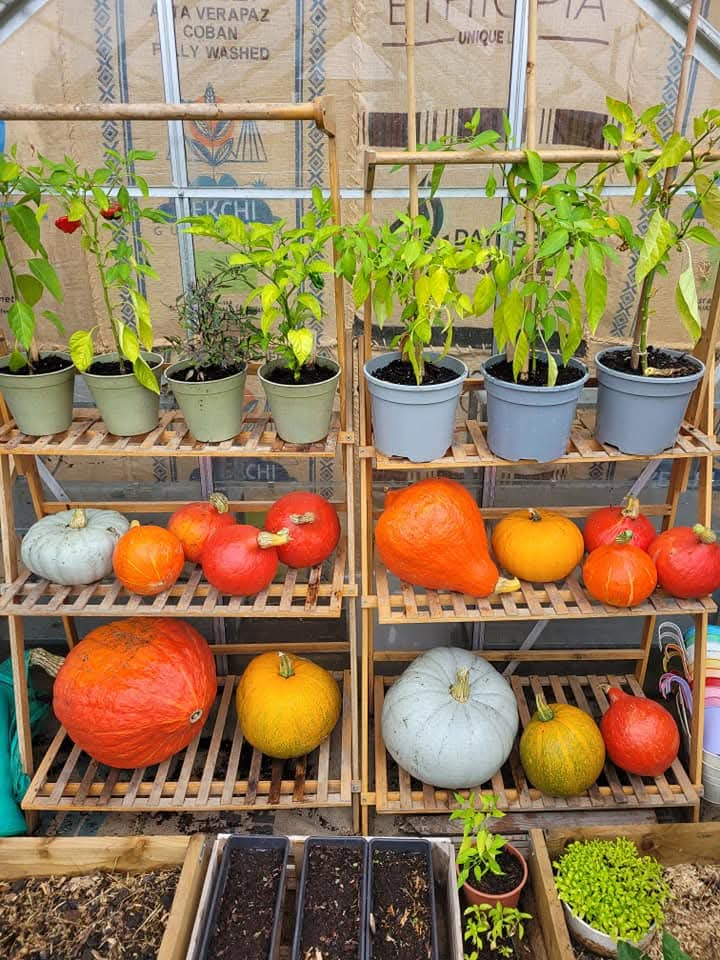
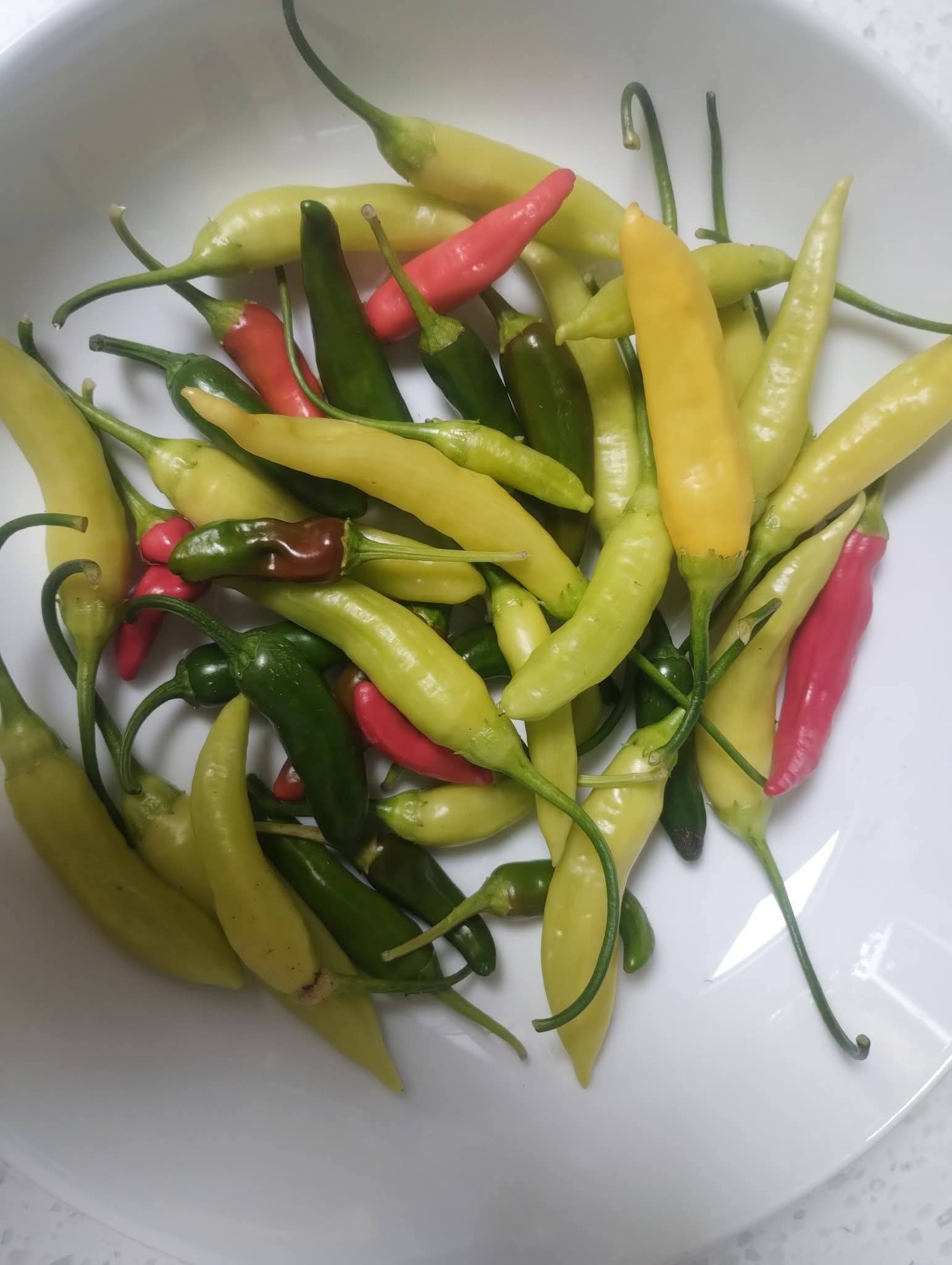
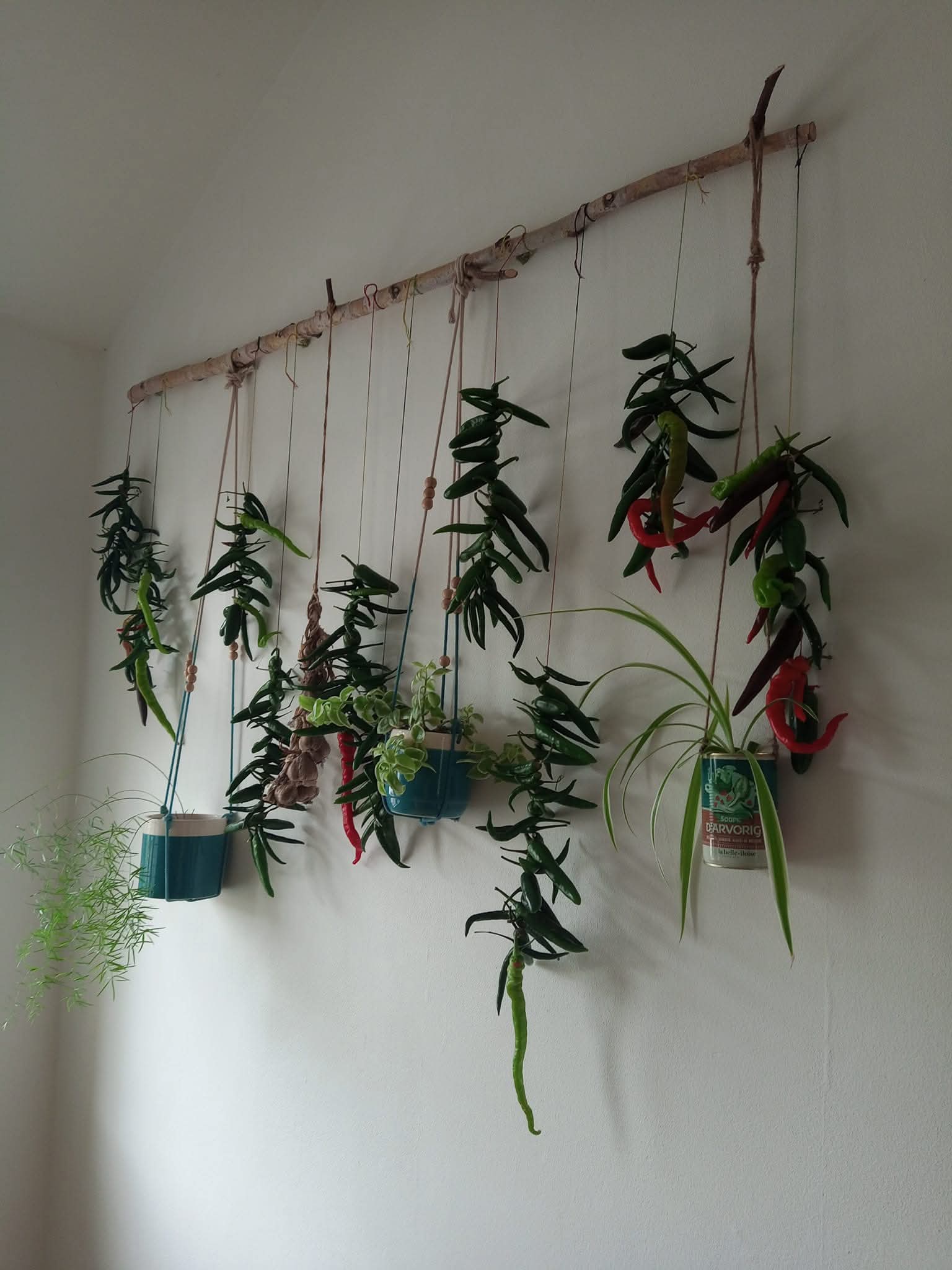
Squashes curing in Amandine’s greenhouse. Chillies are easy to freeze or dry on strings for long term storage.
Only grow what you enjoy eating
It may seem obvious but it’s a beginner’s mistake most grow-your-own enthusiasts make. When you get started, it’s easy to want to grow everything. But there’s no point in growing 50 cabbages if you only have a bit of coleslaw here and there, when a cabbage costs less than a pound. And you may not fancy eating runner beans with every meal! As for Jerusalem artichokes (aka ‘fartichokes’), they may be dead easy to grow and produce lots of gorgeous sunflower-type blooms in the summer but they’re not to everyone’s taste.
My favourite veg are salad crops, courgettes, borlotti beans and squashes, so they are crops I grow every year. You’ll never see me touch a Brussels sprout so I don’t bother with them. And because my husband hates beetroot and parsnips, I grow them in smaller quantities. When an East Oxford client told me she loved tomatoes, I helped her set up a growing structure in the flower bed against her sunny fence and she had tasty cherry tomatoes to harvest right until November.
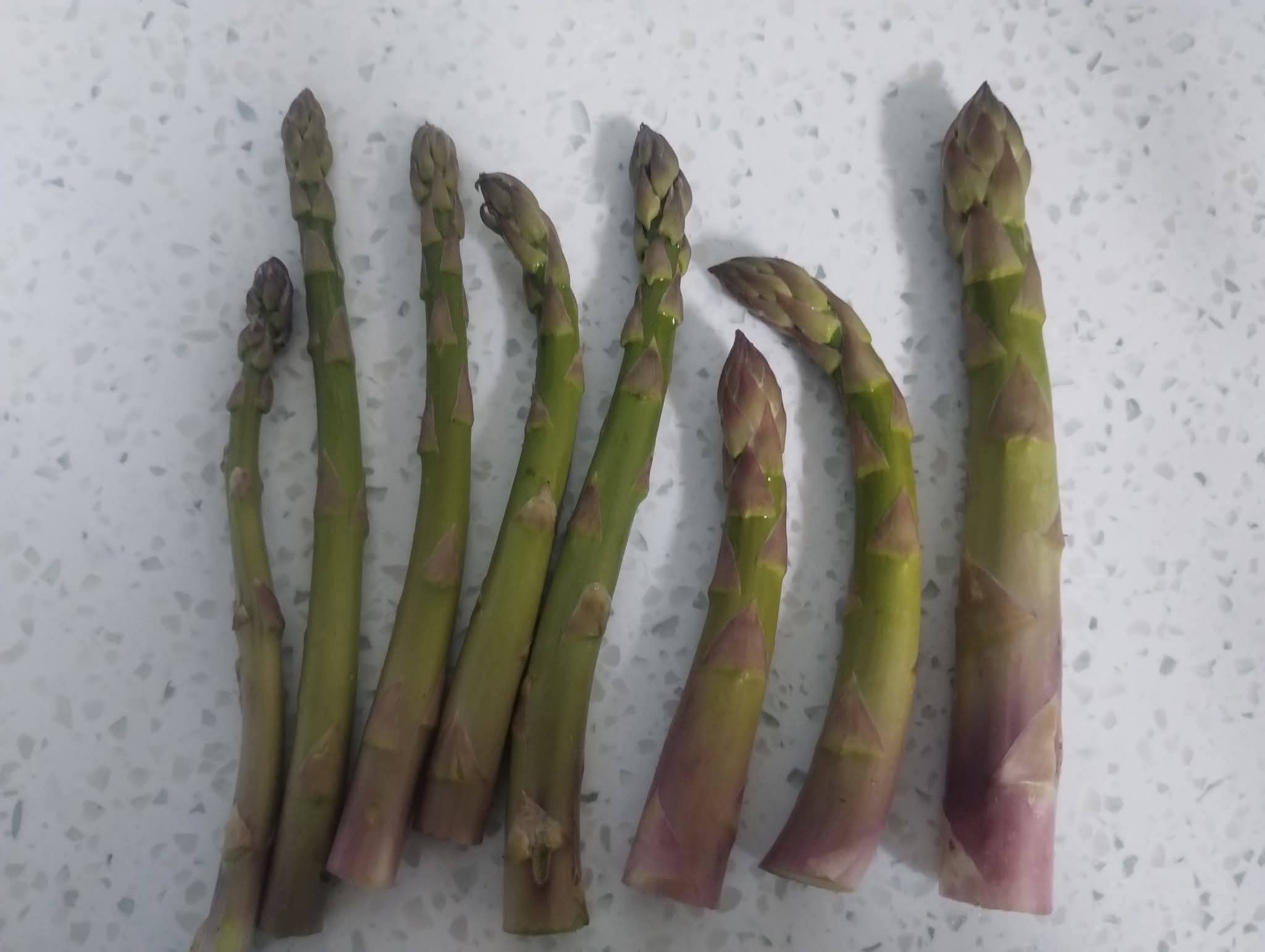
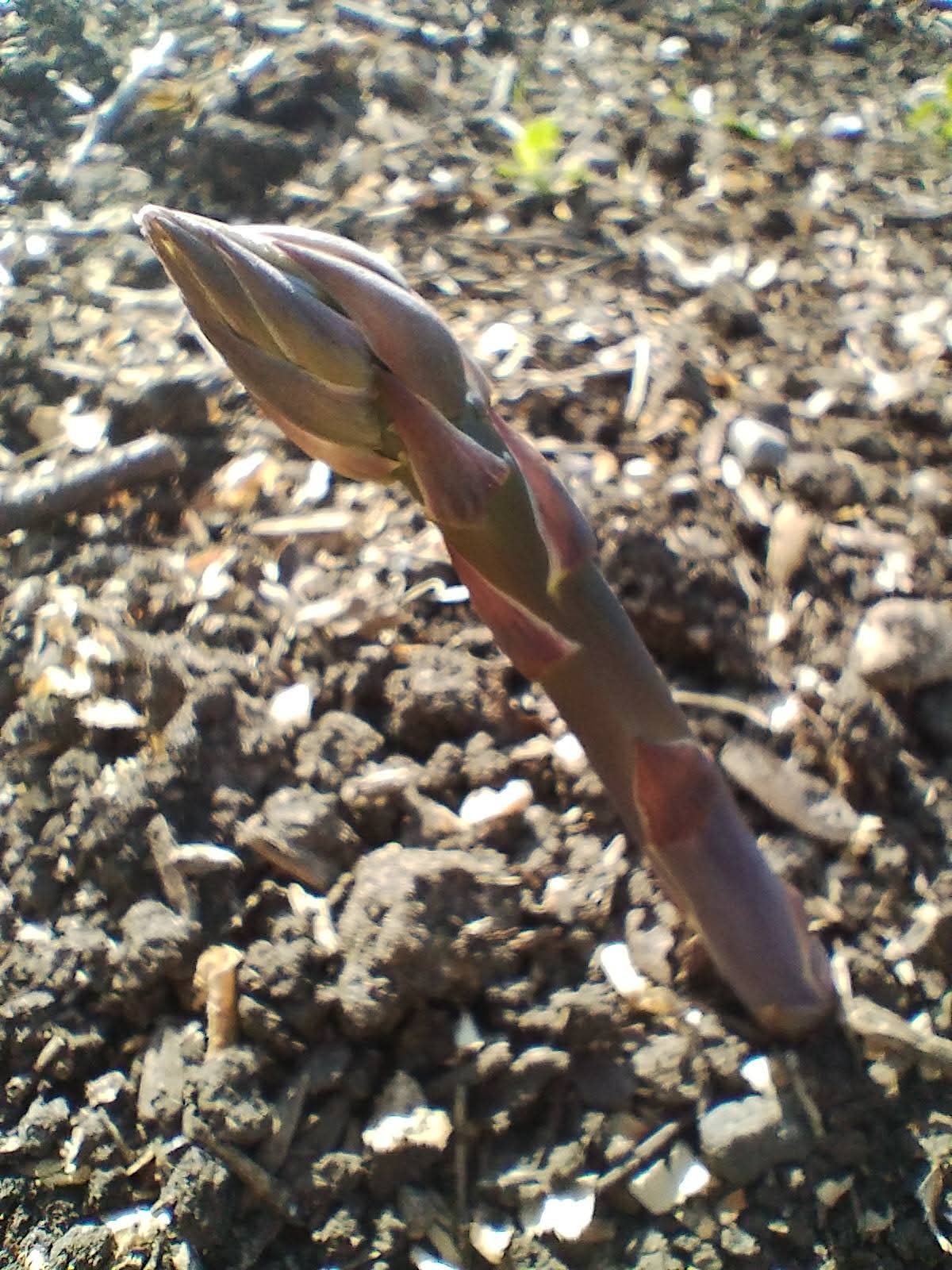
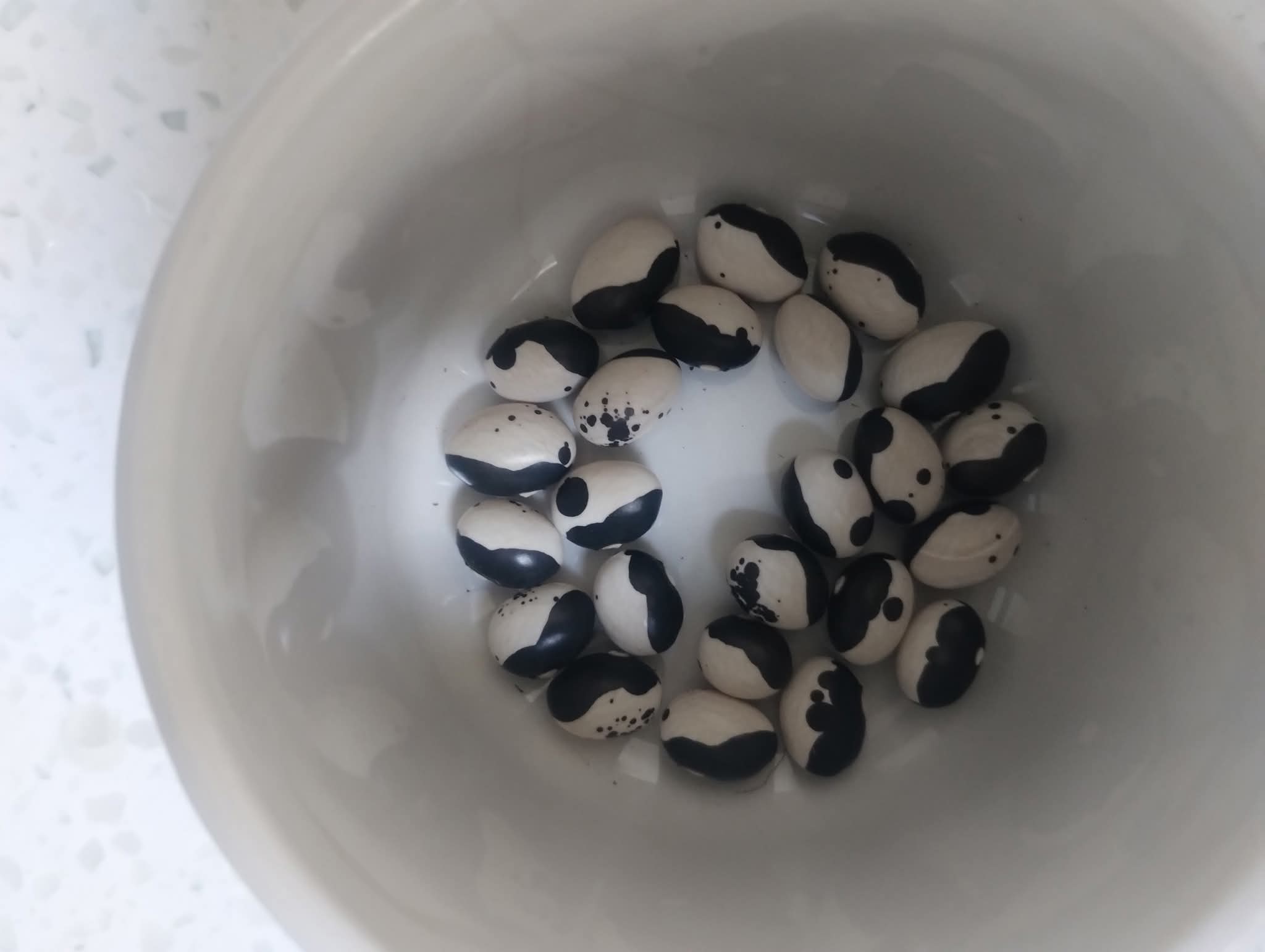
Asparagus, a delicious British crop. Ying yang beans look cool but are as easy to grow as bush beans
Grow expensive or unusual cultivars
Asparagus crowns were one of the first things I planted when I started growing my own veg – I knew they would produce for 20 years and, as they can’t be harvested until the third year, I wasted no time! Asparagus spears cost a fortune in shops, are often flown from the other side of the world, and yet they’re a crop that does well in the UK and reward you with delicious veg to harvest every few days between April and the summer solstice. They’re fairly easy to grow, harvest, prepare (no messy scrubbing!) and cook, and they taste incredible.
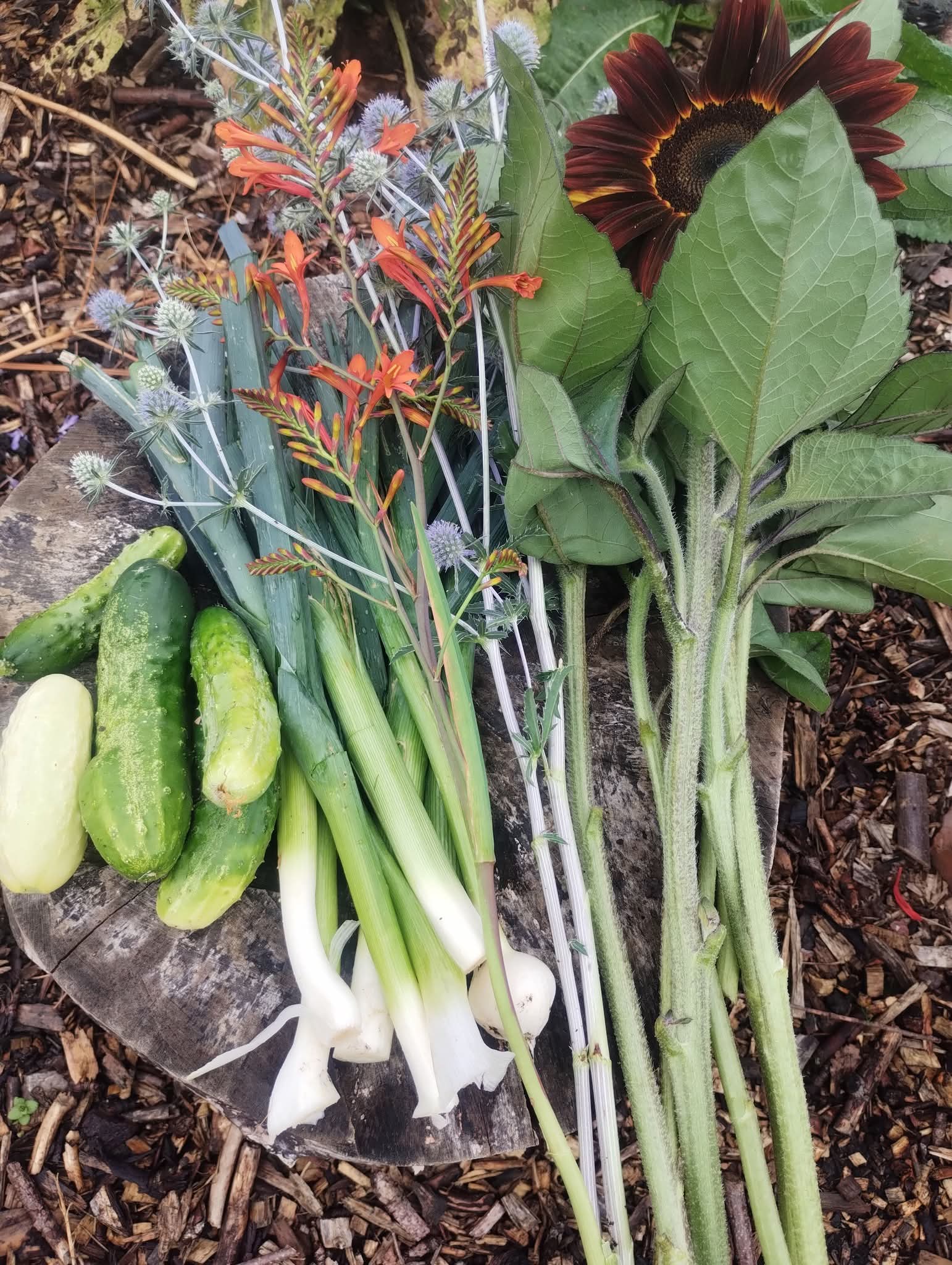
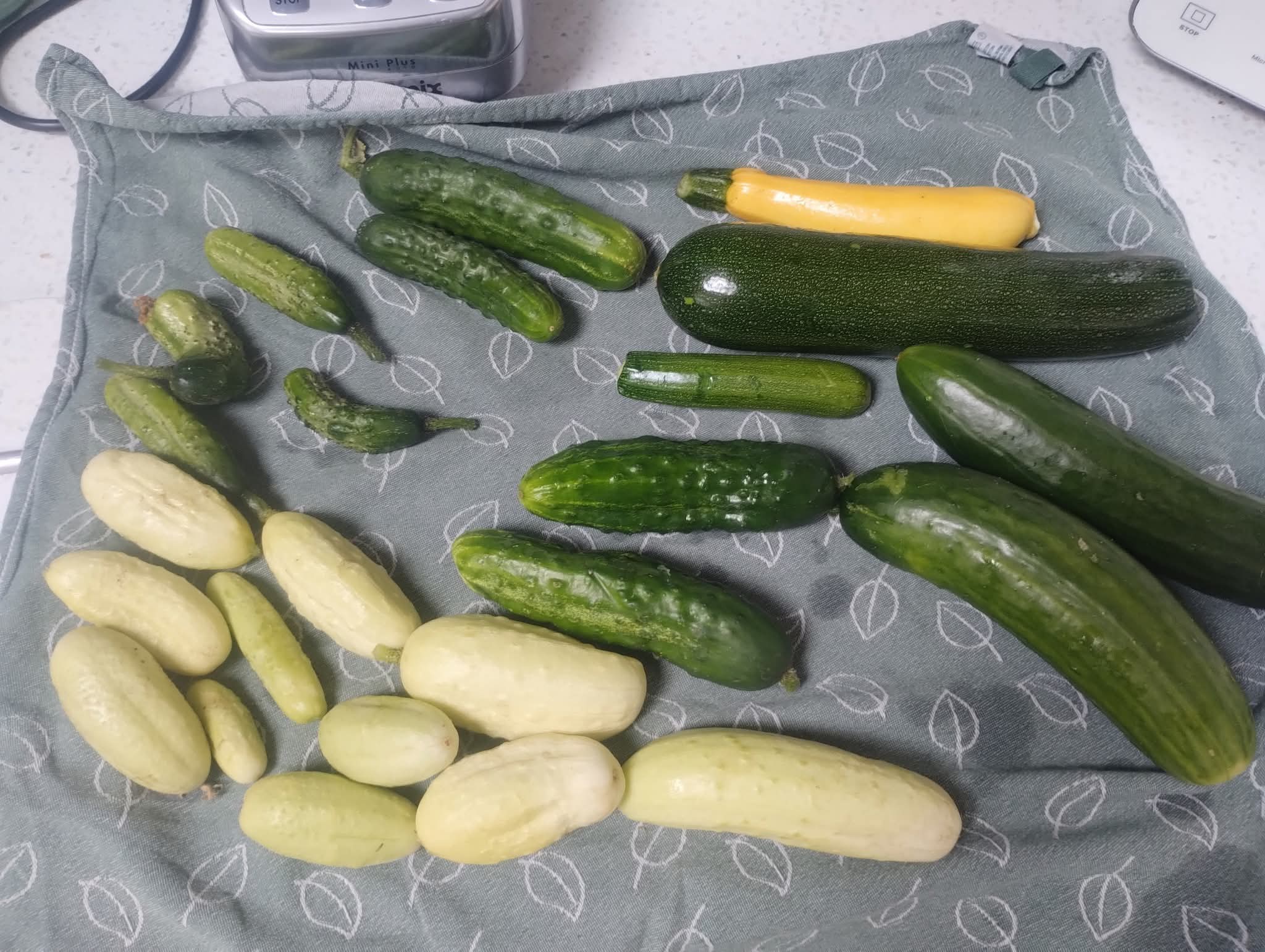
Other veg that I love and find tricky to get hold of are globe artichokes and purple potatoes. Guess what, I grow them too. Supermarket cucumbers taste bland to me – as they’re easy to grow, I go for unusual cultivars, such as snack-size white cucumbers or lemon-shaped cucumbers for pickling. Same goes for amaranth, edamame (yes, you can grow them in England!), and squashes of all shapes, colours and sizes – some with funky names like ‘Blue Banana’. And if your grocery bill is swaying towards berries for the children, consider a few raspberry canes (don’t pay for them – anyone who grows raspberries will have a steady supply of suckers) or a blackcurrant bush, which can be grown in large containers.
Bring in ornamentals
Traditional veg growing with row after row of vegetables, or single-crop beds doesn’t do it for me. I love mixing edibles and ornamentals in a potager or polyculture style. It has many advantages: it looks good, helps feed pollinators, confuses pests and removes the need for crop rotation or for a dedicated veg patch – which isn’t always possible in small urban gardens.
Forget making a raised bed for your fruit and vegetables when you can easily pop a rhubarb or globe artichoke plant in among existing flowers – they’ll add structure, interest and colour. Or use a fence or wall to grow a mix of ornamental climbers like jasmine, honeysuckle or sweet peas with edibles like climbing beans or cucumbers. Cordon tomatoes only need a thick bamboo cane, a hazel pole or a metal cage for training. Wigwams for peas also look good paired with dahlias, roses or Salvia.
And many ornamental plants make good vegetable companions – nasturtium, for example, will attract the cabbage white that would otherwise decimate your brassica. Pick a large pot, stick it on your patio or in your front yard, and pop easy plants like ox-eye daisy, Cosmos, Eryngium or Digitalis and, in a few months, you’ll have long-flowering blooms.
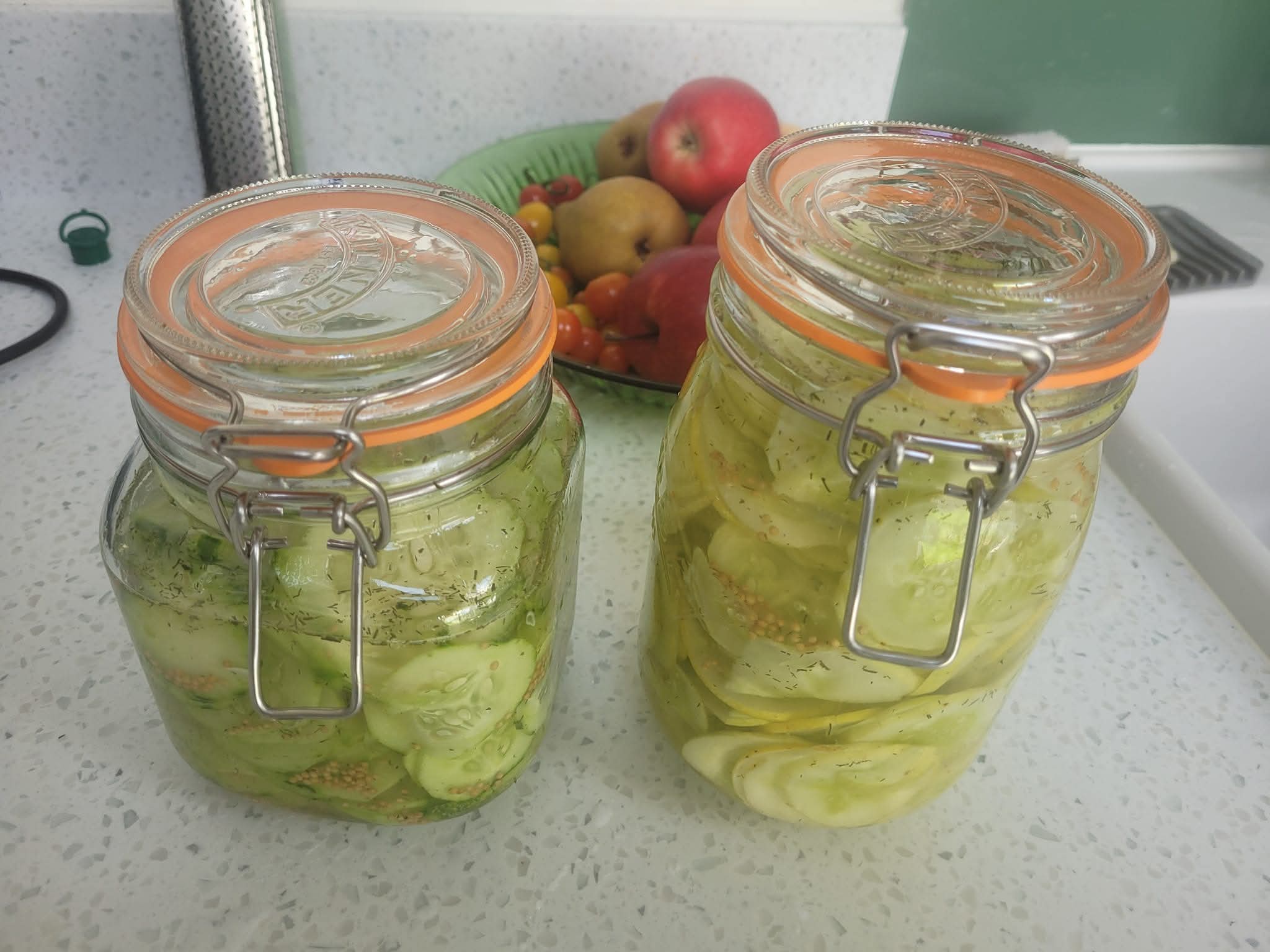
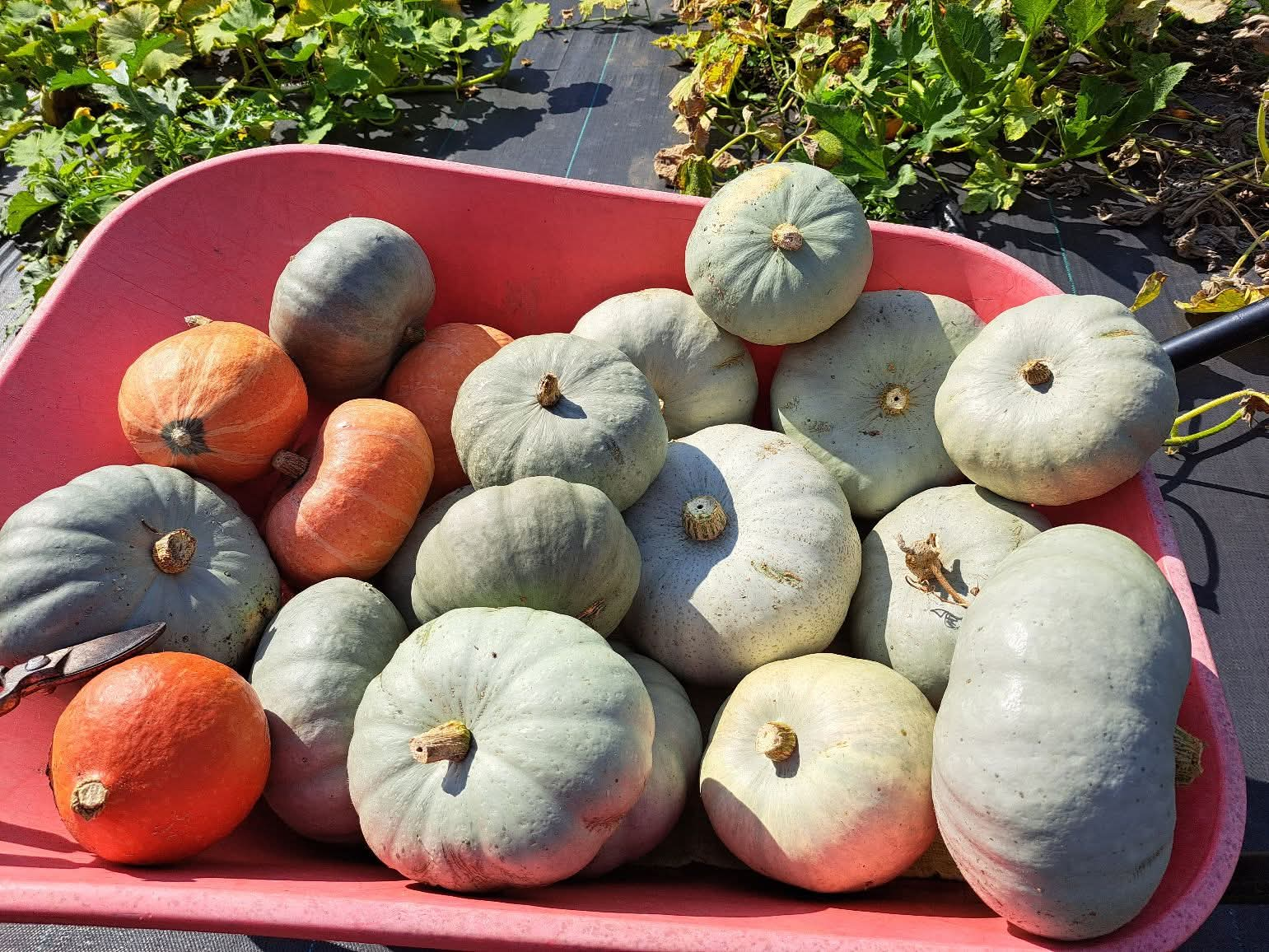
Pickling is a good way to deal with gluts. Winter squashes keep for a long time so gluts are welcome (image by Losang Brunning).
Grow wisely to avoid gluts
As well as only growing what you like eating, you’ll want to avoid gluts. Come midsummer, you could be picking up to 5 courgettes a week from a single plant. But there are recipes that can help with this. Still, maybe don’t plant a row of courgettes. Succession sowing is useful to avoid gluts, as is growing different cultivars, some of which will produce early and others later.
Another good technique is to grow a wide range of things in small quantities, or to sow throughout the season – like salad crops and radishes. Root vegetables and leeks can often stay in the soil until you’re ready to harvest them which means they can be sown or planted in bigger quantities and harvesting spread out over several weeks or months.
Some gluts are better than others – jam making is fun and makes thoughtful planet-friendly Christmas gifts. Who doesn’t enjoy a jar of homegrown and homemade passata in the winter? But ultimately, all the food you’ve grown will need to be harvested and processed so that’s time you need to factor in when you’re planning what and how much to grow.
Plan holidays well
As I said earlier, crops need a lot of attention in the growing season so going away for a week or two in the summer months won’t be as easy with a veg patch or an allotment. If you have to go away when it’s warm, keep your growing plans realistic and achievable or try to find a friend or neighbour who’ll water and harvest for you in exchange for free organic veg (many people can’t resist homegrown courgettes and tomatoes).
If you have a gardening buddy helping you, they’ll probably be OK to look after your crops as they’ll have been involved with the earlier stages like planning, sowing and planting. With clients who are away a lot, I know plant selection is key. You could grow long-season crops like squashes and pumpkins which will need the most attention around planting time but can be left to trail around your garden afterwards. Or borlotti beans which, unlike French beans, are left to mature on the plant and the pods harvested for their dry beans.
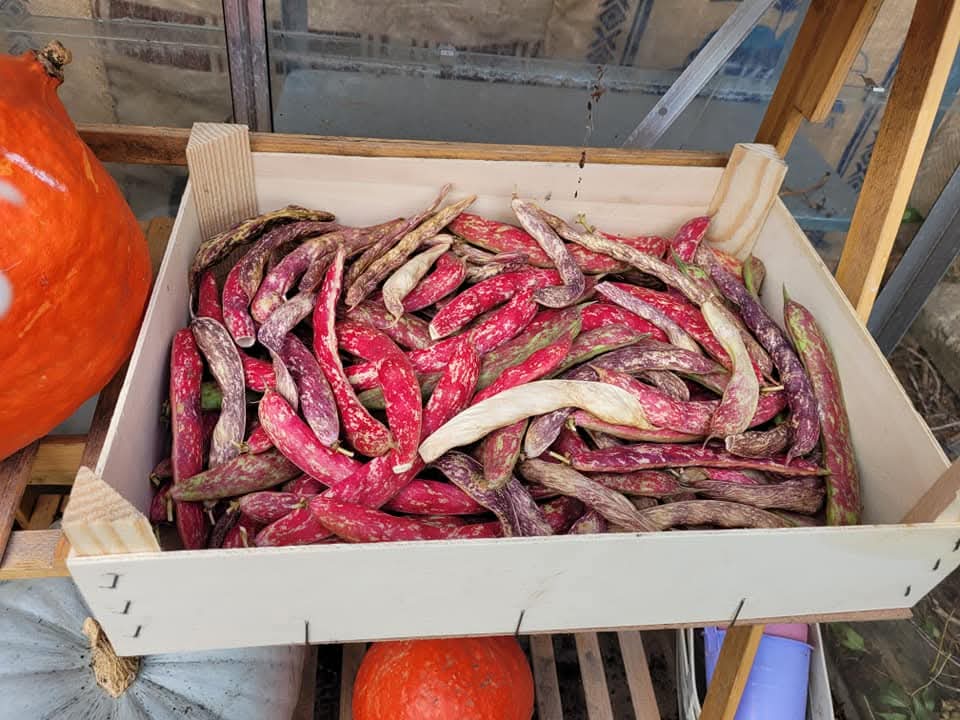
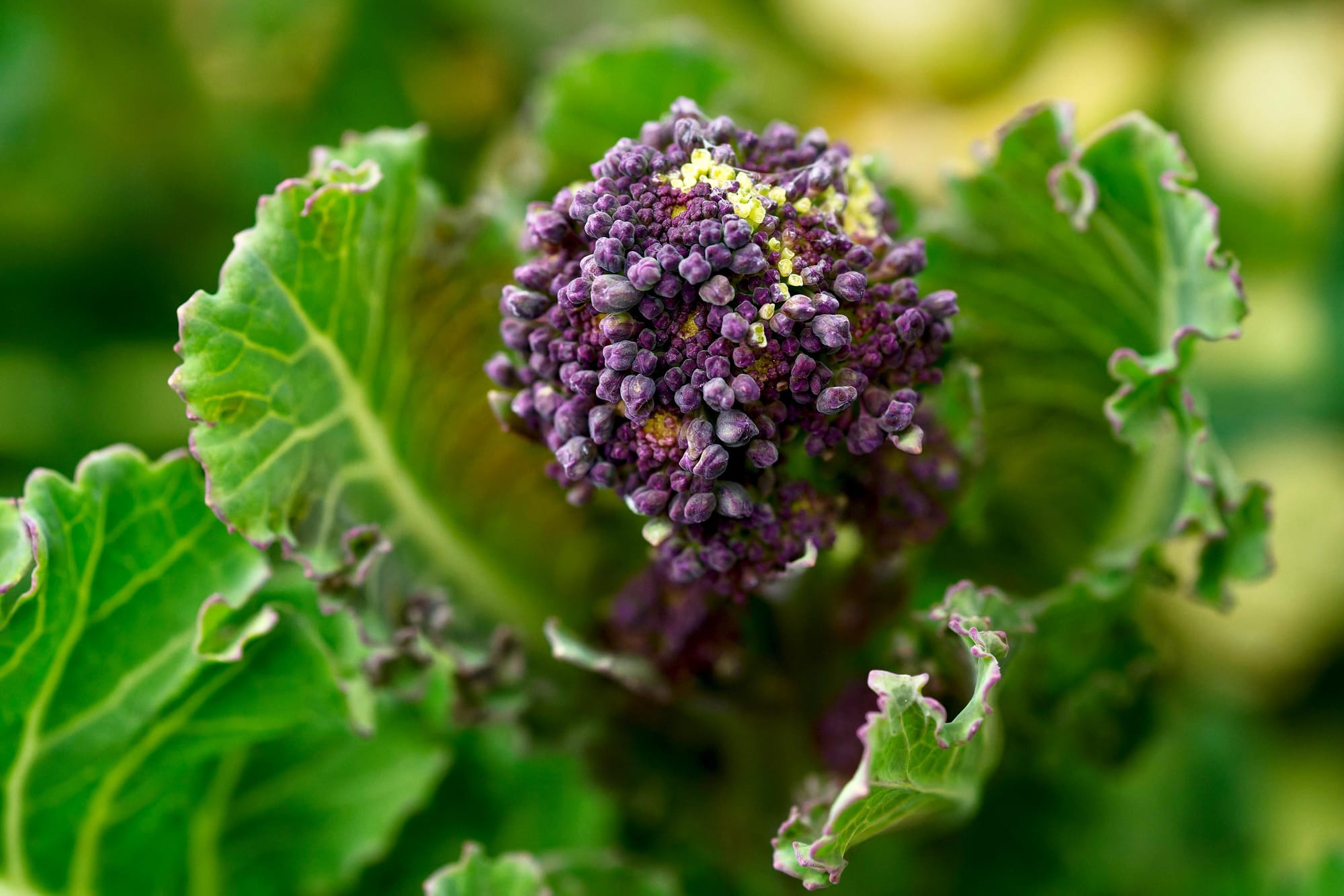
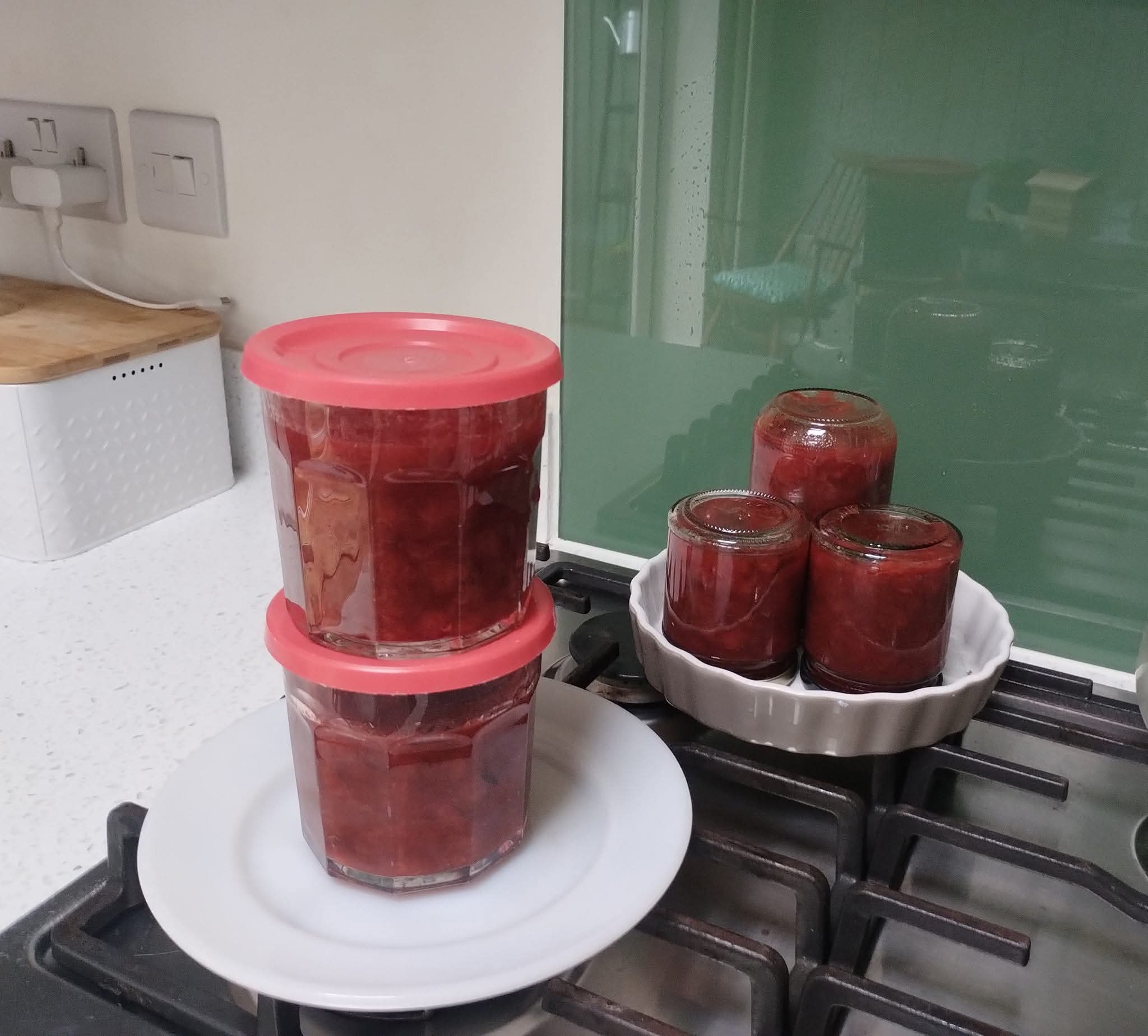
Dried beans, brassica and preserves are useful in the winter. (Purple sprouting broccoli image by Roger Close)
Winter crops will see you through to spring
Picture the height of summer. Sunflowers are big and bright, you’re harvesting huge quantities of summer vegetables and fruit, the days are still quite long, it’s nice and warm (or, for veg growers, too hot and too dry) and you’re begging most people you know (and some you don’t) to take your gluts off your hands. It’s hard to want to plan for January at that time.
The first couple of years I grew my own produce, I had no veg of my own to eat between November and March. Now, I enjoy herbs, lamb’s lettuce, Oriental greens, root veg, winter squashes, leeks and brassica. Plus all the tasty jams from friends, clients and allotment neighbours, and pickled veg. If you want a taste of homegrown in the cold dark months, you’ll need to plan in late summer, which means sowing winter veg at a time when it seriously feels like you’ll never run out of homegrown produce. But the satisfaction you’ll feel when you eat your own produce on a wet grey November day makes it worth every minute of your time.
The best time to start is now
At the time of writing it is February. The sun is starting to emerge, but cold snaps and hard frost can still hit the UK. Always check seed packets for sowing and planting instructions and try and resist sowing/planting at the earliest date possible. To be on the safe side, it’s best to delay seed sowing until late March-early April.
And, if all of this sounds like a lot of faff that may not be for you, the next best thing you can do is to buy local and organic. Find your local market here or take a trip to Oxford City Farm on Saturday mornings, or find a regional farm near you for the freshest, hyper-local produce.
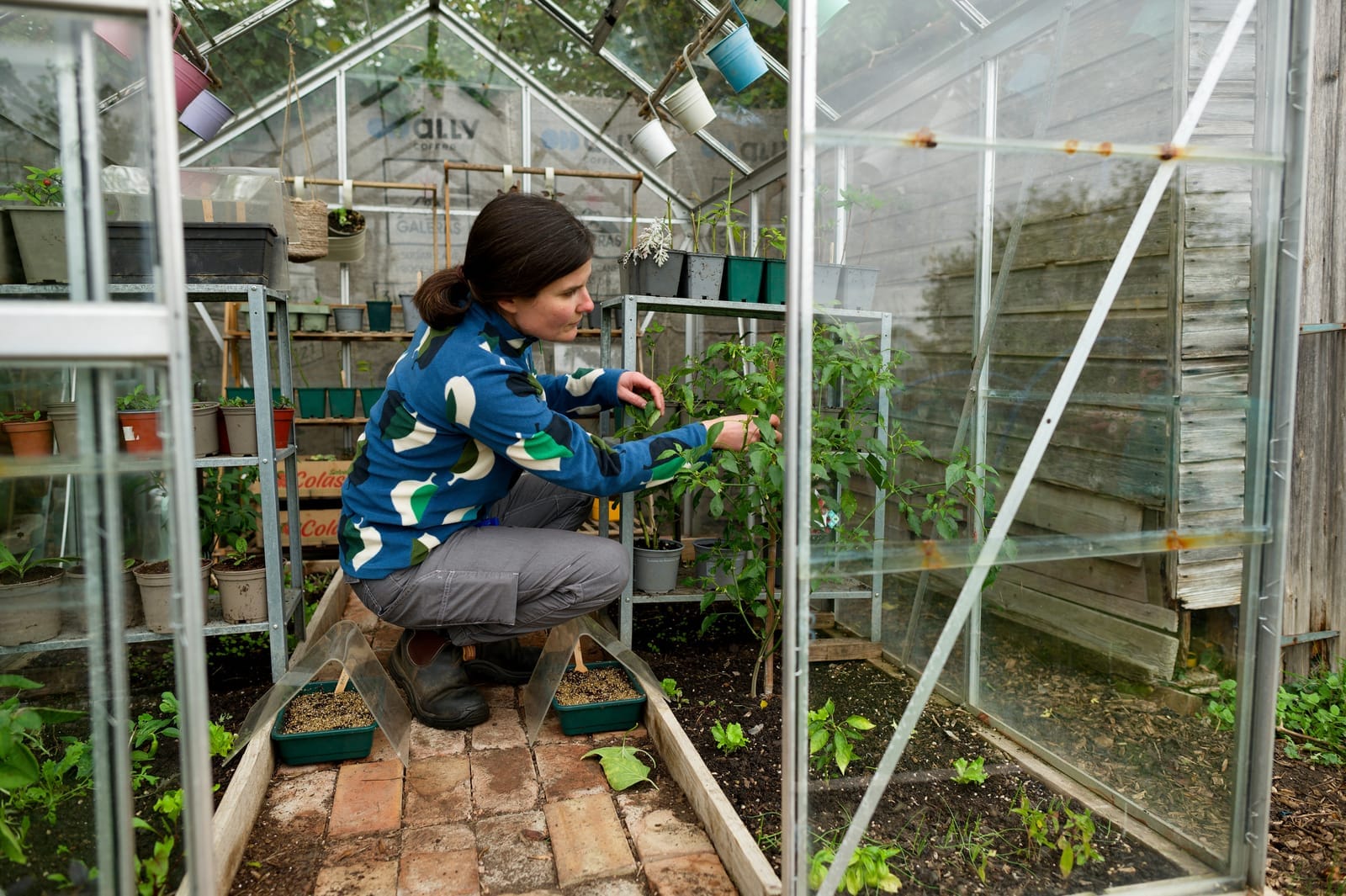
Amandine is an RHS-qualified horticulturist based in Florence Park – her services include garden coaching, gardening classes/workshops and plant sales. She also runs Oxford Gardening Club, a group for Oxford gardeners that meets at Flo’s twice a month. She posts plant recommendations and gardening tips on her Facebook page (Amandine – Oxford Garden Coach) and can be contacted on amandine.oxfordgardencoach@gmail.com.