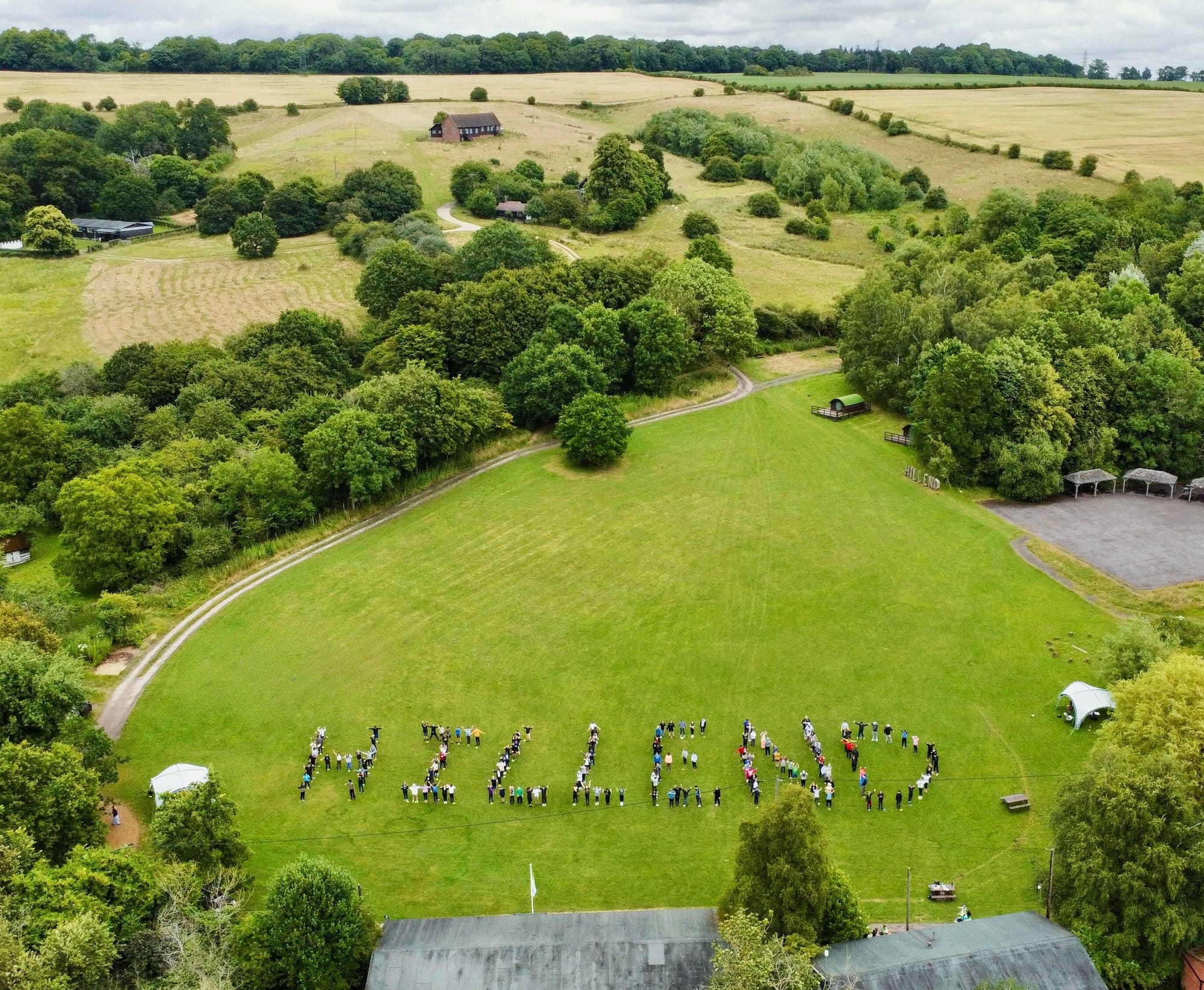
A century of muddy boots: Hill End celebrates 100 years

One of Oxford’s favourite outdoor education spaces is blowing out one hundred candles this year.
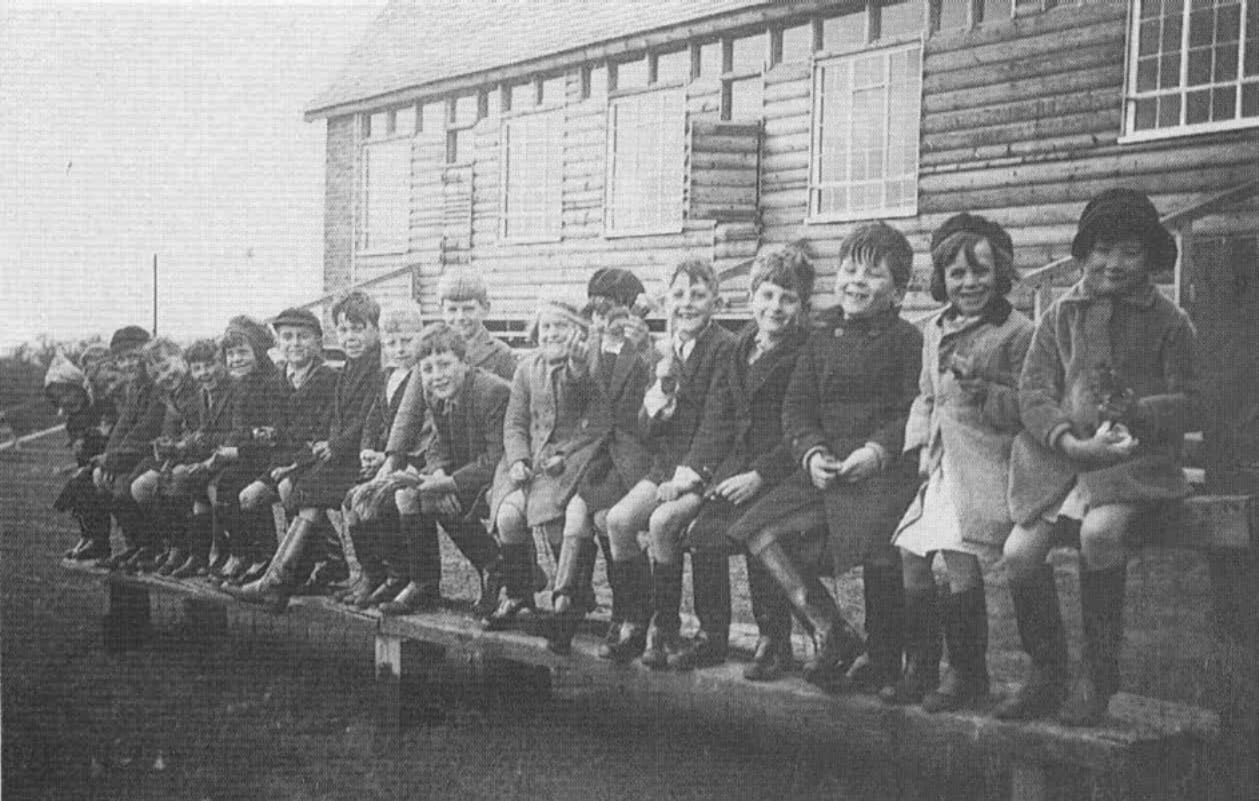
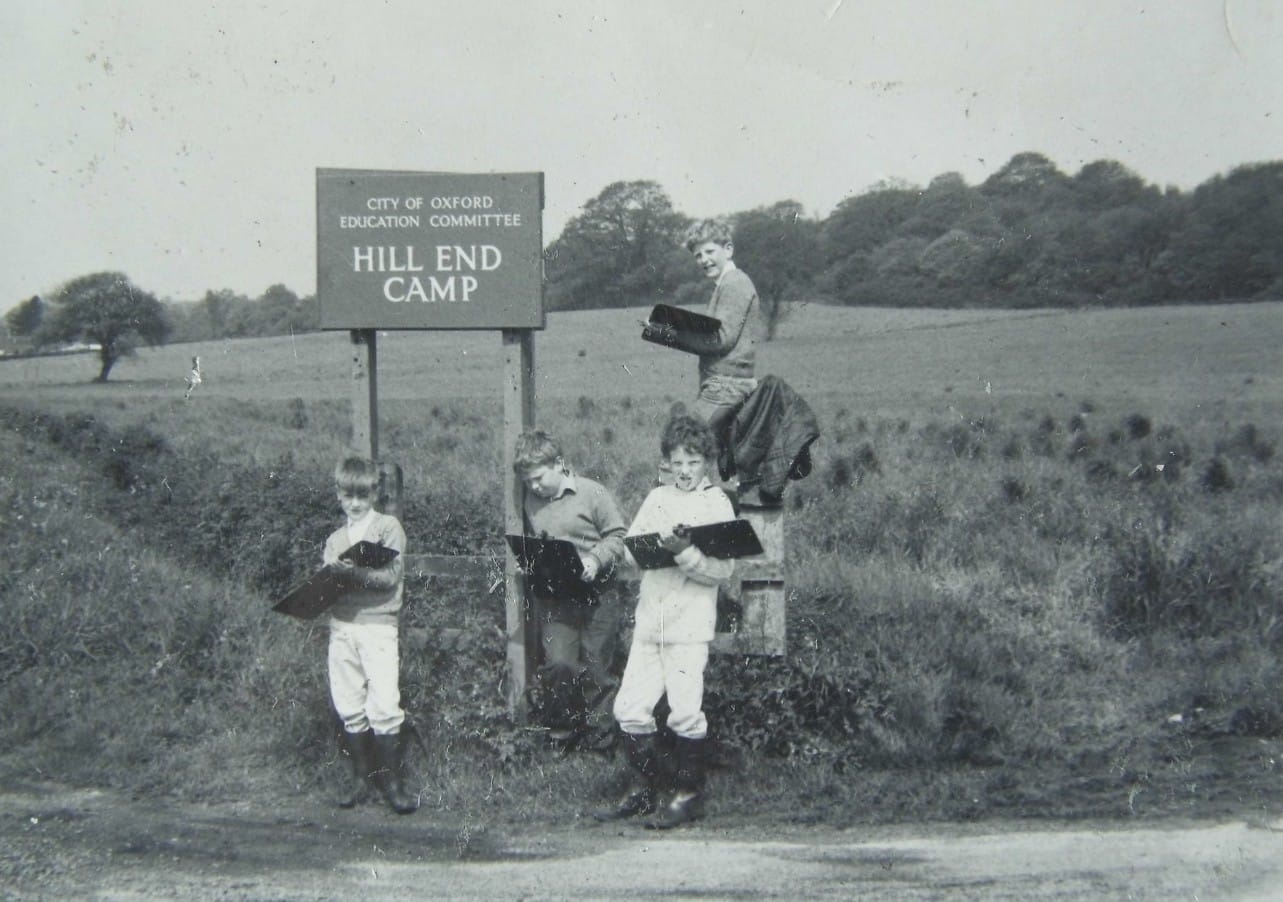
Hill End in its early days.
Since 1926, the Hill End Centre has welcomed an estimated one million visitors to its 67-acre site just four miles from the city centre, running outdoor activities that connect people with nature. The centre was converted from a farm to an open air school, designed to provide urban children with access to the countryside. Pathé has this beautiful vintage footage of Hill End from 1939, while the video below tells us more about the centre's beginnings.
Hill End was established by the philanthropic ffennell family at a time when social pioneers were greatly interested in outdoor education, with ventures like the Kibbo Kift, the Youth Hostel Association, the Woodcraft Folk and of course Baden-Powell’s Scouts. Educationalist Rudolf Steiner, who believed in educating the ‘whole child’, came to deliver his message to Oxford in 1922. Hill End’s historians believe it was then that Raymond ffennell became determined to establish an outdoor centre for poorer local children.
The site has evolved over time. In the 1930s, it featured wooden dormitories and a swimming pool. During the Second World War, it acquired a bomb crater that remains a fascinating feature for visiting school groups. In the 1950s, it was donated to Oxford University in memory of Hazel ffennell, later becoming an independent charitable trust. Now, it has a large barn, meeting rooms, commercial kitchens and quirky buildings. It also has dedicated camping fields, which have, in the past, been used by events like Tandem Festival. Hill End continues to be a firm favourite for school groups, with its range of educational programmes.
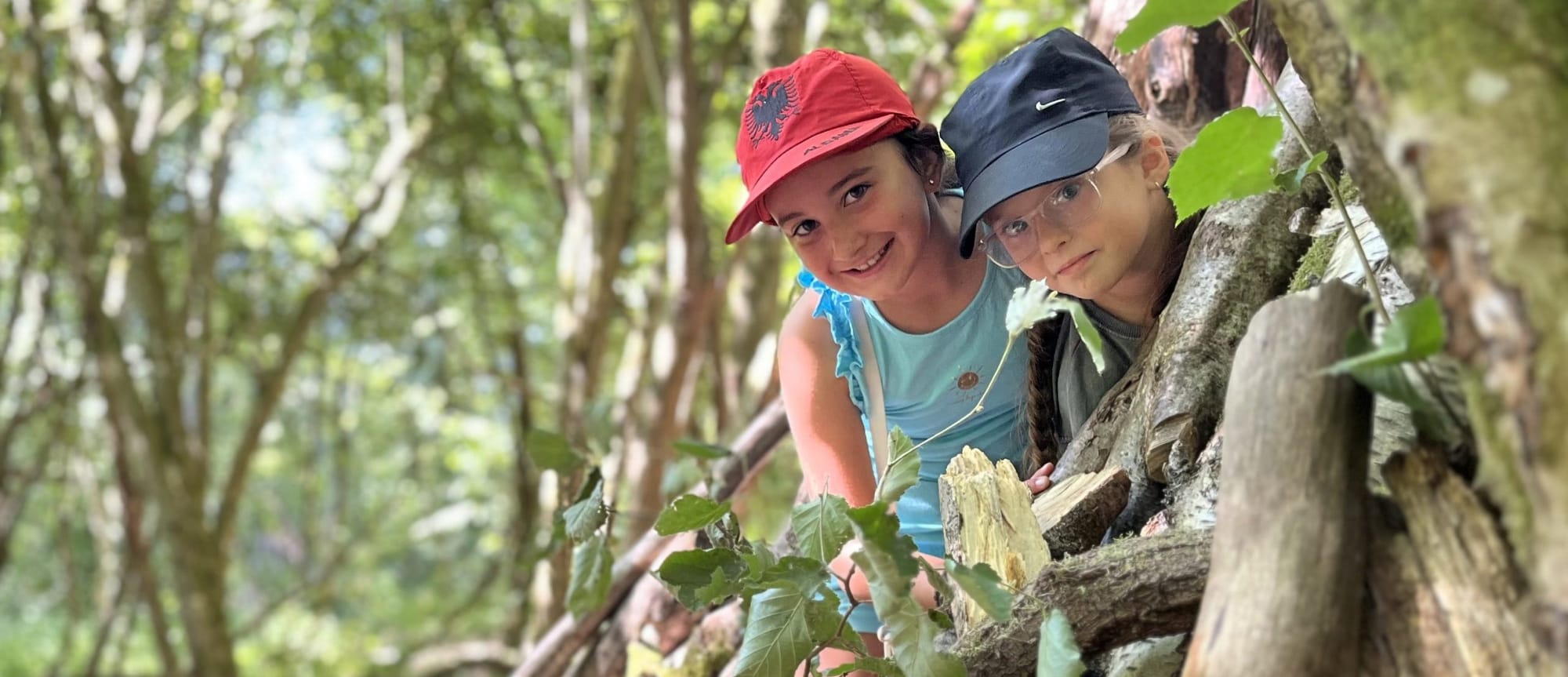
Until 2017, Hill End was run by Oxfordshire County Council. Today it is an independent charity without regular funding, relying on the community to maintain its mission of immersive, nature-based education. Centre Director Lucy Crittenden noted that the centre’s centenary is a call to action for volunteers and donors to ensure the next century is equally impactful. She writes:
“What has changed in the landscape of Hill End? Not a great deal is the honest answer, despite the tarmac car park and Wi-Fi routers. The ffennells would certainly recognise most of our surroundings today. The classrooms and barn are as much as they have been for generations, and the gigantic cooking pots are still used to feed hundreds of hungry children. Our wooden dormitories that sit proudly on the hillside no longer leak in the rain but are certainly basic, with outdoor shower and toilet blocks. The 1930s swimming pool was too costly to maintain, but the loss of the cold water plunge is not mourned by everyone. The trees have grown in the farmland to create more wooded corners. Hill End is still as beautiful and peaceful as ever. But we need to make our own way, supported by our visitors and the tireless volunteers who supplement our tiny core team.”
To mark its centenary milestone, Hill End is launching a year-long programme of festivities, including nature walks, bushcraft sessions, and the return of the ffennell festival on Saturday, 6 June. Locals are being encouraged to contribute to a new ‘Memory Bank’ or participate in the competition to design a special centenary logo. There is also a major push to fund the renovation of the iconic 1930s High Dormitory, ensuring that this hilltop haven continues to provide fresh air and inspiration for the next million explorers.