A primer on South Asian mangoes: a very opinionated guide
We thank our brand new mango correspondent for writing the primer on East Oxford's (not so) hidden seasonal fruit that we never knew we needed. We’ll be in the Cowley Road food shops if anyone needs us…
Oxford has many signs of the beginning of spring: the daffodils and tulips in University Parks bursting into bloom seemingly overnight, the swifts returning, and hordes of people getting up at 5am to hear angel-voiced children sing from the top of a tower.
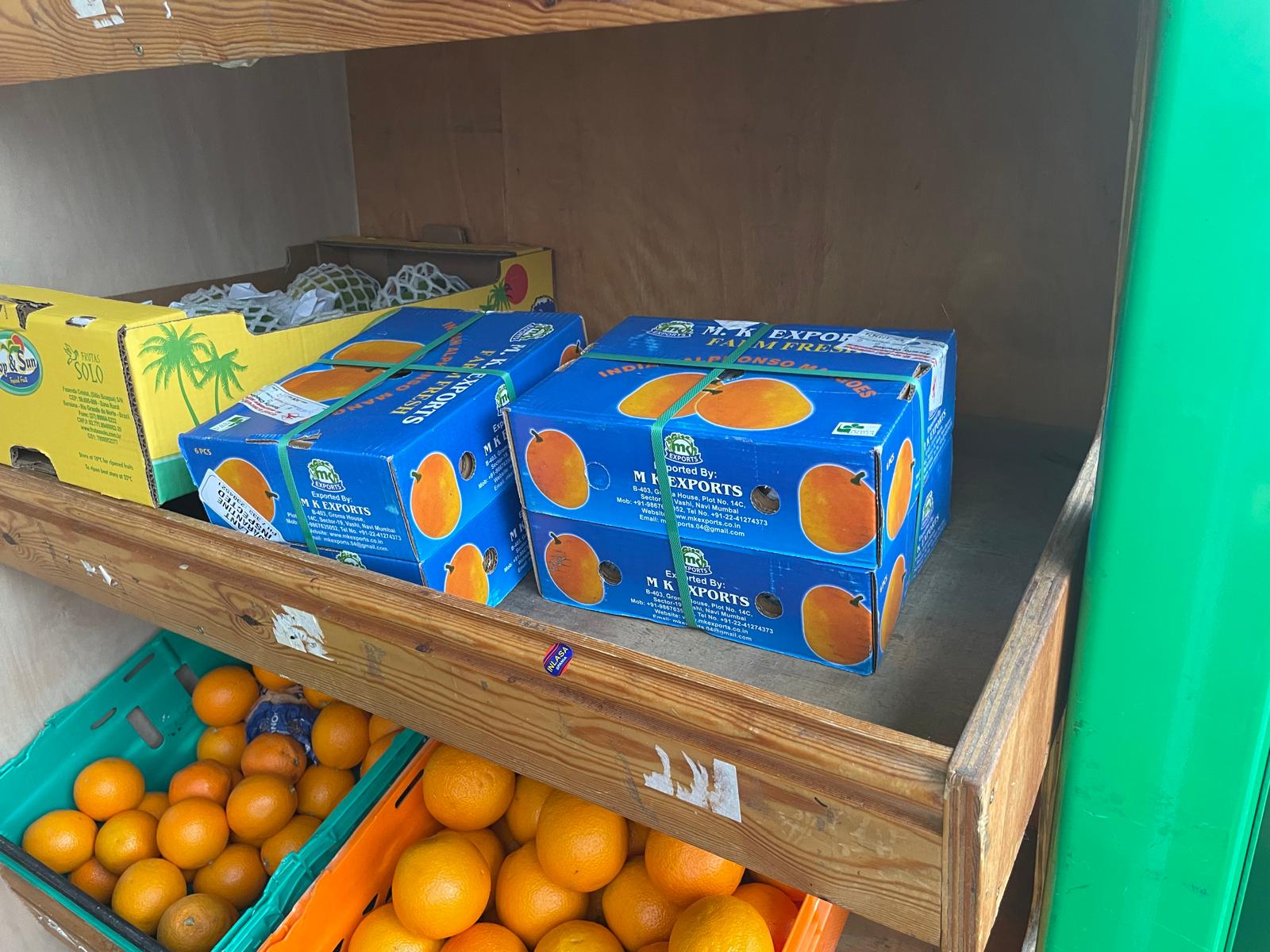
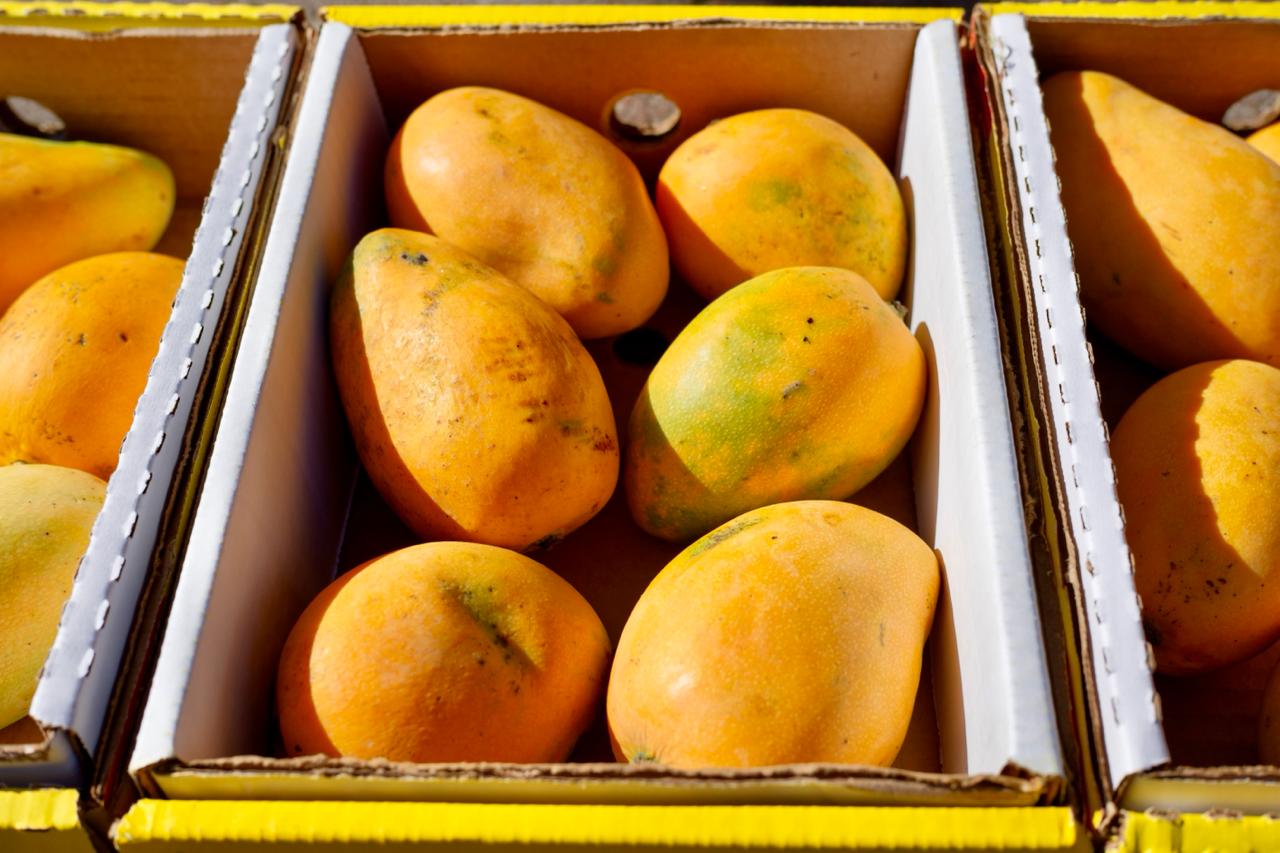
But if you live east of Magdalen Bridge, there is only one certain sign of spring – the return of boxes of confetti-sprinkled mangoes to Cowley Road’s many South Asian shops.
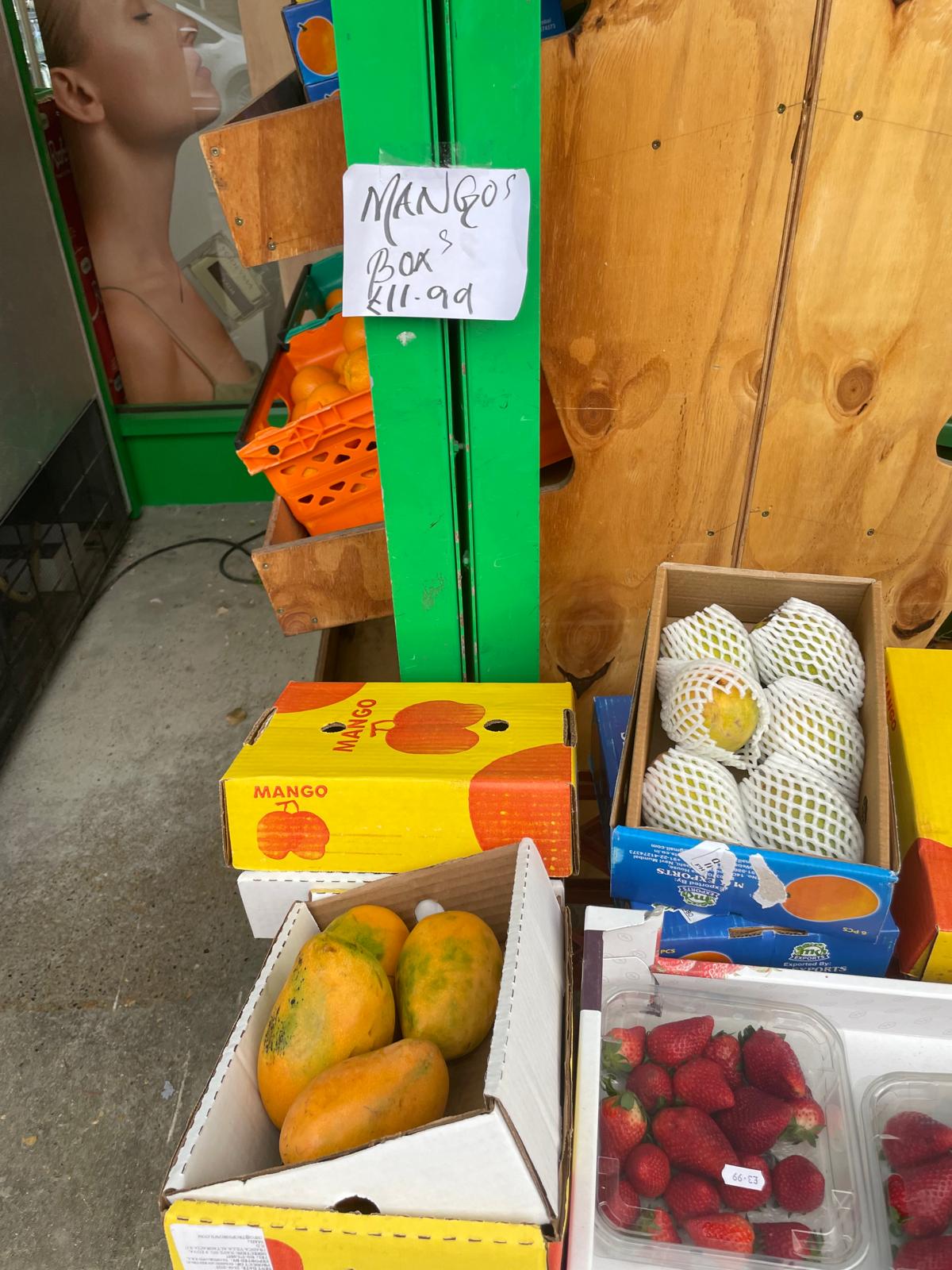
They are in the shops only for a short time, you can usually buy them only by the box, and they’re expensive, often more than a pound per mango. They also clock up a lot of airmiles. But if you’ve only ever had also airmile-heavy supermarket mangoes, South Asian mangoes are a revelation – sweet, of course, but also so fragrant that some varieties taste almost perfumed. (Indeed, this can put some people off. These people have no taste.)
There are strong opinions on favourite varieties. The American comedian Hari Kondabulu’s set on Indian people’s love of mangoes is an exaggeration, but only slightly.
If you are the kind of person who has a favourite apple variety, you really should have a favourite mango variety too (there are over a hundred). The mango season runs from about now to August, and when they’re gone, they’re gone.
So without further ado, here is an Oxford guide to South Asian mangoes, and where to buy them.
Varieties you can buy in Oxford
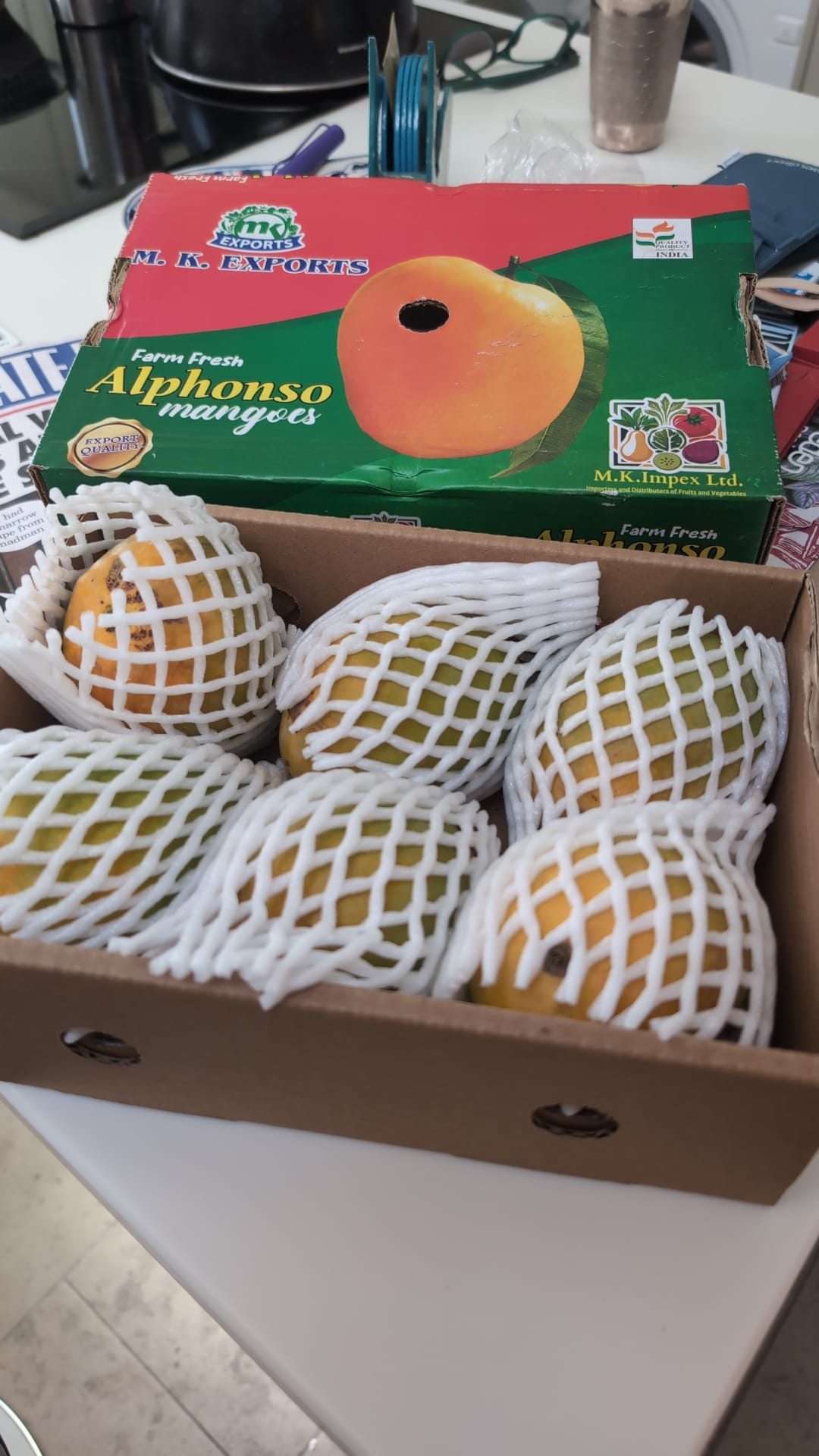
Alphonsos/Alfonsos. Also known as Hapuz/Hapus. Most mango varieties have multiple names, which can be a bit confusing, but Alphonso mangoes were a frequently named favourite in the very informal and non-scientific poll we ran. They are firm but creamy, don’t have much fibre at all, and are, dare we say, a bit basic.
Since they’re now so famous, they’re also expensive, even by generous mango standards. But bonus points for interesting history – they’re named after Afonso de Albuquerque, viceroy to Portuguese India, and were originally grown by Jesuit missionaries in Goa.
Kesari. Also known as Saffron mangoes, because of their really yellow flesh (‘kesar’ is Hindi/Urdu for saffron). For our money (and they cost a lot), this is the best mango to be had in Oxford: really perfumed, very sweet, and like most South Asian mangoes, completely fibre free. Makes a revelatory lassi/milk-shake/ice-cream.
Chausa/Chunsa. Hugely under-rated we think, often cheaper than other types.
Badami. Possibly the most strongly perfumed mango that you can easily get in Oxford. If you don’t like the taste of rosewater or lavender in your food, these might not be for you, but they’re worth trying, not least because they’re supposed to taste similar to the more expensive Alphonsos.
Honey mangoes. As far as we can figure out, this one is like potluck South Asian mangoes: friends of the Clarion have bought boxes of Honey mangoes that have contained Kesari, Chausa, the large and pale Sindhri and occasionally, our favourite mango of all, the perfumed Langra (swoon).
Sample conversation with a Cowley Road shopkeeper about a box of Honey Mangoes: “Honey mango? Iska Matlab Kya (what does that mean)?” The response was a smile and the suggestion that it means you get home and announce “Honey, mangoes!” An excellent suggestion which we urge our readers to follow.
Bonus mango. Unripe green mangos. For most North Indians/Pakistanis, the words ‘mango chutney’ conjure up something quite different from the jam-like concoction served at restaurants to dip your poppadums into: green mango chutney is tart, bright green, and chilli-hot, and you make it by whizzing together a peeled green mango, lots of coriander leaf, a chilli or two, and salt. The palm-sized green mangoes, available only in season, contribute a tartness and body that’s hard to substitute fully.
Bonus bonus mango. Tinned mango purée. Alas, usually sold sweetened, but also usually made of actual Alphonsos. Good for scratching the mango itch out of season, perhaps cooked into a mango kheer.
Bonus bonus bonus mango: Tommy Atkins is a very passable South American mango often available in supermarkets. Far superior to Tommy Robinson.
To avoid us being inundated with angry letters from our South Asian readers/general mango lovers, we should emphasise that this is a very, very small snapshot of the very many mango varieties – we’ve just listed the ones that we’ve been able to buy reliably in Oxford.
Which brings us neatly to:
Where to buy mangoes in Oxford
There are lots of places along Cowley Road, and elsewhere in East Oxford, to buy mangoes in season, and at least two in Headington: if you spot mangoes in boxes outside a fruit/veg shop, take a punt and buy it. Here are some of our favourites.
Continental Stores, 152 Cowley Road: perhaps the oldest South Asian shop in Oxford, and still going strong. The mango boxes are kept behind the till like the treasure they are – ask the shopkeeper what variety he’s got.
Tahmid Stores, 53 Cowley Road: the nearest thing to a South Asian supermarket in Oxford. Also reliably sells green mangoes, as well all the makings for a green mango chutney (giant bunches of coriander, chillies).
Headington Food and Wine, 121 London Road, Headington: much more than food and wine, this is a treasure trove of mostly South Indian fresh and prepared food and spices. South Indian food is quite distinct from Pakistani/North Indian food, and Headington Food and Wine stocks a lot of otherwise hard to get South Indian varieties like Badami. If you are an East Oxford native, it's genuinely worth going up the hill for their mangoes as well as their two-bite, very sweet tiny bananas.
How to eat a mango
Chill like champagne – dunk and leave in cool/cold water for a while before eating, but don’t refrigerate. Slice down each ‘cheek’ either side of the big hard seed (the pit) in the middle, then dig into the cheeks with a teaspoon: in our opinion, this is the best method. Or slice each cheek into strips. No need to peel.
You will have a bit of mango left over around the mango pit. You can try slicing this off, but the best way to eat this is to abandon all politeness and eat it like barbecue ribs, tearing the mango flesh off the pit with your teeth. You may want to do this while standing over the sink.
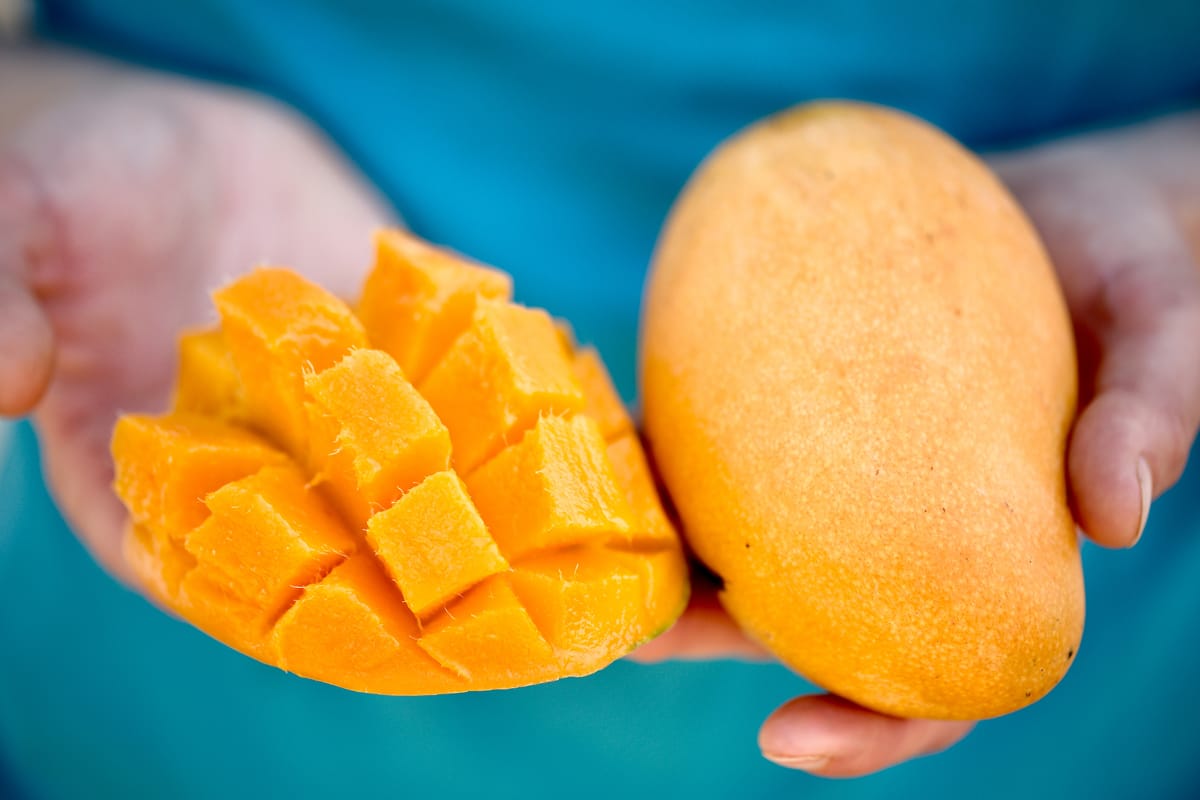
If you want to be fancy, hedgehog it. Cut off the ‘cheeks’ as above, then make 3 parallel cuts horizontally and vertically, but not all the way through the skin. Then flip and push the skin to make a ‘hedgehog’, then cut off the cubes now standing proud from the skin. (See the header photo for an example.)
They are much too nice to cook with: eat them as is, or whizz up into lassis/milkshakes/ice-creams if you must. Cook with the tinned pulp!