
An orchid orchestra – bringing back Oxfordshire’s flowers
Pandas are the poster child for endangered species, with their picky diet of bamboo and their habitat being lost, but a species nearly as as exotic and threatened lives right here in Oxfordshire.
It’s just that it’s the plant kind. Oxfordshire’s conservationists are quietly holding the line for Britain’s rarest orchids.
Like pandas, orchids need a specific habitat to thrive. “Orchids are extremely sensitive to soil conditions and land management, and they also rely on very specific mycorrhizal fungi,” explains Sue Martin‑Downhill from the Trust for Oxfordshire’s Environment. “Re‑establishing them is rather like baking a cake: every ingredient has to be correct, and timing is crucial.”
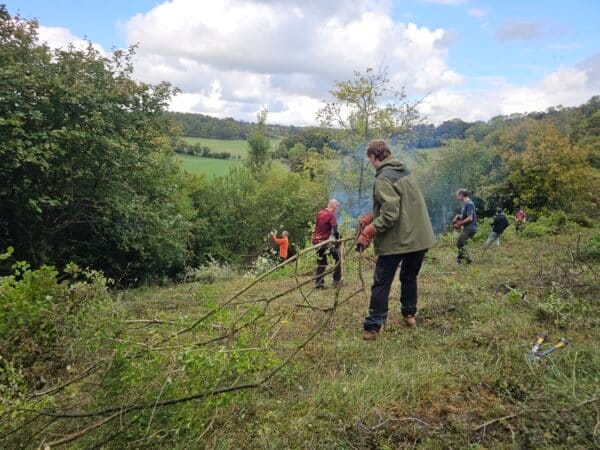
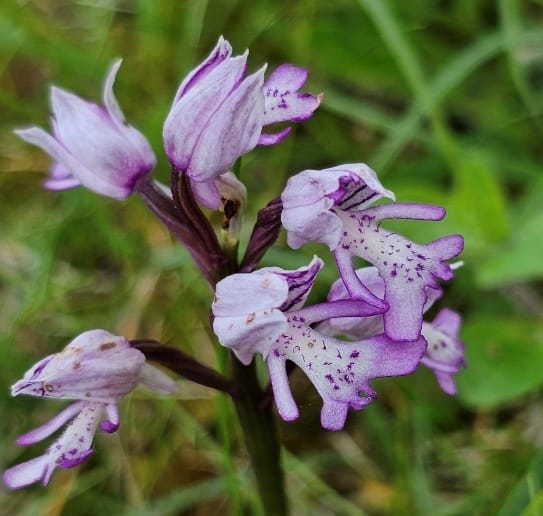
Local conservationists and specialist botanists in Oxfordshire are providing some of these ingredients: opening up woodland canopies to let in light, carefully managing grazing from deer and rabbits, and sometimes, pollinating plants by hand to make more orchid babies (aka seeds) for rare ‘military’ orchids. (They’re called that because the flower apparently looks like a military helmet, though we admit we can’t see the resemblance ourselves.)
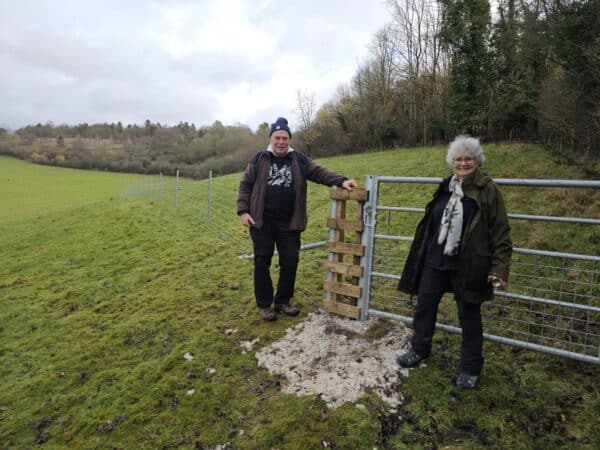
In the most vulnerable sites, conservationists have installed low-key fencing to prevent damage at critical stages of the orchid’s growth.
Trust for Oxfordshire’s Environment is supporting the project because some orchid populations are now very small, and grow only in handful of places in the UK. Their long-term survival depends on careful intervention, including collaboration with local landowners. They need expert intervention as well as careful protection – another reason for the disappearance of some orchid species is people picking them.
“The work illustrates how relatively modest, well‑targeted grants combined with long‑term land management can make a decisive difference for species on the brink, and how local action in Oxfordshire is contributing to national efforts to halt biodiversity loss,” says Sue Martin-Downhill. “We’re hopeful that our volunteer and specialist work means that orchids can continue to thrive in Oxfordshire for many years to come.”
All photos from the Trust for Oxfordshire's Environment: you can find out more about their work restoring biodiversity in Oxfordshire and donate to them on their website.