
Can Oxfordshire change the future of social media?
Social media is a fixture in many of our lives. Its use and its impact have been polarising.
It can be used to find a lost cat or new skincare regime, or learn how to clean a dirty kitchen, or even, dare we say it, to find out about the latest local news. But it can also be a dark part of the internet. Our corner of the world is no exception.
One Oxford councillor, David Henwood, has been censured by Oxford City Council for his misuse of social media to "harass and bully" a fellow councillor, Trish Elphinstone. Across Facebook community groups such as ‘Littlemore Live’ and ‘Blackbird Leys with Free Speech’, you can find incitements to 'dispatch' local councillors, memes bearing accusation of being traitors and assorted insults. Who would be a councillor when you get this?

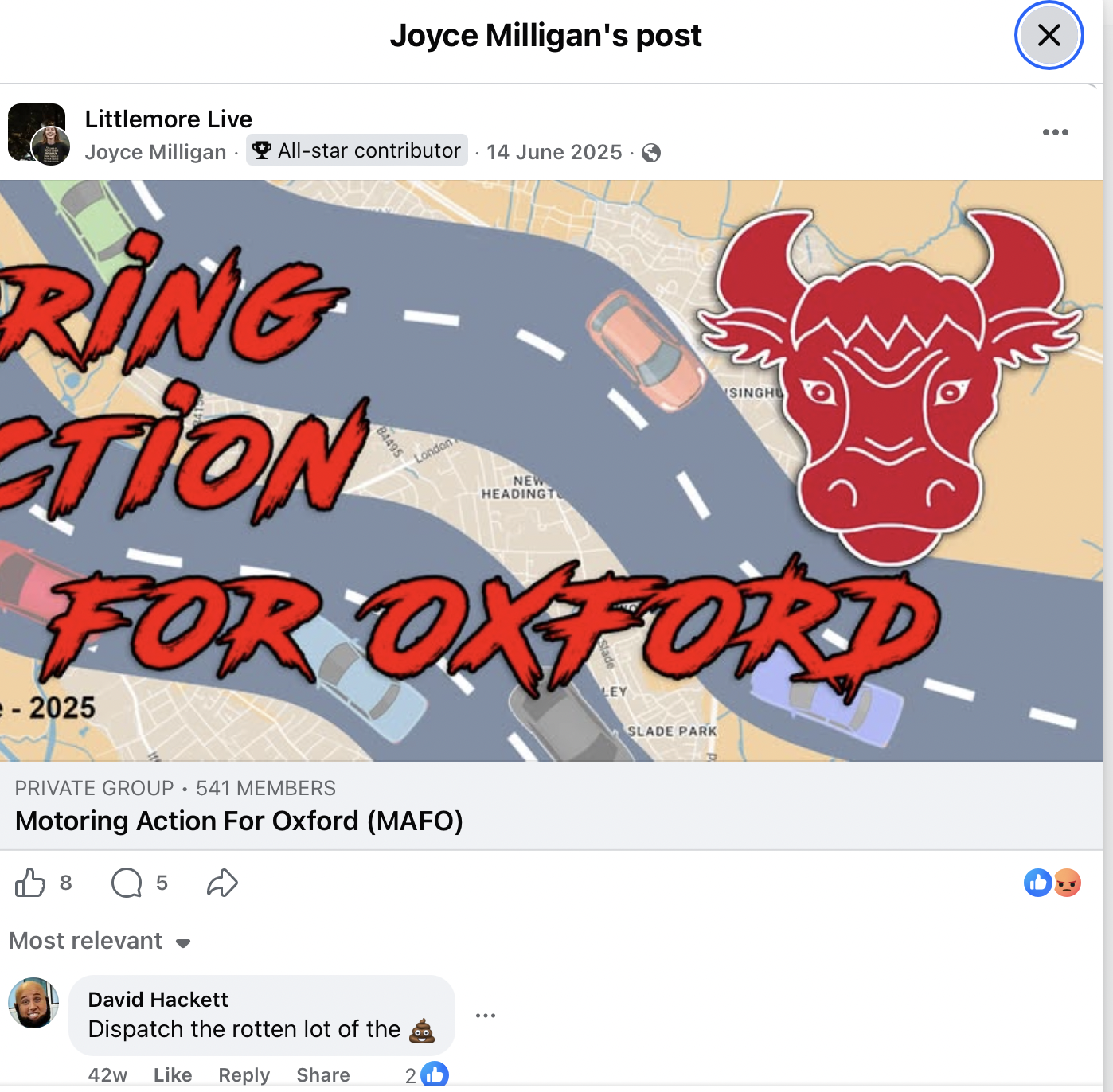
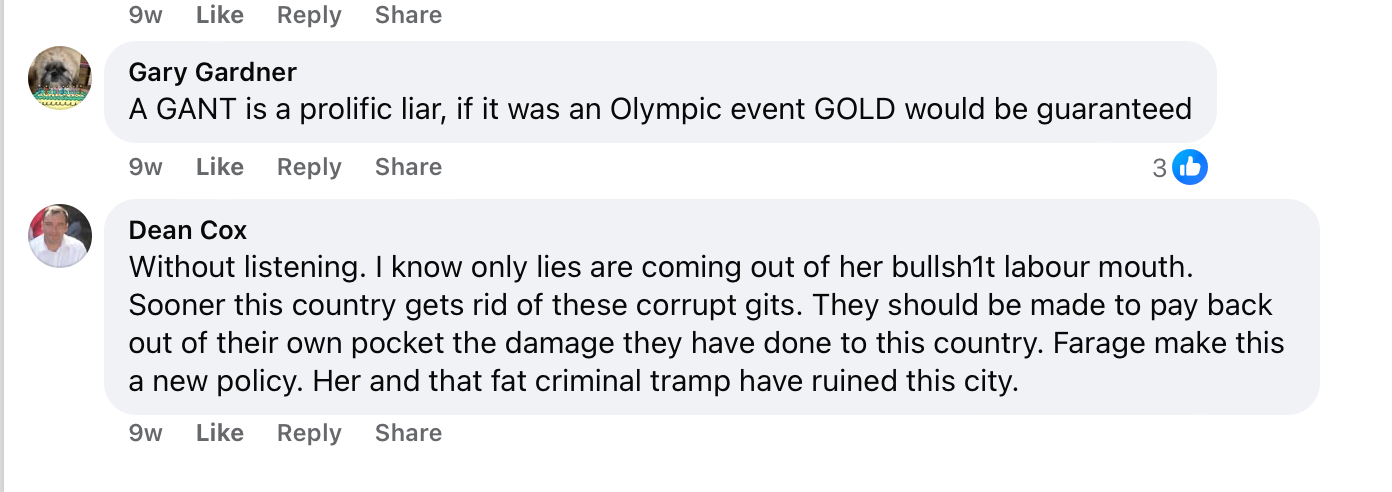
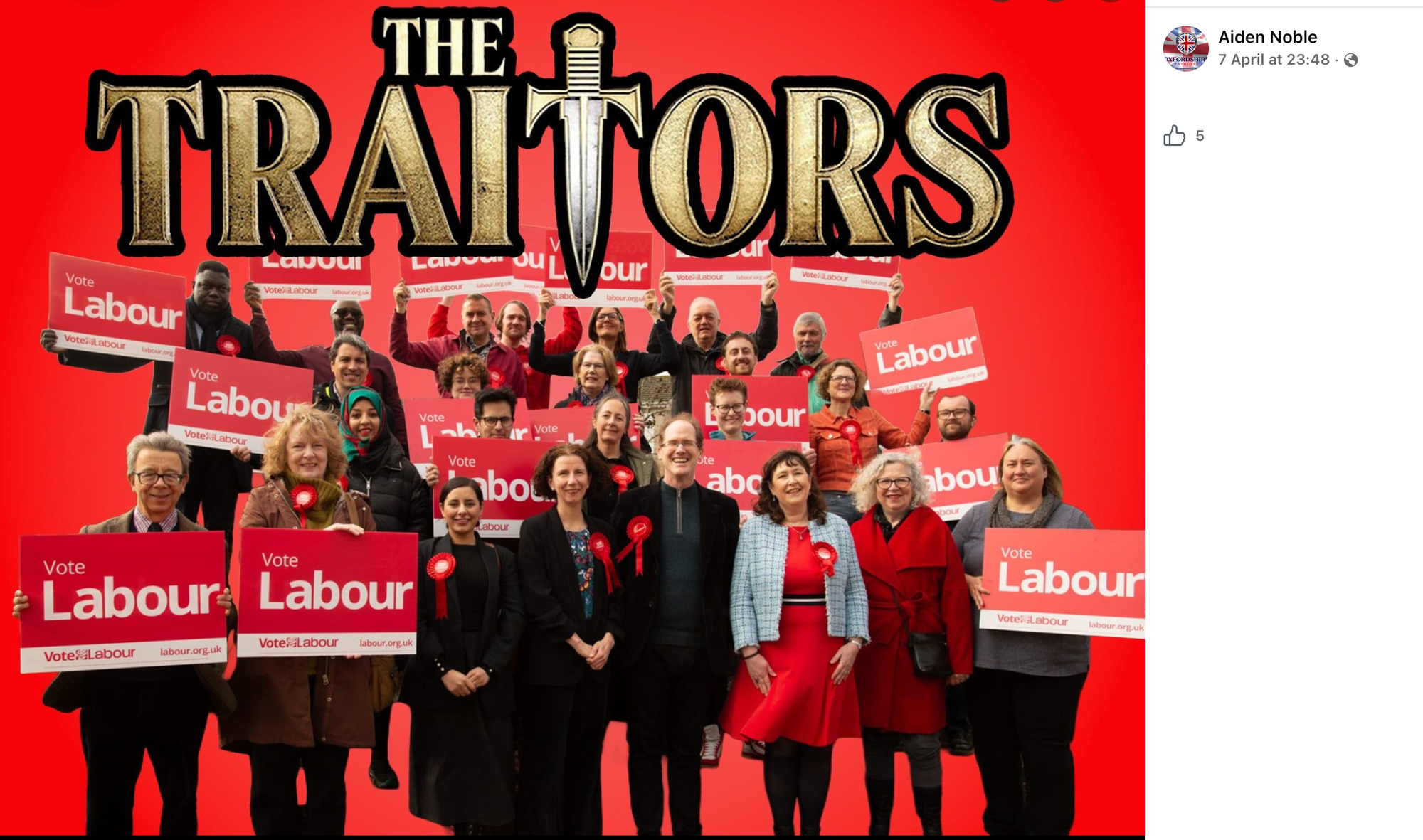
Screenshots from Oxfordshire social media Facebook groups.
The phenomenon whereby angry/shouty commenters predominate, whilst more restrained ones keep quiet or leave, now has a name: Gresham's Law of Social Media (a take on Gresham's Law of economics).
Why do we keep consuming this content?
Social media is addictive. One study finds an addiction rate of 18% among university students. Understanding why it is addictive is harder. A 2021 study cites eight categories of explanation: among them are "social gratification" (e.g. keeping relationships, building interactions, getting social support) and "sociopsychological needs" (the need to belong and the need for relatedness). Neurobiology features highly.
Surprisingly, there is some evidence that we Brits are tapering our use of social media. Only half of adult social media users now actively post, share or comment – down from 61% in 2024. (The rest use social media more passively.) But we are also using social media to replace traditional news. 22% of working-class households reject 'mainstream' news sources entirely, twice the rate among middle and upper-middle-class households.
What is it doing to children?
Social media addiction isn’t simply a harmless time-sink. For children in particular, evidence is surfacing that their social media use is correlated with emotional and psychological ill-health – though causal mechanisms are much disputed.
Taking a precautionary approach, in December the Australian government enacted the world's first social media ban (for under-16s). Greece has announced a social media ban for under-15s, to come into effect in January 2027. Now Westminster is also grappling with the issue. Earlier this year, the government launched a consultation on a social media ban for under-16s. The consultation closes on May 26.
But does social media have to be harmful? Could kinder, more respectful platforms thrive in a space where people are wearying of ragebait and dark patterns? Three Oxfordshire startups think they could.
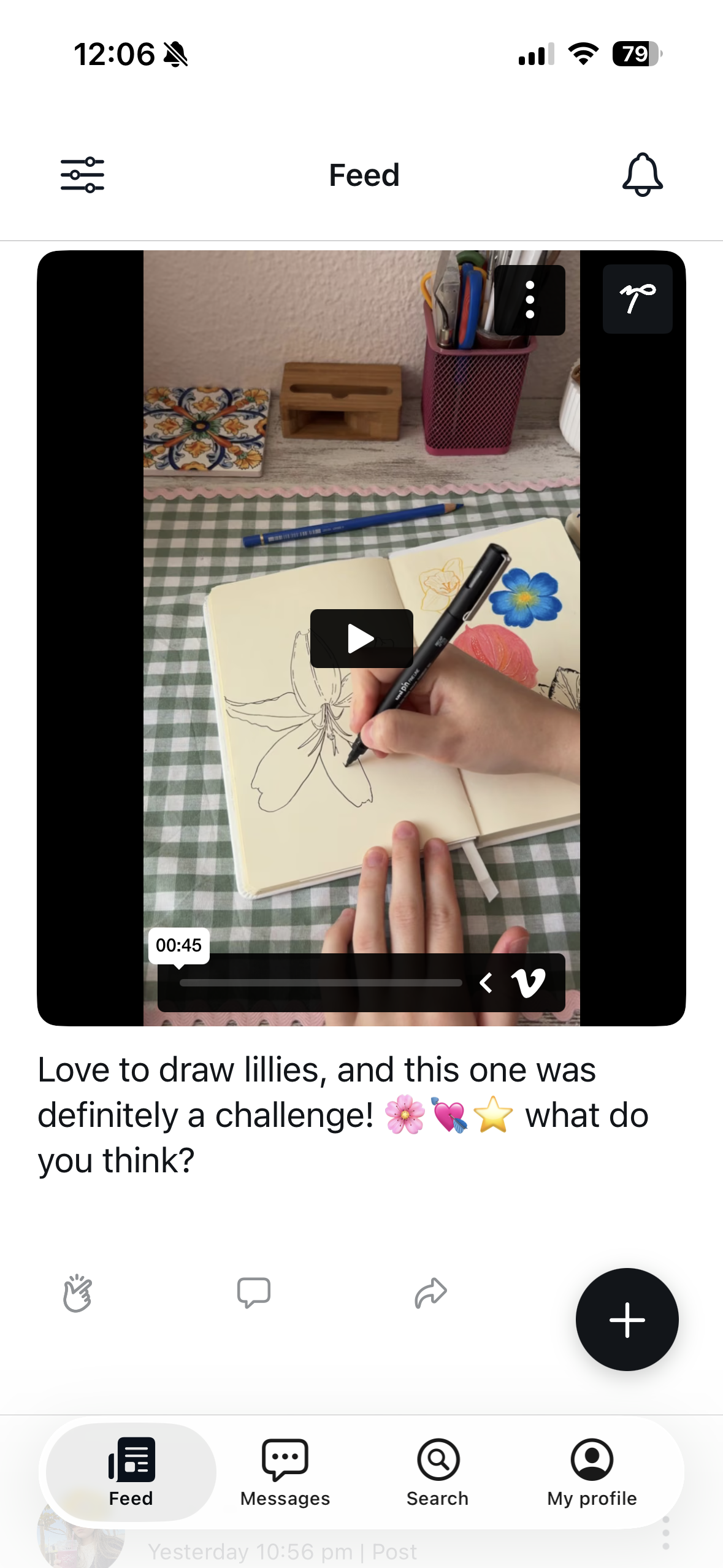
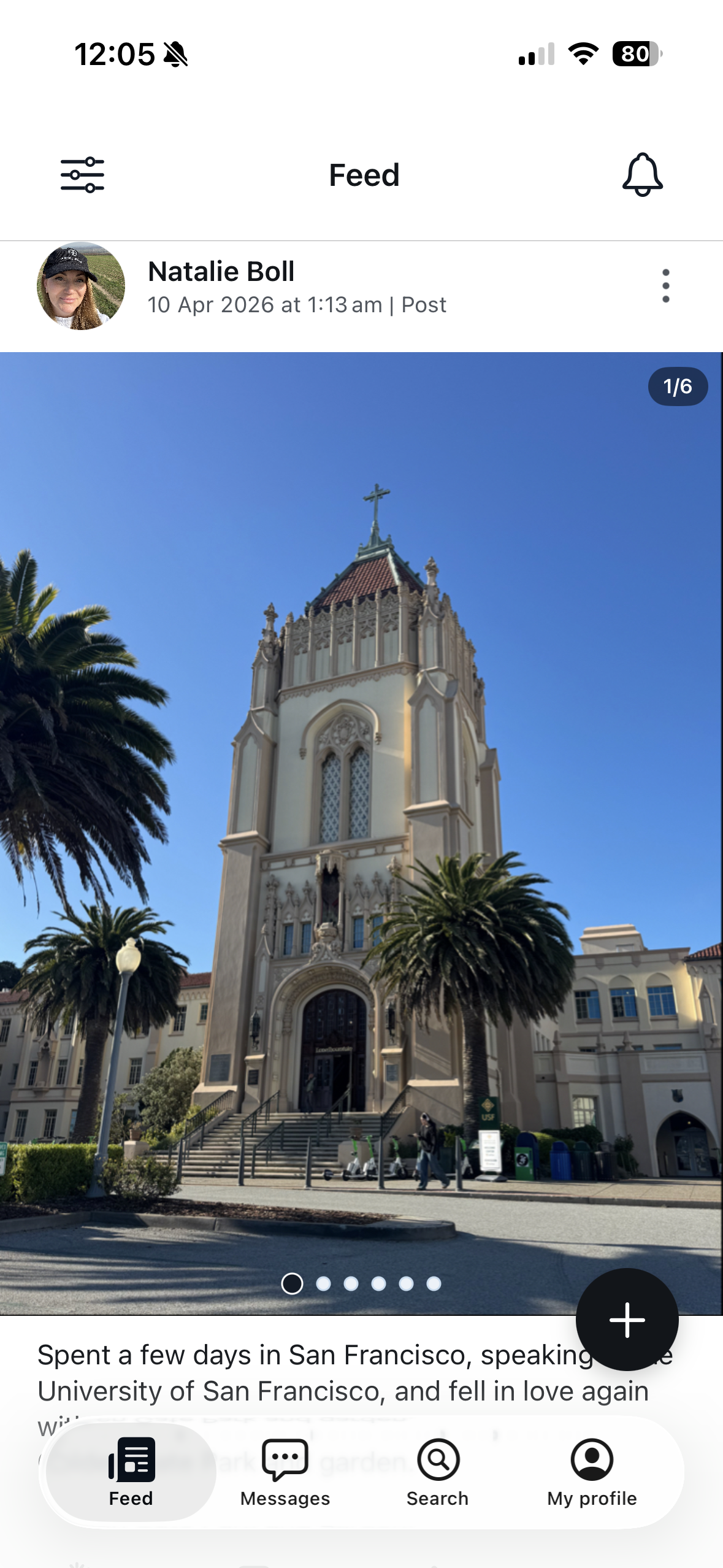
Tribela: A wholesome Facebook?
Imagine Facebook, where the users agree to be kind, the proprietor agrees not to harvest your data, and there’s no incentives for the clickbait and ragebait that keeps you – angrily – on the site. That's Tribela, spun out of the Oxford University Innovation incubator in 2023.
A 2020 film about social media, The Social Dilemma, popularised the phrase “If you’re not paying for the product, you are the product.” On Facebook, your attention is monetised by keeping you addicted to the site. Tribela takes the opposite approach: the user pays to subscribe. There's a free one-month trial, but it's a move away from the traditional ad-driven model that has historically incentivised platforms to design for addiction.
Instead of optimising for time spent and constant usage, Tribela say their model aligns with its members. It is not reliant on tracking behavior or selling data, but aims to create a space where people feel part of something designed with them in mind, while also helping discourage bots and fake accounts.
Tribela believe social media is addictive, that the neurotransmitters which are known to contribute to a feeling of happiness, specifically dopamine (a response to reward and pleasure) and oxytocin (a response to bonding and wellbeing) are part of the complex cycle of social media addiction. Dopamine is discussed frequently in relation to digital experiences, but oxytocin less so. Oxytocin is released as we interact with social media and we develop trust and connect. While we remain in an environment where we feel good, the oxytocin is creating a feeling of wellbeing. Yet if that environment changes and becomes threatening it can drive more combative and defensive emotions within us. Could this be why we are seeing more antisocial and aggressive behaviours on social media as the environment makes us feel less safe and is it a cycle that can be broken?
Tribela was founded by Canadian media veteran and movie producer Natalie Boll after she supported her daughter through online bullying. It emphasises customisable feeds, rather than endless doomscrolling. There are serious built-in protections for the under-16s, and an AI moderation tool aims to prevent violent, sexually explicit or harmful content making it onto public or private feeds or direct messages. There's a creator fund to help emerging artists.
When we spoke to Tribela, they explained their aim is to remove the addictive elements which are the main causes of dopamine spikes from social media. They want to support users in choosing to spend time on social media, rather than being manipulated to be there and stay there.
From our experiments with the platform, it does feel refreshing to be on a site where the vibe is positive. It feels like harking back to the earlier days of social media: pics of things you want to share, snippets, questions for your friends.
The company is still in a fundraising stage and presumably needs to spend lavishly to juice up membership. After all, until your friends (or potential friends?) are using the site, it's going to be lonely. So far, its users (across 40 countries) have been recruited solely through organic reach ahead of a wider public launch. The app is iOS only at present, but an Android version is also entering its testing phase and will be available shortly.
One of the early users, a 20-year old male, explained the appeal:
“I think Tribela is just what the world needs. From my own experience and the experiences of those around me, traditional social media is on a downward spiral. I have been through bullying on social media and suffered with doomscrolling and it is so unhealthy. After using Tribela for a few months, I’ve finally found the space that works for me, I’m making meaningful connections and I feel no pressure to post or fit in, there’s no algorithm designed to keep me scrolling. It’s such a wonderful community to be a part of and I can’t wait for more people to get involved!"
Neya: Whatsapp meets Nextdoor?
Neya is taking a bet that the future of social networks is in smaller group chats, rather than newsfeeds. A platform where you can message people one-to-one or as part of a group, it has the look and feel of WhatsApp.
What sets it apart is the ability to make groups discoverable to local people. Interested in organic home gardening? There's a group for that, near you. (If there isn't, Neya will help you start one, and make it discoverable to those treading in your metaphorical footsteps.) A local group like that might exist on WhatsApp, but chances are you’ll never find out.
Like Tribela, Neya makes use of AI to carry out a few tasks that are best left to the post-humans non-humans, such as screening content. Essentially, the AI is called up to gently say the equivalent of "Hey, are you sure you want to post this particular piece of invective?". If this takes some heat out of conversations that social media famously spins into full-blown flame-outs, we're here for it.
Founder Rob Chapman is an Oxford resident, and the team photo on the homepage was taken in Frideswide Square. Neya chose Oxford as its first city for its March launch: already it reports over 500 users in the city and 200 local groups started. Jericho allotmenteer Bee Wee is one of the early adopters. She says she couldn't manage the heavy lifting this year. "A friend told us about a group they'd started on Neya .... It transformed things for us and it was so lovely to meet the delightful family who came to help us."
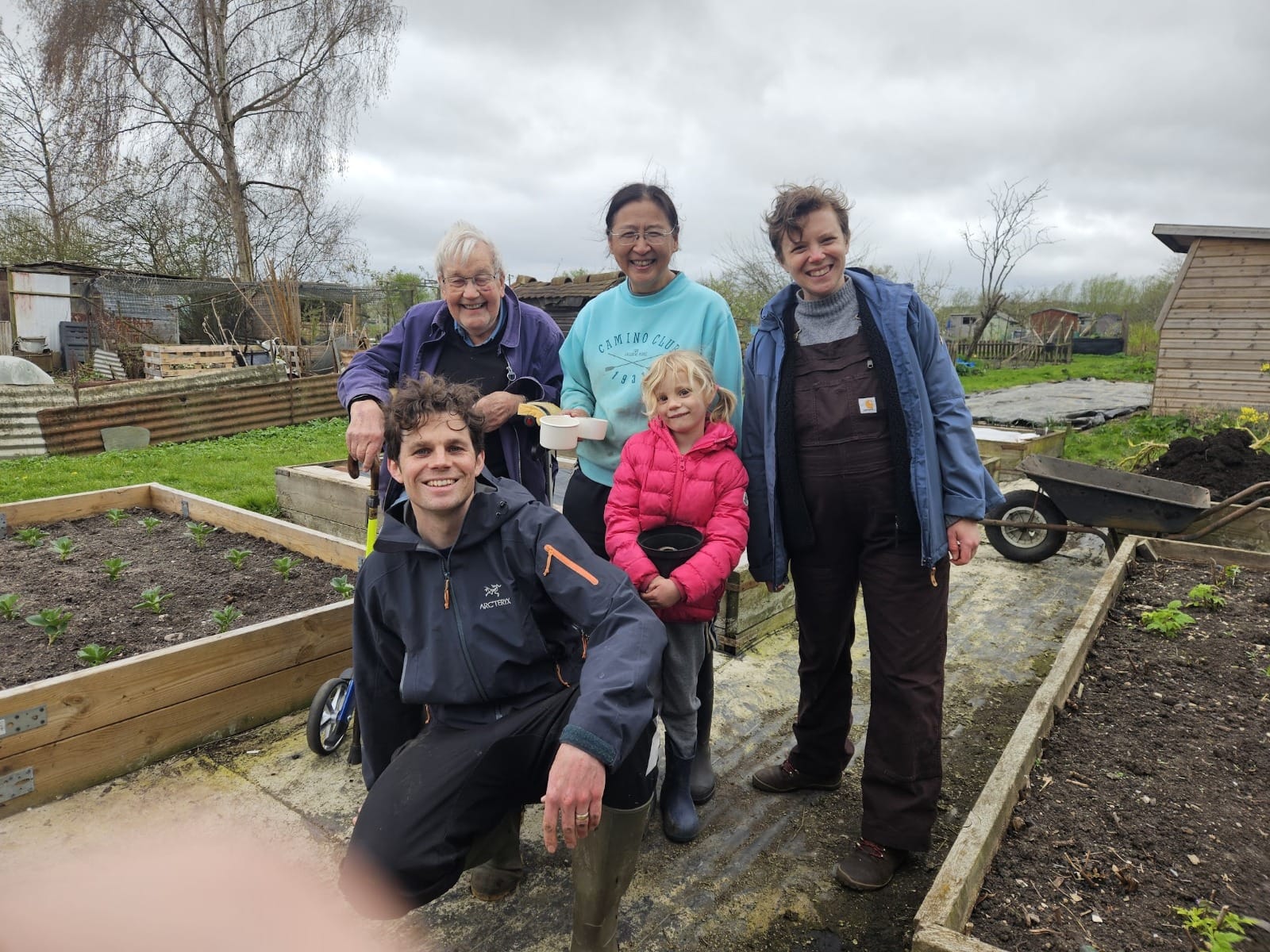
Neya has raised a seven-figure sum, including a large grant from the Government's Social Housing Innovation Fund, to use the app to help residents in three communities in Oxfordshire shape decisions affecting their local area.
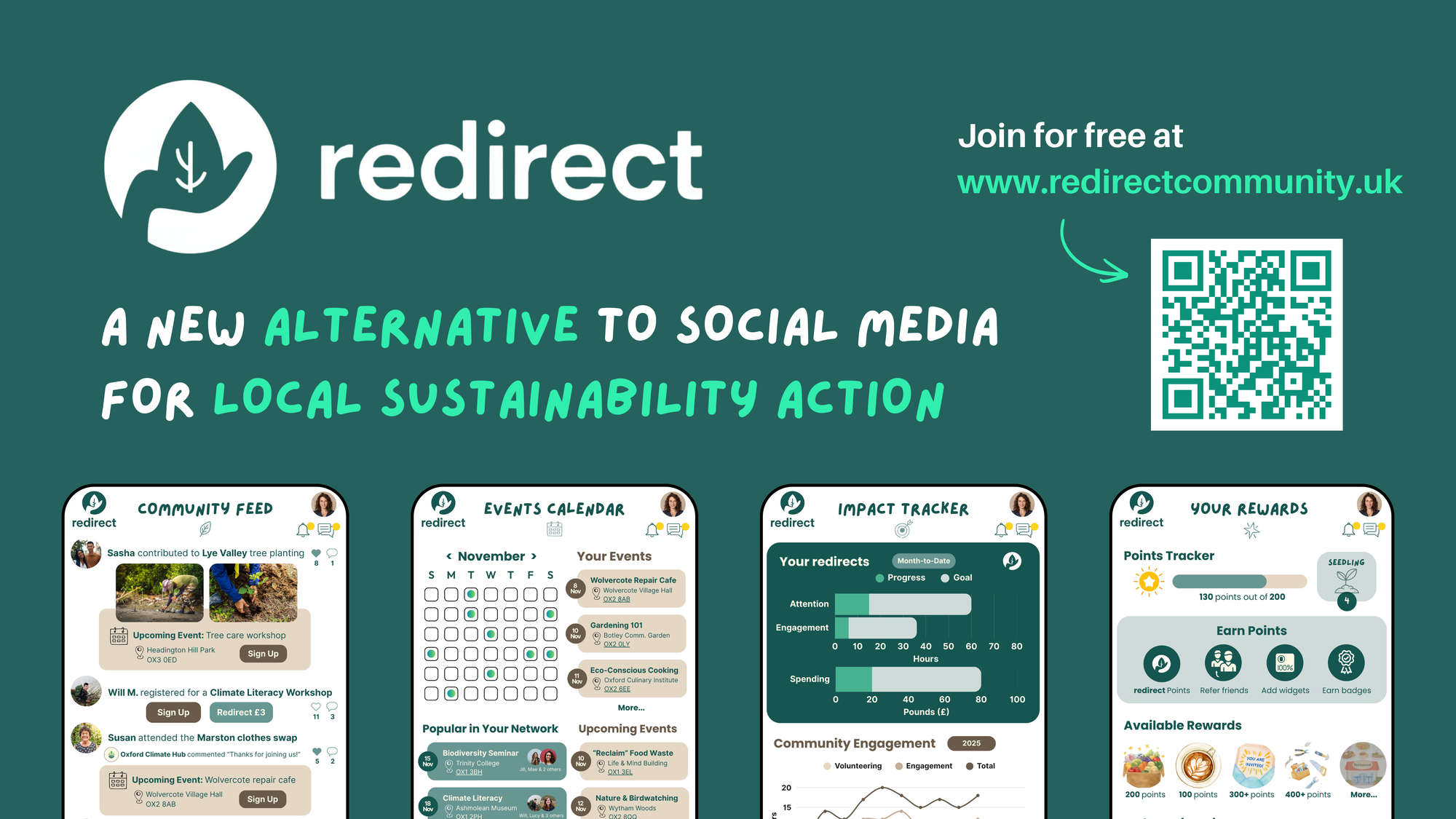
Redirect: Organising for good?
Redirect is currently piloting in Oxfordshire. It is a new type of "hyperlocal" social platform specifically for sustainability and climate action. Its creator and founder, Hannah Sassi, is an Oxford University researcher in sustainability and systems change.
"My hope with Redirect is that it is built for both people and the planet in mind. It grew out of my own climate anxiety and frustration with digital platforms that promote consumption and isolation, rather than regeneration and connection," says Hannah. "With Redirect, we can use digital platforms like social media to build more resilient communities where people feel connected, empowered, and actively shaping a better future together."
Redirect is free to join and currently features over 1,000 local opportunities to get involved – including volunteering and events related to sustainability initiatives across Oxfordshire. The platform is designed to connect people with what's happening in their area, making it easier to take meaningful action close to home.
The business model envisages charging affordable fees to local organisations and groups on the platform, partnering with local governments, and offering sponsored rewards from local, mission-aligned businesses. Redirect is adamant that "it will always be a hyperlocal platform", but the ambition is to launch in communities across the UK and eventually around the world.
Will they work?
The decline of social media might be, in part, about their transformation into media companies. When they were "social networks" they were about maximising connections with friends. When they became media companies, their incentives were to maximise time on the app by amplifying the divisive but addictive voices, and the professional creators, in order to maximise ad sales.
The success or failure of Neya, Redirect and Tribela will be determined in part by whether they can make themselves useful and sustainable without losing their missions. Tribela is attempting this by charging a fee; the value of the site to the user is the site's only incentive. Neya tells us they plan to make money by helping people connect to local service businesses, on whom they'll levy a finders' fee.
Social media sites flourish through the “network effect”. The more of your friends use the site, the more useful you find it. That makes it hard for any new entrant to break through – why invest your time into a platform where you’re the first resident? All the more so when you’re up against some of the biggest companies in the world, whose stock in trade is keeping users glued to their apps.
But maybe the pendulum is slowly turning, and smaller sites will have their moment in the sun. Bluesky is a comparative minnow, with just one-twentieth the daily users of X (Twitter), but beloved by those who have made the leap. Old-style web forums still hold on in specialist communities, villages and towns. Even the search engine market, where Google holds a 90% share, is seeing success for smaller entrants like Kagi – whose monthly subscription model is not that different from Tribela’s.
Clarion readers might make the difference for these upstarts. A bit of support from the community for Oxford's entrepreneurs just requires jumping on the platforms, seeing what fits, and spreading the word for what does. And if a kinder, less addictive social media platform does catch on, Oxford will be proud. Maybe the City Council’s standards officers will have fewer angry disputes to adjudicate in future.