From 0 to 1497 in 12 hours
How long does it take to learn intricate Renaissance polyphony – and bring it up to performance standard? For one Oxford choir, the answer is “just a couple of days”. Paul Flather finds out more.
25 years ago, Joanna Tucker decided on a whim to bring some of her close singing friends together in Summertown, and set up a new choral group. This became the Bartholomew Consort, now well-known in Oxford music circles for high level performances of often little heard 500 year old repertoire.
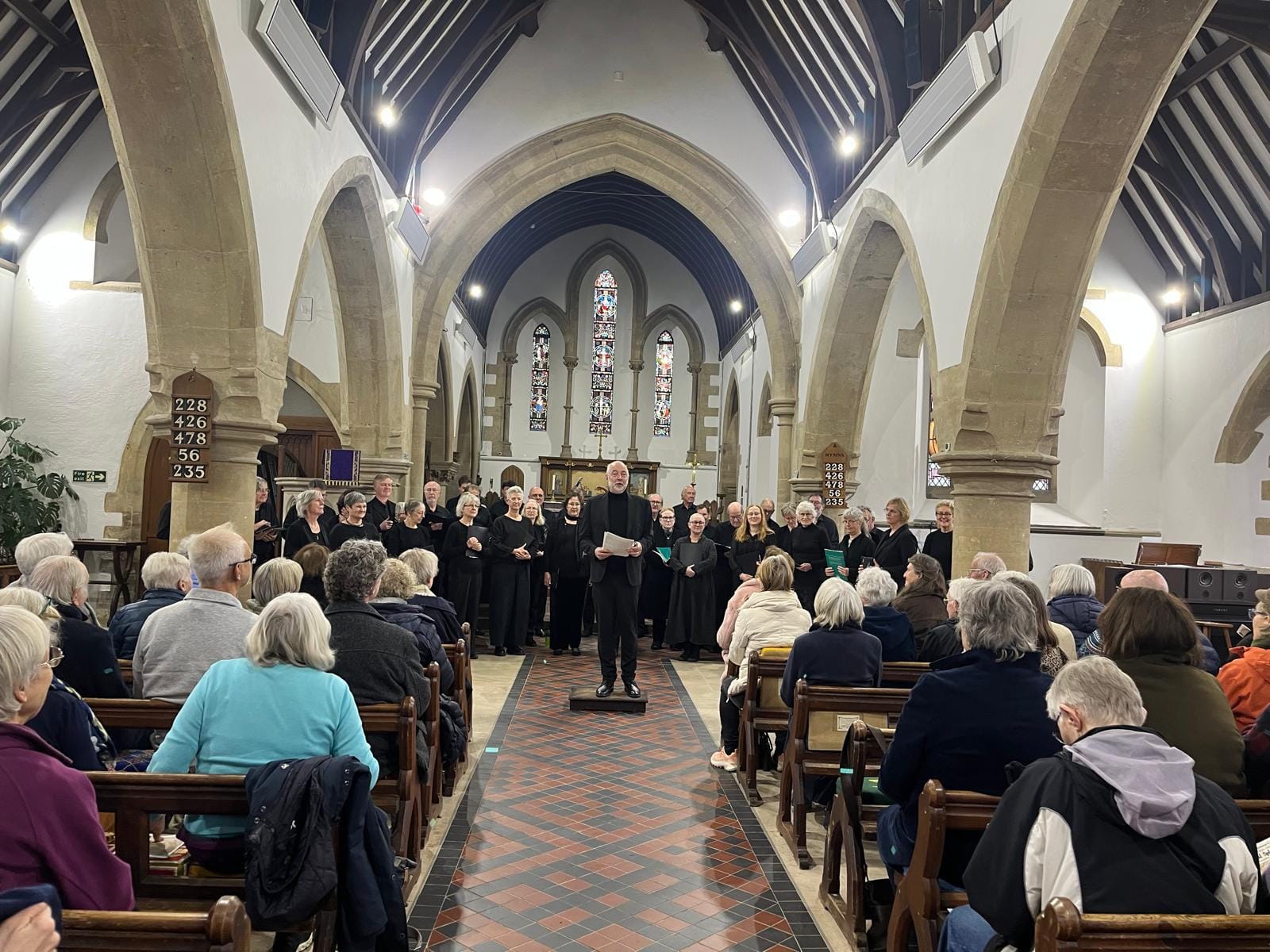
This Saturday (4 July), the group will be marking this milestone with a special concert of Baroque and Renaissance music in Dorchester Abbey, entitled Polychoral Splendour, accompanied by traditional-style cornetts and sackbuts.
Oxford is not short of early music ensembles. But what is striking about the Bartholomew Consort, named after St Bartholomew’s (Bartlemas) Chapel in East Oxford, is that its members will only assemble shortly before the Sunday concert to begin their rehearsals for the often tough new pieces.
“It can be demanding for our singers to learn new music in less than 48 hours,” explains Jo. “But all of us are experienced singers and musicians, and invariably members rise to the challenge. That is just the expectation within our group.”
Her ‘big break’, as she puts it, came when she teamed with a highly distinguished Dutch conductor, JanJoost van Elburg. He has now put on more than 75 concerts with the choir, each one featuring specially selected and sometimes little performed pieces.
“They must all be very good sight readers, and also they need to have a very professional approach as it is very hard work,” explained JanJoost, now musical director of the Consort.
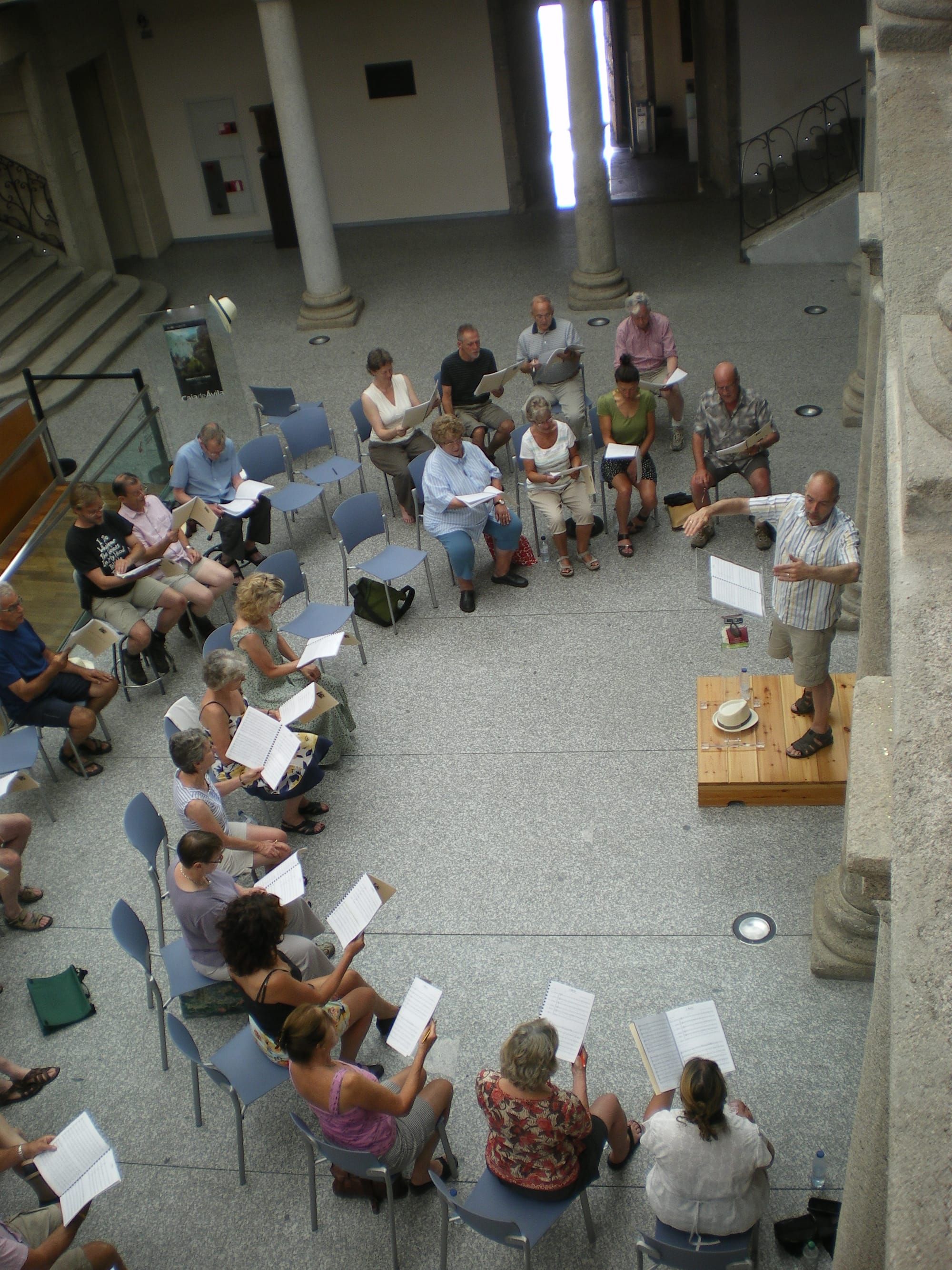
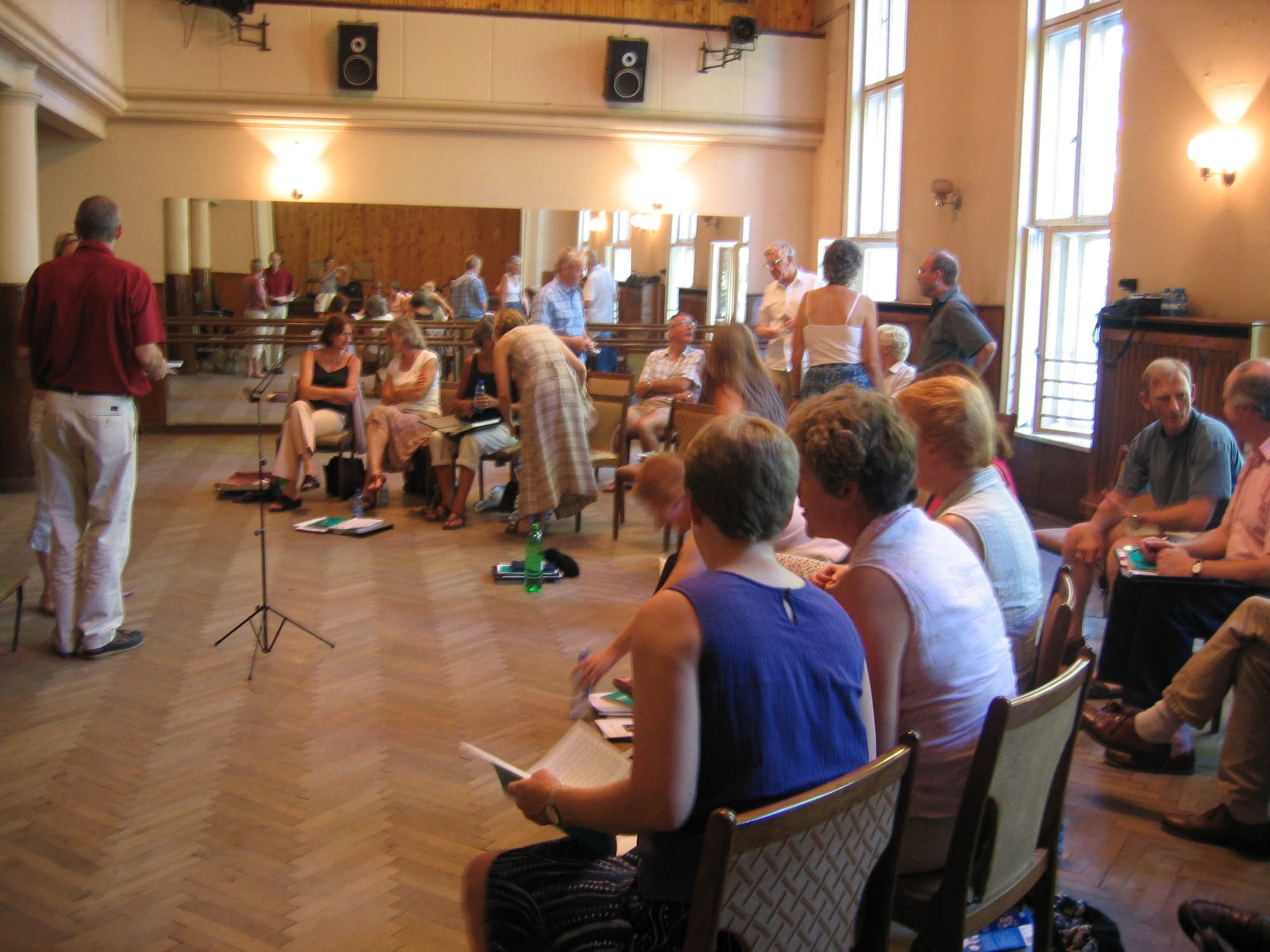
Rehearsals in Amsterdam (2002) and Bulgaria (2004).
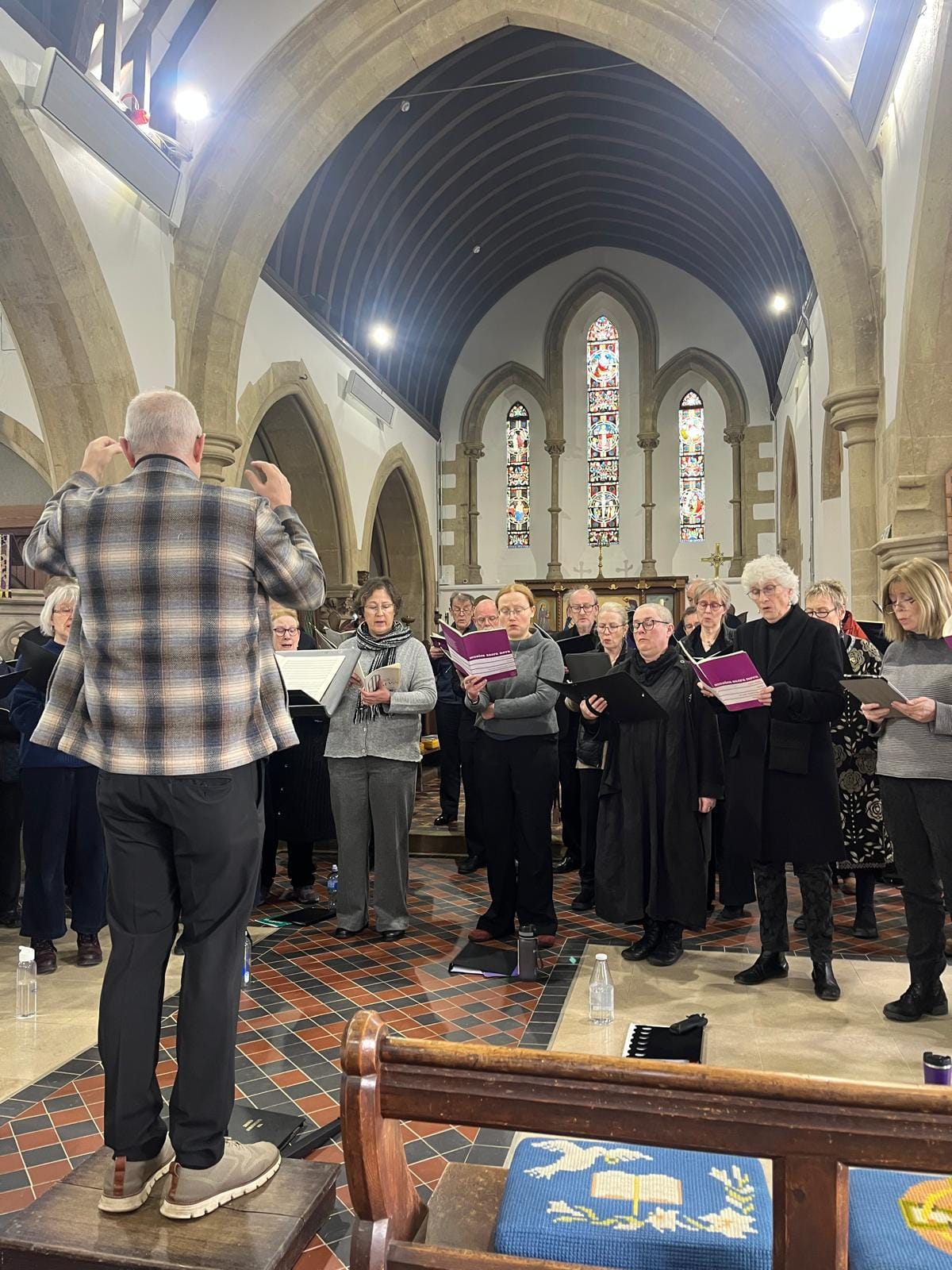
For a Sunday concert (though this week’s is a Saturday), rehearsals will run for two to three hours on the Friday, then a full seven to eight hours on the Saturday, with more final rehearsals on the Sunday before the evening concert performance.
“Yes, it is hard. But it also creates the right kind of dynamic and thrill – to come just for the weekend and to feel incredibly challenged by the music itself. Our members take it very seriously.”
From its local beginnings in Summertown, the choir now draws members from far afield – some from the conductor’s home country of the Netherlands, others from France and the US. Though a few are music professionals, others work as medics, teachers, designers and in consultancy. They come together two or three times a year to perform, rehearsing in the morning and afternoon before performing.
The success of the choir is clearly down to good chemistry. This is apparent between conductor and choir members, and among choir members themselves, based on friendships which have been extended and deepened.
“I love the chemistry we have in this choir,” says JanJoost. “Sometimes one never quite gets that with a choir even after many years. They enjoy the challenges. I like to find new pieces for them to perform, and new angles for our singing and for our concerts.”
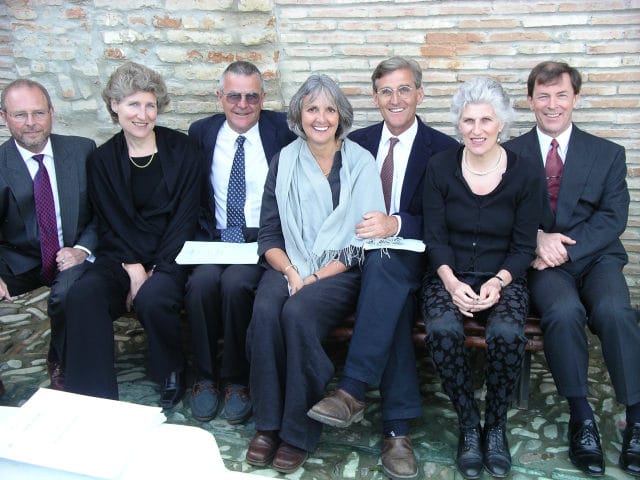
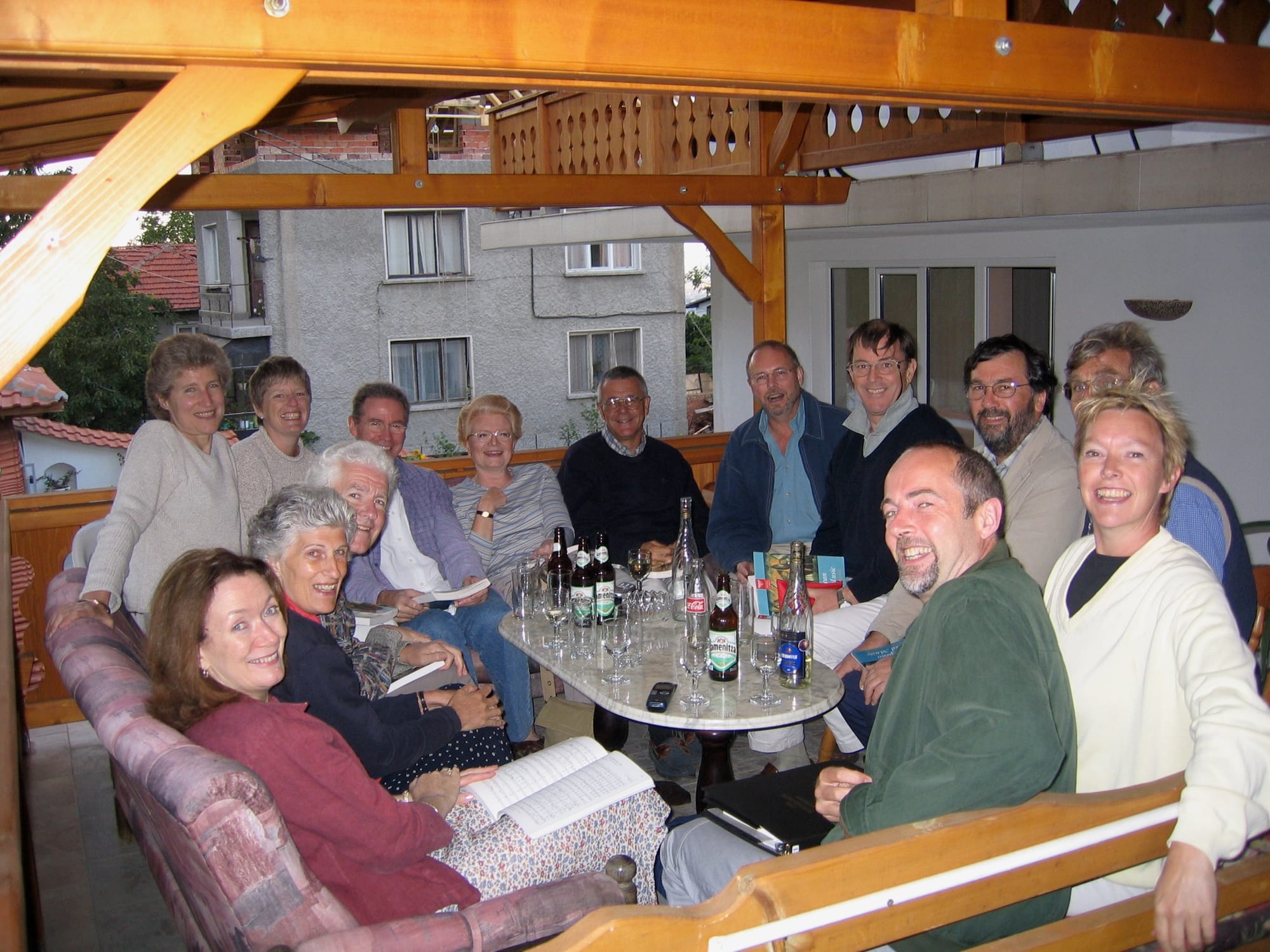
Early members of the consort, and a 2004 tour.
This Saturday’s concert features a range of pieces by a range of Renaissance and Baroque composers, including Brumel, Stradella, Charpentier, and Gabrieli. It finishes with Thomas Tallis’s famous uplifting eight-part Spem in alium, for 40 singers in eight groups, accompanied by the English Cornett and Sackbut Ensemble.
“I am astonished we are still going strong, and that we still have eight of the original 22 in our group. We have deepened our friendships, of course – and developed so many new ones,” says Jo.
In the words of another founding member: “There can be few more delightful and sustaining things than singing some of the greatest choral works in the world with your friends. Thanks to Jo’s energy and vision, we have all extended our horizons – and had great fun at the same time. It’s life changing!”