Oxfordshire councils: the power of three
Oxfordshire’s councils are to be combined – and there are competing visions for how to do this. Oxford City Council leader Susan Brown writes for the Clarion on why it believes a three council setup is the best solution.
Most people in Oxfordshire have asked the same question at some point: which council actually does what? Which one collects your bins? Which one fixes the potholes on your street? And which one decides what gets built where?
Even people who have worked in local government for years can struggle to navigate the current system – particularly when it comes to complex areas like planning, licensing or transport.
That’s why the government is proposing the biggest shake-up of local government in Oxfordshire for 50 years. And crucially, residents now have the chance to shape what comes next.
At the moment, Oxfordshire has six councils. Oxford City Council and four district councils are responsible for local services such as housing, parks, community centres and bin collections. Oxfordshire County Council is responsible for more strategic services, including social care, children’s services, transport and libraries.
Under the government’s plans, this two-tier system would be replaced by unitary councils, where a single council is responsible for all services in an area.
There are three options on the table for Oxfordshire and West Berkshire. These would replace the current councils with either three councils (Greater Oxford, Northern Oxfordshire and Ridgeway), two councils (Oxford and Shires, and Ridgeway), or a single council covering the whole of Oxfordshire.
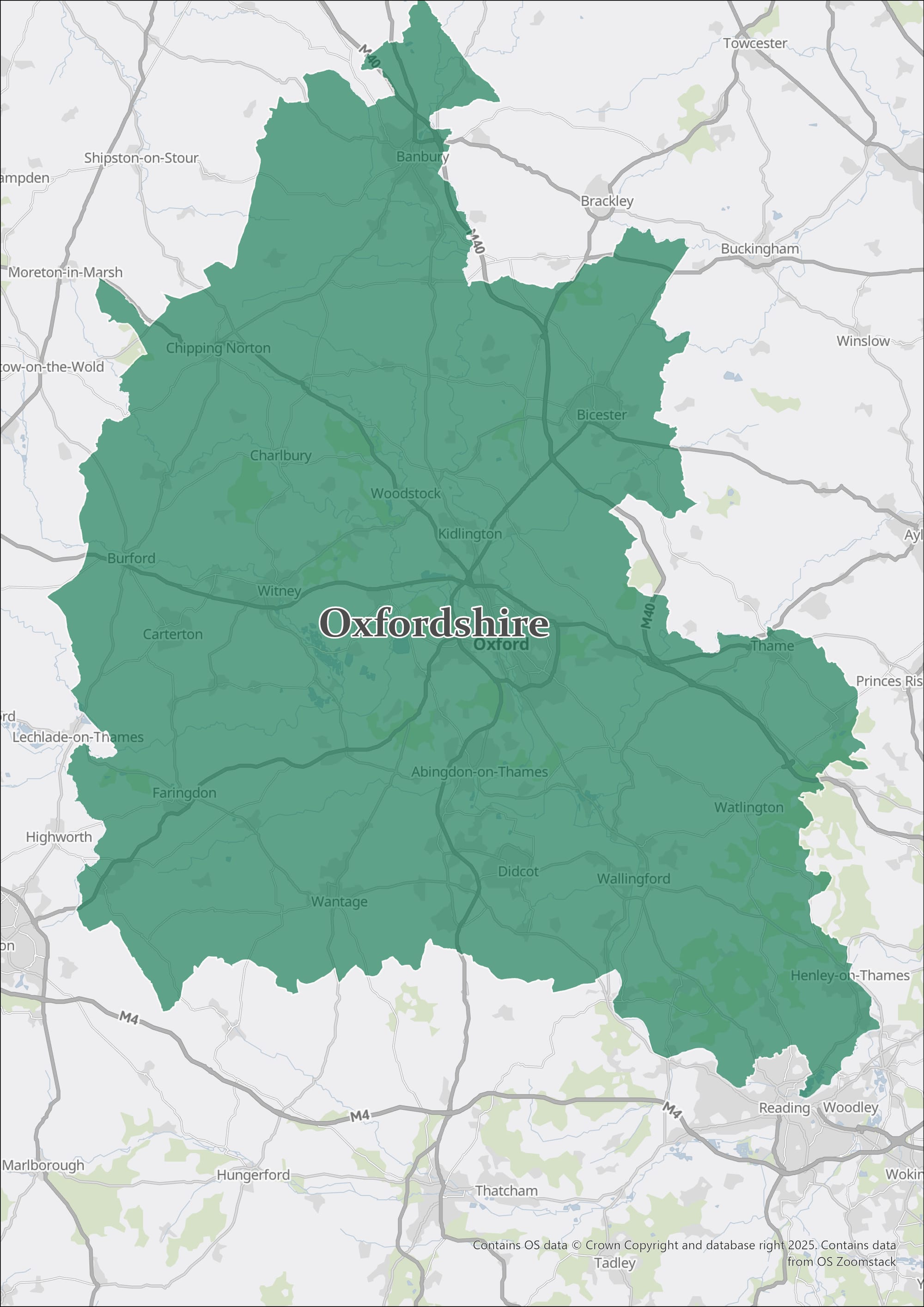
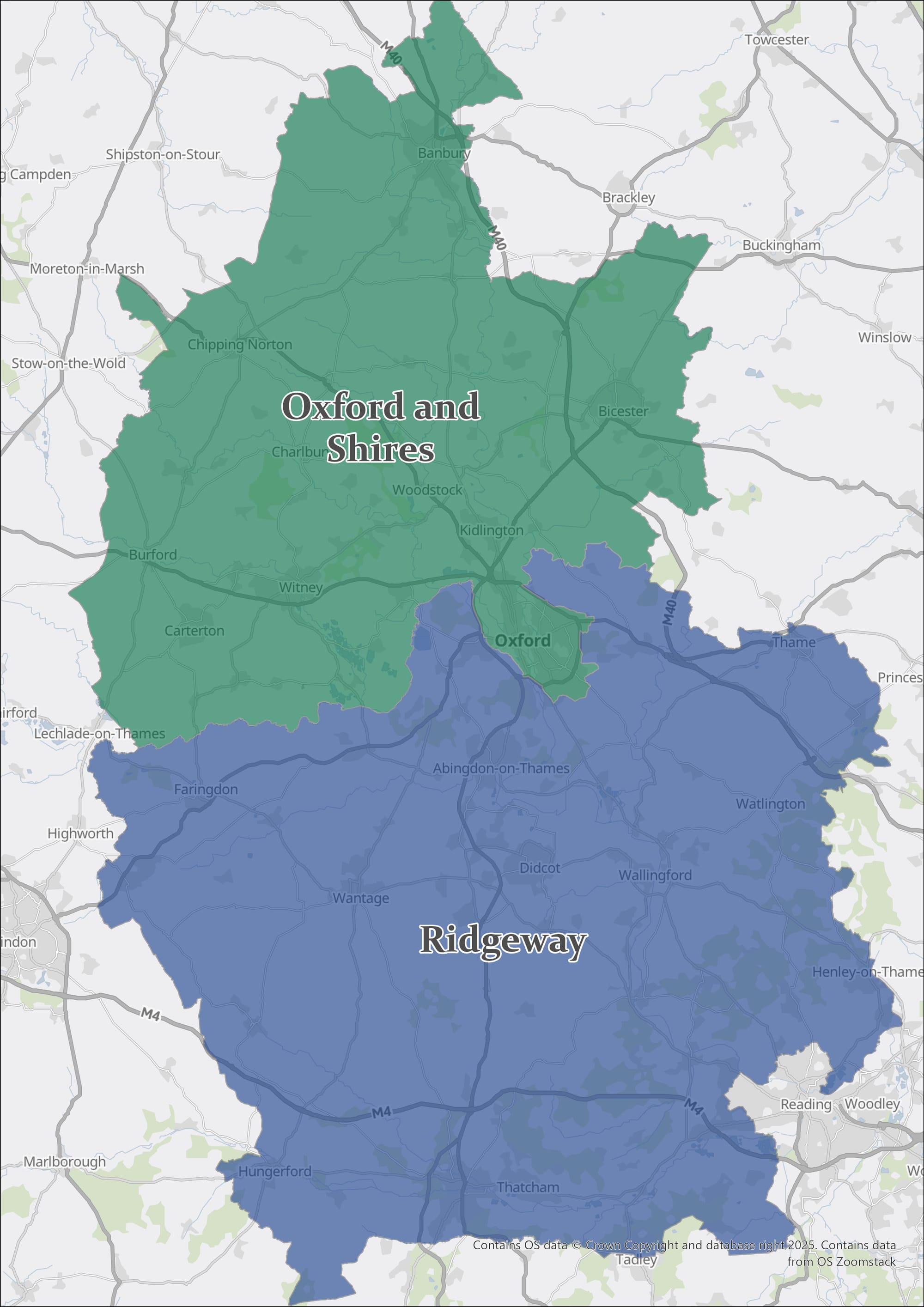
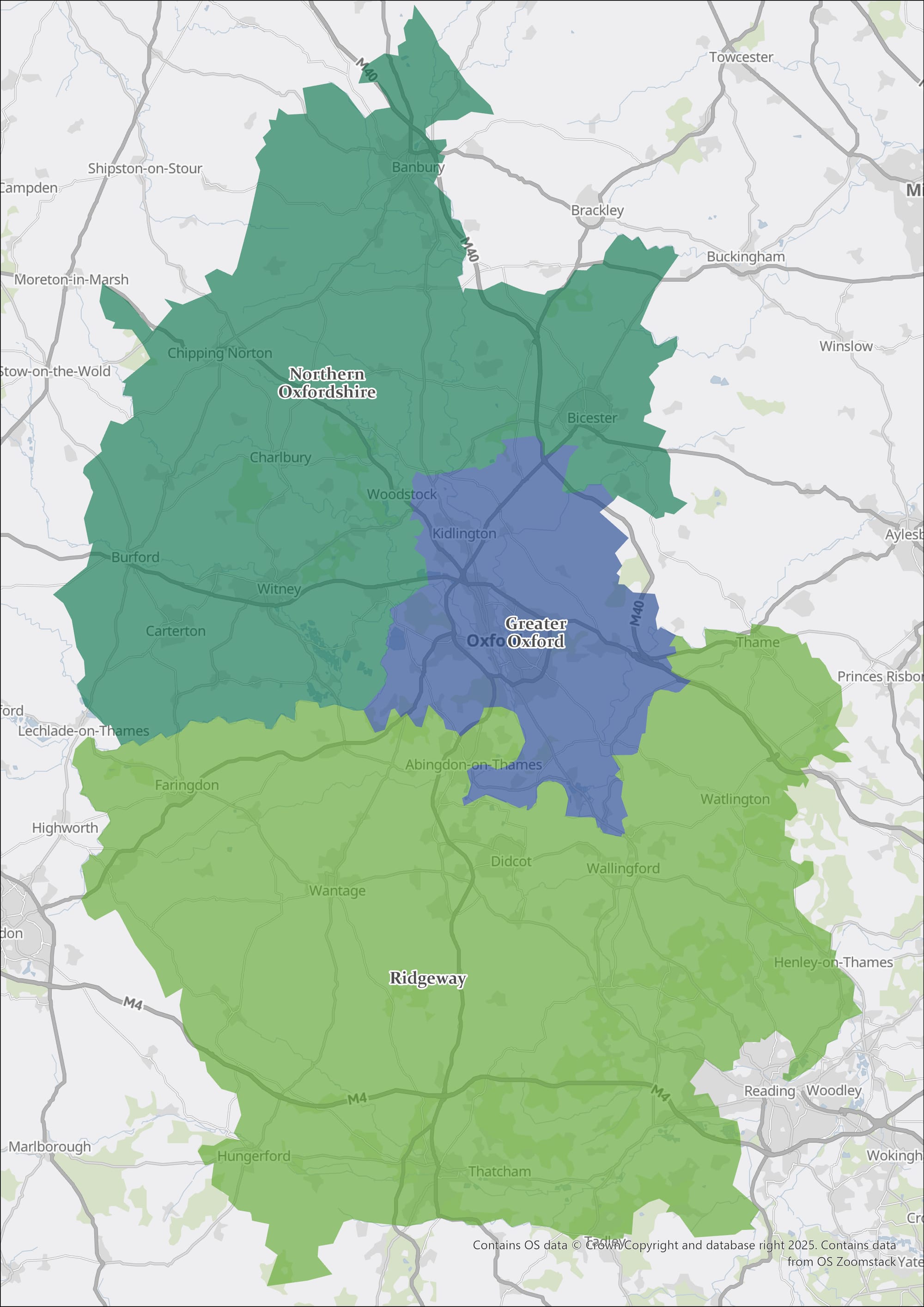
The three competing proposals (via Oxford City Council)
At Oxford City Council, we believe the three-council option – known as 3Councils – is the best choice for Oxford and Oxfordshire.
3Councils proposes creating separate councils for Oxford city and rural Oxfordshire – recognising that the urban city and rural county have different demographics, economies and challenges.
This would mean decisions are made closer to the communities they affect, giving residents a stronger local voice and allowing councils to tailor services to their areas, rather than trying to balance competing priorities across the entire county.
It would also allow councils to better support their local economies, whether that’s the concentration of world-leading medical research, education and health in Oxford, or the more dispersed economies of rural Oxfordshire and West Berkshire, with important clusters of advanced manufacturing, motorsport, hospitality and farming. A one-size-fits-all council risks failing to do justice to either.
Crucially, 3Councils is also the only proposal that aims to directly tackle Oxfordshire’s housing crisis. It would do this by building 40,000 new homes – including 16,000 new council homes – within Greater Oxford by 2040.
The proposal also recognises that new businesses are best accommodated at higher density within Greater Oxford. We anticipate that jobs in Oxford and Oxfordshire will expand hugely in the next few decades, but only the 3Councils option allows them to be focused around public transport hubs, rather than depending on car journeys that would add to congestion.
These new homes and workplaces would be built on just 2.6 per cent of Oxford’s 35,000-hectare Green Belt. By building at higher density close to Oxford, the proposal would use less green space overall than the two-unitary proposal or the single mega-council proposal, and would help reduce the sprawl of towns and villages across the county.
Most importantly, this approach helps young people afford to live near their families and jobs in Oxford, provides sustainable and much-needed jobs for local residents in these times of changing employment, and protects rural Oxfordshire from overdevelopment and sprawling towns.
Whatever form the new councils take, change is coming quickly. The government plans to establish the new unitary councils in April 2028, with elections for ‘shadow councils’ taking place next year.
A public consultation is now open, giving residents the chance to have their say on how local government in Oxfordshire and West Berkshire should be organised. The consultation closes on 26 March and takes around five minutes to complete.
To find out more and take part, visit 3councils.org.
Further reading
- Our primer on local government reorganisation
- Oxfordshire County Council leader Liz Leffman writes for the Clarion setting out a competing case for one unitary council as the solution for Oxfordshire.
- South Oxfordshire District Council leader Maggie Filipova-Rivers writes for the Clarion why she believes two councils is Goldilocks choice – not too big and not too small.