Solar power to the people
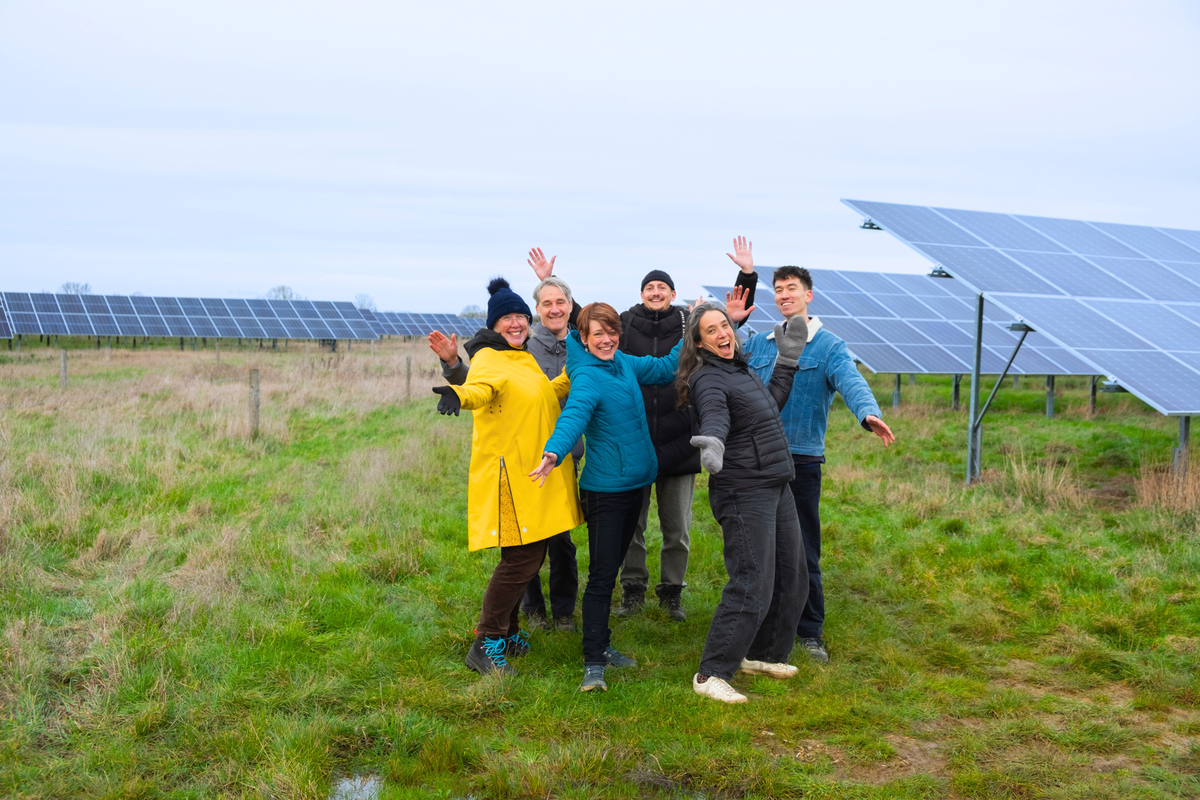
The headline-grabbing Botley West Solar Farm might lead you to think that solar power is all about big-money investors – but in a corner of Oxfordshire near Bicester, a community project is proving the opposite.
Now, Oxfordshire residents are being invited to invest in Britain’s first community-owned solar energy battery, which will enable the clean power to flow both day and night. Oxfordshire’s Low Carbon Hub has launched a fresh share offer to fund the battery at the solar park in Arncott.
Ray Valley Solar Park is already one of the largest community-owned solar parks in the country. Low Carbon Hub, which currently manages 56 renewable projects across the county, aims to install the storage infrastructure at its flagship site to prevent clean energy from going to waste. Ray Valley currently generates enough electricity to power 7,000 homes, but on particularly sunny days the local grid is often unable to absorb the surplus, leading to lost power and diminished returns for the community.
By capturing this excess solar energy, the new battery is expected to save roughly 809 MWh of electricity annually – enough to power 300 homes a year. The stored power will be released back into the grid during peak demand periods, when electricity is typically more expensive and carbon-intensive.
The project is estimated to deliver an additional 102 tonnes of carbon savings each year, equivalent to removing 45 cars from the road, while ensuring the solar park remains financially viable by selling power when prices are higher.
There has been increasing awareness and focus on localised energy production and storage. In Februrary 2026, the government released its Local Power Plan, which pledged up to £1 billion in funding across the country to help communities take control of their energy production and create new revenue streams.
Residents interested in investing can participate in the scheme via the ethical platform Ethex, with share purchases starting at £100 and capped at £100,000. The share offer will remain open until 26 June 2026, arriving at a time of increased national focus on decentralised power.
All profits generated by Low Carbon Hub’s portfolio are reinvested into local sustainability initiatives, such as energy efficiency upgrades for Oxfordshire schools and businesses. Dr Barbara Hammond MBE, CEO of Low Carbon Hub, noted that the project allows residents to co-own vital infrastructure, moving the county closer to a zero-carbon energy system while providing a modest return for supporters.