
The Clarion, 26 May 2026

A quiet news weekend? Pretty much… apart from the small, unremarked matter of Eynsham Park & Ride. But we do have a bumper crop of amazing research news, the heat death of the universe, and some alpacas.
This week’s top stories
The amber heat health warning for Oxfordshire remains in place throughout Tuesday and Wednesday. Weather stations at Benson and Brize Norton provisionally recorded daily temperatures on Monday exceeding the record of 32.8°C for May.
Most of the county is currently in the ‘Very High’ category of the Fire Severity Index. Oxfordshire Fire & Rescue has warned of the risk of wildfires, saying that “even the smallest spark or flame can lead to a larger fire”.
And if all this makes you want to cool off in the water, civic leaders across Oxfordshire urged residents to be safe when wild swimming. Oxfordshire Fire & Rescue has launched a YouTube campaign with a simple message: “If you fall in, remember to relax, lean back and ‘float to live’ until you can control your breathing.”
Oxford City Council have signposted people to their guide to wild swimming, pointing out that water quality remains poor at the only designated bathing water in Oxford at Wolvercote Mill Stream (near Godstow). Local MP Layla Moran has called for more to be done to protect swimmers in Oxford, saying: “Families are now forced to check for sewage spills before letting their children swim. I am calling on the Government to stop stalling, and force water companies to clean up our bathing sites in Oxford.”
A Climate Change Committee event in Oxford next week will warn that preparations for a hotter future “have not been fit for purpose”, and propose solutions for adaptation. Met Office scientists believe that breaking the 32.8°C May record is around three times more likely now in our current climate than it would have been in a natural climate not impacted by greenhouse gas emissions: what was around a 1-in-100 year event is now around a 1-in-33 year event.
From Chipping Norton to Henley, over 30 screenings of the People’s Emergency Briefing will take place in Oxfordshire this year. The 50-minute film, based on expert briefings in Westminster last November, sets out the risks of human damage to climate and nature, and the positive responses available. Presented by Chris Packham, it features experts discussing nine topics linked to climate and nature, from ‘weather extremes’ to ‘national security’. Most events will follow the screening with a discussion.
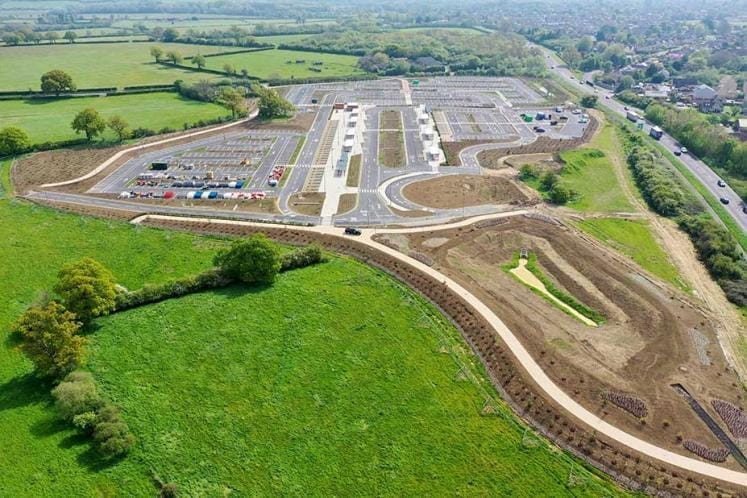
Work starts next month on connecting Eynsham Park & Ride to the A40. Oxfordshire County Council is set to award a £70m construction contract to Balfour Beatty for the project, which also includes new bus lanes and improved cycleways from Eynsham towards Wolvercote – with the wider aim of reducing congestion between Witney and Oxford.
New bus lanes will extend as far as Cassington, then restart at the bridge over the Duke’s Cut canal, where they’ll connect to the existing bus lanes past Oxford North. The existing south-side cycleway will be upgraded along this length. Work will commence in “mid-June”, with the P&R expected to open in 2027.
The Park & Ride itself was funded by the Department for Transport, while the connecting road was paid for by Homes England as part of the wider A40 improvements – a project bedevilled by construction inflation. OCC says delaying the P&R construction until the road was ready would have cost millions.
Meanwhile in Witney, a short way along the A40, the new slip roads at Shores Green are set to open this summer. These will enable crosstown traffic to avoid the congested Bridge Street. We looked at the Eynsham P&R in two long reads:
 Oxford Clarion
 Oxford Clarion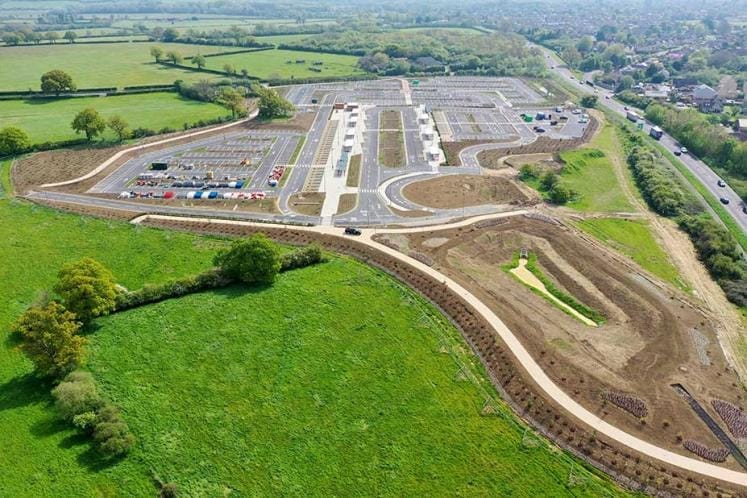
Around the city
- Student polemics and dressing-up society, the Oxford Union, has “postponed” its debate on Islam that was to feature far-right leader Stephen ‘Tommy Robinson’ Yaxley-Lennon. A statement reads: “The Fifth Week debate has been postponed to allow time for planning of the event. We are grateful to our local partners and stakeholders for their continued support and engagement.” The Clarion has not been able to substantiate this “continued support”, but the Bishop of Oxford and Imam Monawar Hussain did call the invitation “untimely and divisive”. Jacob Rees-Mogg, a trustee of the Union’s parent charity, suggested in national media that the Union was faced with a policing bill of £80,000: it is already struggling with a deficit of over £350,000.
- This week is Oxford Tech Week, a four-day event for startups and innovators with over 60 speakers. The main stage at the Mathematical Institute features panels such as “Oxford DeepTech: Robots, Rebels and Resilience” and William Hague speaking on “The role of Oxford University to lift the economy”. Other speakers include Oxford Nanopore founder Gordon Sanghera, Ellison Institute of Technology chief operating officer Lisa Flashner, and Acorn Computers founder Hermann Hauser. (Acorn was, of course, very much not an Oxford startup, but given that Hauser effectively green-lit the chip that powers almost every smartphone ever built, we’ll let him off.) There is also a ‘partner programme’ of workshops across the city centre. The main stage has sold out, but spaces remain at many of the partner events.
- Oxford’s Timorese Community Association celebrated Independence Day (20 May) with a festival in Cowley Marsh Park on Saturday, including a performance by Timorese band Familia Alcatraz.
Around the county
- Two massive warehouse developments at junction 10 of the M40, near Ardley (A43), look likely to go ahead after Cherwell District Council has thrown in the towel. Councillors had originally refused the applications after a seven-hour meeting in January, but developers Tritax and Albion Land appealed. Cherwell now says: “Following a detailed review of the case, the Council has taken legal and professional advice. As a result, the Council has today notified the Planning Inspector that it does not intend to bring forward evidence to defend the reasons for refusal.” Local objectors argued that “the application will lead to major harm to the rural landscape by building a massive 76-foot-high warehouse complex in the middle of rural fields… local water treatment capacity would be overburdened… [and] unacceptable ecological harm”.
- “We have no plans to end free car parking in our car parks”, says West Oxfordshire District Council, following a County Council consultation draft that noted “the convenience of car parking (and associated congestion) compared to walking, wheeling, cycling, and public transport contributes to increased air pollution and congestion” and suggested “we need to work proactively with community, local stakeholders and businesses to explore options to manage car parking”. A petition started by county Conservative leader Cllr Liam Walker has 1,630 signatures at the time of going to press. Petition comments include “Keep you [sic] progressive, liberal, metropolitan policies for Oxford” and “In my 40 years in Witney, our free parking has always been our biggest asset” (which we think is a bit harsh on Witney).

- Blenheim Palace has announced the restoration of one of its significant tapestries ‘The Triumphal Entry of Alexander into Babylon’ from the Alexander the Great series, made by master weaver Judocus de Vos in the 1700s, based on the paintings of Charles Le Brun. Restoration will take around a year.
- New pedestrian crossings and bus stops are planned for the A4130 in East Didcot, together with shared-use foot/cycleways. The improvements are being funded by housing developers. Consultation is open until 19 June.
Oxfordshire politics
- Banbury MP Sean Woodcock has started his new role as Parliamentary Private Secretary to the Cabinet Office. In the Commons, he spoke congratulating the Government on the new 12 month tax holiday for hauliers, highlighting local business TWE Haulage. (Banbury is a logistics hub for many businesses including Amazon, Best Food and DCS.)
- Bicester & Woodstock MP Calum Miller has been busy on his Foreign Spokesperson beat. The LibDems pushed for a vote on a customs union with Europe, and lost (Oxfordshire’s LibDem MPs were predictably for, the county’s Labour MPs predictably against); Miller said none of the three potential Labour leaders has a plan for the UK's relationship with the EU. He's unimpressed at the impact of Foreign Office job cuts on the diplomatic services’ Iran crisis team. And finally, he took no prisoners in calling out “Trump and Netanyahu’s illegal war in Iran”, saying the Iranian people had been abandoned, that households and businesses in the UK were paying the price in increased fuel costs, and it undermined the position in Ukraine as allies paid Putin for fuel.
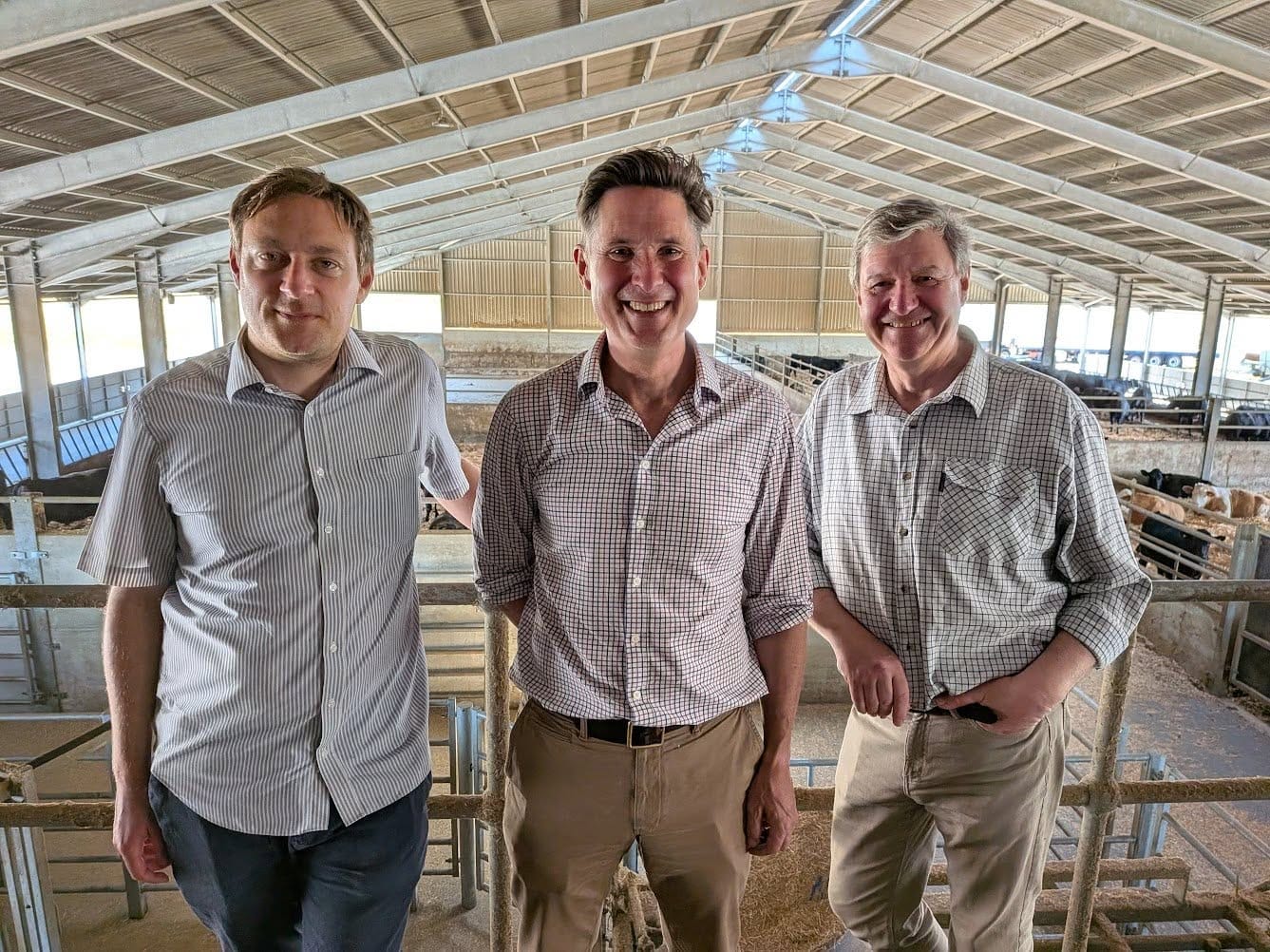
- Witney MP Charlie Maynard, in a situation that may be familiar to Clarion readers living in Oxfordshire's many new developments, visited houses in Carterton where, he said, developers had failed to finish the work before leaving: roads, pavements and streetlighting were all incomplete. He called out Oxfordshire County Council for failing to collect financial obligations from Taggart Homes as a guarantee for work being completed. (This surprised us, because Maynard is a LibDem MP and OCC is also LibDem-led. It turns out they should have collected the money in 2020, when OCC was Conservative-led, though we suspect this is a nuance lost on most viewers. Anyway, he wants it fixed now.) He joined Olly Glover for a farming roundtable in Didcot, and visited the Ukrainian Makva Festival in Faringdon.
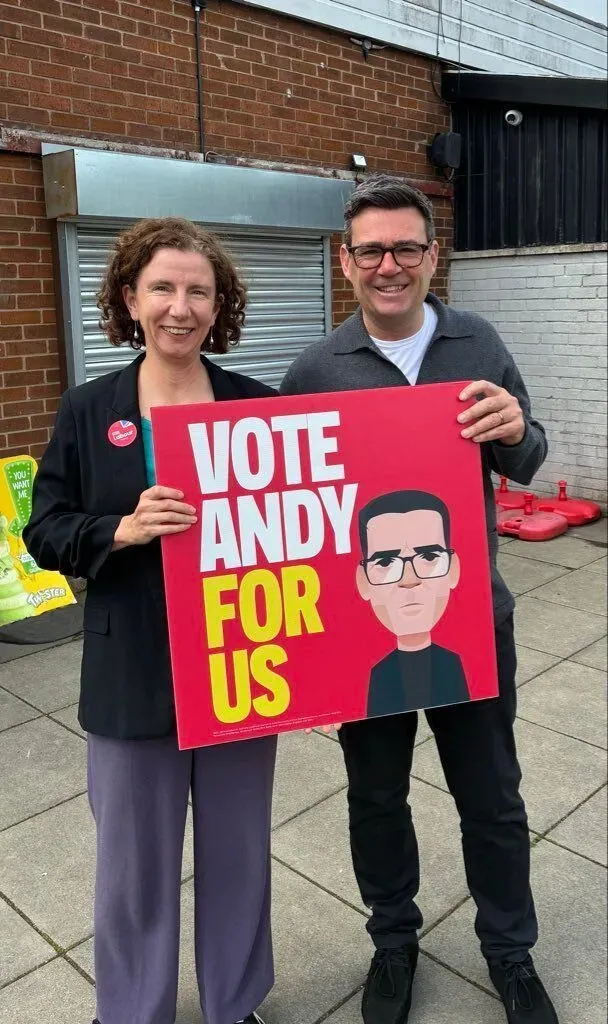
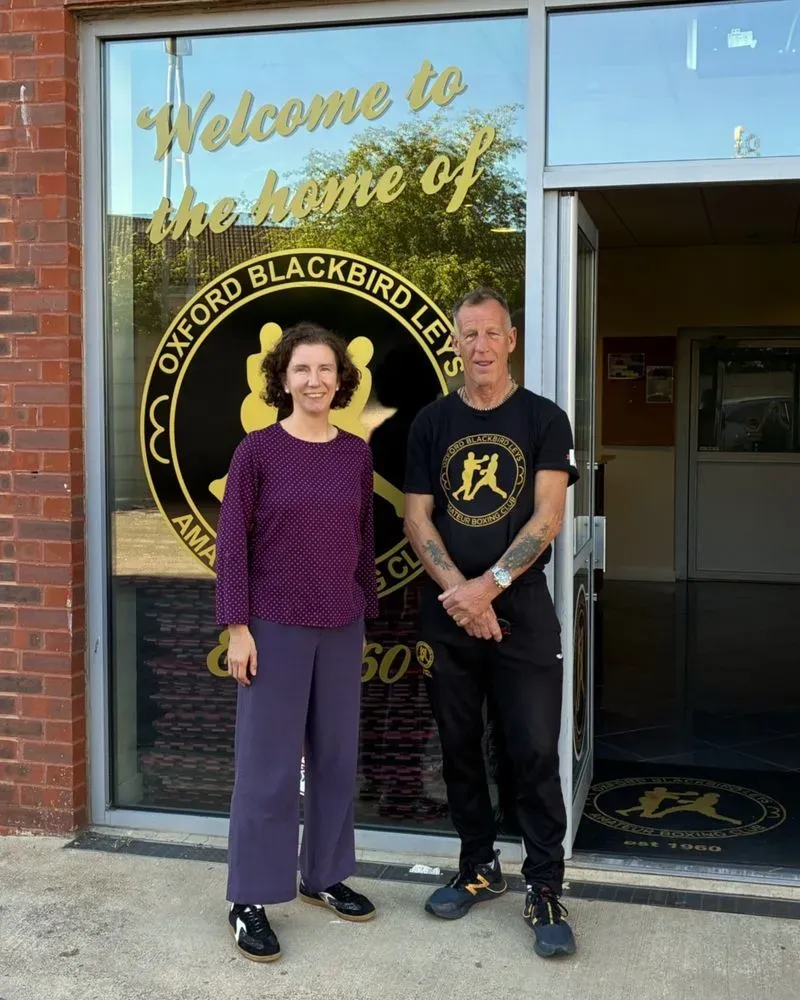
- Oxford East MP Anneliese Dodds has been out campaigning for Andy Burnham in the Makerfield by-election. Locally she visited Blackbird Leys Boxing Club, amplifying the club's call for stability at the Oxford Stadium (the speedway/greyhounds one, not the football one), so they can build on the investment the club has already secured. And in this video with Cllr Brad Baines, she celebrates the new cycle path between Donnington and Iffley. (The Clarion is also delighted with the path! Our East Oxford correspondents note that it still needs a safe crossing of Iffley Road; opening of the gate on the Cowley Marsh car park; and a fence along the Boundary Brook path to stop people falling in. Please and thank you.)
- Oxford West & Abingdon MP Layla Moran was on the Quiet Riot podcast in a two-parter, firstly talking about Gaza and the West Bank, and secondly why the UK can't deliver infrastructure at speed. On the BBC's Any Questions, she spoke out against the 'Era of the Strong Man', saying “horrible things happen in this world when strong men are in charge and we have to fight it”. And finally, it's Thames Water Time! (We really do need to give it its own section…) This week, Moran signed an open letter from We Own It rejecting creditors’ takeover attempts, arguing that Thames “should be rebuilt as a company for public benefit”.
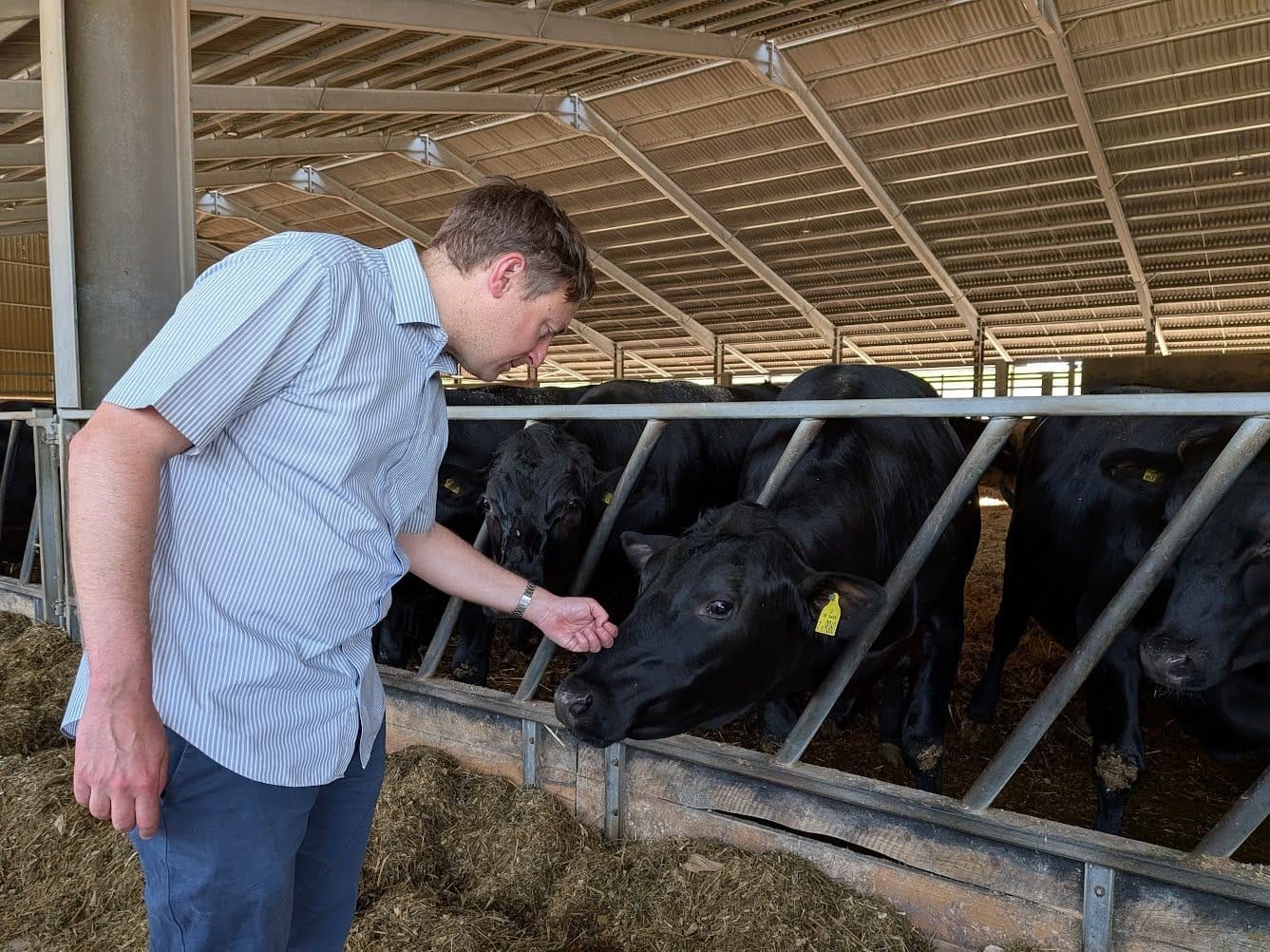
- Didcot & Wantage MP Olly Glover challenged Keir Starmer at Prime Minister’s Questions on rising dissatisfaction with the electoral system, and a worsening gap between how people vote and who represents them in politics. The PM responded that he supports the First Past The Post system, a response which Glover called “frustratingly dismissive… it is hard to understand why he is unwilling to consider ways to make our political system more representative and accountable”. After a farming roundtable in West Hendred, he called for a national food strategy and a £1bn increase in support for farmers given spiralling fuel and fertiliser prices. During the King's Speech debate he raised a laundry list of issues he's advocating that the Government should address: see his speech here. Finally, as part of a ‘What Makes Britain Great’ campaign, he chose Didcot Railway Centre, saying he was proud of the history of our railway system.
- Henley & Thame MP Freddie van Mierlo, in what may be catnip to many Clarion readers, asked the Government to increase funding for active travel given the sums invested in major infrastructure projects such as HS2 – calling out the long-desired Haddenham & Thame Greenway. He visited Chinnor Allotments to learn about peat-free compost and the importance of allotments as community spaces. He visited the Environment Agency’s exhibition on rebuilding Marsh Lock Bridge in Henley, which he believes shouldn’t take this long (neither should the Donnington southern bypass bridge, Botley Road railway bridge, or Cottesmore Road bridge…). And he wrote to the Minister supporting calls for an NHS Dementia Risk Reduction Campaign, saying many cases could be prevented or delayed through better awareness of brain health and risk factors.
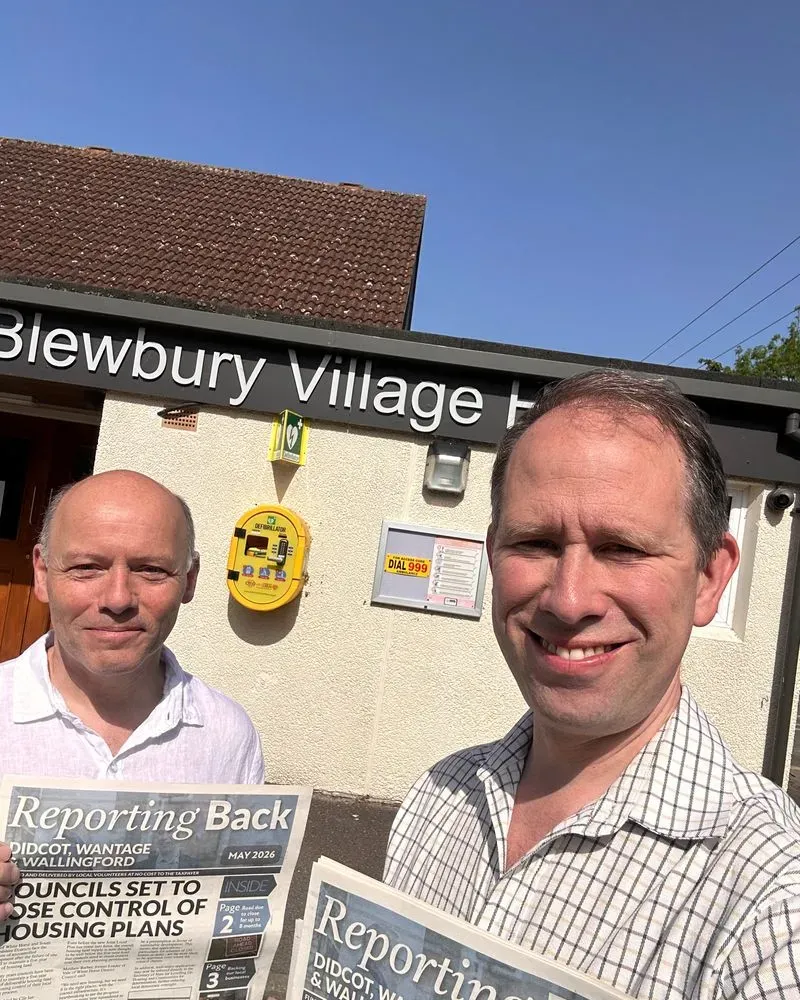
- Thames Valley Police & Crime Commissioner Matthew Barber marked Knife Crime Awareness Week by noting that knife crime has continued to reduce in the Thames Valley. He credits Operation Deter Youth, rapid intervention from local Youth Justice Services, with the reduction; it has since been rolled out nationwide. Here is his week's recap.

'Dynamic ripple'; alpacas (photo by Alexandrine Kantor).
University and research
There might not have been much headline news this weekend, but we have a fabulous crop of research news for you…
- Mr Toads of Oxfordshire, unite: Oxford University researchers are to investigate whether “the thrill of driving can be scientifically defined and measured”. The SDG Impact Lab is working with EV manufacturer Polestar to examine physiological, cognitive and behavioural responses as study participants drive a high-performance car. The study aims to examine “long-held assumptions that driving excitement depends on engine sound” in an age of EVs. For Polestar, Christian Samson said: “At Polestar we’ve proven a guiding star in design and sustainability. Now it’s time to lead with performance.” Separately, an earlier study found “significant associations between the motivational sources of driving, and reported reckless driving”, while recent research reported “cyclists are the happiest commuters”.
- A new Oxford Brookes student-run dietetics clinic opens its virtual doors next month, with final year MSc dietetics student providing free one hour online appointments. The clinic is part of the students' placement, and is supervised by experienced dietitians.
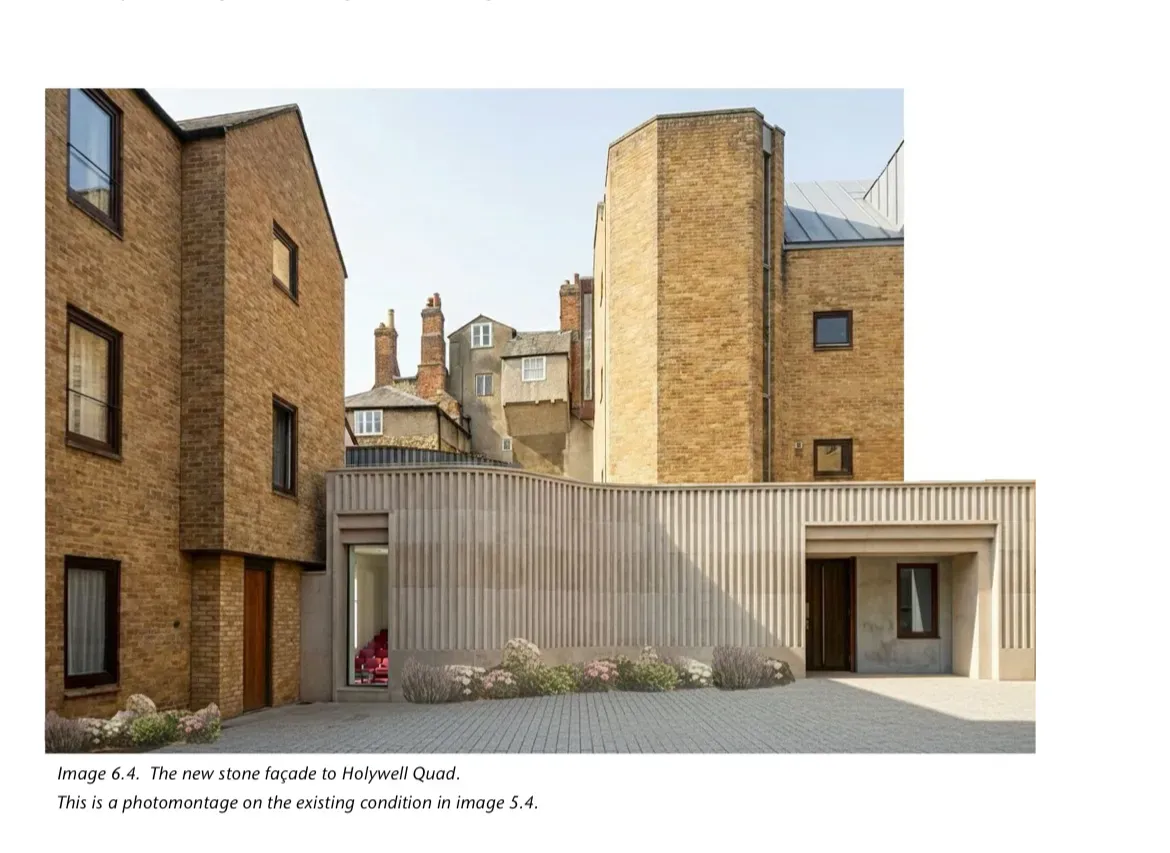
- Hertford College plans to build a new auditorium with a facade described as “a dynamic ripple, akin to a curtain frozen in time and stone”. It will replace the undergraduate common room (JCR), currently in use as a temporary library, in the Holywell Street quad. Extensive building works for a new college library at Hertford began in 2024 and are due to be completed in summer 2027. Archaeologists investigating the site discovered artefacts including a medieval ‘reading stone’ made of crystal.
- The return of the alpacas: The Radcliffe Camera Lawn has once more welcomed a herd of alpacas to alleviate stress during exam times. Staff and students were encouraged to “take a break and meet, pet and feed these peaceful animals”.
- It's in the blood: Oxford University and JR hospital researchers have developed a genetic sequencing method to quickly work out which bacteria are causing bloodstream infections and which antibiotics they are resistant to, helping improve sepsis care and give patients the right antibiotics. Researchers used Oxford University spinout company Oxford Nanopore's sequencing device to get this information in around 3.5 hours. Currently, it takes up to three days to grow bacteria from blood samples, and they have to be grown again in different antibiotics to see which will kill them.
- In a modern-day echo of John Snow’s 19th century cholera map, researchers at Oxford’s Big Data Institute equipped 452 Ugandan children and adults with wearable GPS loggers to study transmission of a waterborne parasitic disease – finding that even those with access to taps still visited open water sites. Co-author Fabian Reitzug said: “Behavioural factors like open water contact have often made it difficult to understand transmission dynamics. We show that it is still possible to isolate regularities in human behaviour to guide better intervention strategies.” In 1854, John Snow identified the source of a cholera outbreak in London by mapping the deaths and finding they were mostly people whose access to water was from a particular pump on Broad Street, later discovered to be polluted by sewage.
- Mei Nortley, consultant vascular surgeon at Oxford University Hospitals, has received the prestigious Moynihan Lectureship and Medal for her research examining how medical tribunals handle cases involving sexual misconduct. The work has helped shape new national guidance to improve fairness, accountability, and workplace safety across the medical profession. Andrew Brent, Chief Medical Officer at OUH, said: “Mei's achievement is richly deserved recognition of her leadership. Her work is influencing important changes at a national level and reflects the values we champion at the Trust. We are incredibly proud to have her as part of the OUH team.”
- Earnest reporting: The BBC is reporting that a newly discovered photograph of Oscar Wilde during his time studying at the University of Oxford has has sold for more than £5,000. It shows Wilde in a group photo taken in the cloisters of Magdalen College.
- Quantum ⅹ Genomics news: Oxford researchers, alongside four other institutions have achieved a first by encoding a complete virus genome into a quantum computer. They coded a Hepatitis D virus (with ~1700 RNA bases) into 117 qubits on an IBM Heron quantum computer. While this is an early step, they hope quantum analysis of genomes will help understand genetic disorders and diseases, such as cancers that cause chromosomes to be incorrectly assembled. Sergii Strelchuk from Oxford’s Department of Computer Science said: “Quantum algorithms help find the best path through this maze when regular tools, such as classic computers, just get hopelessly stuck. The real challenge was to turn a biological sequence into quantum instructions that today’s hardware could actually run.”

Trains and buses
- A train intended for Oxford has been unveiled as the first in Great British Railways livery. The Class 387 electric train was originally built for stopping services to Oxford and painted in GWR green, but when the Government cancelled electrification, it was redeployed to the South Coast. Electrification from Didcot to Oxford was “indefinitely deferred” by Chris Grayling in 2016, meaning that passengers from the Thames Valley heading for Oxford have to change onto a 1990s diesel train at Didcot. Current train operator GWR has repeatedly called for electrification to be resumed.
- Oxfordshire end-of-life hospice Sobell House will have its work showcased on the side of a double-decker bus after the charity won Oxford Bus Company’s annual ‘Brand the Bus’ competition. 2026 is Sobell’s 50th anniversary year. The branded bus will be revealed in the autumn. For Sobell, Nikki Gracey said: “This means so much. A lot of people in Oxfordshire know who we are and what we do, but for those who don’t, it really gets the awareness out there. We care for 4,500 people every year, and that’s increasing.”
Notes from Clarion HQ
It's too hot for witty commentary. Don't forget the sunscreen; peat free compost looks drier than it is; so don't overwater your garden (come for the news, stay for the gardening tips), keep topping up on water, and share this newsletter. Because we'll cover the heat death of the universe* even if no one else seems to care. See you on Friday.
* Our science correspondent points out that the heat death of the universe is actually where everything fizzles out and the universe eventually cools down to the coolest possible temperature. Sounds quite appealing right now.