The final cut: it’s three councils
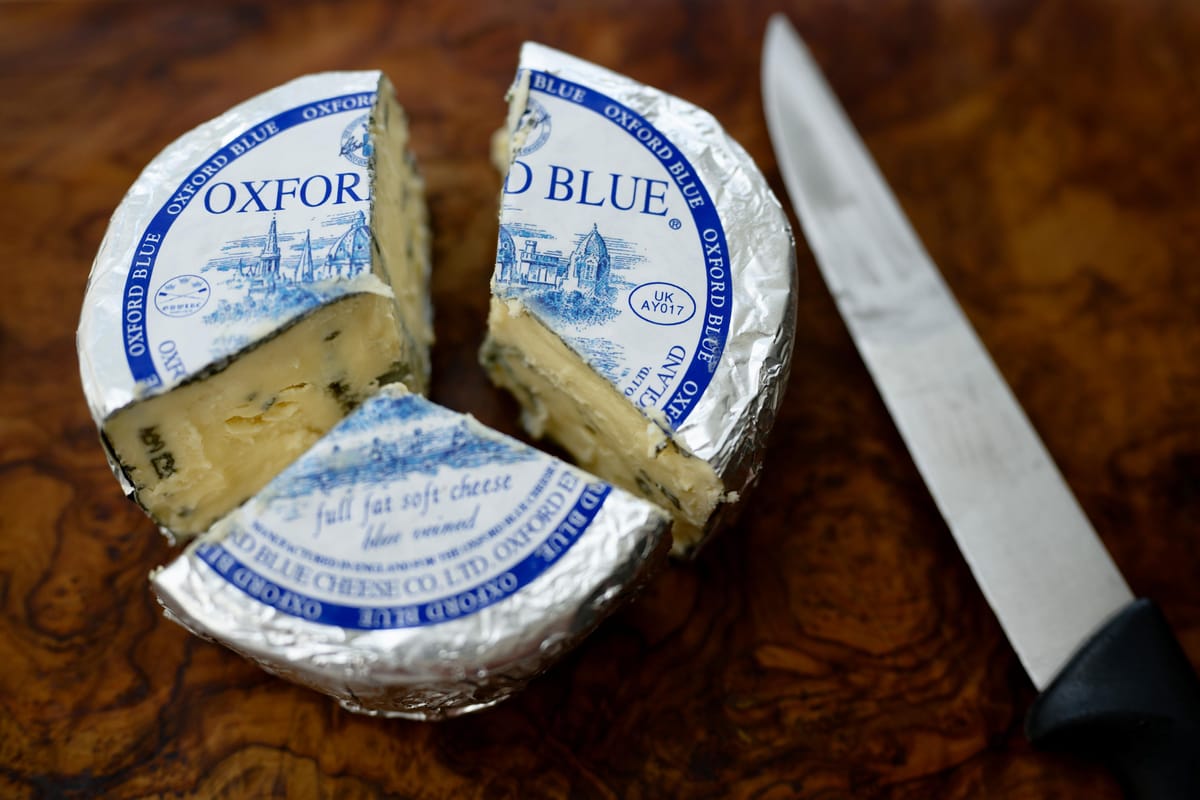
Sharpen the cheese knife and wheel out the Oxford Blue. The future shape of Oxfordshire has been announced, and it’s three councils.
In place of the two-tier system we have at the moment – an overarching County Council which does the big-money items of social care and transport, and smaller city/district councils which look after housing, planning and bins – each area will only have one council. The shape of those areas has been fiercely contested, with each predecessor council making its case to Government for its preferred system.
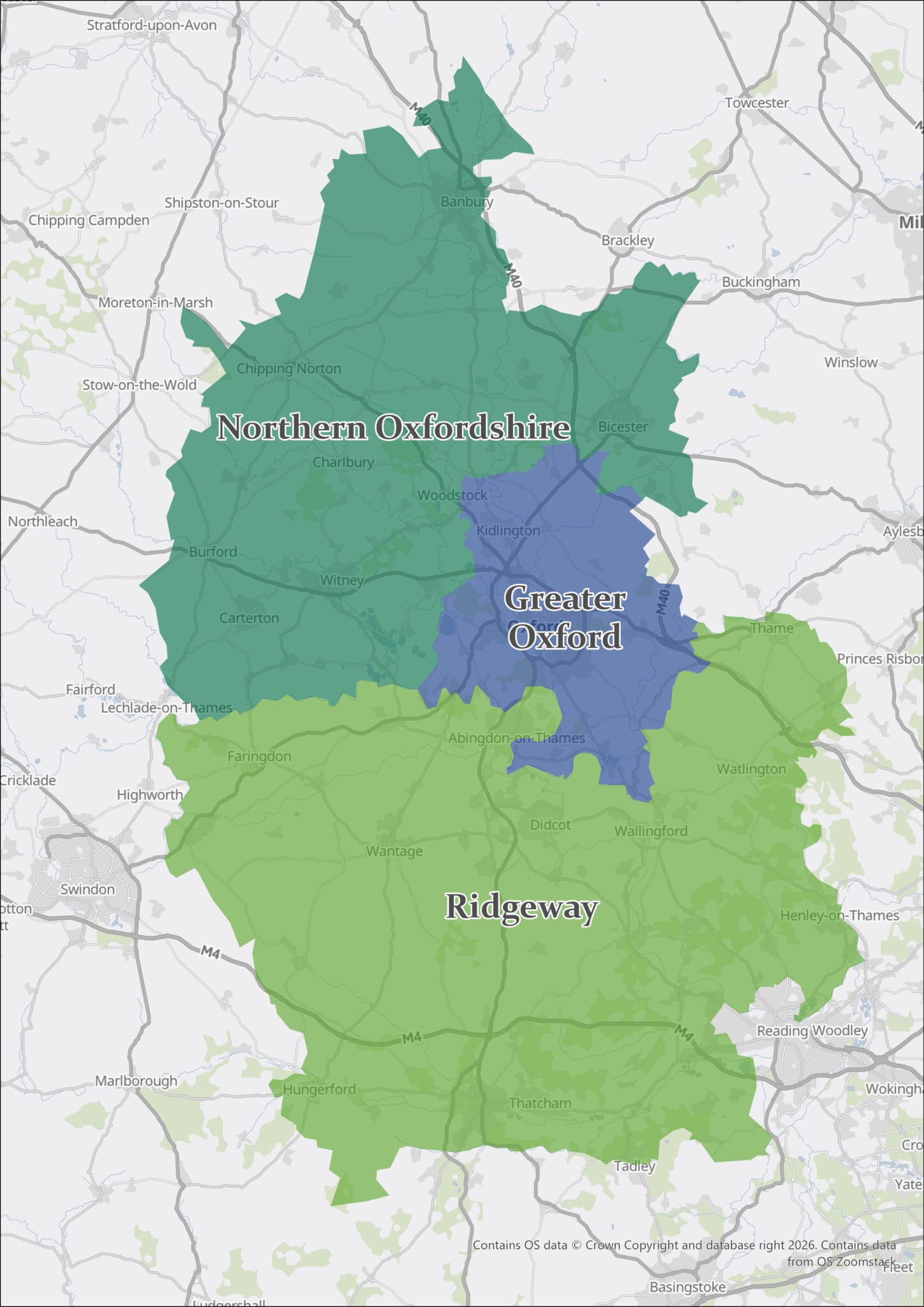
But, in the end, the Labour Government chose the plan proposed by the Labour City Council. Oxfordshire will be divided into three areas, each with their own council.
- Greater Oxford will cover the city plus a clutch of satellite towns/villages: Kidlington, Yarnton and Begbroke; Wheatley, Botley, Culham. (And, to our continued perplexity, tiny Weston-on-the-Green.)
- Ridgeway will merge the districts of South Oxfordshire and Vale of White Horse (apart from the bits going into Greater Oxford) with West Berkshire. So that’s Abingdon, Didcot, Henley, Wantage & Grove, Newbury and Hungerford.
- North Oxfordshire will merge the districts of Cherwell and West Oxfordshire (again, apart from the bits going into Greater Oxford): Banbury, Bicester, Witney, Chipping Norton and Carterton.
The rural districts had proposed a two-way split (Ridgeway and the rest); the County Council had proposed a single council. But despite an initial steer towards larger councils, the Government U-turned and chose the option with the smallest.
The new councils will come into effect in April 2028, at which point the county and district councils cease to exist. Elections will actually be held a year earlier, in May 2027, giving the new council a chance of a flying start. But don’t expect it to be a bunch of fresh faces – most candidates for the 2027 elections are likely to be existing councillors, and there’ll be a whole bunch of jostling before then to secure the nominations.
Reaction
In Parliament, announcing it, The Rt Hon Steve Reed, Secretary of State for Housing, Communities and Local Government called it "the most ambitious programme of local government reform in a generation", and claimed forecast savings of £1bn across the country.
The Shadow Secretary of State, James Cleverley, called the proposal blatant gerrymandering, pointing to proposals accepted in Devon, Leicester and Nottingham as proposed by Labour run councils.
Susan Brown, Leader of Oxford City Council, said:
“Today is a historic day. This decision will shape the future of Oxford, Oxfordshire and West Berkshire for generations. Our proposal will simplify local government, save money and keep decision-making local, so each area can shape services around the specific needs of its residents and businesses. Oxford has needed more room to grow for a generation. The government has listened, and from 1 April 2028 we will have a genuine opportunity to make Oxford and Oxfordshire more affordable for our children and grandchildren.”
Tim Bearder, Leader of Oxfordshire County Council, said:
“I am deeply disappointed in the government’s decision to split Oxfordshire up into three unitary councils – it does not deliver on its vision to simplify and improve local government services. The three-council model does not meet the government’s criteria for scale, efficiency, and financial resilience. It offers the lowest cost savings of all the proposals. We will also need three directors of adult social care, three for children’s social care for example, which increases costs and risks disruption to these high-performing critical services. [...] We will find a way forward to provide the stable foundation our communities and economy need to thrive.”
Bethia Thomas, Leader of Vale of White Horse District Council, said:
"Whilst I am naturally disappointed that our proposal wasn’t chosen after working so hard on it in partnership with four other councils, above all, it is really important we now focus on a positive way forward, keeping our communities as our priority. Many of our rural communities will now be brought into a unitary authority focused on Oxford City. This will impact over 23,000 residents across nine parishes, including Appleton-with-Eaton, Cumnor, Kennington, North Hinksey and Wootton – and I will be seeking utmost reassurance that any changes are carried out sensitively and with local voices in mind. ”
Andy Graham, Leader of West Oxfordshire District Council, said:
“Today’s announcement by Government to proceed with a three-unitary model for Oxfordshire is deeply disappointing. We remain unconvinced that a three-unitary model will provide the simplicity, efficiency and long-term financial sustainability that ministers said they wanted to achieve. At a time when councils face unprecedented financial pressures, creating three separate organisations means additional costs that could otherwise be directed towards protecting frontline services. Local government reorganisation should simplify the system, not create further complexity."
Robin Tucker, Co-Chair of the Coalition for Healthy Streets and Active Travel commented: "Unitary councils are a good thing, but three of them will mean years of continued disputes about where houses should be built, and make countywide transport planning very difficult until a combined authority is in place."
Winners
So who wins and who loses? Here’s our first impressions. We’re writing this during an ill-natured England–Argentina match characterised by rough play, and we don’t expect this process to be much more harmonious…
- Ridgeway. The southern councils have got their wish. A degree of protection from Oxford’s housing demands, particularly now the ‘duty to co-operate’ with neighbouring councils has been sidelined. Stable politics, with three LibDem-dominated districts coming together. And a strong voice at the Thames Valley mayoral table… if that ever happens.
- West Berkshire. The financially stricken district has found refuge in the arms of its more comfortable Oxfordshire neighbours.
- The Conservatives. Since the mid-2010s, Oxfordshire elections have been cheerless for the party that once dominated the county. This offers them a way back to the top table in North Oxfordshire, which combines their two remaining areas of strength – West Oxfordshire and Cherwell. A minority Conservative administration with tacit Reform support is not unthinkable.
- Oxford City’s Liberal Democrats. In recent City elections, the LibDems have stalled, failing to break out from their strongholds of North Oxford and Headington. The Green surge has relegated them to third place. But ‘Greater Oxford’ brings a bunch of LibDem-held seats inside the city limits: Wheatley, Botley, Kidlington (where the Greens also do well), Kennington. The party could well be in prime position after the 2027 elections.
- Cycling into Oxford. Labour’s Greater Oxford plans envisage more building on the outskirts. So far, the question of how new residents get to work has been answered with a handwavy “we will have some more buses”. We think the actual answer will pretty much have to include cycling. (But getting around the city is another question. See below…)
Neutral
- Labour. Hang on, isn’t this whole thing a Labour plan? Yes, it is. It’s also the party’s best chance of retaining any power in Oxfordshire. But that doesn’t mean they will. The party is already outnumbered by the LibDems and Greens together on Oxford City Council. Adding a bunch of LibDem-held suburban seats, most of whom will resent their absorption into Oxford at Labour’s behest, makes Labour’s chances of holding on even harder.
- House-building. Hang on, isn't this… (vol. 2)? Yes, it is. The idea behind Greater Oxford is precisely to build more houses on the outskirts. But legally, that’s still just an aspiration. It isn’t yet codified in the city’s Local Plan, which has just been approved for submission; and if Labour lose power, maybe it never will be. Unless, as threatened, the Government imposes an unelected development corporation to take on planning duties. How well do you think that will play at the ballot box in Kidlington?
- The Greens. We don’t see a strong upside or downside for the Greens in these changes, other than making the coalition maths easier in Oxford.
Losers
- North Oxfordshire. No coherent identity, febrile politics, the smallest economy, and the most intractable traffic problems. Separated from Oxford and the economic miracle that is Science Vale, North Oxfordshire is the runt of the litter, with little to distinguish it from unglamorous neighbours like West Northamptonshire. We think the leaders of Cherwell and WODC should do some soul-searching tonight on whether they’d have done better backing the single Oxfordshire bid.
- Oxford traffic. The uncomfortable truth is that bold decisions on Oxford traffic – the congestion charge/traffic filters, Low Traffic Neighbourhoods, free Park & Ride buses – have been pushed through by the rural councillors on Oxfordshire County Council, first Conservative, latterly LibDem. Meanwhile, the City Council has been timid at best: Labour has campaigned to exempt city residents from the congestion charge entirely, and only this week pushed back on car-free/car-light developments on the city outskirts. We would like them to follow up a motion well down the order paper at this week’s council meeting (18f) by announcing “Greater Oxford will build a network of Dutch-style segregated cycleways”, but we’re not holding our breath.
- Railways. Oxfordshire County Council’s OxRail 2040 plan was a textbook example of whole-county thinking, promoting new stations and improved services all feeding into Oxford. Oxford City Council will rightly point to its success in securing the Cowley Branch Line, but beyond a new station at Begbroke, there are limited pickings to be had within Greater Oxford. In theory wider transport thinking should be taken on by the Thames Valley Mayor, but we return to our usual question “how will involving Bracknell make things better?”.
- Harwell. Oxfordshire’s science campus, today separated from Oxford University and their fellow scientists at Culham.
- The Green Belt. Clarion readers include both YIMBYs and conservationists (sometimes both at the same time) so we’re not taking sides here. But if you do believe in preserving Oxford’s Green Belt, the creation of a council with the express intent of building on more of it is sure to worry you.
- Speedwell House. Oxfordshire County Council’s proposed new headquarters – already surplus to requirements?
We’ll have more coverage in the Clarion in the weeks and months to come. And, as always, our inbox is always open for your insights and tip-offs – you can reach us at news@oxfordclarion.uk.
Further reading
- Previous coverage in the Clarion:
- Rearranging the pieces on the Oxfordshire cheeseboard (Dec 2024)
- Make Oxford Great(er) Again (Jun 2025)
- Oxfordshire’s councils: slicing the cheese (Oct 2025)
- Oxford City Council’s 3 Councils prospectus site
- Today’s Government announcement