
Ukraine’s second wave of refugees
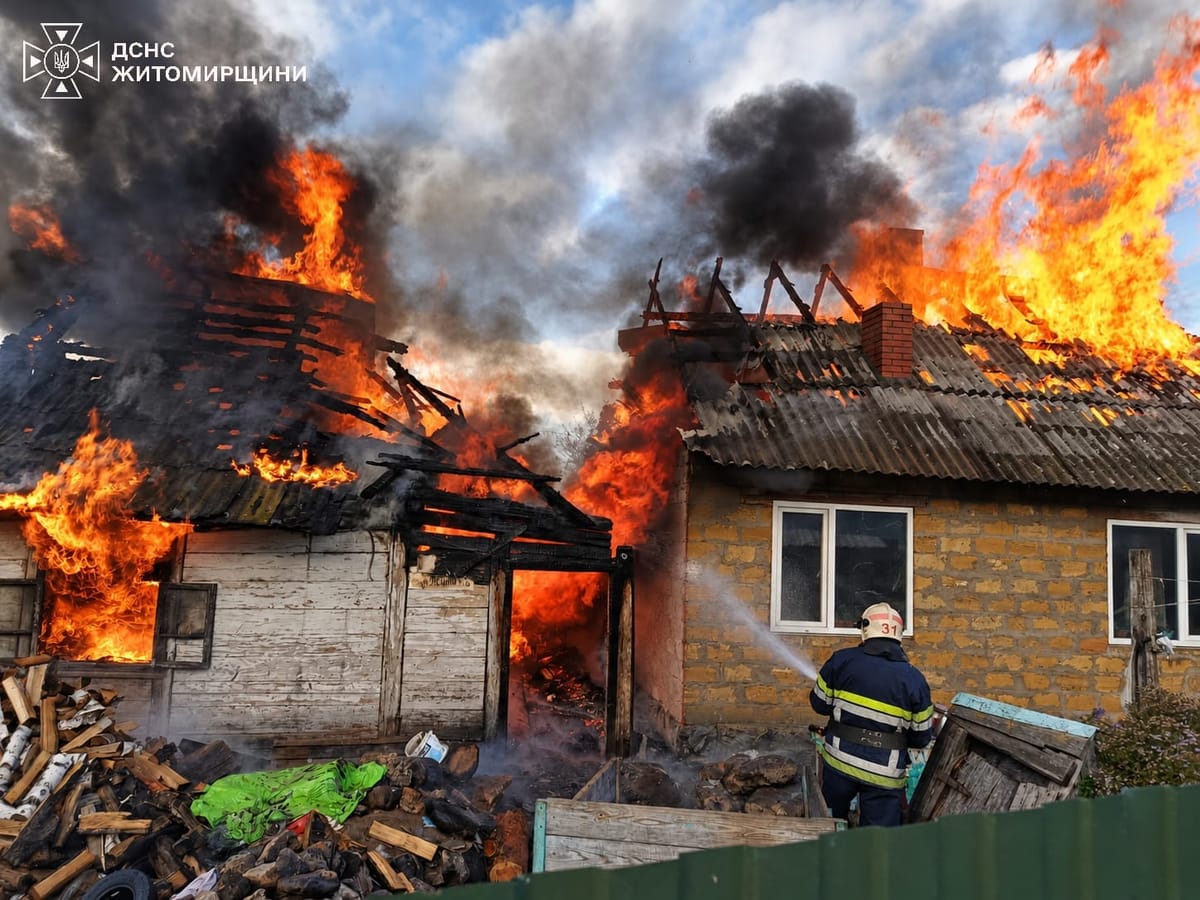
A new wave of Ukrainian refugees is asking for shelter in the UK. Oxford-based aid worker, campaigner and organiser Justin Robinson asks how people in Oxfordshire can help this Christmas.
Since the beginning of the full scale invasion of Ukraine, 2,887 Ukrainians have found sanctuary in Oxfordshire. Many have since returned home, but with winter approaching and attacks escalating on civilian populations, a new wave of refugees needs our help.
Someone suggested that by 1 November I put up the twinkling lights on the front of my house in England. It will make the house warm and inviting. This someone is a refugee from Ukraine – trying to put a positive spin on life. Her part of Ukraine is occupied and she’s not seen her mum for many years. So lights will go up, if that’s what cheers her up just a little.
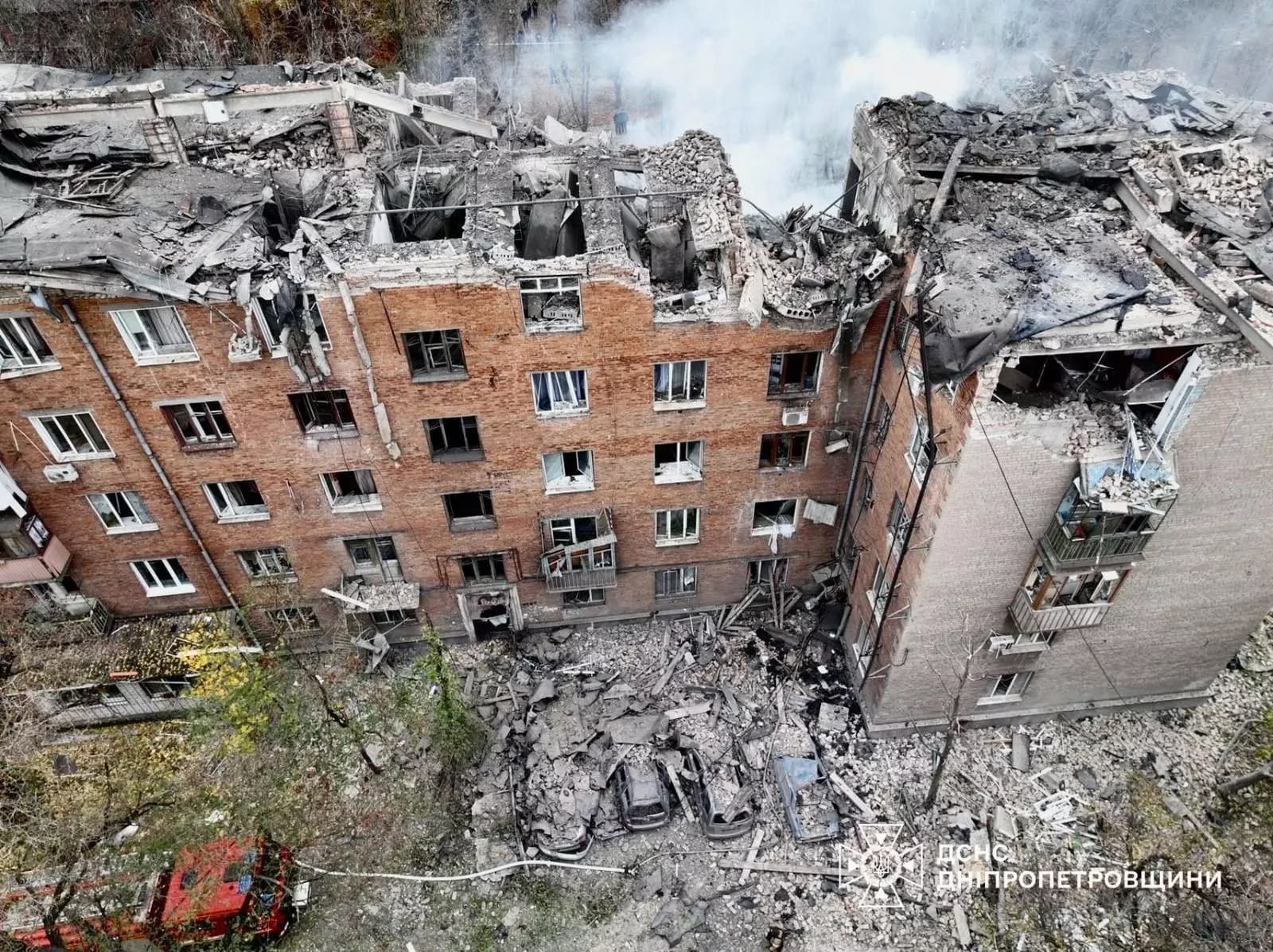
But every victim of this war has their own story. The full-scale invasion of Ukraine is not just relentless in terms of savagery – it’s actually worse now than ever. Let me explain. In 2026, the aggression by the Russian Federation has actually focused more on terrorising civilians, to make Ukraine impossible to live in. The targets vary, but terrorising ordinary people at home, at night and in the workplace is clearly a priority. Imagine spending the night in a bomb shelter with strangers, and then getting up and going to work as normal, whilst all the while keeping one ear out for a siren. The intention is clearly to break Ukraine’s resilience and spirit.
Increasing attacks on civilians
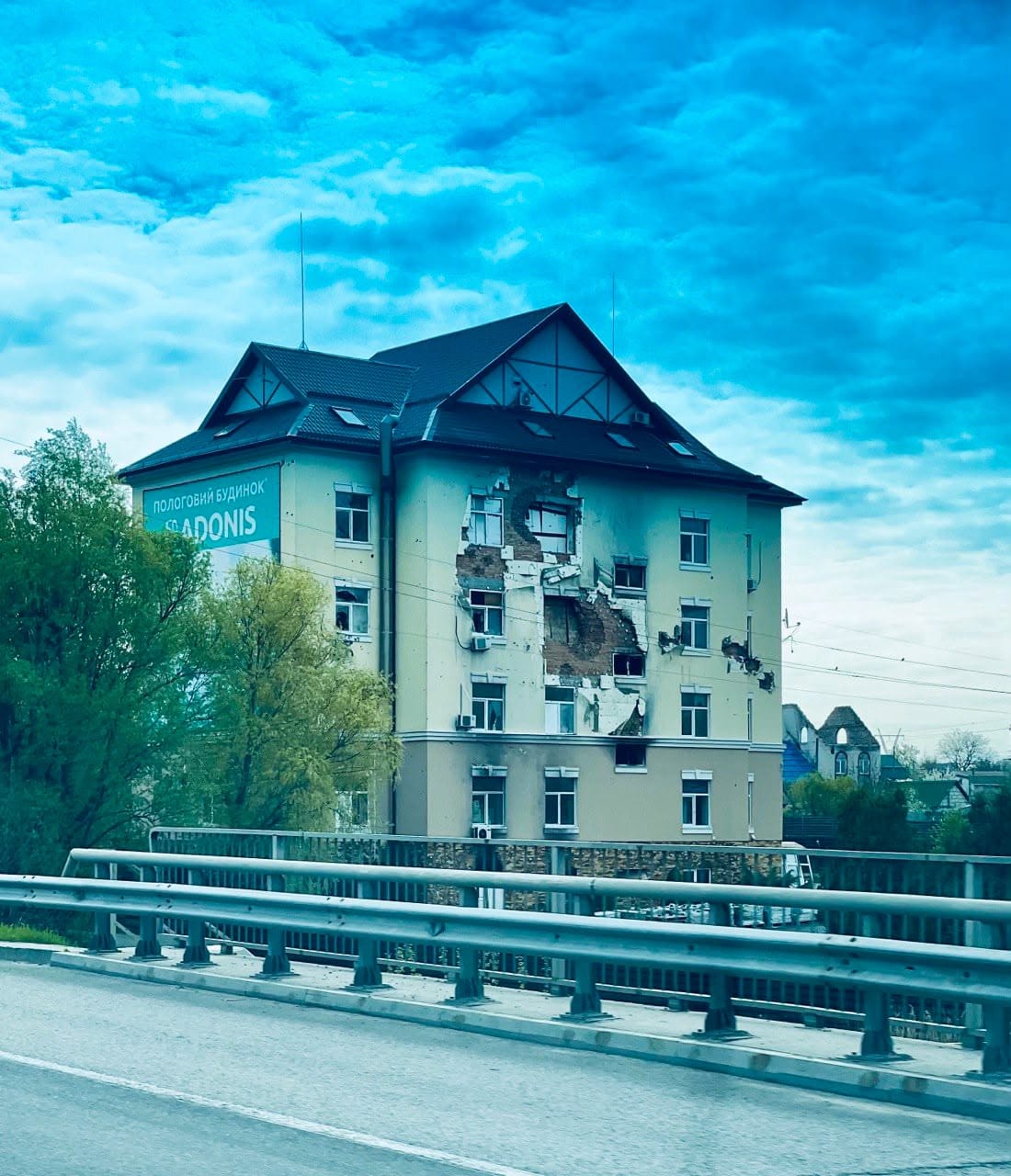
In July this year, civilian casualties for one month reached 448 killed and 2,675 injured (United Nations: Human Rights Monitoring Mission in Ukraine). In August, the number for civilians was 373 killed and 2,349 injured.
Many of the injured are badly injured. They often share hospital wards that are already full with soldiers. There are child patients sleeping in hospital basements for safety. Staff are very stretched at all hospitals. Volunteers work everywhere to tend to the patients. I know because I have visited hospitals in Ukraine, I have met traumatised children, and fed soldiers with missing limbs.
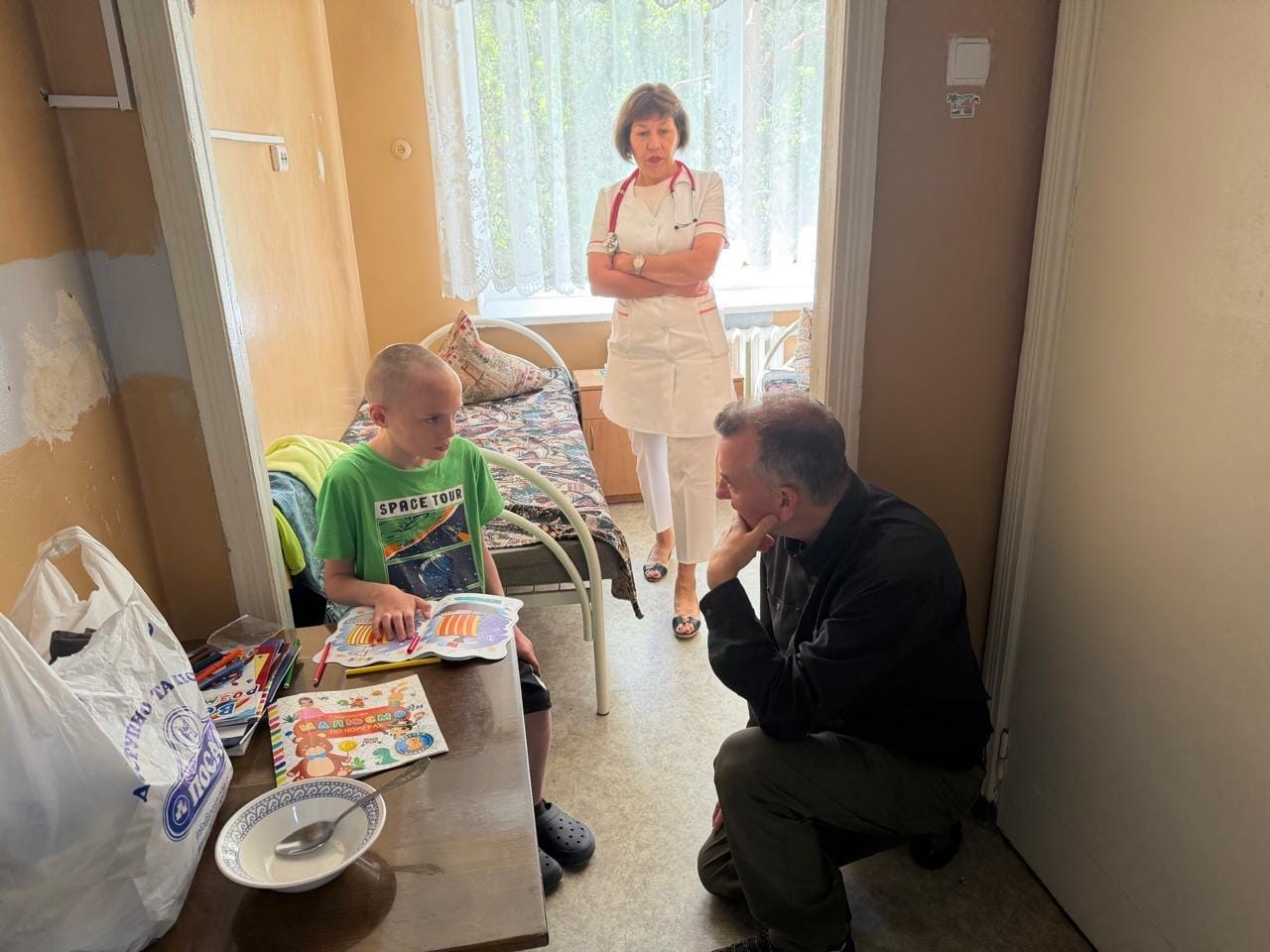
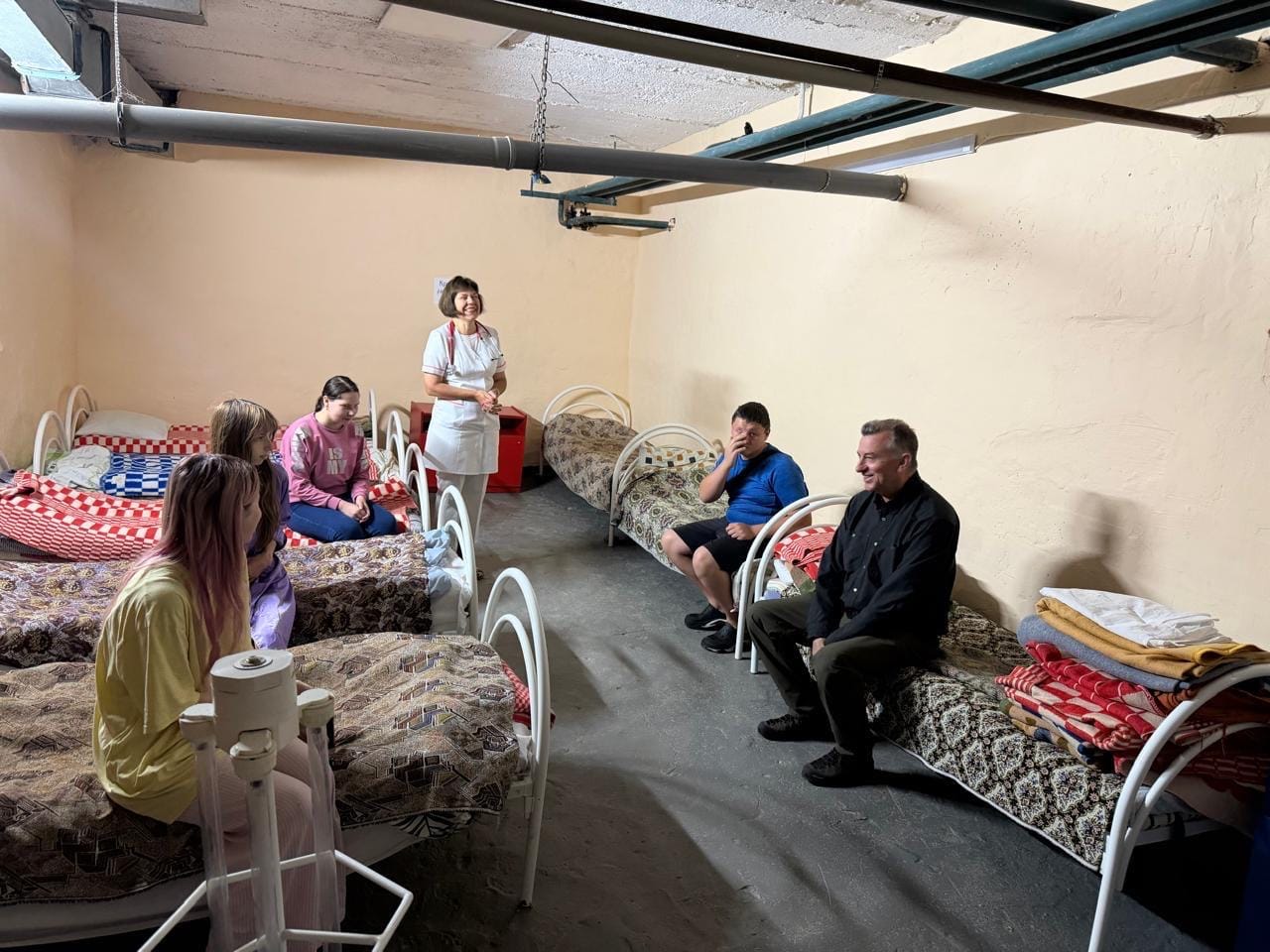
Children’s hospital in Saltivka, Kharkiv Oblast - children sleep in the bomb shelter in the basement to minimise the stress of constant evacuations
In August, 47% of these casualties were from long-range missiles and drones – meaning that cities and towns far from the front line have this experience with regularity. Nowhere is truly safe. The Russian Federation has also kept busy innovating faster drones and sourcing a growing variety of ballistic and other missiles that rain physical destruction, spread fires and deliver huge shock-waves resulting in further mental trauma.
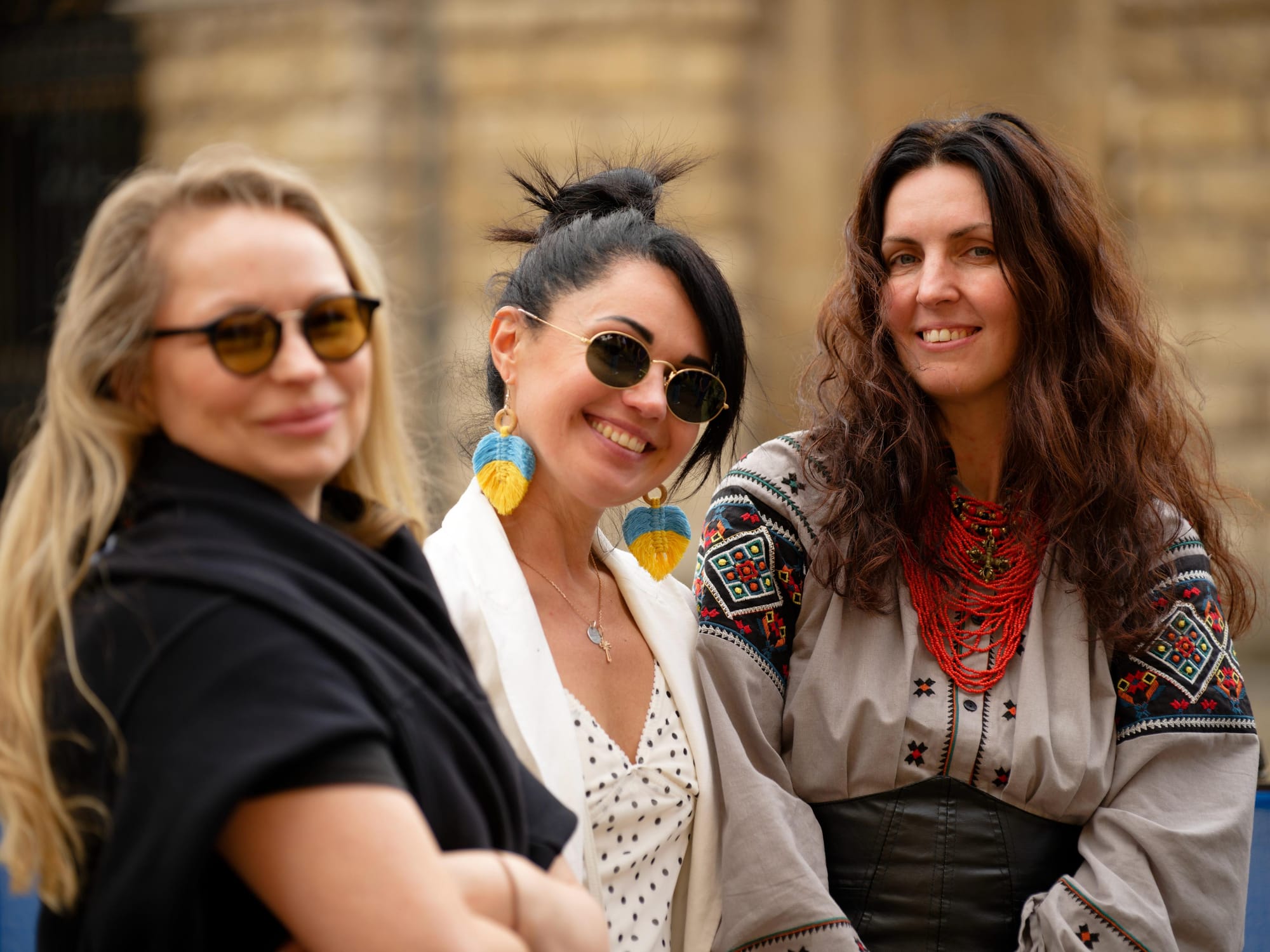
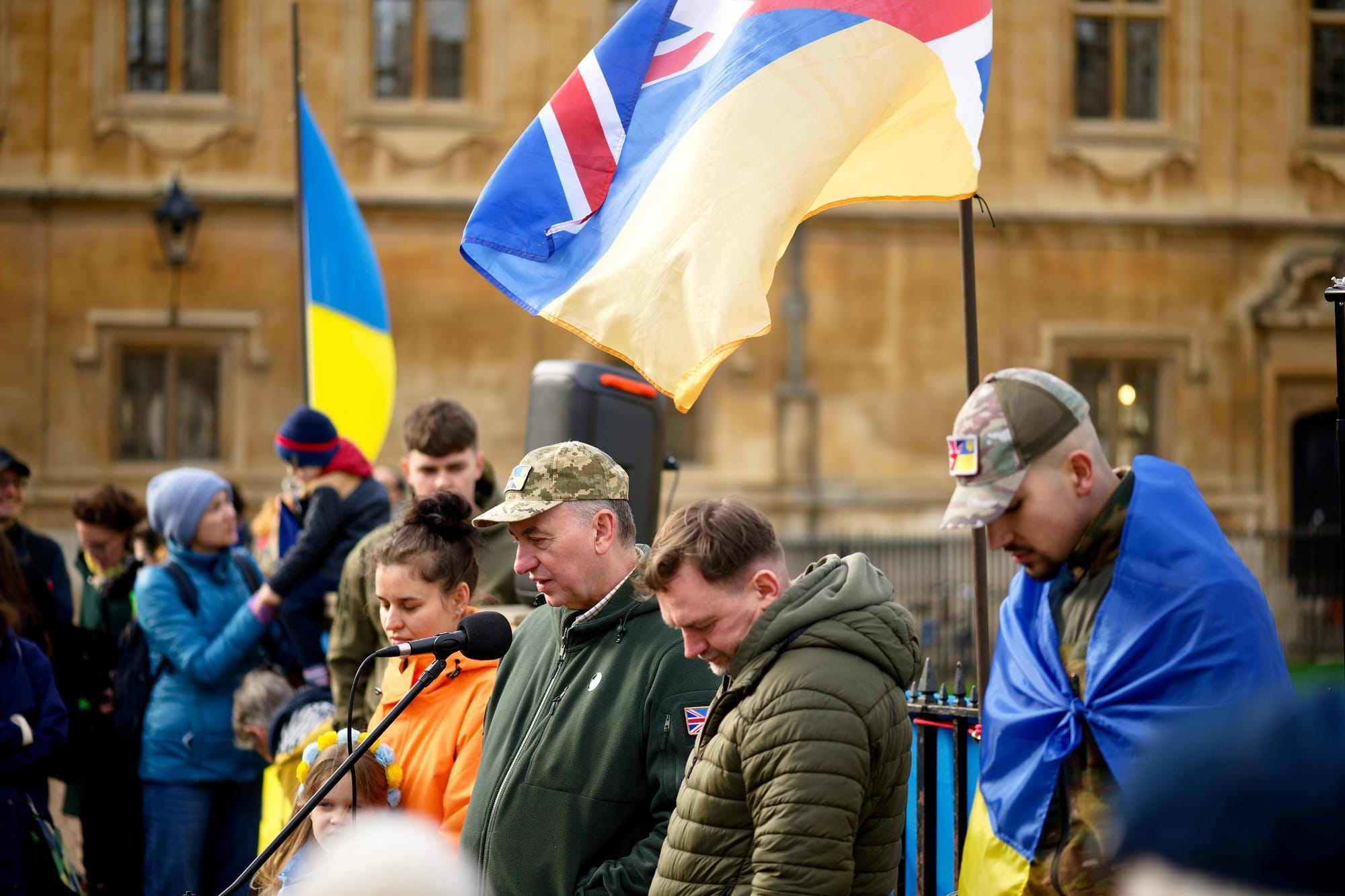
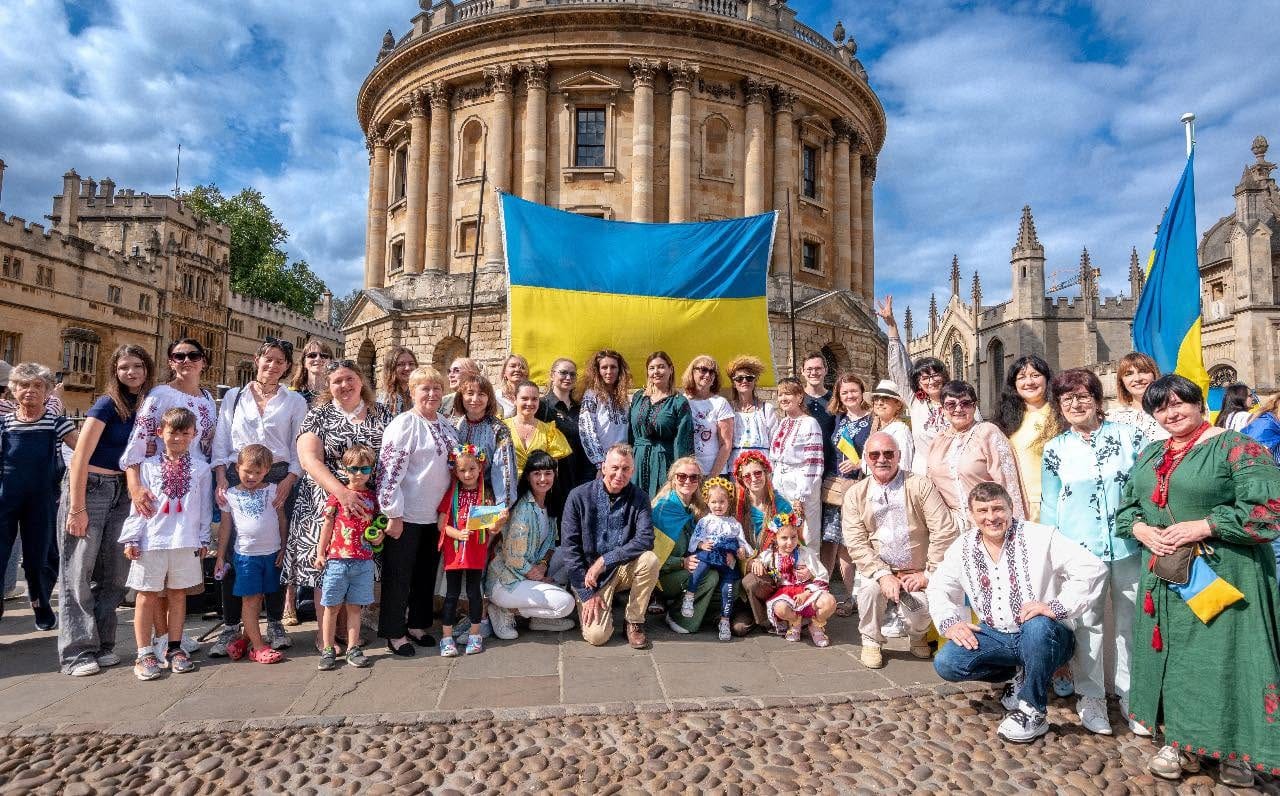
Ukrainian refugees turned charity workers for Ukrainian charity Razom in Radcliffe Square. (Photo by Roger Close)
A county of sanctuary
At the very beginning of the war, the UK population was horrified at what it saw unfolding on its TV screens, in a European country, not far away. The UK government responded by setting up the ‘Homes for Ukraine’ scheme. Under this scheme, Ukrainians can live and work in the UK if a British sponsor agrees to provide accommodation for a minimum of 6 months.
In an outpouring of solidarity, the first 24 hours of the scheme saw around 100,000 British households signing up to host Ukrainian refugees. In Oxfordshire, a county of sanctuary, 929 British hosts welcomed 1,956 Ukrainian guests in the first year alone.
Ukrainians have become a valued part of the Oxfordshire community, although many have since returned home. A recent study by Birmingham University showed that more than three-quarters (76%) of Ukrainian refugees were working, with 56% working more than 30 hours per week. Only 7% were unemployed. Various community hubs sprang up, in Oxford, Abingdon and Didcot, to help Ukrainians meet each other and settle.
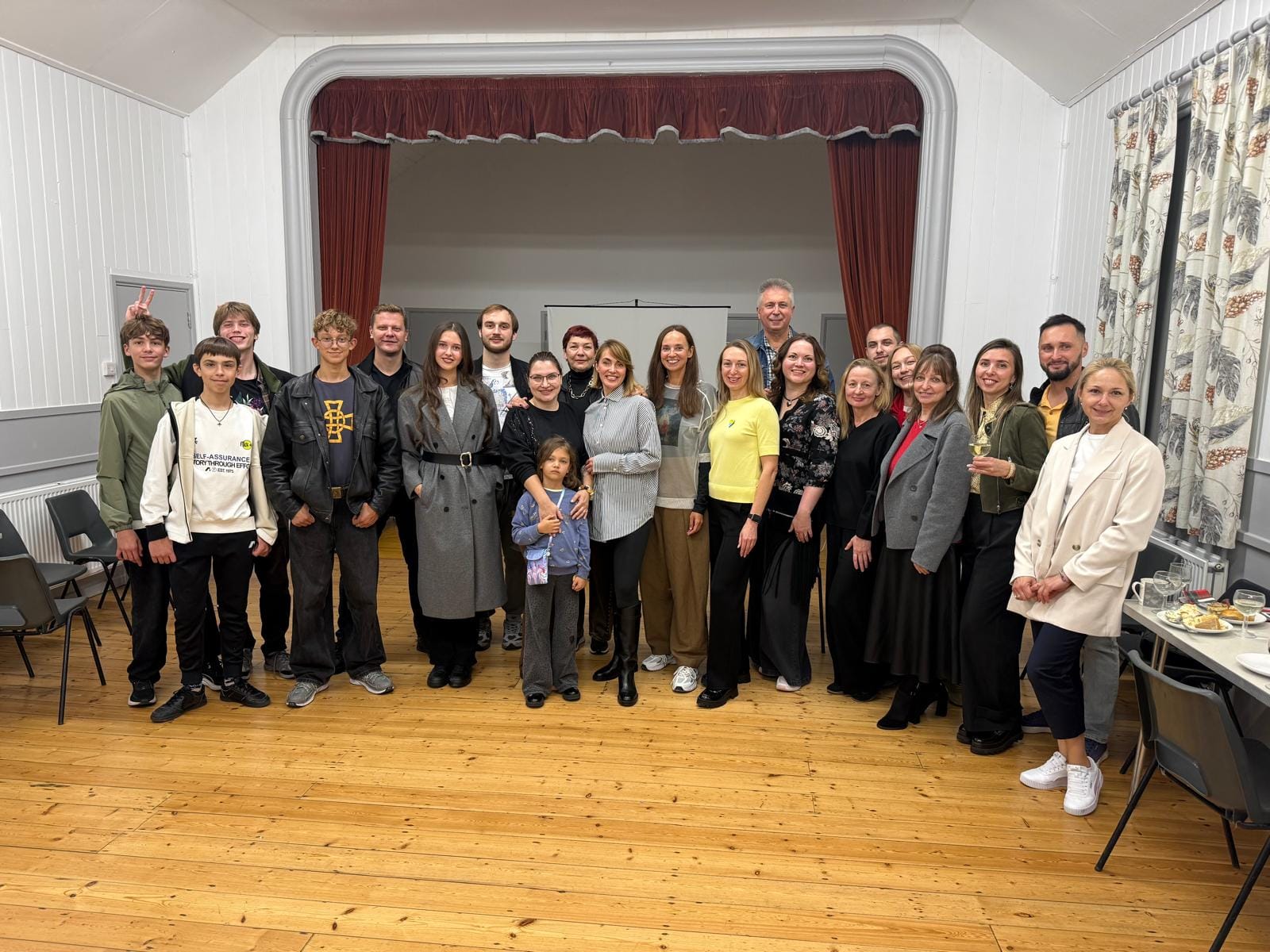
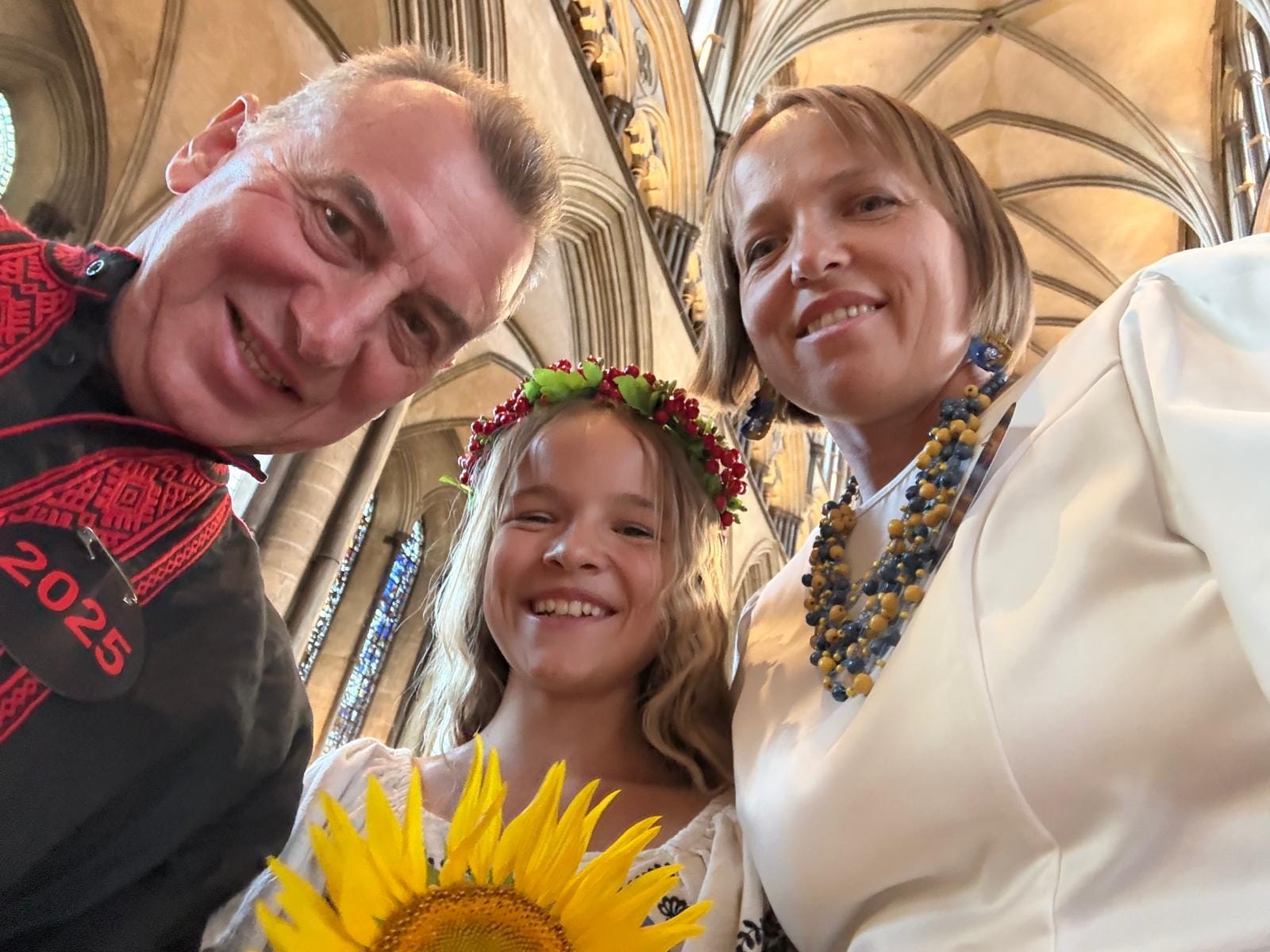
Stephen and Sarah Rudge have been hosting Ukrainians since the beginning of the full scale conflict.
“It has been an enormous privilege to have been involved in the homes for Ukraine scheme. It has been a very beneficial experience; 4.5 years on, we feel that the Ukrainians we helped have become family and have taught us so much about resilience and human character which modern Britain seems to have lost.”
The Homes for Ukraine scheme is needed again
But the need hasn't gone away, and the danger has changed, exponentially – so why is the world not opening its doors once again to help this new wave of refugees?
It’s true that many helped with Ukrainian ‘guests’ in 2022 and but many others thought about it and decided it was not convenient. Perhaps they misunderstand what is asked of a host. Helping is not such a cumbersome or lengthy challenge: a British person can sponsor a Ukrainian mother and child or other person for six months and then ask the local council to help if a longer term is needed. But please consider doing this as we approach winter – this six-month period could be vital to help keep a few more people safe through a freezing winter with incessant power cuts and the devastating blitz.
At the beginning of the war, the UK government set up the Homes for Ukraine scheme. While its shape has changed over time, at present anyone can offer to host a Ukrainian in their home, as long as you are a British or Irish citizen (or with indefinite leave to remain in the UK) and over 18. You can offer a home to someone applying to come to the UK (as a ‘sponsor’), or someone already living in the UK (as a ‘host’). You are also eligible for a small monthly stipend for the duration of their Homes for Ukraine visa permission, which is up to 18 months, for those new to the UK.
Right here, right now
The world's media abounds with horror stories of daily life in Ukraine, none more so than Holocaust survivor Baba Zhenya, found entombed in ice in her apartment in Kyiv. A winter in Ukraine is brutal at the best of times: a wartime winter, with power outages and drone threats, even more so. Many Ukrainians are trying to move out of the cities to safer areas as winter approaches – but accommodation is in short supply.
As autumn gathers speed and the mercury drops in the UK and Ukraine, become one of the ordinary men and women who make a massive difference to someone’s life! And please, act now so you can help before temperatures fall further. Your spare room could be the best Christmas present you've ever given.
Ukrainian charities
Not everyone has room in their home. But if this article has struck a chord, these hard-working charities, large and small, would welcome your support.
- Ukrainian Medical Charity. Ukrainian Medical Charity operates across the UK including in Oxford to coordinate expertise and deliver medical aid and ambulances to Ukraine. Donate here.
- Oxford Kharkiv Association. A link between Oxford and frontline Kharkiv, helping the people of Kharkiv in wartime, in reconstruction and in recovery.
- Razom Oxfordshire. With a name meaning ‘together’, this charity focuses on Ukrainians in Oxfordshire, and Ukrainian culture as part of Oxfordshire. They may be making Christmas boxes for frontline soldiers, or teaching children Ukrainian dancing in Didcot.