
Voles in the Vale… and friends
Council biodiversity reports might not seem the most thrilling reading. But underneath the dry pages of figures is a promising story of rewilding and recovery.
The Vale of White Horse and South Oxfordshire District Councils recently released new biodiversity reports, which (perhaps surprisingly) offer an encouraging look at the regions’ biodiversity, and the steps being taken to protect it. The two reports acknowledge that nature is under pressure due to climate change, development, and habitat fragmentation – but they also chronicle work carried out in recent years to support local wildlife, as well as plans moving forward. We took a look at the detail behind the headlines.
Rare habitats in the Vale
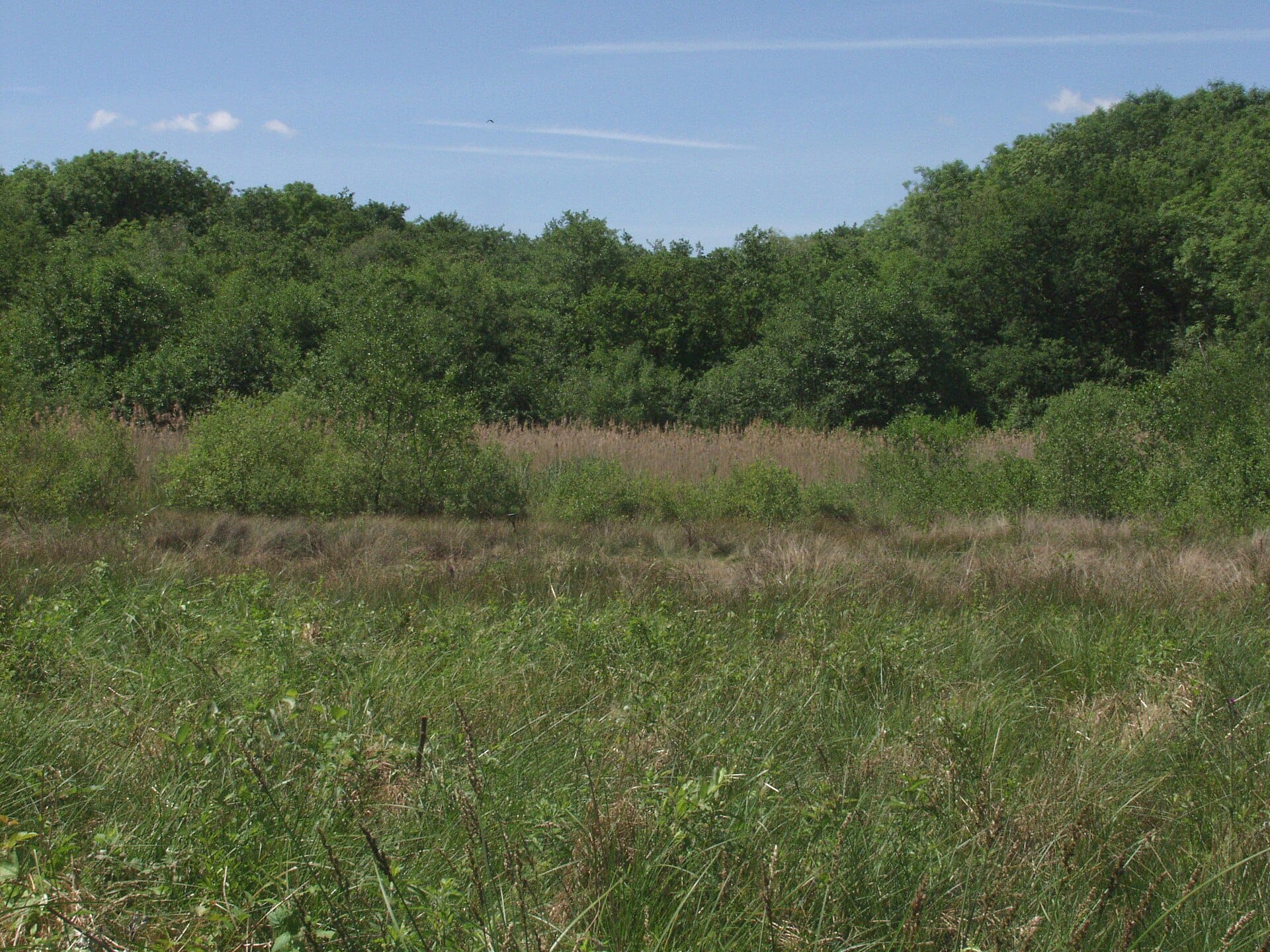
The Vale of White Horse is the home of environments including the well-known chalk grasslands and streams, and host to a range of species that define the local countryside.
According to their Biodiversity Report, one of the most significant successes is the increasing water vole population in the River Ock, a positive indicator for the health of local waterways. The Vale is also home to Cothill Fen, which is the largest surviving example of alkaline fen in central England and is recognised as a Special Area of Conservation (SAC).
168 priority species have been recorded in the last 10 years across the Vale, with notable concentrations found in the ‘Cothill-Frilford Triangle’, which lies astride the Midvale Ridge, west of Abingdon-on-Thames and includes the Cothill Fen SAC. The area is also rich in invertebrates, including the large scabious mining bee and its kleptoparasite the armed nomad bee. Cothill Pit hosts 30 butterfly species out of the 58 on the UK list and is considered to be the best butterfly site in the Vale and one of the best in Oxfordshire.
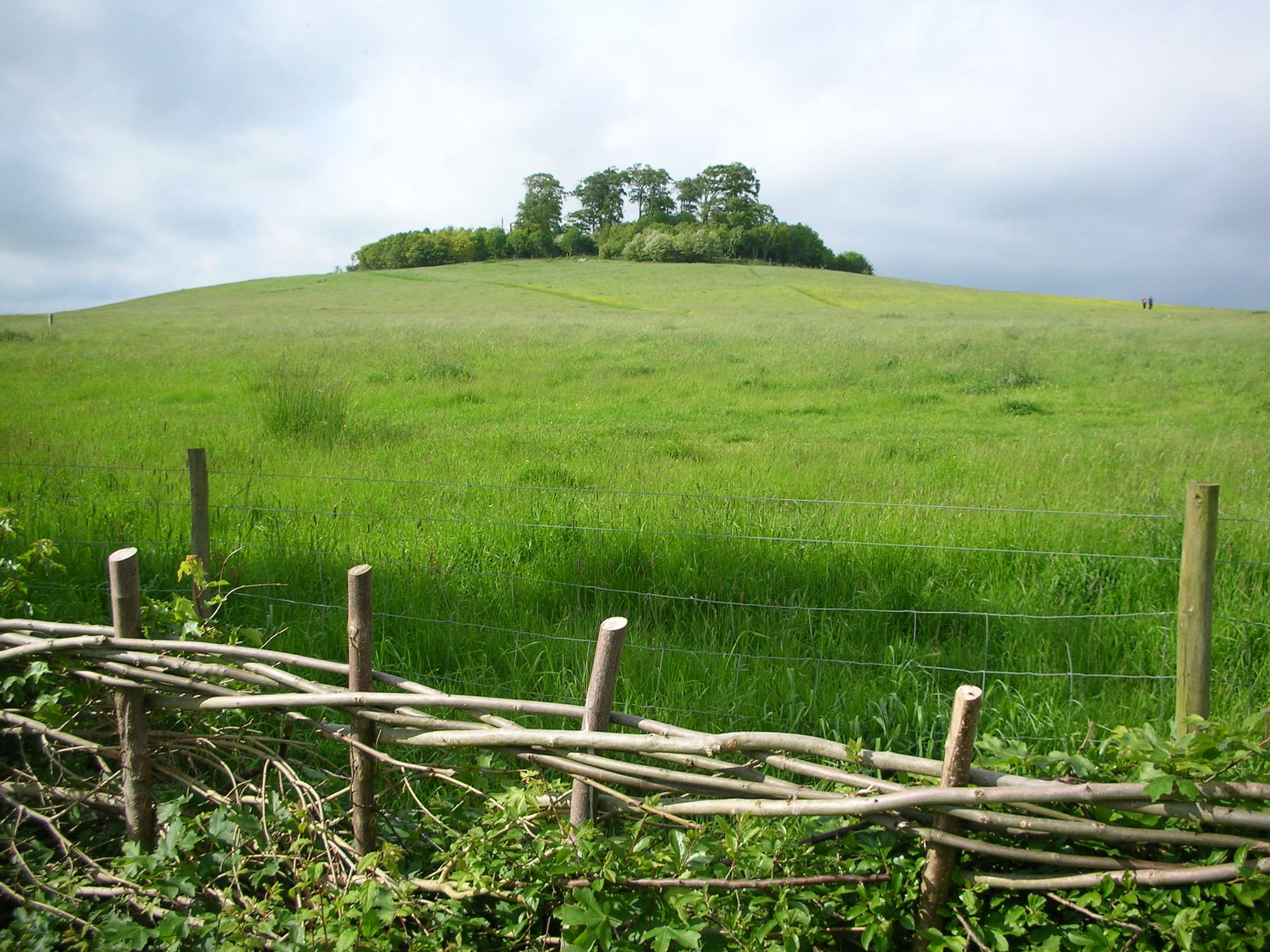
The council is taking an active role in managing green spaces such as Willow Walk in Wantage, while working closely with expert partners to care for other sites. These include the Earth Trust, which manages council-owned land at Abbey Fishponds, Besselsleigh Wood, and Tuckmill Meadows, and ensures these areas benefit from specialist conservation knowledge. Similarly, the Abingdon Naturalist Society looks after Barton Fields, providing a space where local nature and residents can coexist.
Cllr Robert Clegg, the cabinet member responsible for nature recovery on Vale of White Horse District Council, notes that while these habitats face pressures from climate change and development, nature conservation is a key priority and is already yielding visible results.
Nature recovery in South Oxfordshire
The South Oxfordshire report’s focus is similarly positive, with a strong emphasis on the unique landscapes of the Chilterns and the district’s wildflower-rich meadows.
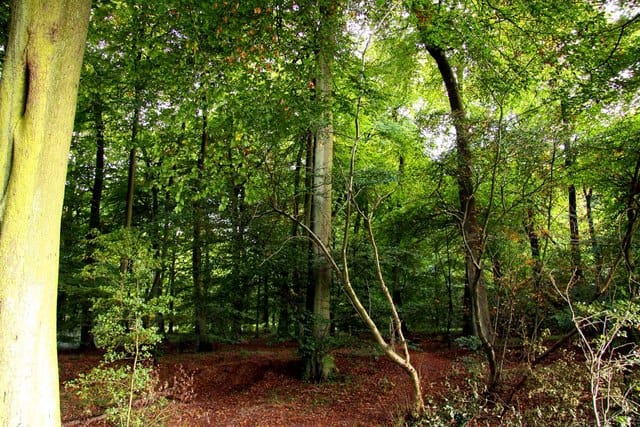
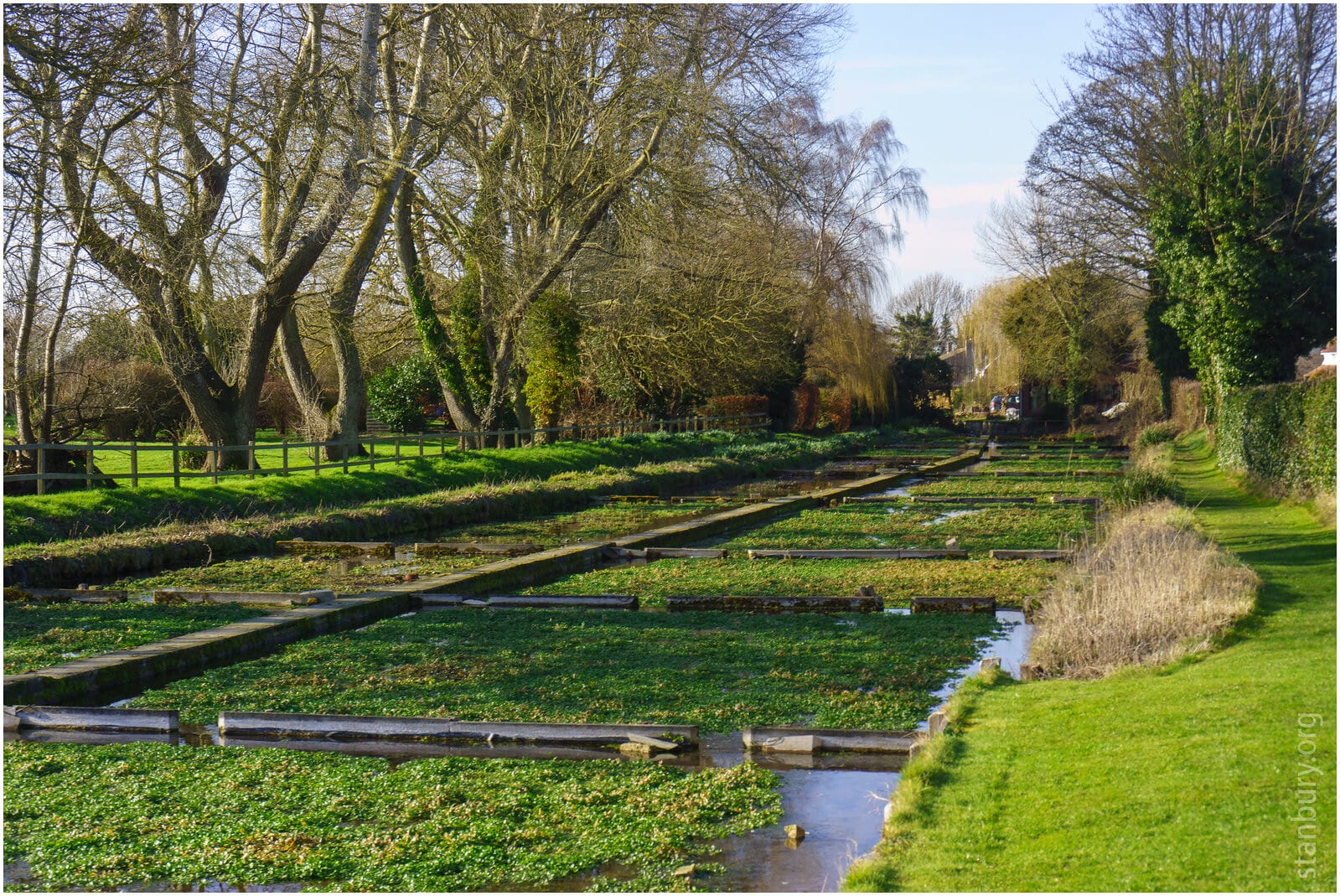
Woods at the Aston Rowant Nature Reserve (Steve Daniels at geograph.org.uk, CC BY-SA 2.0); Ewelme watercress beds (Howard Stanbury, at Flickr, CC BY-NC-SA 2.0).
Ecological networks are a key part of the biodiversity strategy in South Oxfordshire – connecting nature reserves like Cuttle Brook, Ewelme Watercress Beds, Mowbray Fields, and the Watlington Chalk Pits. The district is home to the Aston Rowant National Nature Reserve, where flower-rich chalk grasslands and juniper scrub provide a home for a diverse range of species.
Particularly notable in South Oxfordshire are chalk streams – a globally rare habitat. There are only 224 in England, but together they constitute over 85% of the total world resource.
Chalgrove Brook, Lewknor Brook, Chinnor and Sydenham Brook, and Cuttle Brook are home to a diverse fauna, including bullhead, brook lamprey, stone loach, fine-lined pea mussel, and a small population of brown trout. The Ewelme Brook is a small chalk stream that rises from the spring line at the foot of the chalk escarpment at King’s Pool in Ewelme and flows for 3.8km to its confluence with the River Thames at Benson. Despite many pressures, including extensive culverting, the Ewelme Brook supports a small population of brown trout and otter are regularly seen along its banks.
This video shows the Chalgrove Brook, a chalk stream, its biodiversity, and the efforts that are being made to preserve it.
The council manages over 40% of its land for the benefit of nature, which can create a more joined-up network for wildlife to move through.
These sites are not just havens for rare plants and insects but also valuable spaces for the community to connect with the natural world. The council’s approach relies on steady, local action, working with organisations like the Trust for Oxfordshire’s Environment (TOE) to fund small-scale, high-impact projects that make a real difference to the local landscape.
Co-working
Regular Clarion politics followers will know that the councils have been working together to draw up a Joint Local Plan 2041. This shared strategy introduces updated policies around Section 106 planning obligations, to ensure that future developments across both districts contribute more to the environment than they remove – although not necessarily in the same location. A key feature is the requirement for a 20% ‘Biodiversity Net Gain’ on new projects, alongside a push to link up habitats for commuting wildlife.
New guidelines also focus on the finer details of green design, from protecting mature trees and increasing canopy cover, to integrating bird boxes and garden ponds into new housing. Watercourses are set to be treated as central features of any new development, protecting their ecological health while creating natural, riverside spaces for residents.
Community-led conservation
Both councils will continue to support volunteers who want to be involved in nature recovery. In the Vale, the Nature and Climate Action Fund, which began in 2022, has awarded over £390,000 to climate action and nature restoration projects, including a new floodplain meadow in Cumnor, a wetland area in Sunningwell, and a new woodland in Blewbury. This year’s fund opened on 5 May.
In South Oxfordshire, the partnership with TOE ensures that Community Infrastructure Levies from developers are channelled back into the community. Around £50,000 is distributed annually to support local nature initiatives, allowing community groups to take the lead on everything from planting hedgerows to restoring ponds.
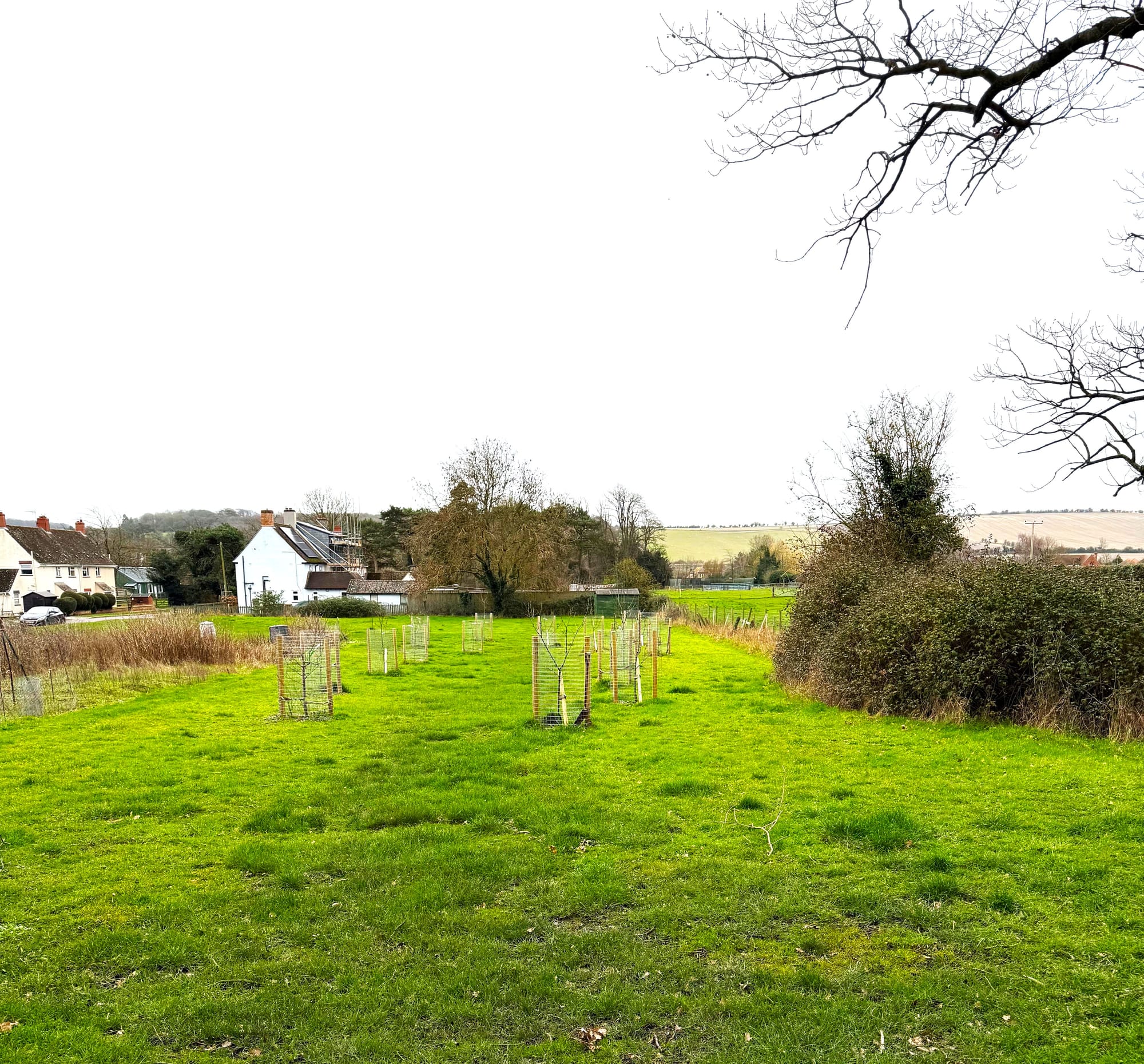
Going further, both councils have this week made it easier for community organisations to create nature recovery projects such as wildflower meadows on district council-owned land. A previous tree-planting scheme has been expanded to include planting shrubs; sowing wildflower meadows to encourage pollinators; and installing man-made habitats such as insect ‘hotels’, and bird and bat boxes, to help increase local wildlife.
In March 2025, Kingston Lisle Parish Council used the previous tree-planting scheme to plant 16 fruit trees on District Council-owned land in the village. A year on, the young trees provide a great habitat for insects and wildlife, and the village is looking forward to its first harvest from its new orchard later in the year. In the words of Cllr Robert Clegg, “All of these measures can only increase the biodiversity and that is good for us as well as for wildlife.”