
The Clarion, 30 June 2026
You're a Clarion reader, you were always cool… but hopefully slightly cooler now. In today’s edition we have local dispatches from the climate emergency (we'll keep covering it, even if everyone else seems to be illustrating their heatwave pieces with bikini-clad women enjoying themselves on the beach); an unusual outbreak of consensus on the proposed asylum centre in Bicester; one extremely angry MP, a whole lot of AI and some very cute ducks.
This week’s long reads
In 2019, most of Oxfordshire's councils declared a climate emergency. As climate change bites seven years on, we felt this week was the right time to take a look at their progress, and ask if the actions match the words. How do you think your council is doing?
 Oxford Clarion
Is your garden looking a little crunchy after the recent heat? Our horticultural expert Amandine offered practical advice last year. We'd say it's an evergreen article, but that, of course, entirely misses the point…
Clarion guest contributor
This week’s top stories

A temperature of 34.3°C was provisionally measured at the Radcliffe Meteorological Station last Tuesday, equalling the record for temperatures in June set exactly 50 years ago. The highest temperature ever recorded at Oxford was 38.1°C in July 2022.
The World Weather Attribution organisation said similar daytime heat in June is now 10 times more likely than in 2003, and that the heatwave was 3.5°C hotter than equivalent conditions in 1976 due to fossil fuel emissions. We looked at weather observations and climate science in Oxford in a long read last year.
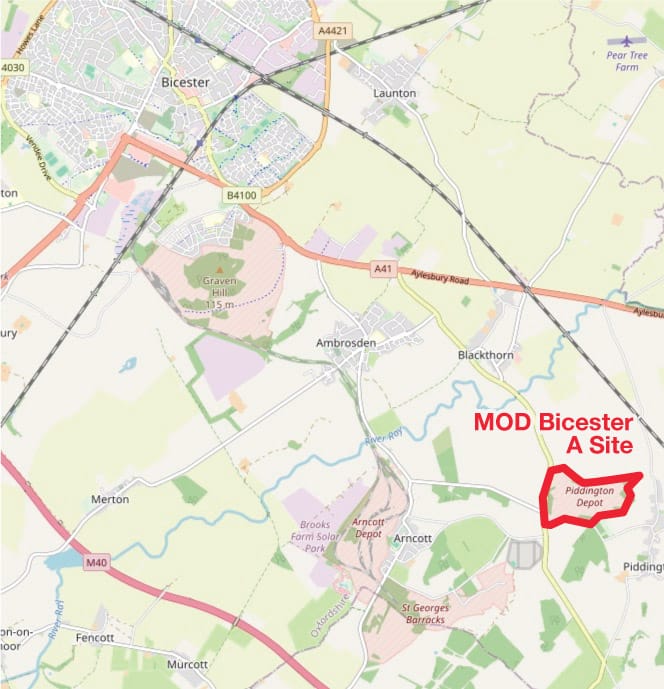
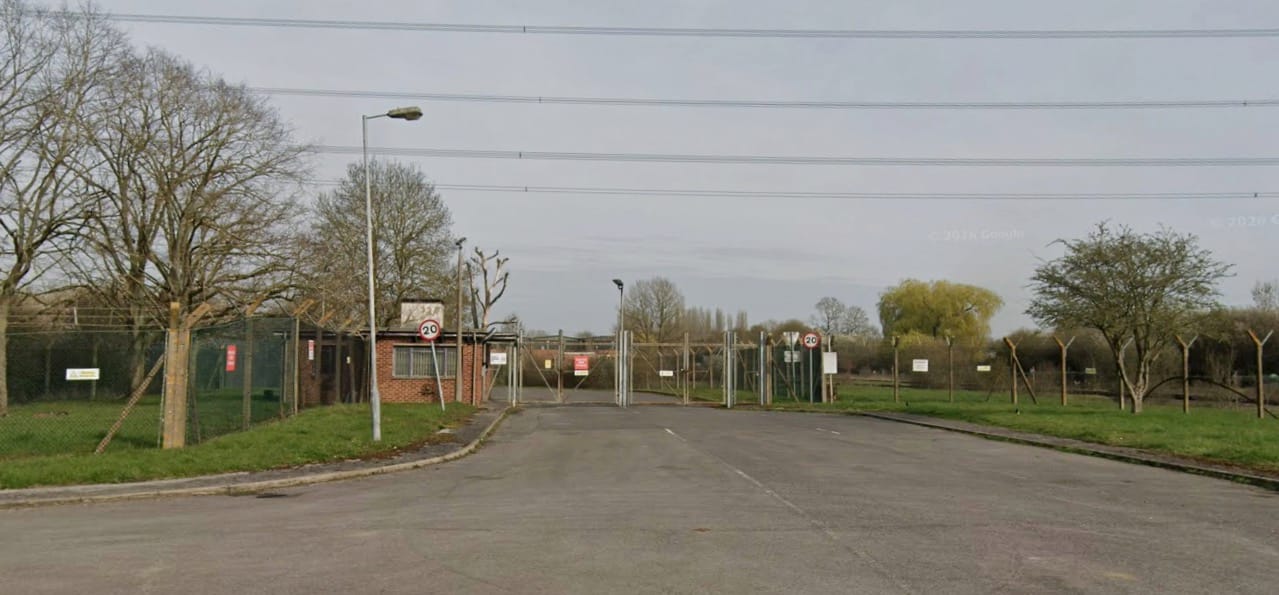
The location of the proposed accommodation centre, and a Google Street View of the entrance.
Government plans to open an asylum accommodation centre in a disused storage depot at MOD Bicester have drawn near-universal condemnation across Oxfordshire.
A letter sent to service personnel at MOD Bicester states that the site will accommodate 270 asylum seekers by the end of 2026, rising to 1,250 when fully commissioned. It promises “routine perimeter checks by on-site teams, and further security enhancements delivered by Mitie to ensure a consistent and appropriate level of protection”.
Local MP Calum Miller described the proposed location, MOD Bicester A Site, as “a rural, semi-derelict MOD storage site with poor access to amenities”. A similar scheme in 2005, which would have housed 750 people on the same site, was cancelled after £28m had been spent on the project. Oxfordshire charity Asylum Welcome’s CEO Hari Reed said:
"We understand the government's ambition to reduce reliance on hotels. However, we believe large-scale accommodation on isolated military sites risks being even more damaging than hotel accommodation. It moves people further away from the support they need, makes successful integration harder, and increases the risk of community tensions. The accommodation we provide should help people become part of our communities, not keep them apart.”
Oxford Stand Up to Racism is concerned that the centre would become a magnet for the far right. Vice-chair Ian McKendrick said:
“Isolating asylum seekers in basic accommodation far from amenities will benefit no one but a government cynically exploiting people’s fears about immigration. It will give the far right and racists yet another target for intimidation, just like their presence outside hotels accommodating asylum seekers and a similar ex-MoD camp near Crowborough. A similar proposal in 2002 saw a surge of activity from the National Front and British National Party that required a lengthy campaign to stop.”
We reported on Friday about similar concerns from Police & Crime Commissioner Matthew Barber, Cherwell District Council, and local councillors. Oxfordshire Conservative leader Liam Walker, however, said he welcomed the news that the capacity provided by the centre would mean that Oxford Witney (Four Pillars) Hotel would no longer be used to house asylum seekers. “This is a positive step, but there is still much more to do to restore confidence in the asylum system and protect taxpayers' money.”



New plans for Speedwell House.
Around the city
- Plans have been lodged for the transformation of Speedwell House, off St Aldate’s. The offices are set to become the new headquarters of Oxfordshire County Council, with the historic County Hall being sold to become a hotel. The council chamber will be on the first floor, accommodating up to 180 councillors and officers, and with flexible partitions to subdivide it when necessary. Meeting rooms and office space will occupy the rest of floors 1–3. A new pedestrian square will be created in the land adjoining the Magistrates’ Court. The building will retain its concrete fabric, “repaired and cleaned”, but with new windows. Only four car parking spaces will be provided (two with EV charging, two wheelchair-accessible), plus 74 cycle spaces. The Coroners’ Court would move out to the Oxford Business Park in Cowley. The planning application is with Oxfordshire County Council.

- Civic leaders joined together to cut the ribbon on the new office of the Dialogue Society, which promotes interfaith discussion and friendship. Their Life of a Chickpea project engages young people to explore diversity, equality, and inclusion.
- A campaign that began in Oxford has borne fruit as Monday saw the repeal of the 202-year-old Vagrancy Act, which criminalised rough sleeping and begging. In 2018, a group of Oxford students and the Oxford-based homelessness organisation 'On Your Doorstep' brought a petition to Layla Moran, MP for Oxford West & Abingdon, calling for an end to the criminalisation of rough sleeping. She has campaigned since then to end the 1824 Act. (For context, 2018 is the year Harry and Meghan got married and of the Skripal poisioning in Salisbury. Who says the wheels of government turn slowly?) She commented: "With homelessness still rising, this must be the start of a new chapter, not the end of the story. We need compassion, not criminalisation, and support, not stigma, so everyone has the chance of a safe place to call home."
- Low Traffic Neighbourhoods cut crime, according to a new study by the University of Leeds. The research, based on data from the national ‘Understanding Society’ survey, is the first to look at LTNs outside London. The survey focuses on people’s perceptions of crime rather than police-recorded statistics. The Leeds researchers found perceptions of vandalism were 9.3% less in areas with low traffic, burglary 6.3% less, and violence 6.5% less. They say that although specific mechanisms linking traffic to street crime are hard to pin down, one likely factor is neighbours being more willing to help each other (“traffic through residential areas erodes community ties”). They call for policies such as the notorious ‘Secured by Design’ code, which advises against pedestrian paths between estates, to be rethought; and for “further expansion of low-traffic neighbourhoods and other traffic-calming initiatives, such as the nationwide adoption of 20mph limits in urban areas”.
- Eton calling: The current Warden (headteacher) of St Edward’s, an independent school on Woodstock Road popularly known as “Teddies”, has been appointed as the new head of Eton College. Alistair Chirnside will take up the post in September 2027, the same time as new heads begin at Magdalen College School and Headington Rye School; David Flower has been appointed as his successor at St Edward’s.


Around the county
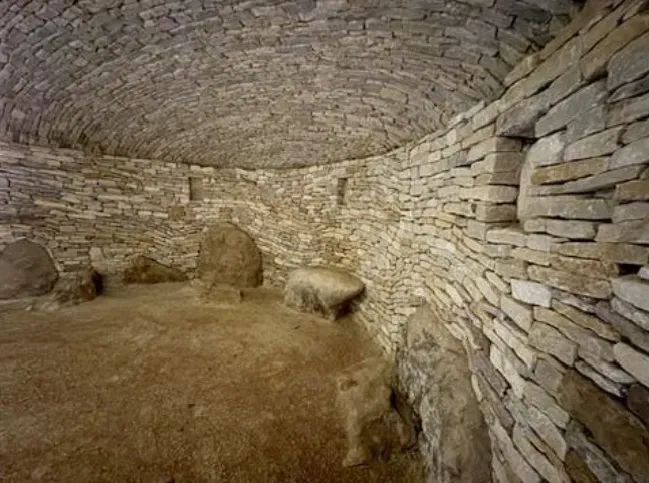
- The highest form of bliss is living with a certain degree of folly. In a sentence we never expected to write, a landowner near Banbury has submitted a retroactive planning application for a Neolithic-style long barrow, built in 2021 as an ornamental folly. At Paradise Farm, near South Newington, it is intended to “replicate traditional long barrows like Belas Knap in Gloucestershire”.
The application cites “personal private incidental use” and notes that planning legislation does not have a category or definition for “folly”, which Historic England defines as a quirky, impractical building, common in large Victorian estates. The retrospective application will be assessed by Cherwell District Council, whose planning department was recently placed into special measures but will presumably enjoy dealing with this more than with a bunch of big-box warehouses by the M40.

- The 50-year old Wantage Leisure Centre has replaced its end-of-life gas boilers with air source heat pump units and solar panels. Together with the addition of triple glazing, replacing and insulating the roof, carbon emissions are forecast to reduce by over 25%. Cllr Laura Gordon, for Oxfordshire County Council, said: “Climate action continues to be at the heart of everything we do, and our buildings stock is among our main sources of emissions.” (Just as we wrote about how our councils are reacting to the climate emergency, including leisure centres switching from gas to renewables...)
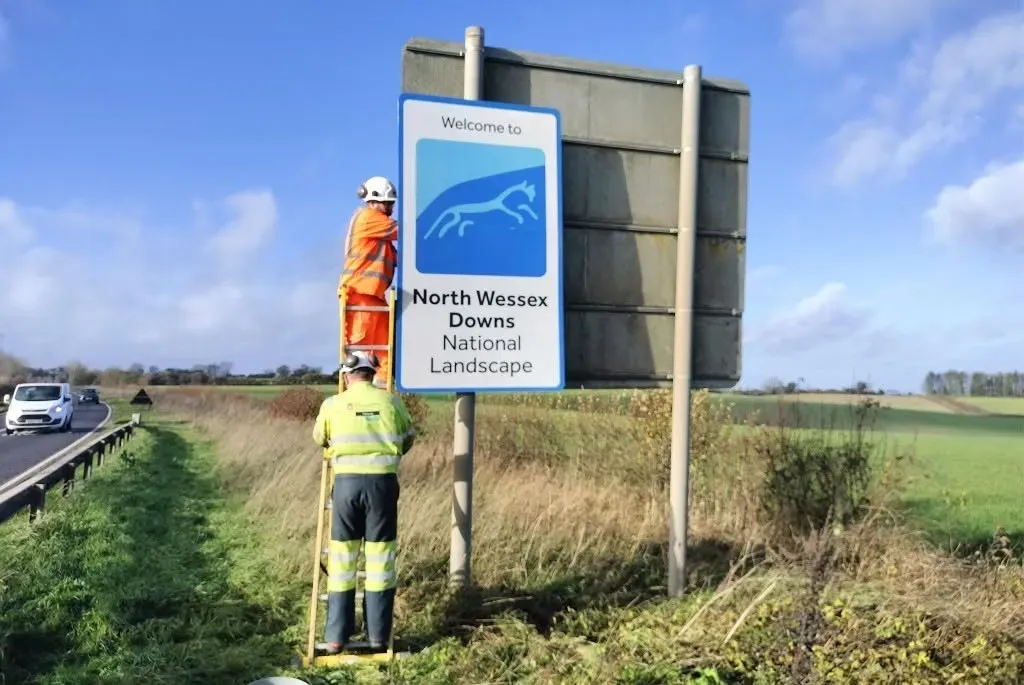
- New signs are going up to welcome visitors to the North Wessex Downs – one of three National Landscapes in Oxfordshire, together with the Chilterns and Cotswolds. The Downs cover the high ground up to the Ridgeway and the county border beyond. National Landscapes are the new name for Areas of Outstanding Natural Beauty, of which there are 46 in the UK. The North Wessex Downs logo shows Uffington White Horse, the Cotswolds a Cotswold Lion sheep, and the Chilterns a red kite soaring above a path.
- RAF Brize Norton is to cease flights from July until November, for resurfacing and improvement works on the airfield operating surface. Planes will relocate to MoD Boscombe Down as well as Prestwick, East Midlands and Stansted airports. The MoD says that they continue to assess the global security environment but the nature and timing of any potential crisis or conflict is uncertain: “This work is an investment in long-term defence capability and does not reduce the RAF's ability to respond to a crisis or conflict.”

- Quackers: In what is definitely PR dressed up as news (but also rather cute), St Peter's School in Cassington has discovered that horse bedding pellets are ideal for keeping its five white Pekin ducks clean, dry and comfortable. The pellets were donated by a biomass manufacturer, Land Energy. Emily Lemaire, St Peter's CE Primary School, said: "Nearly half of the school is now involved in helping to care for our Forest School's chickens and ducks. The pellets have been fantastic, helping to keep the ducks' sleeping areas clean, dry and comfortable."
- One dimension of housing affordability is rising across the county and further afield. Recent figures from the Office of National Statistics show that inflation has outpaced house-price growth by a wide margin since the pandemic. To the extent that wages catch up, this would suggest higher affordability. However, mortgage rates are higher now than in 2020, meaning that monthly payments are higher even if inflation-adjusted prices are coming back down to Earth. (Clarion readers with a yen for statistics are invited to compare against average wage growth.)

Of Oxfordshire’s neighbouring counties, prices in Gloucestershire have risen the fastest since the pandemic:

Oxfordshire politics
Here are the top activities of our elected representatives this week, who have had to wear suits as if the weather was normal. Team Clarion salutes all their efforts to keep calm and carry on helping constituents in this ridiculous weather (but would love to see more of you championing the climate emergency…) This week, amazingly, there is no mention of Thames Water despite at least two of them doing visits by the Thames. Are you all feeling okay?
- Banbury MP Sean Woodcock is campaigning to get a leak outside Banbury Morrisons fixed. He welcomed news from the government that Oxfordshire was to get £4.76m funding to support SEND for "better training for teachers, more specialist places in mainstream schools and clear expectations for inclusivity… we will be able to give children a brilliant school experience, close to home, without a fight". (His commenters were split between welcoming the news and claiming it was a drop in the ocean of what's needed.)
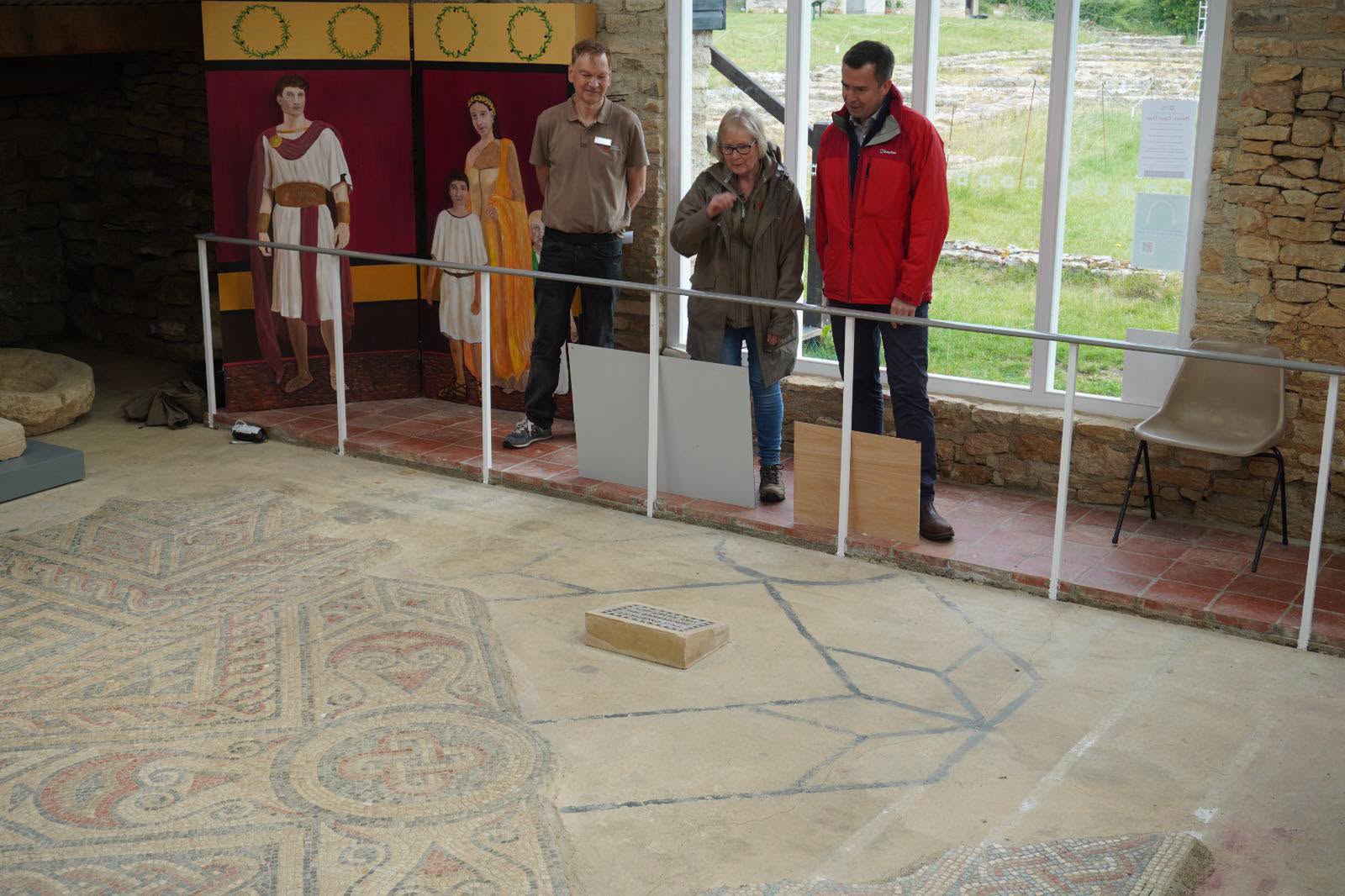
- Bicester & Woodstock MP Calum Miller's week has mainly been occupied by dealing with the proposed asylum centre at Bicester and demanding answers on ‘forever chemicals’ found at Heyford Park. But he did find time to visit North Leigh Roman Villa and its fabulous mosaics.
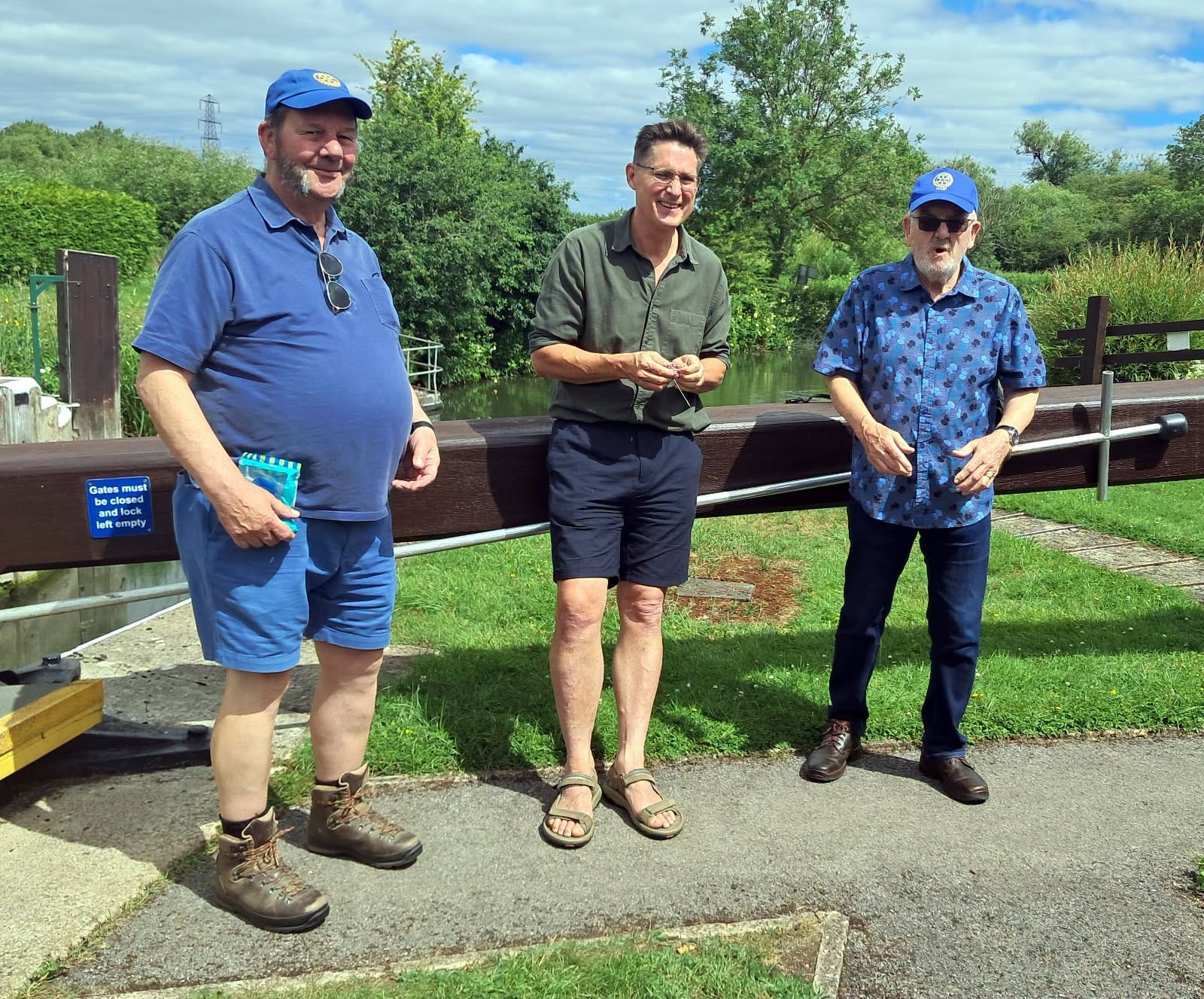
- Witney MP Charlie Maynard in Parliament asked the minister to look at business rates that are hitting hospitality businesses like pubs. He urged the government to find more resource to tackle 'rare cancers' – pointing out that brain cancer wasn't that rare, naming three cases in his constituency alone.
- Oxford East MP Anneliese Dodds is angry – extremely angry – about the lack of UK action to protect the Sudanese population. We spend more time than is healthy watching our MPs' speeches and we're not sure we've ever seen one from any of our MPs that is quite this furious. Must watch. Commenting on change at the top of the Labour Party, she said that the voters had sent a message in May asking for change, and the party was listening.
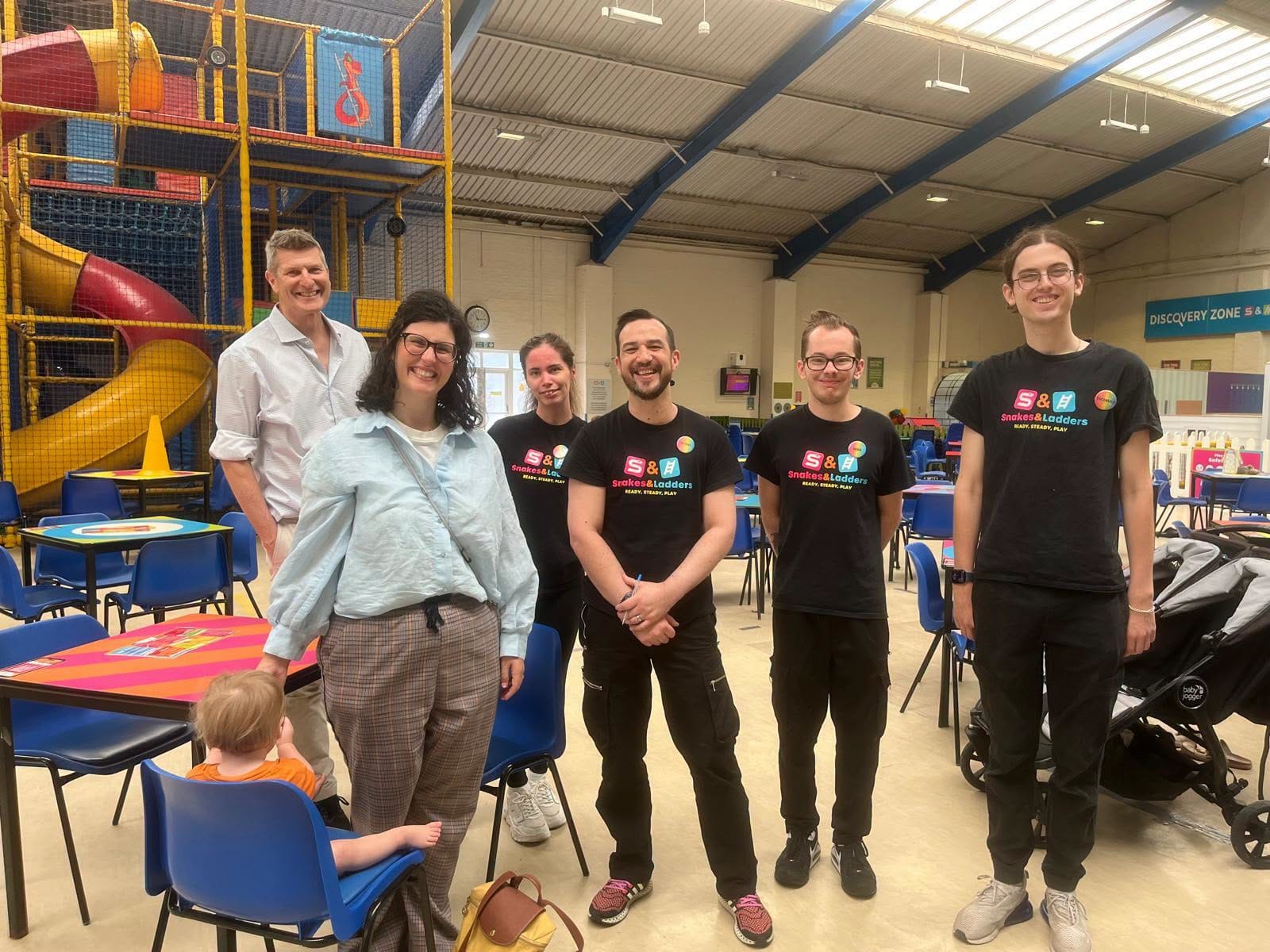
- Oxford West & Abingdon MP Layla Moran has been visiting the A34 Lodge Hill junction to see progress. She is wearing LibDem hi-vis orange (safety first!) to declare that so far, work is on track to open at the end of 2026. (The Clarion will be returning to Lodge Hill in a future newsletter. We think there might be unforeseen consequences…)
- Didcot & Wantage MP Olly Glover asked the minister what was being done to support Early Years infrastructure in order for local schools to be able to deliver on the free hours childcare scheme. He met the Mill Brook Restoration Group in Wallingford to understand their fight to bring the brook back to life. Here's his roundup.
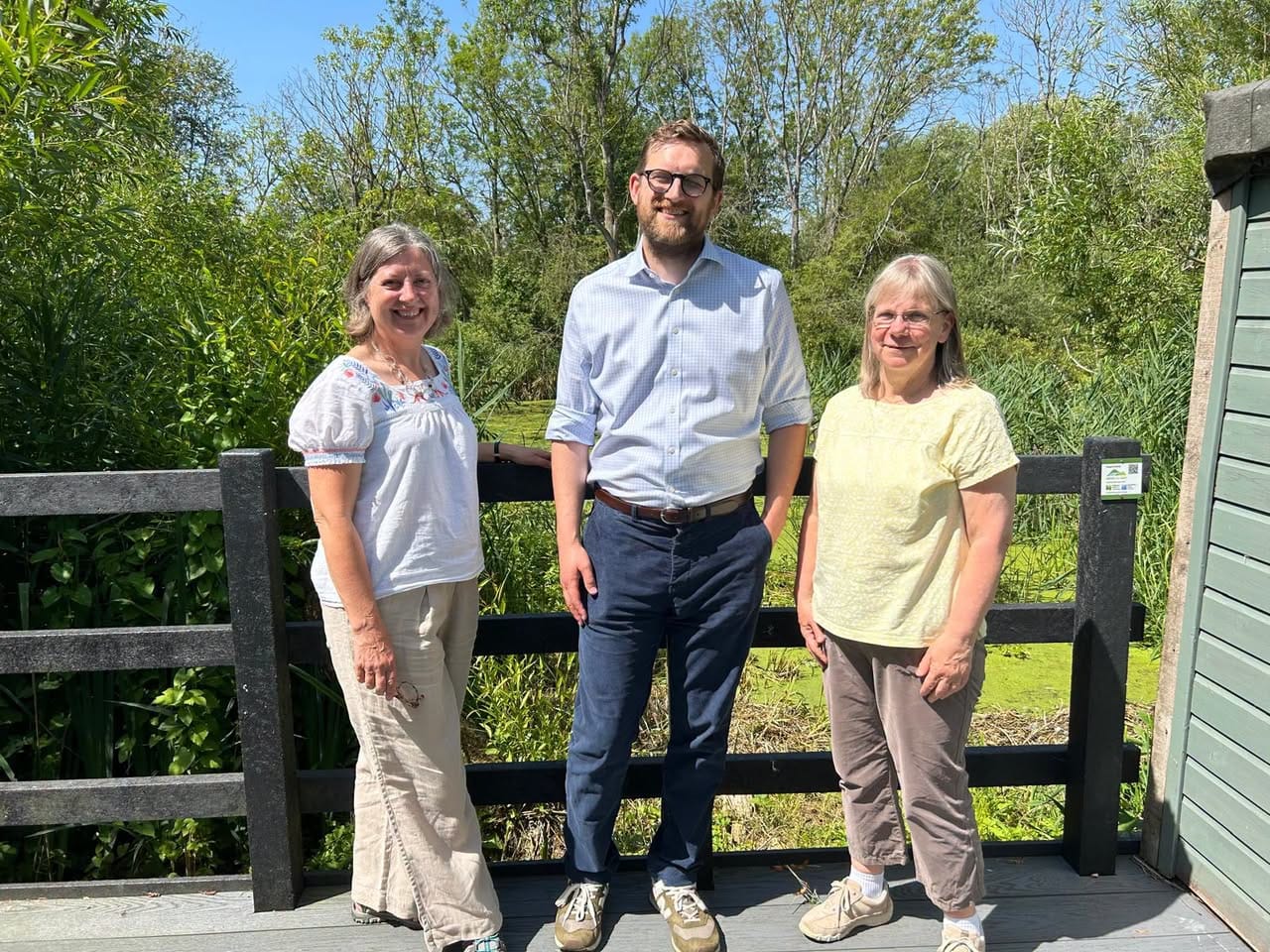
- Henley & Thame MP Freddie van Mierlo visited Chilworth House, a specialist SEND school in Wheatley. In Parliament, in a remarkably collaborative exchange with the Leader of the House Alan Campbell, he asked for support to secure a debate on 'land lotting' – small parcels of protected land being sold off despite no realistic prospect of planning permission. (Can we just say we like the way this played out? Local MP politely raises an issue on behalf of constituents. Minister says “Huh really? Let's look at it, you might be right” – rather than the adversarial pantomime we're used to.)
- Thames Valley Police & Crime Commissioner Matthew Barber has unveiled a fund to support smartphone-free schools. Schools can apply for grants for secure storage such as lockable pouches, lockers or boxes. Funding comes from sale of stolen goods that cannot be returned to their rightful owners. He has views on the Wantage Market Place proposal and is encouraging people to complete the consultation; there is a lively debate on it underneath his Facebook post on the subject. (The video also has a bonus Labrador, if that encourages you to watch it.)
University and research



Encaenia: Oxford University's Chancellor, Lord Hague; Jacinda Ardern; and Billie Jean King. Photos by Roger Close.
- Following the red alert for extreme heat, Oxford University relaxed its “usual expectations regarding formal attire” at Encaenia, last week's honorary degree ceremony. The Chancellor, Lord Hague, led by example, wearing his black silk gold-laced gown without a jacket underneath. This year's nine honorands include former New Zealand prime minister Jacinda Ardern, who had been unable to attend last summer, and tennis player Billie Jean King. The Encaenia ceremony marks the end of each academic year, although this year there had been an additional honorary degree ceremony in February.
- AI news: Oxford University is to host a new cross-University UK AI research lab focusing on ‘human-centric’ AI trained to work with people. They aim to research robots that can adapt to real-world constraints, and consider computing power, memory and energy savings.
- More AI news: Oxford University Hospitals are testing whether integrating AI into routine clinical care can cut NHS waiting times, fast-track diagnoses, and provide better care for patients. Clinicians in A&E departments will assess whether AI-assisted head CT interpretations help them make faster, more accurate diagnoses. Other projects explore whether AI autonomous reporting of chest X-rays can safely relieve clinical workload, and testing a tool to predict lung cancer.
- Slightly worrying AI news: Oxford University-incubated venture Lumenai has secured backing to link its 'Human Capability Indexing' to an AI-powered knowledge system. The HCIx system “captures information about individual attitudes, behaviours, and values” to provide employers with “development guidance”. Lumenai says organisations now need to understand people ”in a way AI can read”. The integration will apparently help employers decide what to do if they find a “capability gap” or “development opportunity”. (We are entirely sanguine about these developments and not in the tiniest bit perturbed.)
Trains and buses
- “The closure of Witney’s railway in 1970 has proven to be costly and mistaken,” according to Oxfordshire’s new transport chief Cllr Gareth Epps. The County Council has commissioned consultants to study possibilities for a Mass Rapid Transit system between Carterton, Witney, Eynsham and Oxford, which they say would “use advanced vehicles, benefit from priority measures, and feature high-quality infrastructure such as segregated lanes or tracks, level boarding, and integrated ticketing”. With thousands of new homes being built in the area, any new system would be in place “by 2050 at the latest”. Solutions such as busways and trams were previously proposed in the early 2000s but eventually dropped in favour of road widening.
Notes from Clarion HQ
Could Britain’s presumed next Prime Minister, Andy Burnham, be a Clarion fan? Not our little Oxford Clarion, of course, but our illustrious 19th century forebears, founded in Manchester. His speech setting out his philosophy was delivered at the city’s People’s History Museum, which is chock full of Clarion artefacts – including this wonderful decoration from Manchester’s one-time Clarion Cafe. (The PHM’s cafe was also originally branded as the Clarion Cafe before being rather unimaginatively renamed ‘Gather’.) In 2022, Burnham described the museum as his favourite – “it’s effectively the national museum of democracy”.
We suspect Clarion founder Robert Blatchford may have found things to like in Burnham’s programme. And we wonder what a PM with a background as an elected mayor, determined to extend devolution across the country, will mean for Oxford – whether part of the nebulous Thames Valley or the Oxford–Cambridge Corridor, an expanded city or a beefed-up standalone Oxfordshire. We’ll keep you posted.
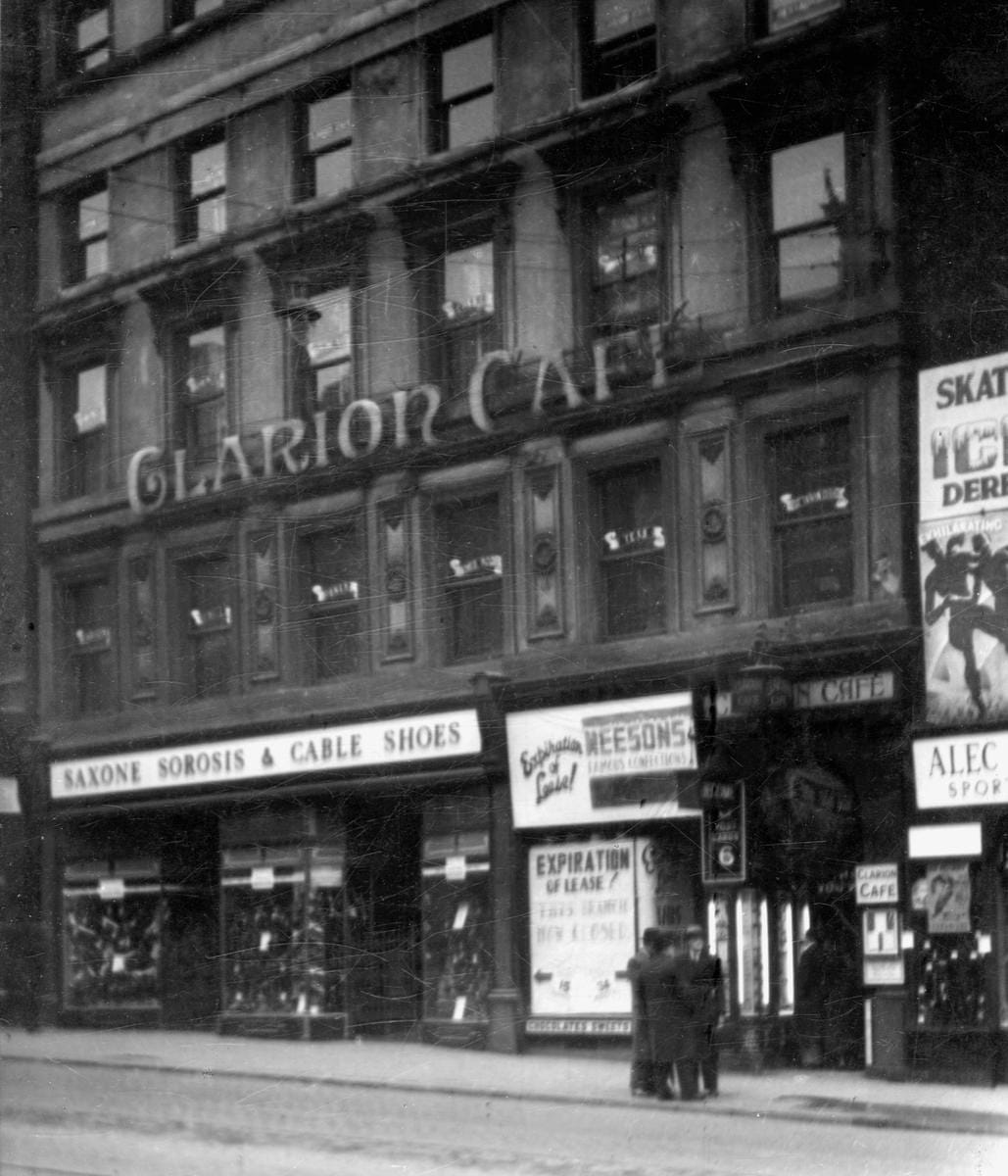
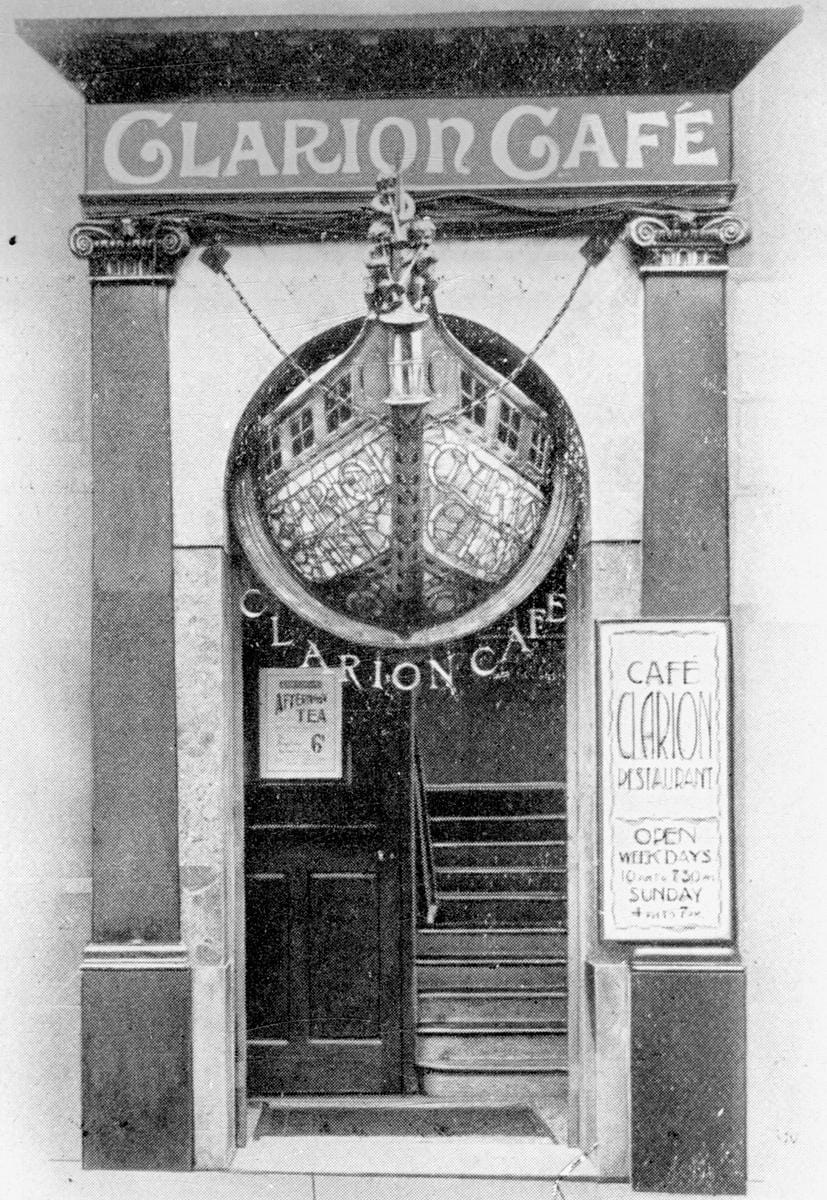
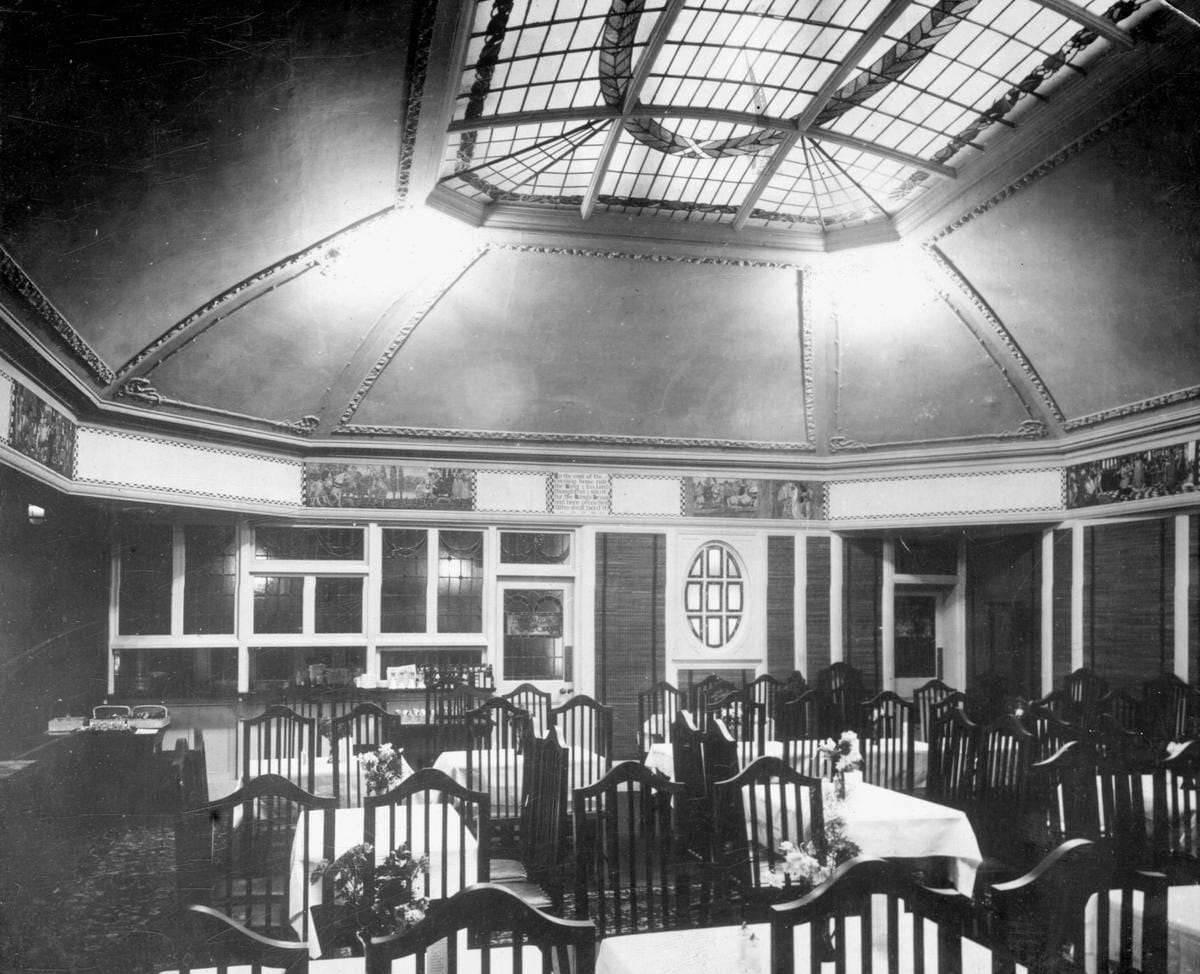
The Clarion Cafe in Manchester (Manchester Libraries, CC-BY 4.0).