
Oxford Open Doors

September 12-13 is the Oxford Preservation Trust's annual event, where the doors of historic sites all across Oxford are flung open for the public. We asked architectural historian Madeline Odent to curate a short list of her "can't miss" options, and here they are! For full details on each site, including timings, bookings, and access needs, visit Oxford Open Doors
Oxford Open Doors, whilst (aptly) open to everyone, is primarily aimed at Oxford residents, granting access to buildings and experiences which are generally limited or restricted the rest of the year. This is a great chance to wander about inside many colleges (without paying), but as we know, there is so much more to Oxford than the University.
There is more to be seen than time will allow over just two days, so I've pulled together my personal favourites – both sites and experiences – on offer this year. This shortlist is loosely organised by topic: town vs gown vs county vs church, interactive (including for kids), and of course, this being the Clarion, infrastructure.
Note: some places don't have easy access.
Town
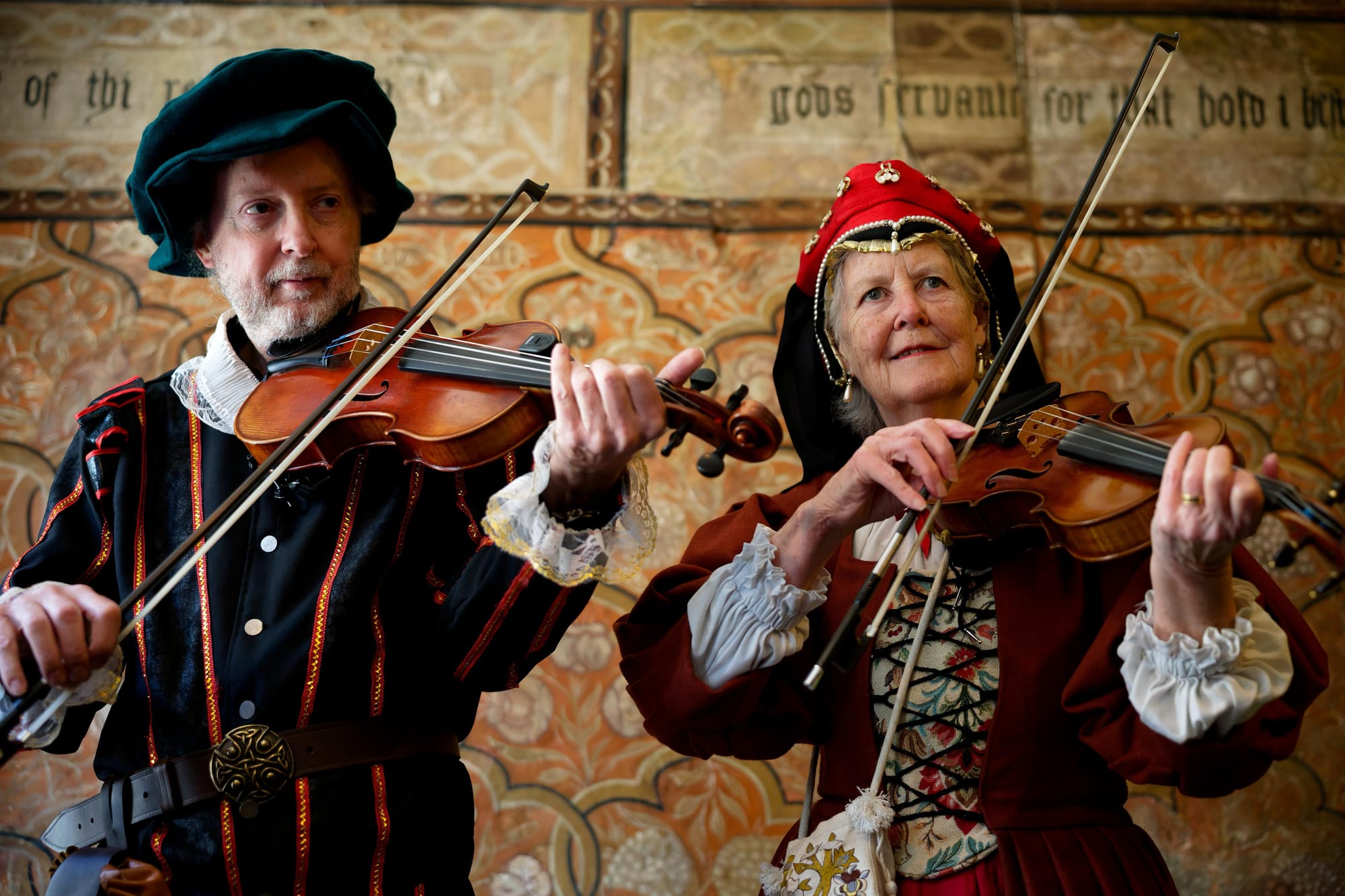
The Painted Room: a late medieval survival in the middle of Cornmarket, with elaborate Elizabethan wall paintings in a tavern room that once hosted Shakespeare himself. You'll have walked by it at least a dozen times, and it's well worth popping upstairs in the Golden Cross to see it.
Osney Island Walking Tour: a town within a town, Osney developed relatively late within Oxford's history, and remains something of an enclave with its own unique character. Meeting at the Holly Bush pub, the walking tour promises a deeper peek into an overlooked but important area.
Oxford Bus Museum: if you're moving from one Open Doors site to another, the Oxford Bus Museum is providing free rides across the city using its heritage vehicles. They're not wheelchair or pram accessible, and seatbelts can't be guaranteed, but they should (hopefully) be faster than walking.
Gown
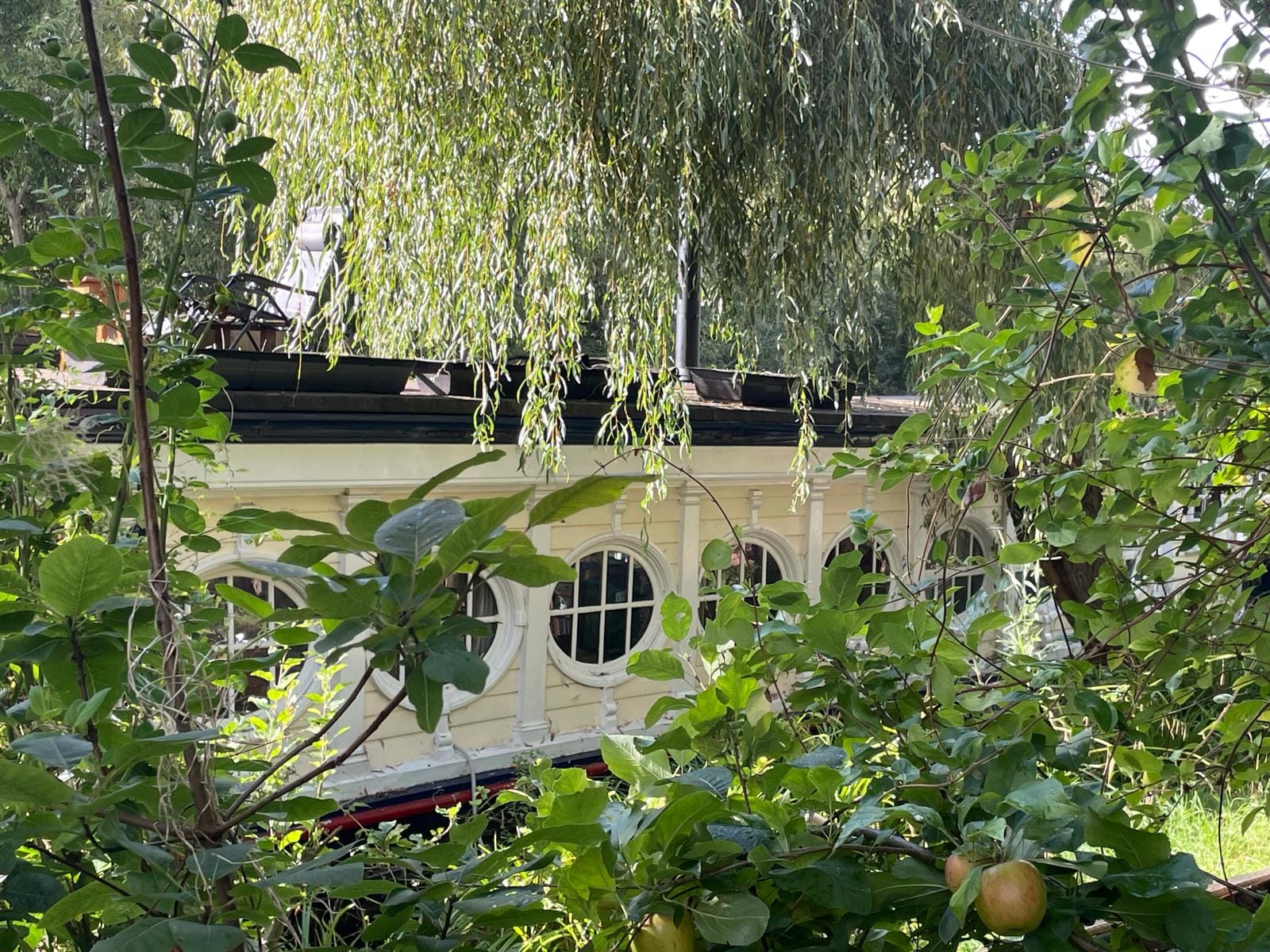
Corpus Christi College Barge: in the Victorian and Edwardian years of college rowing, most colleges had barges moored on the Isis, where athletes could change, warm up, store equipment, and cheer for their college. Very few of these uniquely Oxford barges survive, and the Corpus Christi one has recently been undergoing restoration. If you enjoy Boathouse Island, you'll love the precursor.
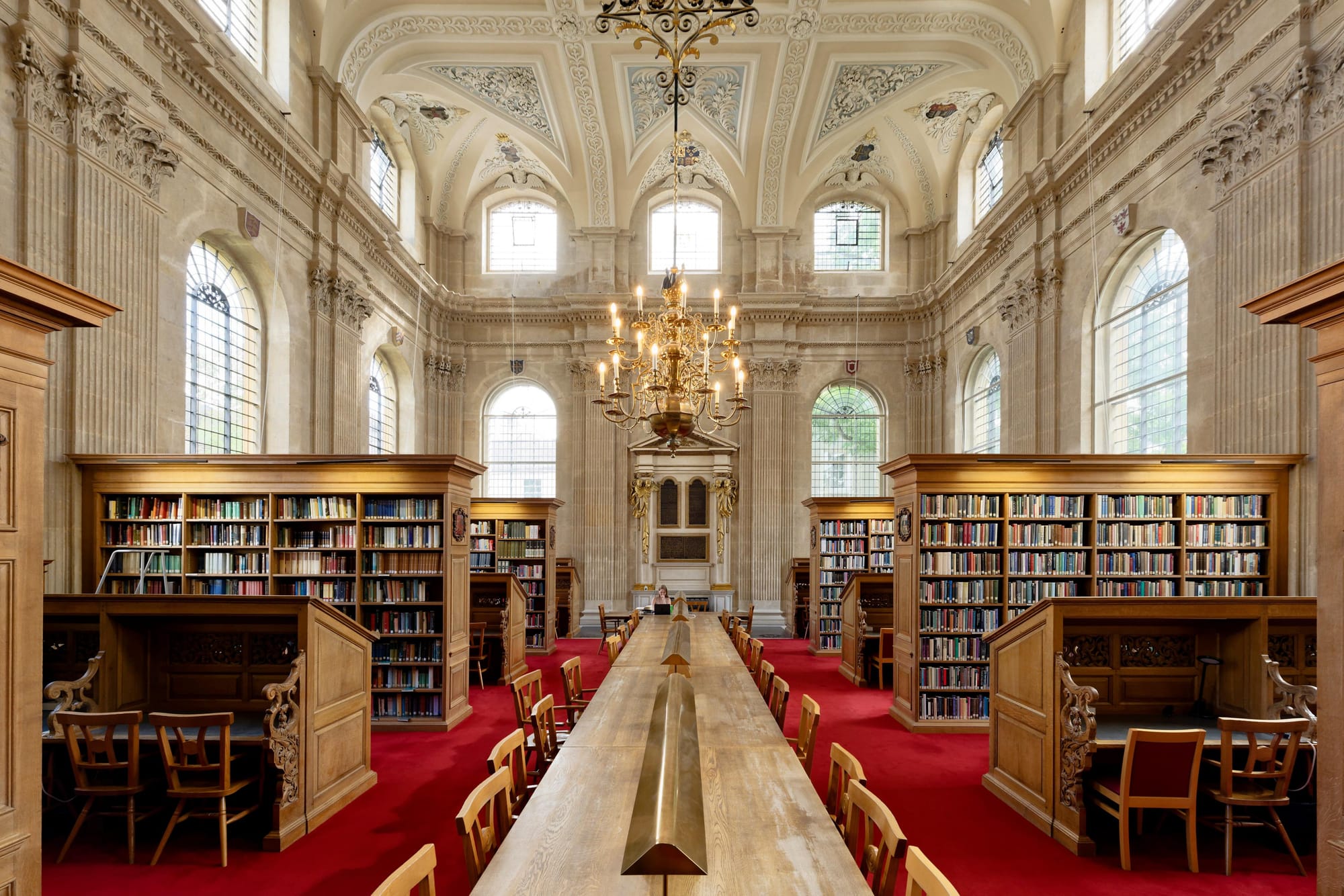
Lincoln College Library: also known as the former All Saints Church, and sitting proudly on the High, this 18th century masterpiece was converted to a library in the 1970's, and remains such today. I don't know that it's the most efficient use of shelving space, but it's absolutely worth a visit.
Rhodes House: If you'd like a side of Uncomfortable History with your open doors, head along to the Rhodes House, a Grade II* country house right in the heart of Oxford, and built in honour of one of Oxford's most famous and controversial figures. The house also boasts an incredible private art collection and beautiful grounds, traditionally for the use of Rhodes Scholars.
County
Yarnton Manor: just north of the ring road, a Jacobean manor has recently been purchased and renovated by an American theological foundation, and now provides respite and training for ministry workers, with close ties to the University. The house itself, built in 1611, is one of my personal favourites of Oxford's country piles.
Religion
Bartlemas Chapel: I promised I would narrow this down to one church, out of all the beautiful sites open this weekend, and it has to be the tiny and ancient Bartlemas Chapel. Free of frills, built for a medieval hospital community, the chapel offers a quiet and poignant place to pause.
Islamic Studies Centre: The relatively new building that hosts the Oxford Centre for Islamic Studies is a masterpiece of architecture, merging traditional Oxford and Islamic influences and styles. The Mosque and Library, along with the gardens, will be showcased.
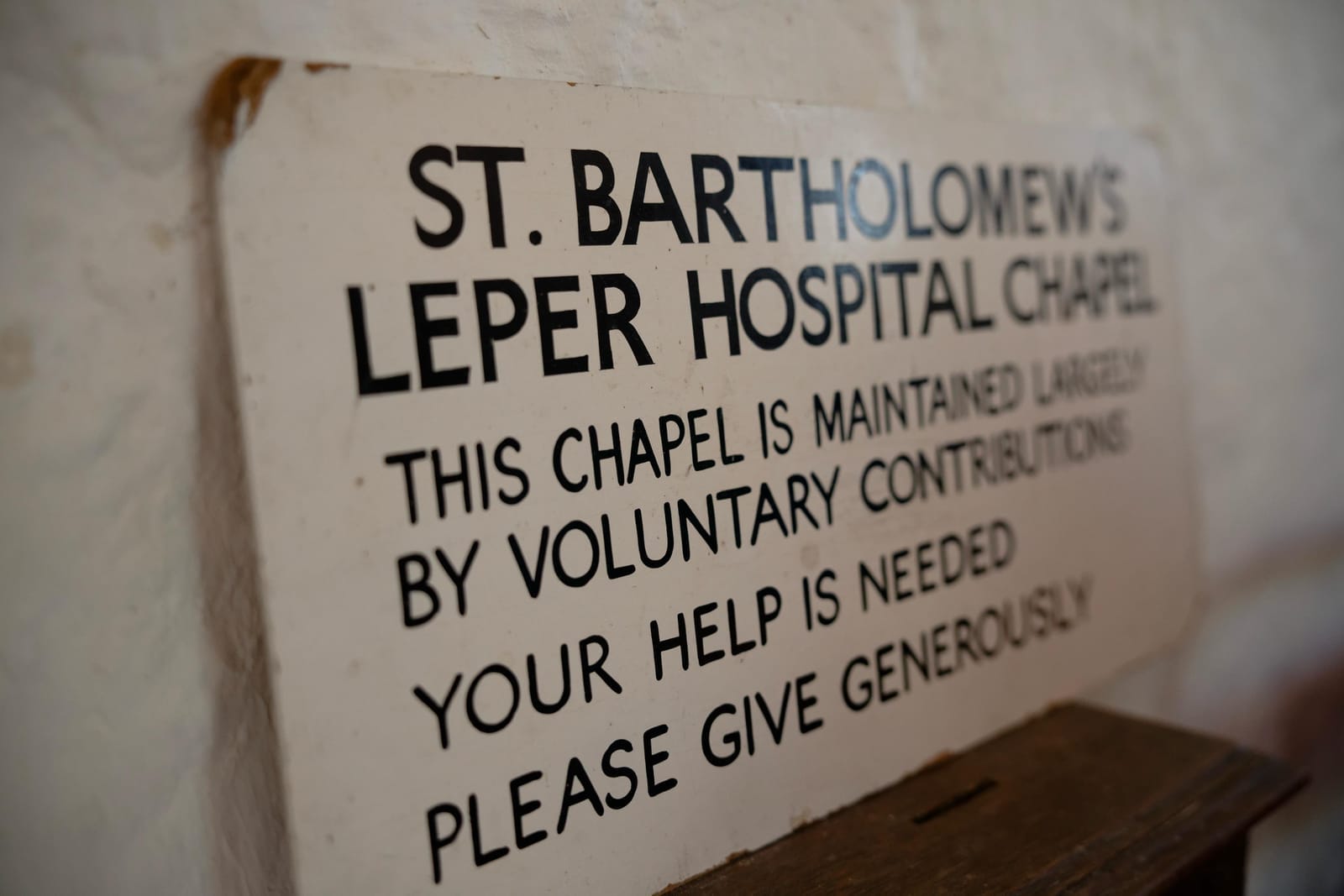
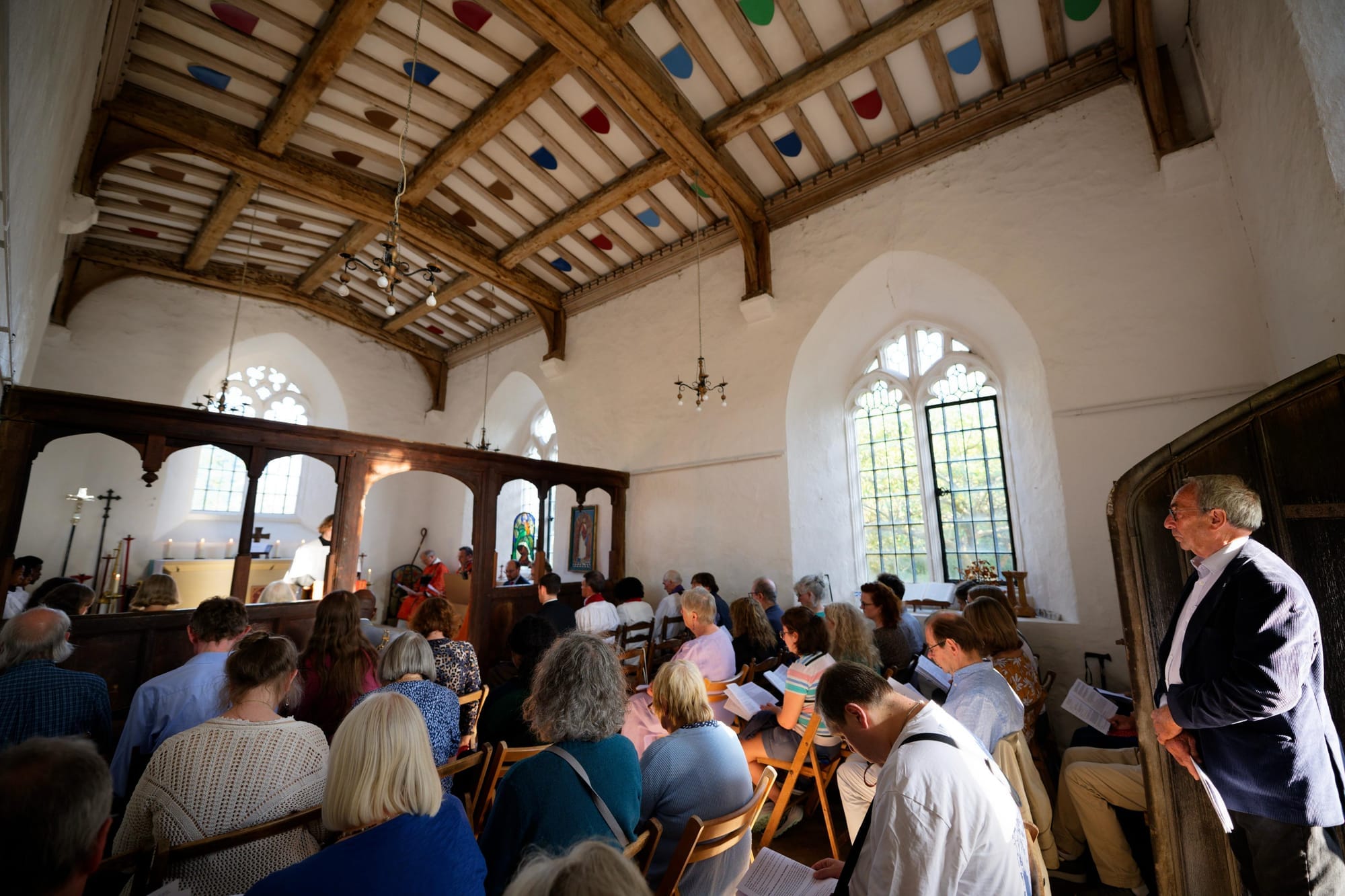
Bartlemas Chapel, celebrating its 900th anniversary earlier this month (Roger Close)
Interactive
Stone Carvers at Oxford Castle: Ever wondered how the grotesques and gargoyles that decorate our town are made? A group of stone carvers will be on hand, demonstrating ancient techniques that are still used today – no machine can quite manage this! I've already voted for memorialising the various college cats in gargoyle form.
Ghaetta at Oxford Castle: modern musicians, medieval instruments! Complete with costumes, storytelling, and demonstrations, Ghaetta is always a delight to pause and watch, perhaps during a coffee break.
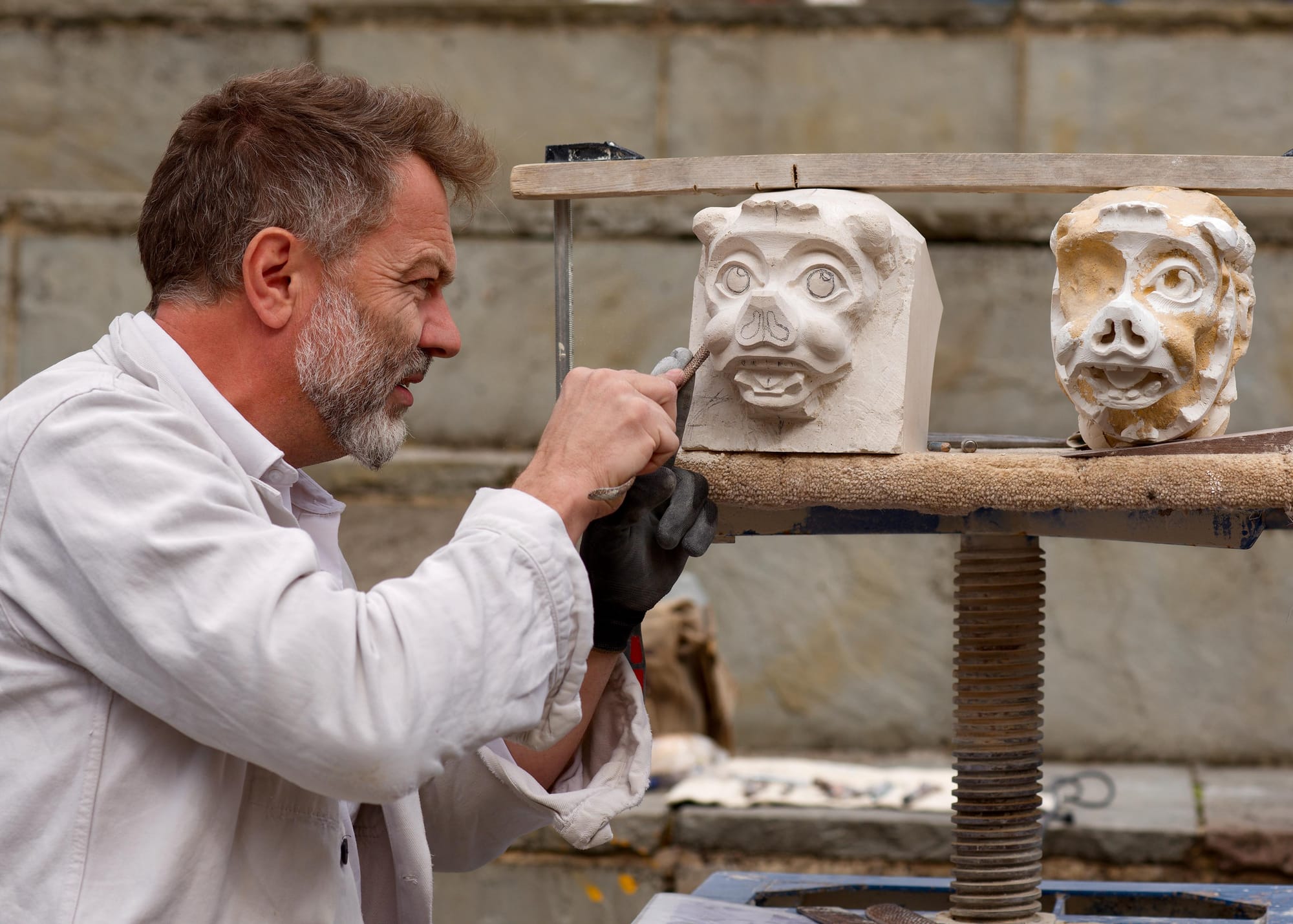
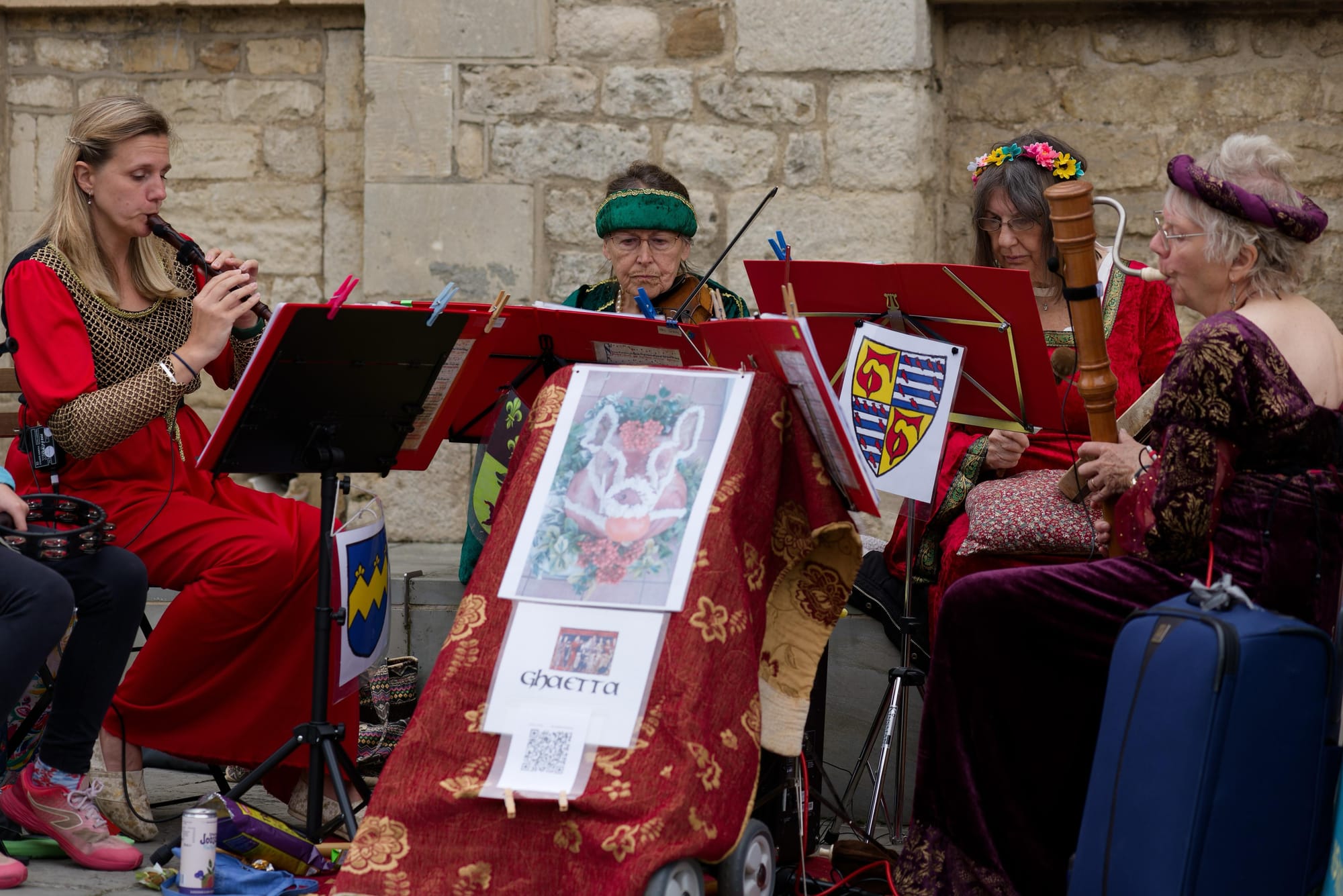
Stone carving, and Ghaetta medieval music, from 2025 Open Doors (Roger Close)
For Kids
Rewley Road fire station: For the younger kids, head over to Rewley Road for demonstrations and a chance to explore firefighting equipment, courtesy of Oxfordshire Fire & Rescue. Besides being fun, it's a great way to get children familiar with fire safety and equipment in a calm and safe environment.
Old Bodleian Schola Musicae hand printing: Explore hand printing techniques from the age of Gutenberg to today, and make your own keepsake using one of the Oxford University Press' historic machines. It's also a great chance to peek inside one of the oldest parts of the Bodleian complex, rarely open to the public.
Infrastructure
And of course, this wouldn't be a Clarion article if we didn't consider some of the city's historic infrastructure.
Rewley Road swing bridge: Built in 1851, this uniquely Oxonian railway bridge swung open to allow boats to traverse the canal, or closed to allow trains to cross. After many decades lying unused and at risk, a recent conservation project has restored functionality, making it one of two moving bridges on the whole of the Thames (the other being Tower Bridge).
North Hinksey Conduit House: Essentially a 17th century water tower, the Conduit House drew water from the fresh springs of North Hinksey and piped it to the very centre of Oxford, providing clean drinking water to Carfax until the mid 19th century. It's a lovely example of how even basic infrastructure can be made beautiful.
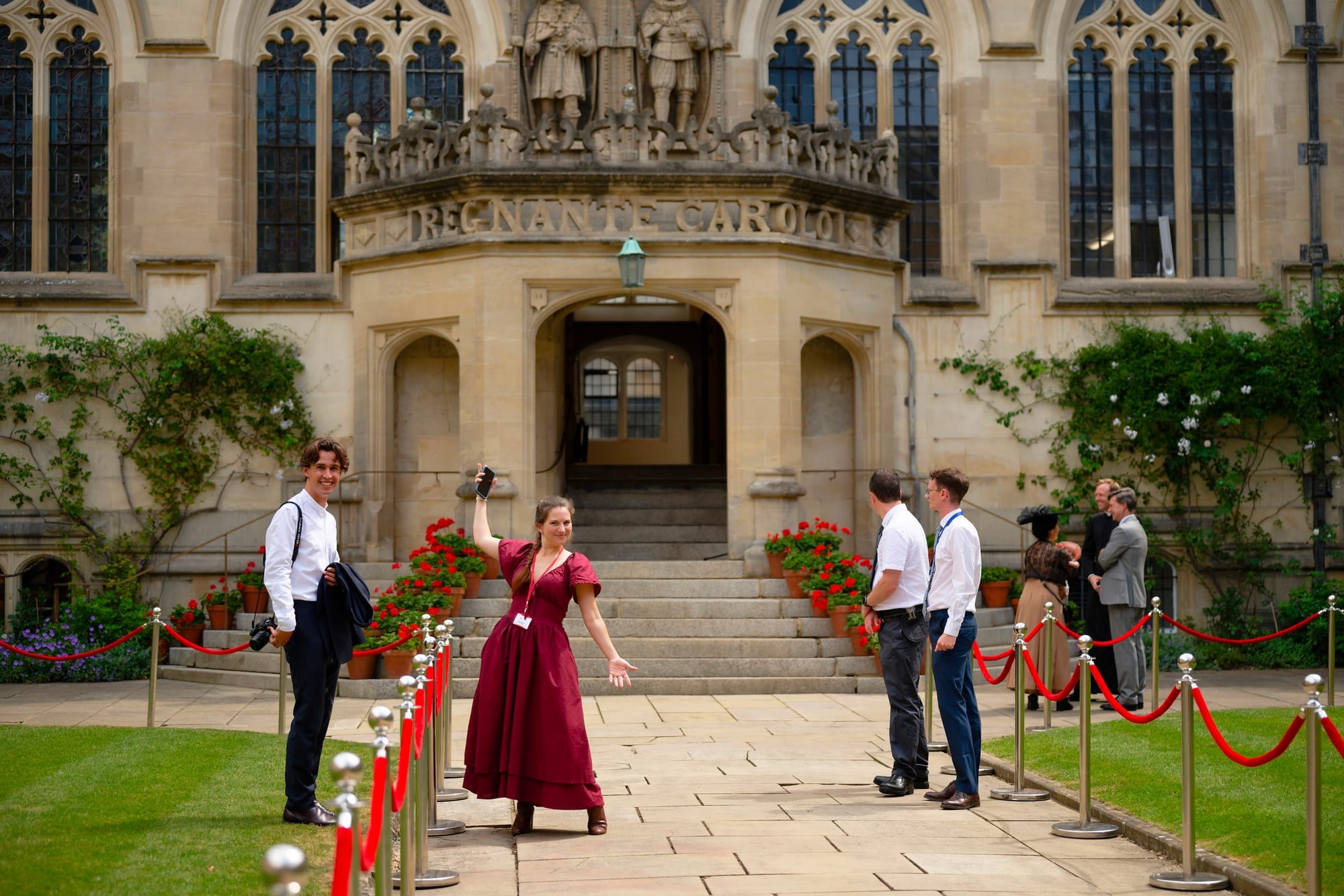
Madeline Odent is an architectural historian with a specific interest in listed buildings and built heritage conservation management. An Oriel and Magdalen alum, her other work for the Clarion includes meeting the King at Oriel and the sadly disproved hope that we had found St. Frideswide's Priory.