
The Clarion, 13 October 2026
This week, a huge new solar farm, drama in the LibDems, Oxford congestion, the return of the Cake Shop, a T-Rex head, and some free pizza. We're running out of synonyms for eclectic...
This week's photo story
15,000 runners of all abilities raced through the streets of Oxford on Sunday for the 15th edition of the Oxford Half Marathon, raising over £1.3m for charity. Our photographer Roger Close was out on the course — can you spot yourself?
 Oxford Clarion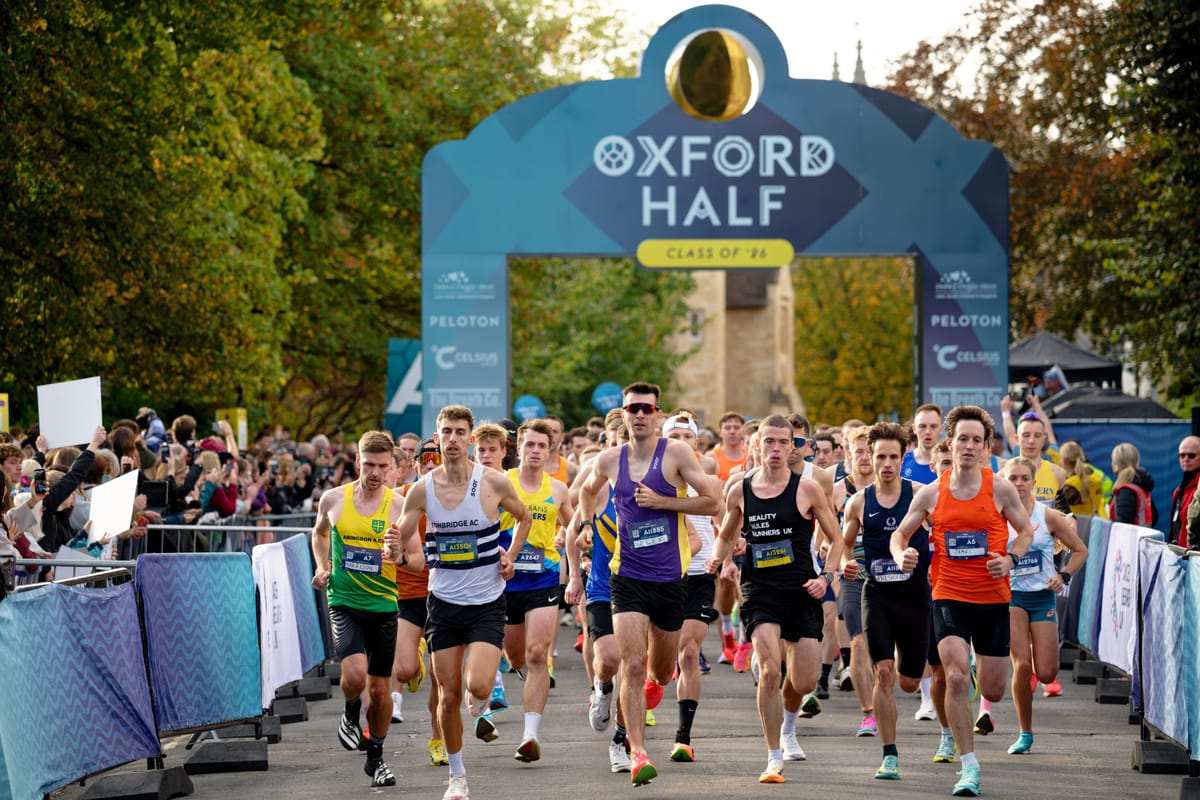
This week’s top stories
Free admission to the Museum of Oxford looks set to be reinstated for city residents next spring, after the introduction of admission charges saw a significant drop in visitor numbers.
An average of 28 paid entry tickets were sold each day in June this year, rising to 60 per day in August. The museum attracted 8,253 visitors from April to August (including 2,199 on free entry schemes) and is targeting 18,200 across the whole 2026-27 year. In 2024-25 it had 55,547 visitors.
A new business plan proposes piloting free entry for city residents from January to March, as well as a new Friends scheme, corporate sponsorship and an Adopt an Object initiative. City council leader Susan Brown said: “We need to explore additional sources of income to secure the Museum’s future.”
Museum staff asked visitors who declined to pay the admission charge for their reasons. Among them were:
- “Couple. Had read on ChatGPT that we were free. Showed the chat on their phone. They were determined they had free entry because of this and said that they had come especially.”
- “Left when informed of size and cost of museum.”
- “It's tiny. Let's go to the Ashmolean instead.”
- “Said they thought all museums were free.”
- “Said if she had to pay then she would just read the book about Oxford's history she purchased at Blackwells.”
(Your Clarion scribes got quite cross reading some of the responses. The Museum of Oxford is small but perfectly formed!)

A third massive solar farm has been proposed for Oxfordshire. West Oxfordshire Energy Park would be built north-east of Lechlade, near the villages of Filkins, Langford and Kelmscott. It would provide 500MW power, enough to power 145,000 homes – or the whole of West Oxfordshire three times over.
It joins Botley West (northwest of Oxford) and Cearn Solar Farm (between Grove and Faringdon) as a Nationally Significant Infrastructure Project where the decision is made by central Government, not local councils. An application could be submitted in May 2027. The solar park would include battery storage (BESS) and an on-site substation. A public consultation is planned for early 2027. Ed Perrin from promoters Low Carbon said: “Our immediate focus is on engaging with those who live and work nearby.”
Meanwhile, the final round of consultation responses to the Botley West Solar Farm project have been published, in anticipation of a Government decision within the next month. 264 letters were received commenting on the most recent submission by PhotoVolt Development Partners, the scheme’s promoters.
In a joint response, Oxfordshire’s county and district councils queried a reduction in the number of homes powered from 330,000 to 275,000, and noted that Botley West was in discussions with Exeter College over the EXOq data centre: “powering individual homes versus a data centre is quite different in terms of how it benefits the public”. They concluded: “We consider that the scheme remains development-led rather than landscape-led, and that the Secretary of State lacks a robust evidence base on the actual landscape and visual effects of the scheme. Many environmental concerns remain unresolved.”
Calum Miller MP expressed concern that the decision has now been delayed by six months from the original 6 May date. “The scheme has been driven by the availability of a grid connection and sufficiently large landholdings, rather than by a proper assessment of what this landscape can accommodate.”
Most objections were from local residents and members of the Stop Botley West campaign. However, Oxford Airport said “in the main, our concerns have been heard”, while Historic England wrote “the applicant has broadly addressed the main aspects of our advice on a number of topics”.
Promoters PVDP say: “The project is capable of making a vital contribution to meeting the Government’s renewable energy targets and its Net Zero obligations. The way to break the power price link to fossil fuels is the rapid deployment of solar – Botley West will be a significant contributor to that.”
After a week of queues, Oxford City Council leader Susan Brown has called on the County Council to coordinate roadworks better. She said:
“This week’s congestion has caused frustration for residents, businesses and bus passengers across the city, and particularly in East Oxford following the closure of Between Towns Road. A lot of the current work is being carried out by Oxfordshire County Council not utility companies. We are asking the County Council to review this week’s disruption to better coordinate their roadworks and use all available tools at their disposal to reduce congestion.
“Oxfordshire County Council has previously said that ANPR-enforced traffic restrictions can be used flexibly during exceptional circumstances. It may be that this will not make a huge difference, and there are downsides for cyclists using these safer routes. However, when major roadworks, accidents or other events put extraordinary pressure on the network, we expect the County Council to at least consider temporarily suspending relevant restrictions where that would help traffic flow and keep buses moving.”
Gareth Epps, County Council cabinet member for transport, said he would not compromise safety by reopening roads closed to through traffic.
“Many of the side streets are in a Low Traffic Neighbourhood. This meant drivers couldn’t rat-run through some quiet residential streets. There was a lot of congestion. Labour’s leader at no point contacted me to suggest the County Council did anything; I did receive correspondence from the local county councillor and some residents, some of whom always opposed the LTNs and saw the works as a way to reverse them.
“The County Council has a protocol for these situations: buses were diverted through one LTN route but for safety reasons, officers were unwilling to relax other restrictions. I have discussed this at length with them and with bus operators.”
Oxford University's Vice-Chancellor Irene Tracey, in her annual Oration, has criticised Government policy on international students. Visa restrictions have stopped students from taking up their places (as we reported in March), and a new ‘international student levy’ will cost Oxford £925 per student per year. She said:
“Changes to study visas for students from a handful of countries have prevented many from taking up places at UK universities. Where there are problems with international students at some universities, which there are, we must not shy away from tackling them – but we must be careful not to throw the baby out with the bath water.”
In August, the High Court upheld the Government’s ‘student visa brake’ which saw three Sudanese women denied entry clearance to take up medical courses at Oxford and UCL. Though the court agreed the policy had “dashed the hopes and expectations of exemplary, public-spirited students who had succeeded in securing places at prestigious universities”, it said the Home Secretary’s decision was founded on “macro-political and predictive judgements as to the public interest”.
The Vice-Chancellor also announced that Reuben College is joining Mansfield and Somerville as a College of Sanctuary for refugee scholars. Oxford itself has had University of Sanctuary status since 2023.
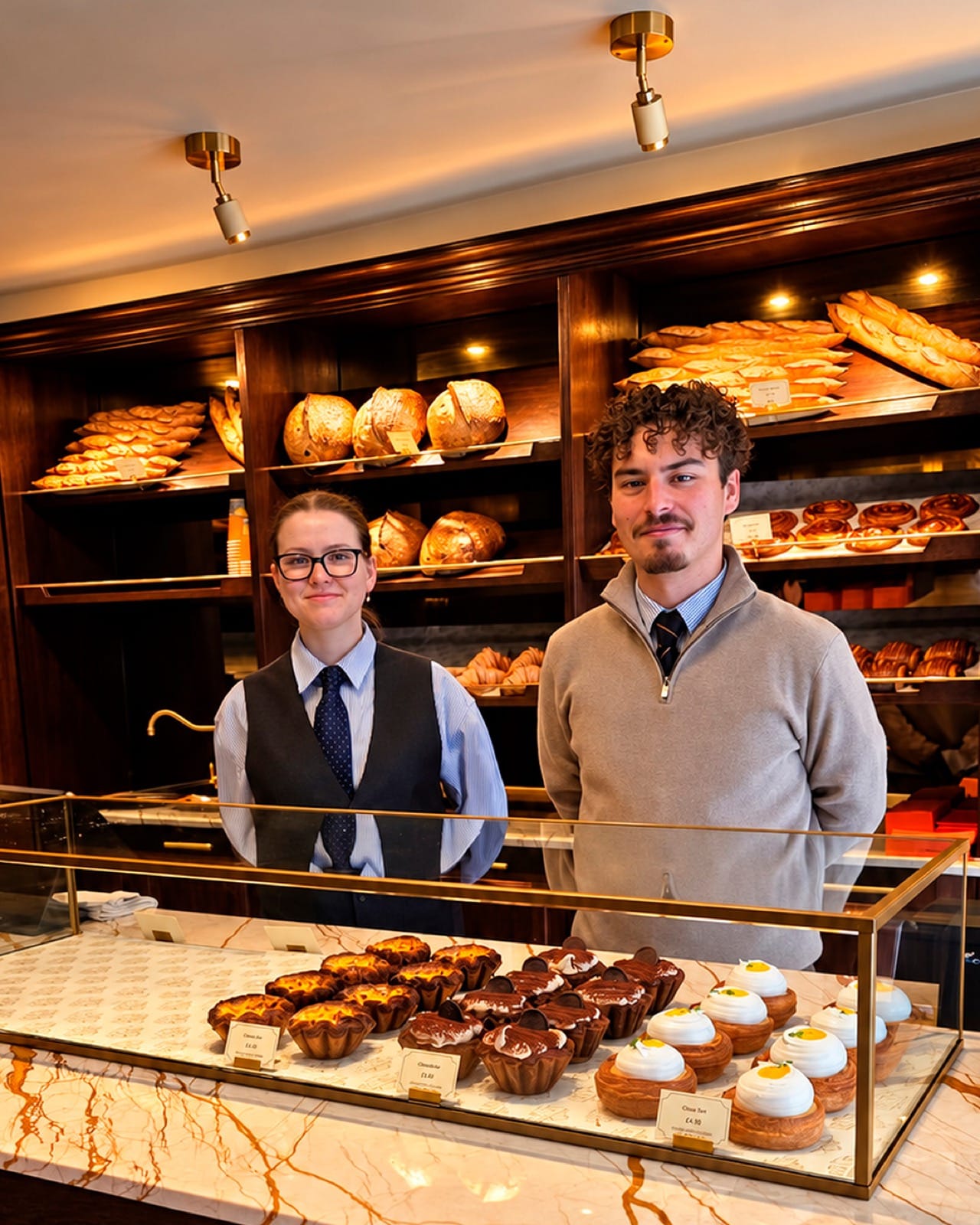

Savoir; return of the Cake Shop.
Around the city
This weekend we’ve been eating our way around Oxford…
- Oxford’s famous Cake Shop is returning to the city, two years after relocating from the Covered Market to Witney. They will be opening in November at Golden Cross, the Cornmarket entrance to the Covered Market. Manager Heather Jaschinski said they were “delighted to begin our next chapter back in the city”. The shop specialises in bespoke, customised cakes and became a popular attraction in the Covered Market after first opening in 1986. It is now part of the Wantage-based Heritage Bakery, a regular sight at farmers’ markets around the county.
- French bakery Savoir continues its soft opening, nearly two years after receiving planning permission. The ‘fine French boulangerie’ is open Wednesday to Saturday this week. The Grade II listed building at 12 Turl Street is owned by Lincoln College; previously Rowell's jewellers, it has been vacant since the pandemic.
- Free pizza? Restaurant chain Zizzi is asking locals to help them move from their current George Street location to a new location three minutes down the road, with £100 vouchers up for grabs for the first 10 helpers. Volunteers are directed to Zizzi on George Street at 12pm on 20 October, two days before the new location opens. (PR gimmick? Yes. But a clever one, timed as students start to run out of funds…)
In more George Street news, the Grapes is now a wet pub and has removed its kitchen entirely; ‘dirty burger’ chain 7Bone is currently fitting out the former George Street Social; and Black Sheep Coffee continue to prepare their new branch at the former STA travel agency opposite the former Odeon, itself being demolished right now to make way for an aparthotel. (Thanks to our George Street correspondent for the tips: we are, as ever, all the Clarion.) - Oxford River Cruises and The Folly restaurant are now employee-owned, with founder Giles Dobson selling his shares to an employee trust. The local business has operated on the Thames for 22 years, starting with a single boat; it now employs about 50 people, with more joining in summer. James de le Vingne from the Employee Ownership Association said: “It seems fitting in a city full of history that Oxford River Cruises and the Folly Restaurant have put in place an Employee Ownership Trust that will exist in law for 125 years.”
- The Cowley Menopause Cafe celebrates its birthday next weekend, meeting at the Cowley Library in the afternoon of Saturday 17 October.
Around the county
- A controversial housing scheme in Ducklington, south of Witney, has been turned down by West Oxfordshire councillors. The outline application for the 105-home development had been permitted on appeal, but WODC yesterday turned down the ‘reserved matters’ application giving more detail. Objections centred around the risk of flooding, with the Environment Agency restating its view that the flood modelling was “not fit for purpose”. Local MP Charlie Maynard (LibDem) said he was “relieved”.
- Henley Bridge could see the bright lights tonight. The Henley Herald reports that the Town Council has agreed to discuss campaign group Make Henley Shine’s plan to light the bridge. After a short-lived unofficial installation in 2018, the plans have remained controversial for heritage and ecological reasons.
- Animal rights activists PETA are opposing plans to bring French theme park Puy du Fou to Bicester on animal rights grounds, saying it uses live animal performances “similar to cruel and outdated circus acts”. The campaign group says Puy du Fou in France uses over 2,000 animals in historical-themed performances, including forcing horses to run in chariot races, and gallop while supporting men wearing full armour. The planning decision is due in November and PETA are urging Cherwell District Council to oppose it. Puy du Fou say they are storytellers creating live shows depicting local historical events, that their parks in France and Spain have won over 25 awards, and that the Bicester park is a £600m investment into the local economy. Their consultation page asks local people to support the application. If successful, the park would open in 2029.
- Help for burnout: After research has highlighted high levels of burnout among people working in charities and community organisations, the Nature Effect, an Oxford-based social enterprise, has launched a programme providing fully funded coaching and wellbeing support. The courses are aimed at people working across Oxfordshire’s social and environmental justice sector, with support from the National Lottery Community Fund. Annie Davy, director of the Nature Effect CIC, said: “We want to create proper space for people to step out of the day-to-day pressures of their work, and get support with their challenges. Ultimately, if we want strong, resilient communities, we also have to look after the people doing the work.”
Oxfordshire politics
Parliament returned from conference recess yesterday: here’s a whistle stop tour of the big issues covered by our national politicians. And we've switched our usual constituency batting order of ‘north to south’ because of drama in the LibDem camp…
- Witney MP Charlie Maynard (LibDem) has stepped down from the Liberal Democrat front bench amid concern about Ed Davey’s leadership of the party. He was previously the party’s Treasury spokesperson. The LibDems gained a record number of seats at the 2024 General Election, including Witney, but are currently marooned at around 10% in the polls.

- Bicester & Woodstock MP Calum Miller (LibDem) backed Davey, albeit in a slightly ambiguous statement making no reference to his own frontbench position (foreign affairs). He said Davey had led the LibDems to their best election result in 100 years, and called this a “distraction” while pledging to focus on local matters. Foremost among those, of course, is the proposed MOD Bicester asylum centre, saying he'll demand answers once Parliament returns this week.
- Oxford West & Abingdon MP Layla Moran (LibDem) lost to Davey in the contest to become LibDem leader in 2020. She's remained silent on the issue – so silent, in fact that there is nothing at all on her socials for this week. We know the traffic has been bad in West Oxford but we didn't think this also applied to internet traffic. She was, however, profiled in Mace magazine where she talked about her motivations in politics.
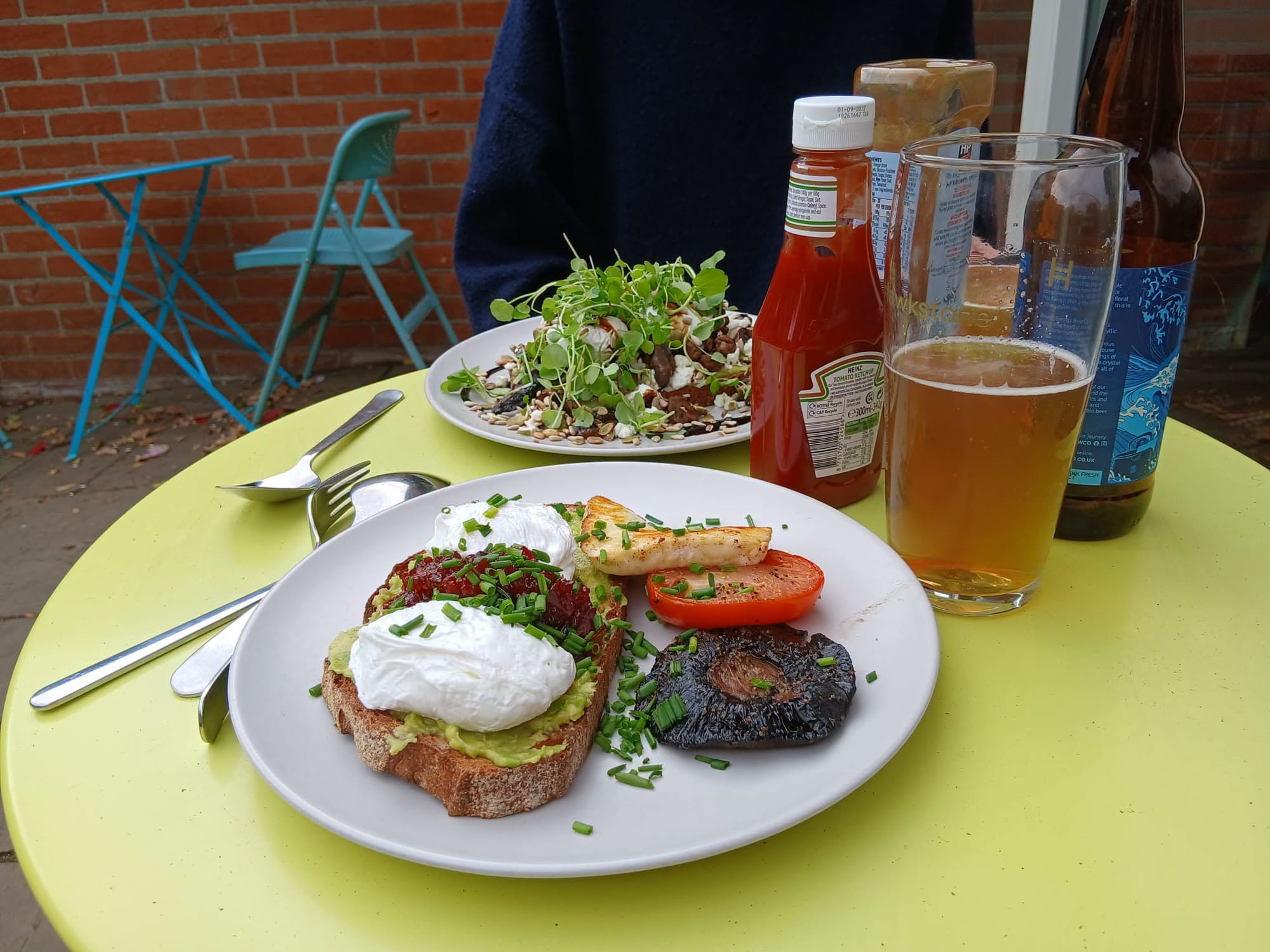
- Didcot & Wantage MP Olly Glover (LibDem) made no comment on Ed Davey either but did praise a bruschetta with chilli jam (we are increasingly viewing Glover as Didcot & Wantage's foremost food blogger). More seriously, he joined Moran and Maynard in a joint letter asking Thames Water to share the feedback they have received from the public about the SESRO/White Horse Reservoir: changes mean Thames Water are no longer required to produce a statutory consultation report. And in an issue we know is close to many Clarion readers' hearts, he spoke about a new LibDem policy to dedicate 5% of the national transport budget to investment in walking, wheeling, and cycling.
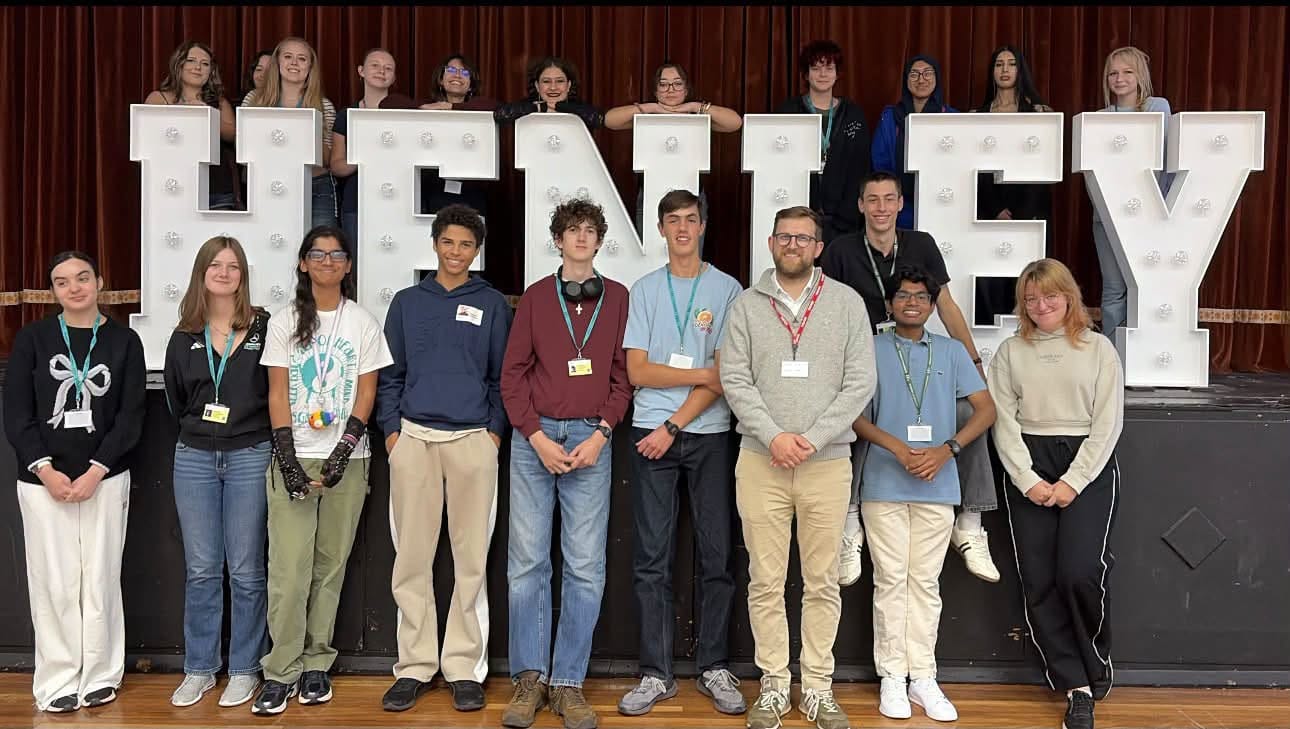
- Henley & Thame MP Freddie van Mierlo (LibDem) has also remained quiet this week, but he did go to Henley College's Aspire programme to speak to students about being an MP and having an impact through campaigns. (The kids are all right.)
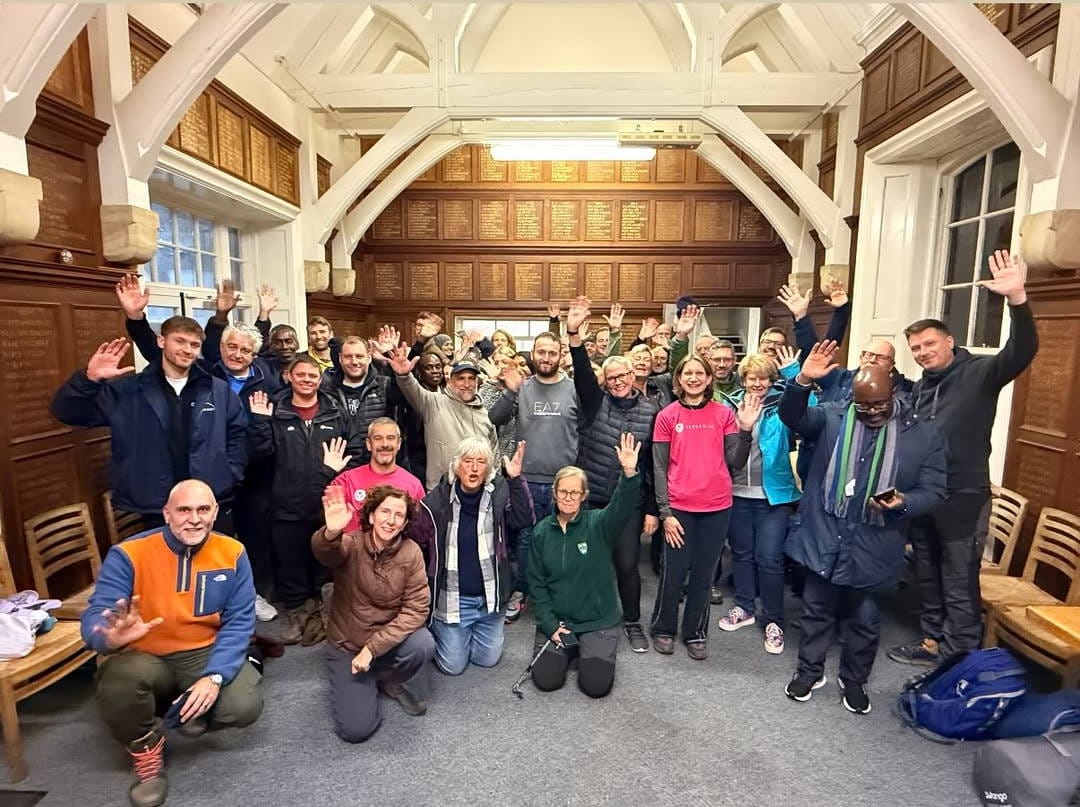
- Oxford East MP Anneliese Dodds (Lab) may have been on parliamentary recess but got involved in some punchy issues this week. She joined the CEO Sleepout in Oxford (overnight low of 10°C… we are impressed) – a reminder of the need to end rough sleeping, which is a significant challenge in Oxford. She's working with other MPs to call on the government to counter illegal e-bikes whilst promoting safe ones. She supported calls for a moratorium on the use of the death penalty in Saudi Arabia and other countries (we're looking at you, USA). She is also urging former service personnel to check out the Government’s LGBT Financial Recognition Scheme: the scheme offers financial awards and restorative measures to those impacted by the pre-2000 LGBT ban, and closes on 12 December.

- Banbury MP Sean Woodcock (Lab) has written to Cherwell District Council about confusing signage in car parks, saying there are mismatches between rates displayed on signage and charged by machines. And he flagged an Energy Support Grant to his constituents, which can help clear energy debt of up to £1,700.

- Thames Valley Police & Crime Commissioner Matthew Barber (Con) took part in a debate at the Conservative Party Conference about reducing the attainment gap for many young boys, the impact of fatherlessness, and the importance of other male role models. He joined fellow (presumably Conservative) Police & Crime Commissioners to meet with Shadow Policing Minister, Matt Vickers, to discuss organised crime on the high street, dodgy barbers and vape shops. He described party leader Kemi Badenoch's conference speech as a “great pitch to the nation”. Longstanding Clarion readers will be pleased to see the return of the Sunday Labrador pics.

University and research
- A new scholarship for Afghan women has been funded at the University of Oxford. Shabana Basij-Rasikh has given a $2.5m donation to endow the scholarship in perpetuity. It will support women of first- or second-generation Afghan descent taking a master’s course. Ms Basij-Rasikh said: “This is all we’ve ever asked: not to be pitied or patronised, but only to have access to the tools we need to build our own futures and successes. At Oxford, an Afghan woman leader’s journey will begin. Another Afghan woman will come the following year, and it will continue.”
- Oxford University’s museums have updated their policy on the holding of human remains, which applies to five organisations. In 2023, the Pitt Rivers Museum committed to return the remains of 11 ancestors to representatives of the respective Aboriginal and Torres Strait Islander communities and the Australian government. In 2024, ‘Uncle’, an Aboriginal man whose remains had been returned the previous year, was reburied near Sydney. The five organisations holding known human remains are the Ashmolean, the History of Science Museum, the Museum of Natural History, the Pitt Rivers, and the Bodleian. The updated and original policy can both be found here.
- Parkinson's advances: Oxford University researchers & their collaborators have developed a new sensor that can detect a Parkinson’s disease-related protein in patients’ blood, with over 90% accuracy in initial tests. If the results hold up in larger studies, researchers hope that the disease might be detected earlier.
- The first Ugandan participants were vaccinated last Tuesday in Oxford University’s ground-breaking ebola vaccine trial. The ChAdOx1 Bundibugyo virus vaccine candidate uses technology developed for the Oxford/AstraZeneca Covid vaccine to target a virus species for which no vaccine is yet available. Simon Drysdale from Oxford Vaccine Group said: “A vaccine developed and tested at the University of Oxford, and manufactured and stockpiled in India, is now being evaluated in Uganda and supported by [funders] CEPI – bringing together expertise and commitment across continents with a shared goal.”
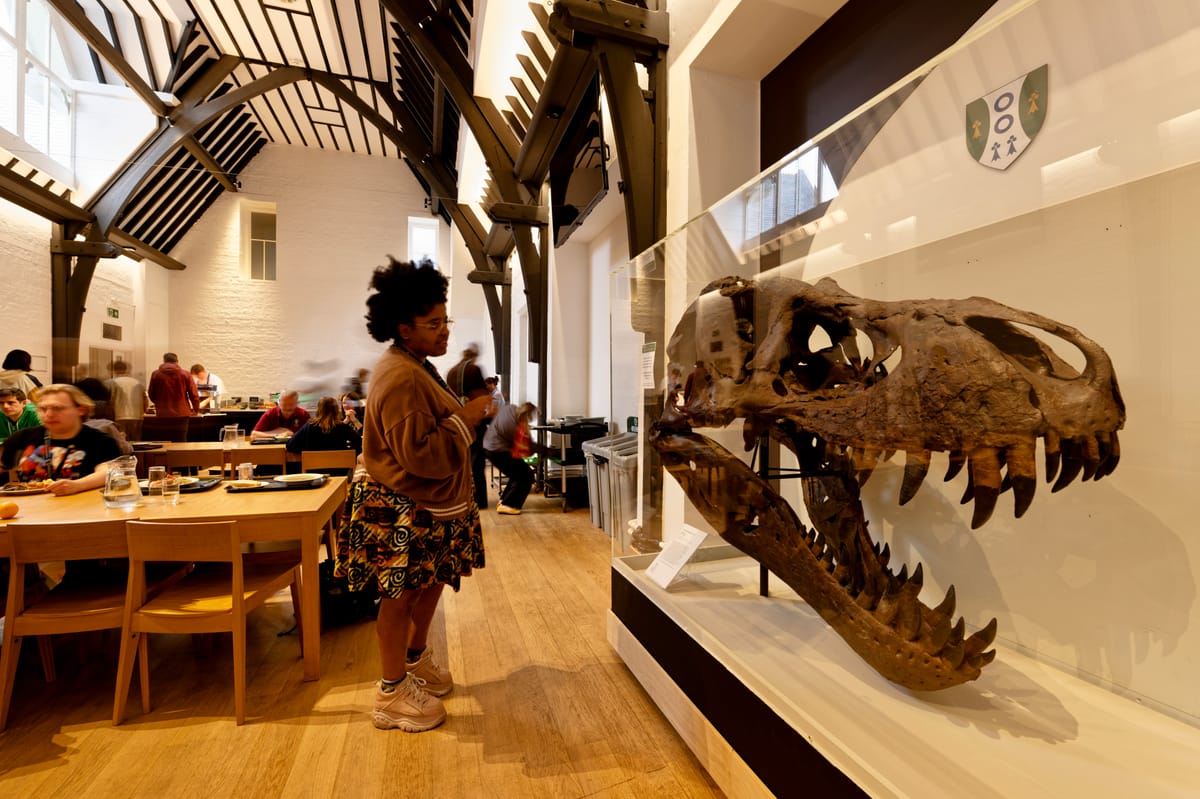
- A cast of the skull of ‘Stan’, one of the most complete Tyrannosaurus rex skeletons ever discovered, has been put on display in the dining hall at Reuben College. The skull is on loan from the Oxford University Museum of Natural History (who rather conveniently have two in their collection). The display celebrates the early days of Oxford's youngest college, prior to their building's 2023 completion, when the Museum hosted weekly ‘Dining with Dinosaurs’ events comprising a TED-style talk followed by dinner under the skeletons. The tradition continues as ‘Tuesday Talks’. Janet Stott, Vice-President of Reuben and deputy director of the OUMNH, said: “The loan is a wonderful example of the unique relationship between Reuben College and the University's Gardens, Libraries and Museums, and a brilliant addition to the Dining Hall.”
Business and tech
- Spin out success: Living Optics, a spin-out from the University of Oxford specialising in hyperspectral cameras, now based at Milton Park, Didcot, is looking sharp after $20m funding from British Business Bank and other investors. The company’s technology, originally developed to image laser plasma interactions at trillions of frames per second in the University’s Physics labs, is now being applied to food, health and security applications.
Hyperspectral imagery goes beyond the Red, Green and Blue (RGB) sensors in our eyes or most cameras, reaching into the ultraviolet and infrared, but also providing more bands within that spectrum. (This is yet another example of Didcot being at the cutting edge of everything and we really should write that long read on it...) - NatWest has launched an “accelerator hub” on Alfred Street, just off the High. It describes the hub as “a thriving community for entrepreneurs providing a range of support for you to grow your business”, with co-working space, events and business support.
- Andy Burnham has announced that the Oxford–Cambridge Growth Corridor and the Northern Growth Corridor will be twinned to “connect leading universities, innovative businesses, and local leaders across different parts of the country”. An early-stages Cambridge/Manchester partnership already exists, and an Oxford/Liverpool partnership was signed earlier this year. Burnham said his ambition was to “grow our companies into global giants”.

Trains and buses
- Train operator CrossCountry has secured the remaining eight trains in the Voyager fleet to tackle overcrowding, including on north-south trains through Oxford. Six trains had been out of use since leaving service on the West Coast, while another two were used by sister company Grand Central. The move brings CrossCountry’s Voyager fleet to 78 trains, and will enable more to be operated coupled-up (8-10 coaches) rather than singly (4-5 coaches). The eight trains will be refurbished and start to enter service early next year.
Rail minister Lord Hendy said “Once these extra trains are in service, it means more seats, less crowding and greater resilience for services between major towns and cities across Britain.” CrossCountry MD Shiona Rolfe called it “an important step towards delivering a railway customers can rely on”. The new trains can’t come a moment too soon: on Friday afternoon, passengers at Oxford station were unable to board a northbound CrossCountry service due to severe overcrowding on the four-coach train, even if they had a reservation. Station staff asked passengers to wait for the GWR stopping train to Banbury instead.
Notes from Clarion HQ
“In theory, the leader was a statement of the paper’s position. In practice, we didn’t dare alienate swathes of our readership by offering a different view to theirs. So we stated an opinion only when it was difficult for anyone to disagree with it. The problem came when tackling a contentious issue, or one with no obvious solution. I should have had the phrase ‘A delicate balancing act’ as a shortcut on my keyboard.”
That’s Roger Lytollis in his caustic memoir of local press life, Panic as Man Burns Crumpets. As we write this week’s ‘Notes’, our equivalent of the leader column, we’ve had those words in mind as we contemplate traffic queues across the city this week.
Could Oxfordshire County Council have managed roadworks in East Oxford better, as a City Council broadside asserts? Probably yes. Is the congestion on the Botley Road largely a result of that same City Council giving planning permission for a honking big cheap car park at the Westgate Centre? Also probably yes. Would relaxing the traffic filters or LTNs ease congestion – or unacceptably compromise the safety of other road users? “A delicate balancing act.”
It’s fine for a local newspaper editor to “state an opinion only when it was difficult for anyone to disagree with it”. Councils don’t have that luxury. As Pierre Mendès-France said, to govern is to choose. Fixing Oxford’s traffic congestion means making choices – and upsetting some people.
We get the City Council’s frustration. Congestion has been unacceptable in Oxford this week, and until unitary councils finally happen, there’s nothing the City can do about it. But letting cars back onto traffic-calmed streets would be a short-term sticking plaster with long-term consequences. Tackling congestion implies fewer cars, not more; this requires providing attractive, safe alternatives to motoring; and in a constrained city like ours, the only way to do this is through giving more road space to walking, cycling and buses. Rolling back Oxford’s LTNs would be going back to the pollution and congestion of the 2010s, not forward to a better 2030s.
Maybe we should have just said it’s a delicate balancing act? Have a great week.