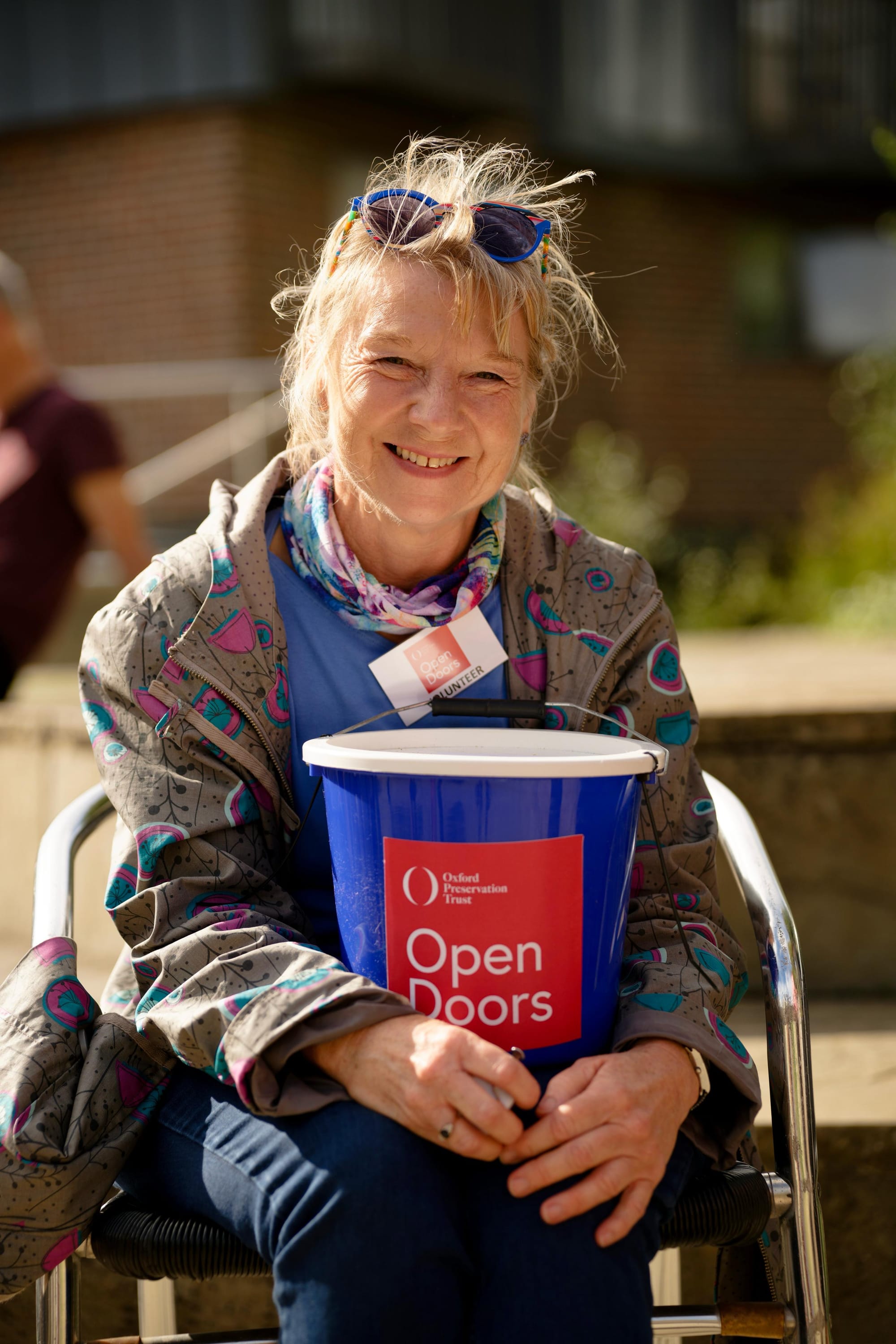
Oxford Open Doors 2026
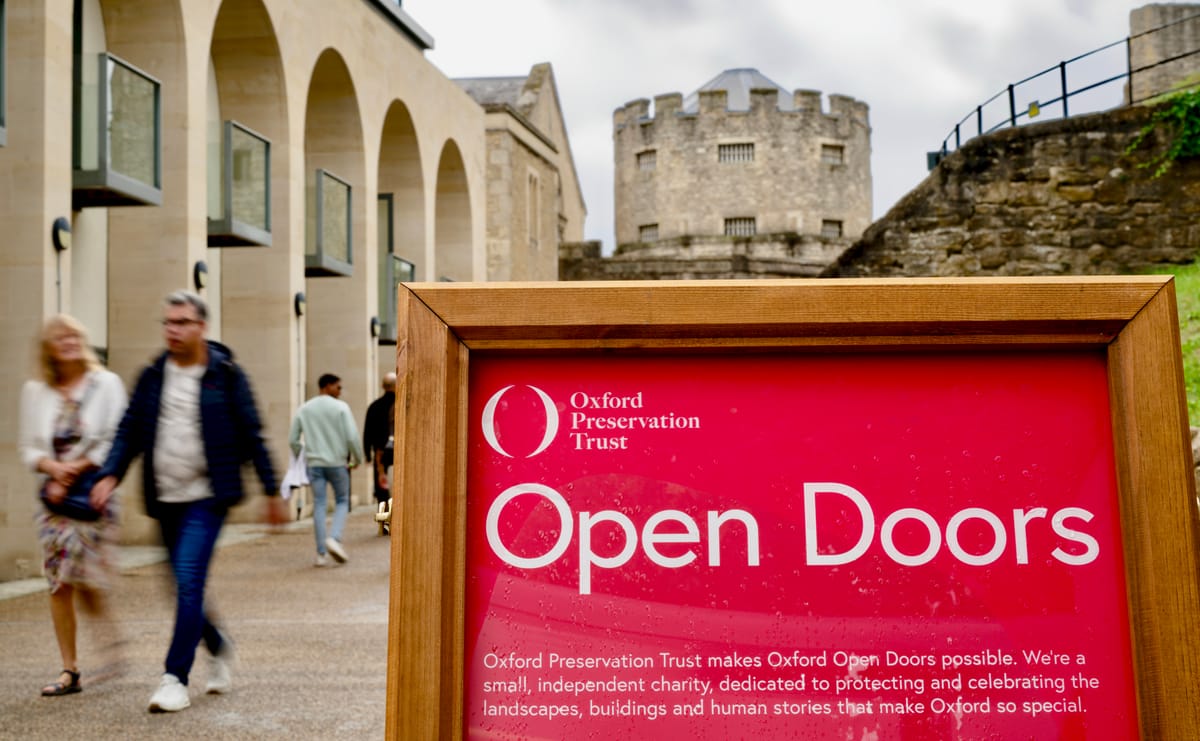
Oxford's heritage weekend comes but once a year, with chances to glimpse sites usually closed to the public. Our photographer Roger Close was on a mission to visit as many locations as possible (he is now rather tired). Did you spot him?
The Painted Room
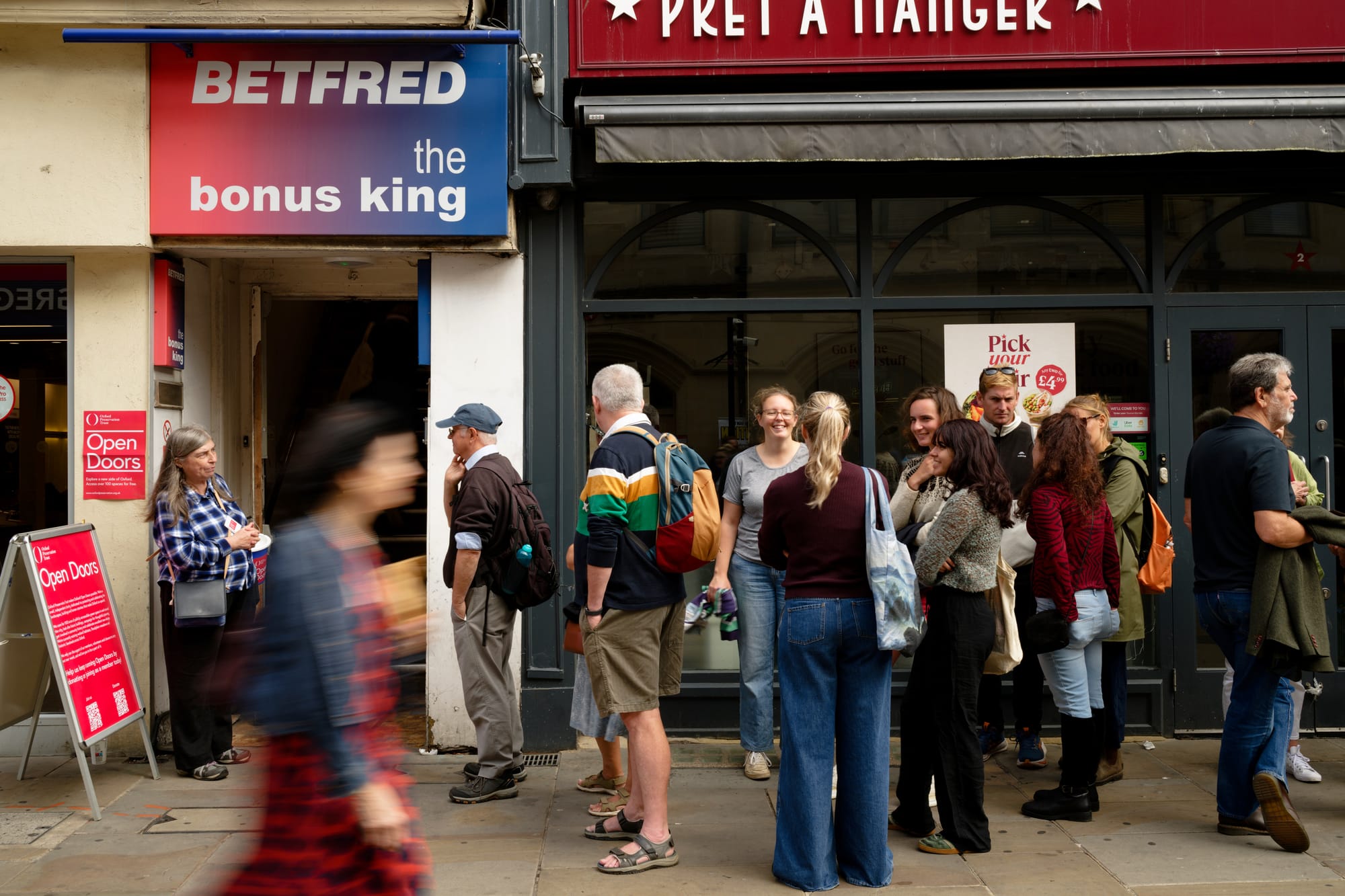
The Painted Room is one of the jewels in Oxford's heritage crown. The OPT brochure describes it as "hidden at the heart of Cornmarket" but we prefer to think of it as "crouching incongruously above a Betfred". The room was once part of a wine tavern run by a friend of William Shakespeare, the London vintner John Davenant (we reckon he would have approved of the Betfred). It is believed that Shakespeare often stopped here on his journeys between London and Stratford-upon-Avon.
The room houses an Elizabethan wall painting, a rare survival dating from the 1560s or 1570s. Forgotten for over 300 years, the painting was rediscovered in 1927 and carefully conserved. There is, deservedly, always a long queue for this, so if you're planning next year, go early.
Oxford Bus Museum
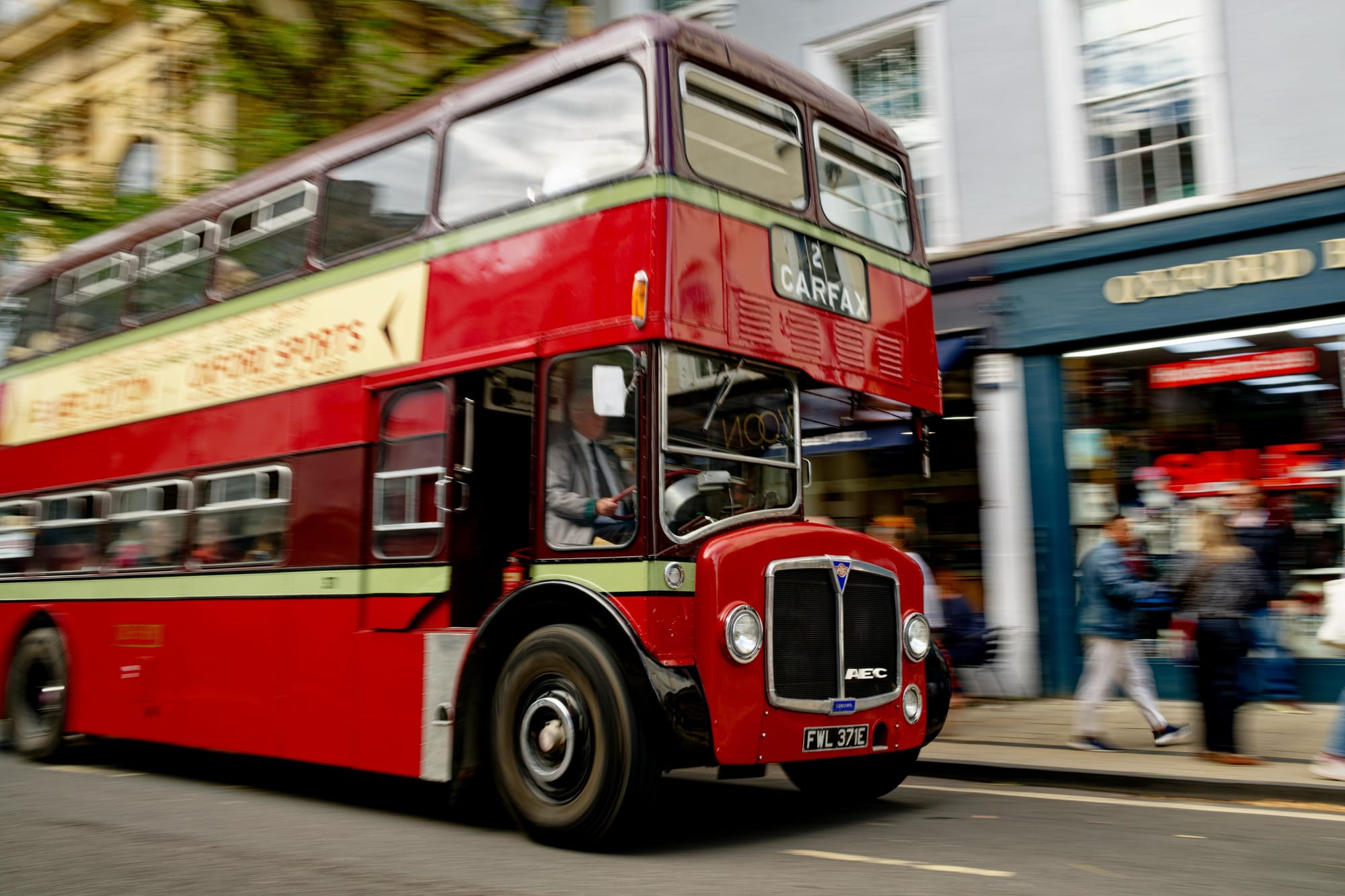
On the buses, on the High
The Oxford Bus Museum provided a free bus service around Oxford city centre using its heritage vehicles. Located next to Hanborough Railway Station, the museum curates the rich history of Oxfordshire transport with bus, car and cycle collections and is well worth the trip out.
Real Tennis
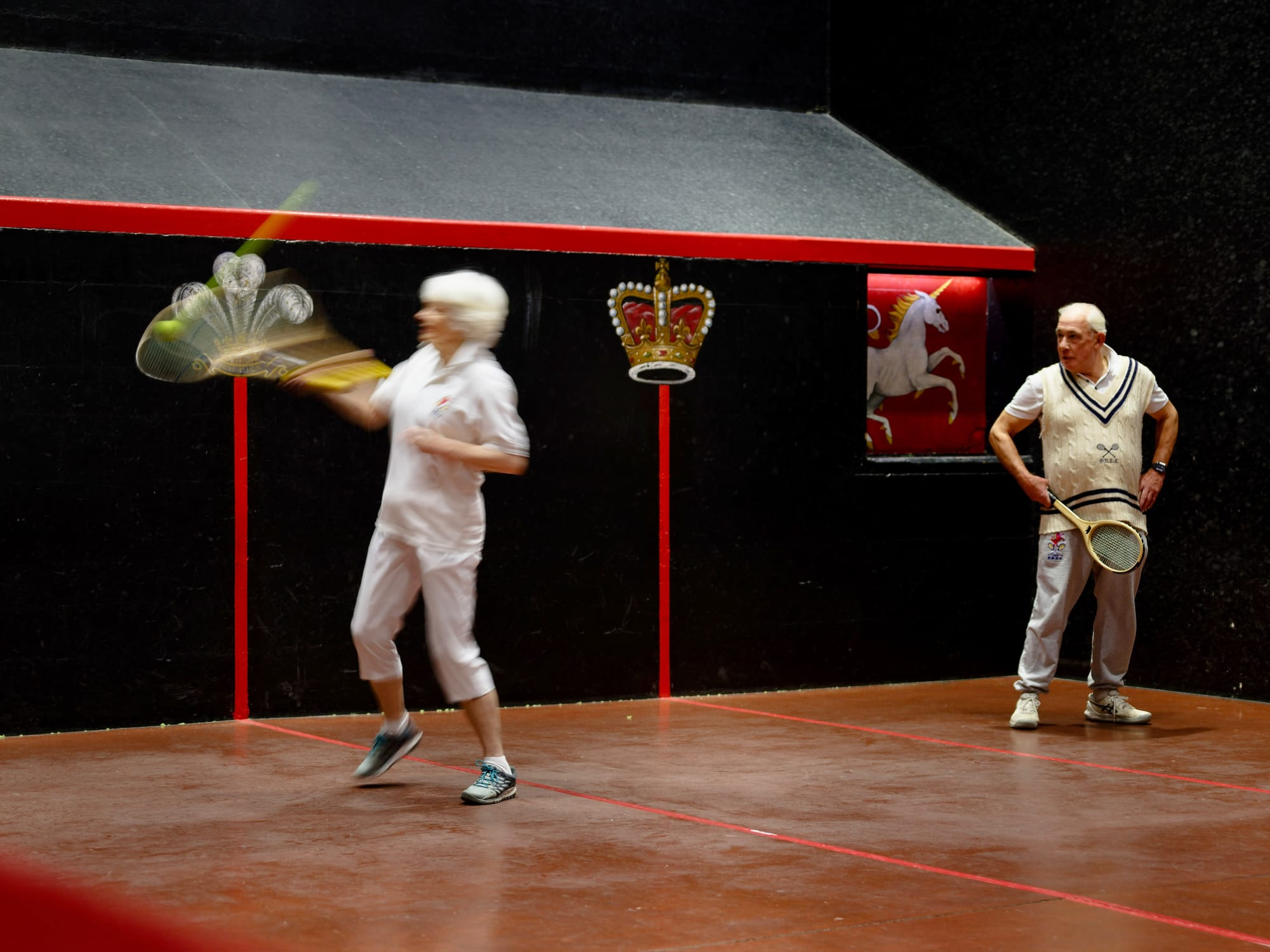
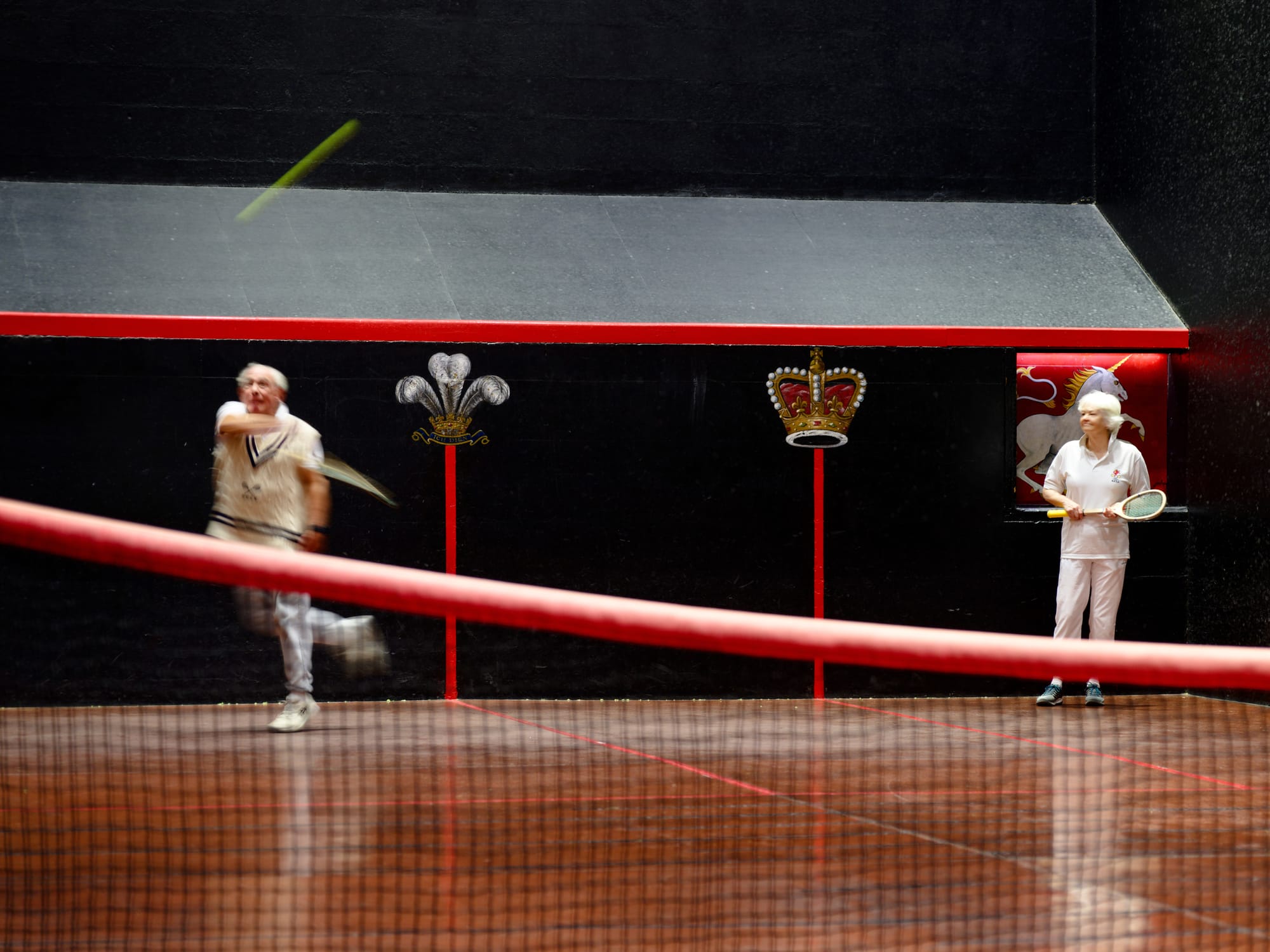
Real Tennis (not just real, but royal, and decidedly not lawn tennis)
The last real tennis court in Oxford is on Merton Street (one in Oriel College was converted to a lecture hall in 1923). Real tennis is an ancient forerunner to lawn tennis, played in an 18th-century court. The day showcased demonstration games accompanied by players mingling with the spectators to explain details about the game and the equipment used to play it. The club is open to all – town and gown – with most of its members having no university affiliation.
St John's College
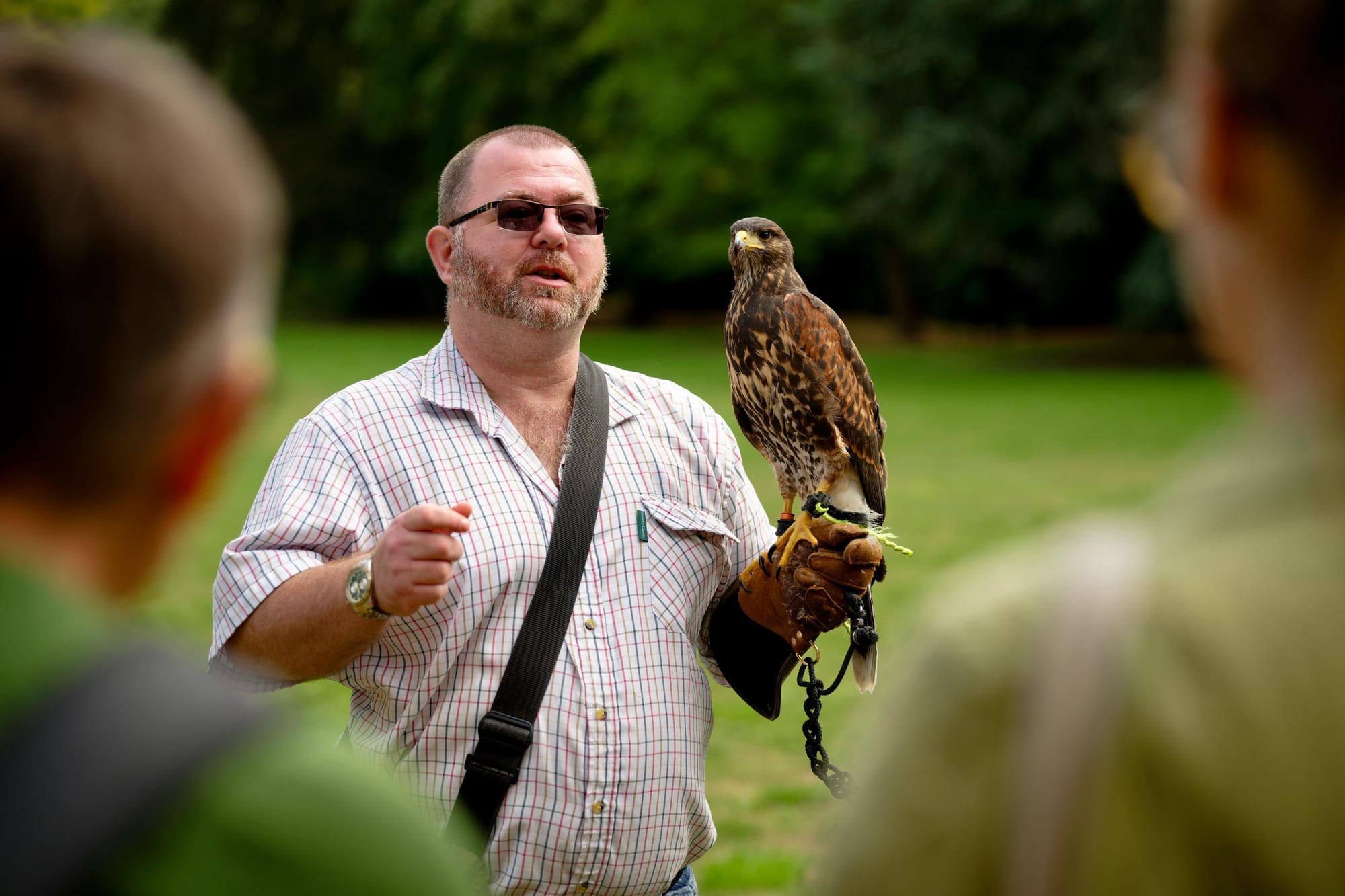
Missy the Harris's hawk and Dan, its owner, at St John's College
St John’s College was founded in 1555 and is situated just off St Giles’. It is a Tardis of a college with multiple quads, in diverse architectural styles, and huge gardens in the very centre of the city. It ran a full programme of events, including a meet-and-greet with the college’s Harris's hawk, Missy, and her trainer, Dan (the college keeps three hawks to deal with pigeons). For more on the hawk and its trainer, may we direct you to this article by the excellent Oxford Sausage. Also available were concerts, guided tours of the garden and libraries, a scavenger hunt for children and interactive storytelling. We also bumped into the lovely people from ARCh Oxfordshire, who were recruiting volunteers from a stall there. Small wonder it was one of the busiest sites we visited.
Rhodes House
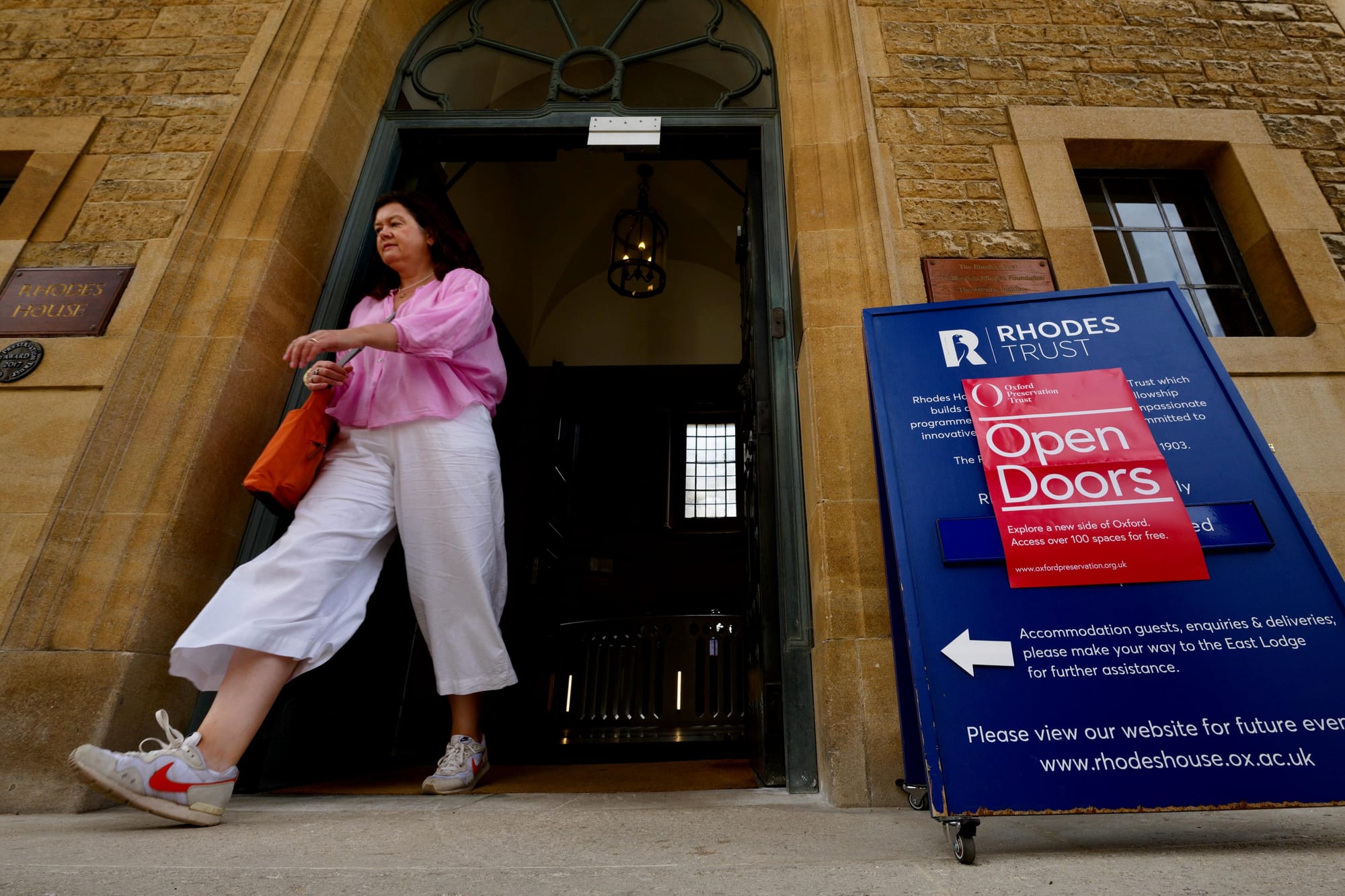
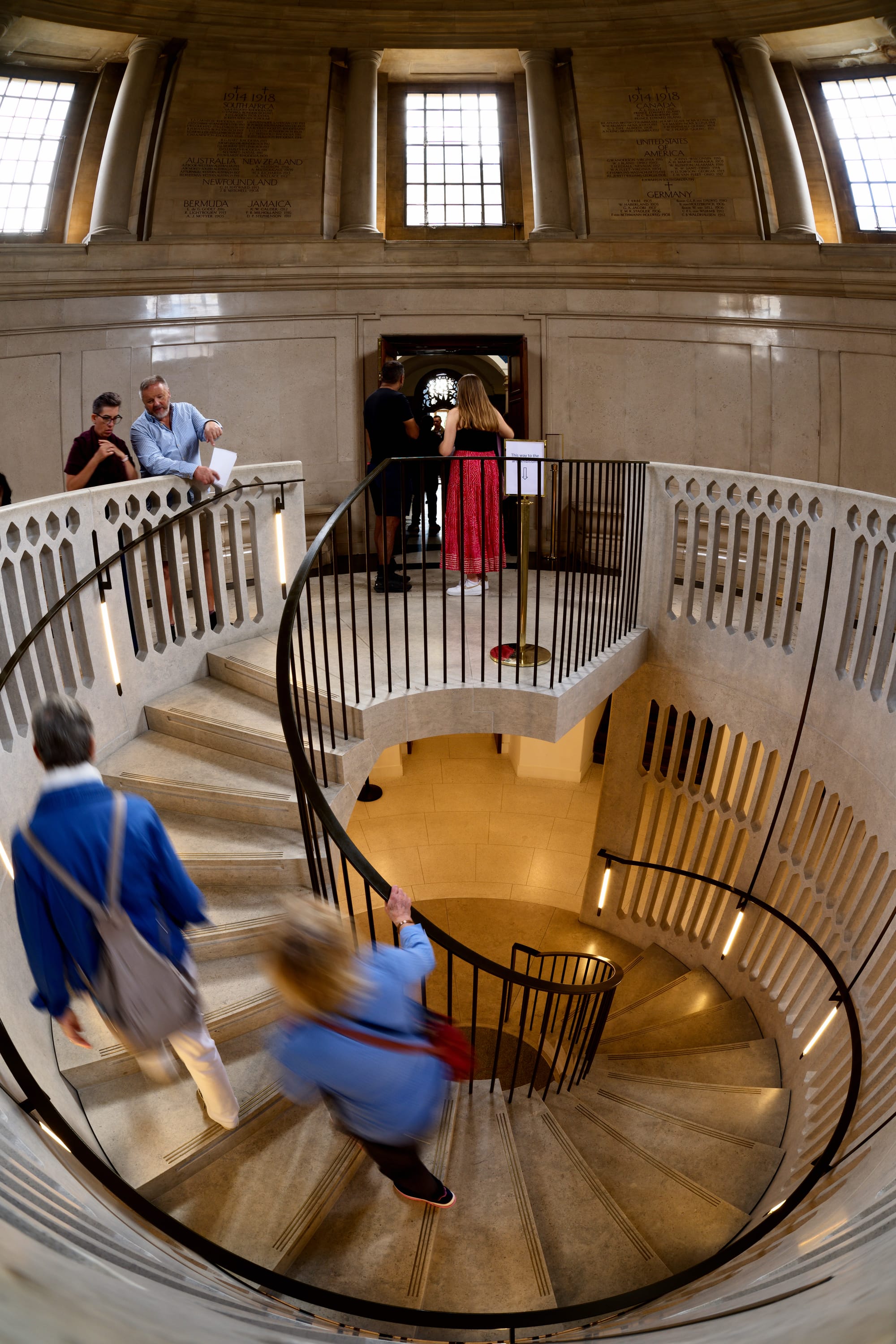
Rhodes House, inside and out
Rhodes House is a historic Grade II-listed country house in the heart of Oxford which recently underwent a £38 million renovation and expansion project. It is home to the Rhodes Trust, which provides Oxford scholarships to students from across the world. Also available on the day were tours from Uncomfortable Oxford, a social enterprise led by researchers and historians who explore the city’s uncomfortable histories and their ongoing impact today. The tour aimed to locate Rhodes House in the wider context of the University of Oxford, examining how it reflects the university’s relationship with the British Empire, and how imperial legacies continue to shape ideas about leadership, knowledge and justice today. The aim of the tour was not just to deconstruct Rhodes House as a memorial to Cecil Rhodes, but also to highlight stories of resistance, change, and reinvention – and to ask how an institution can evolve beyond its colonial origins.
The Bodleian
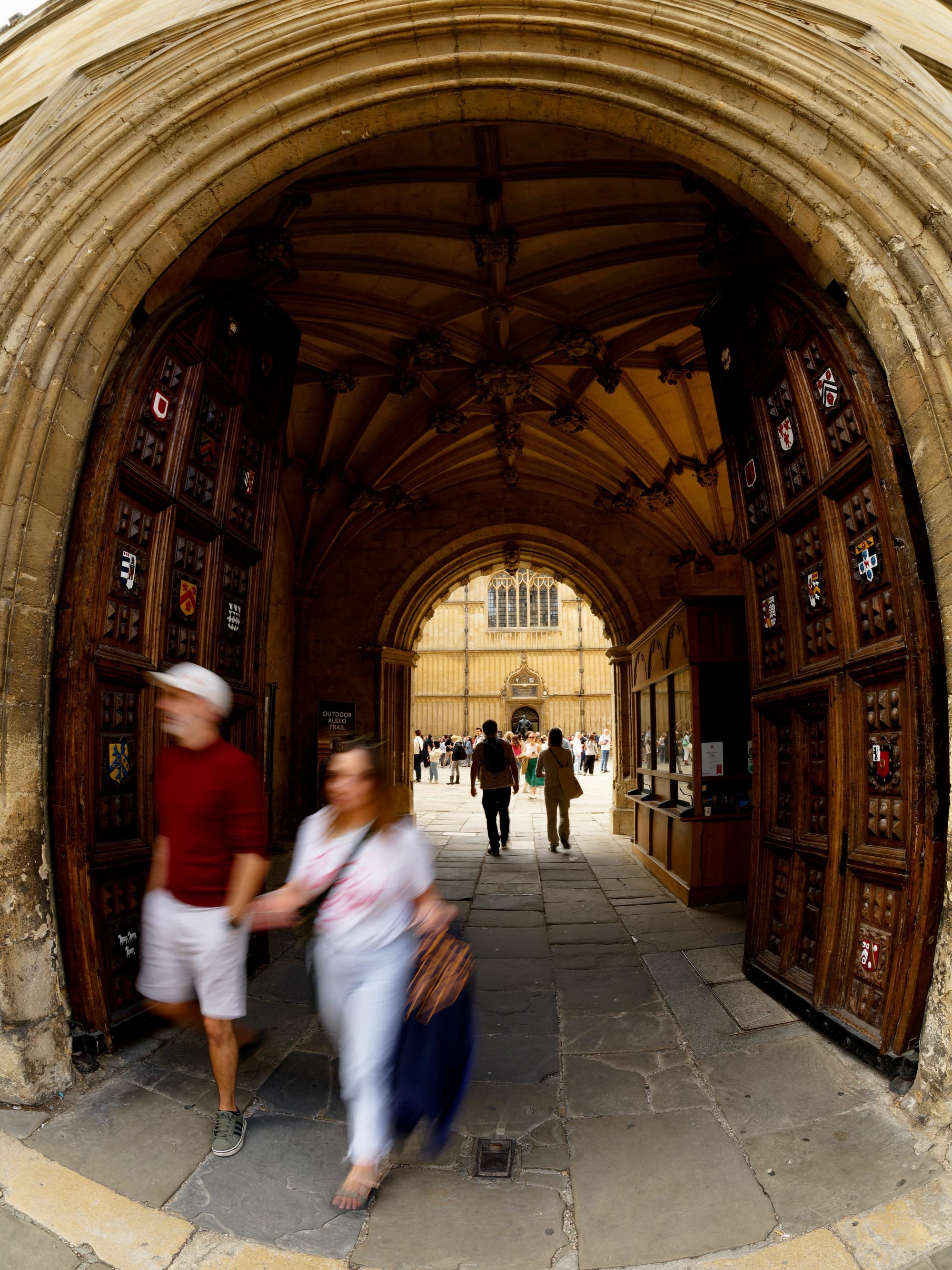
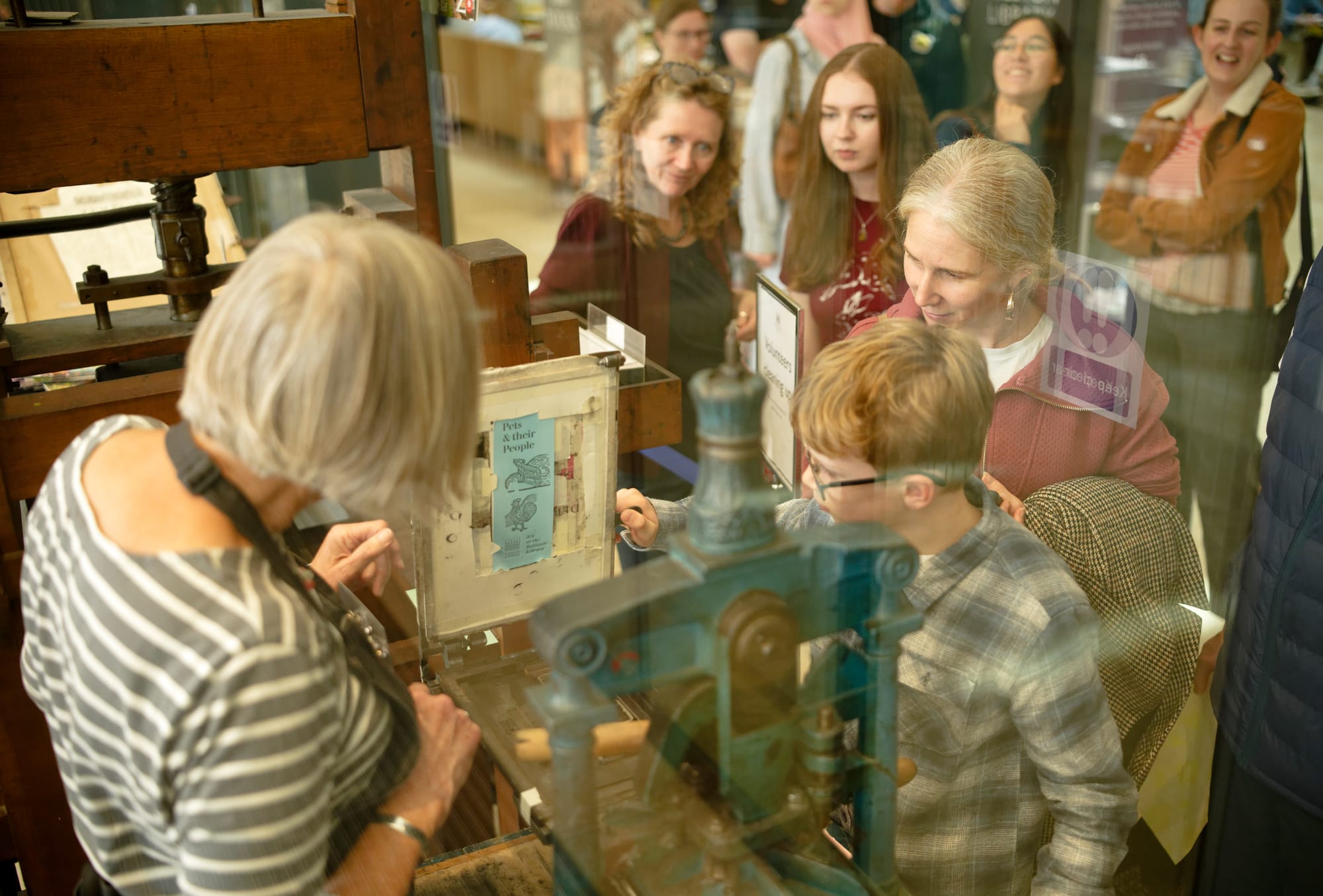
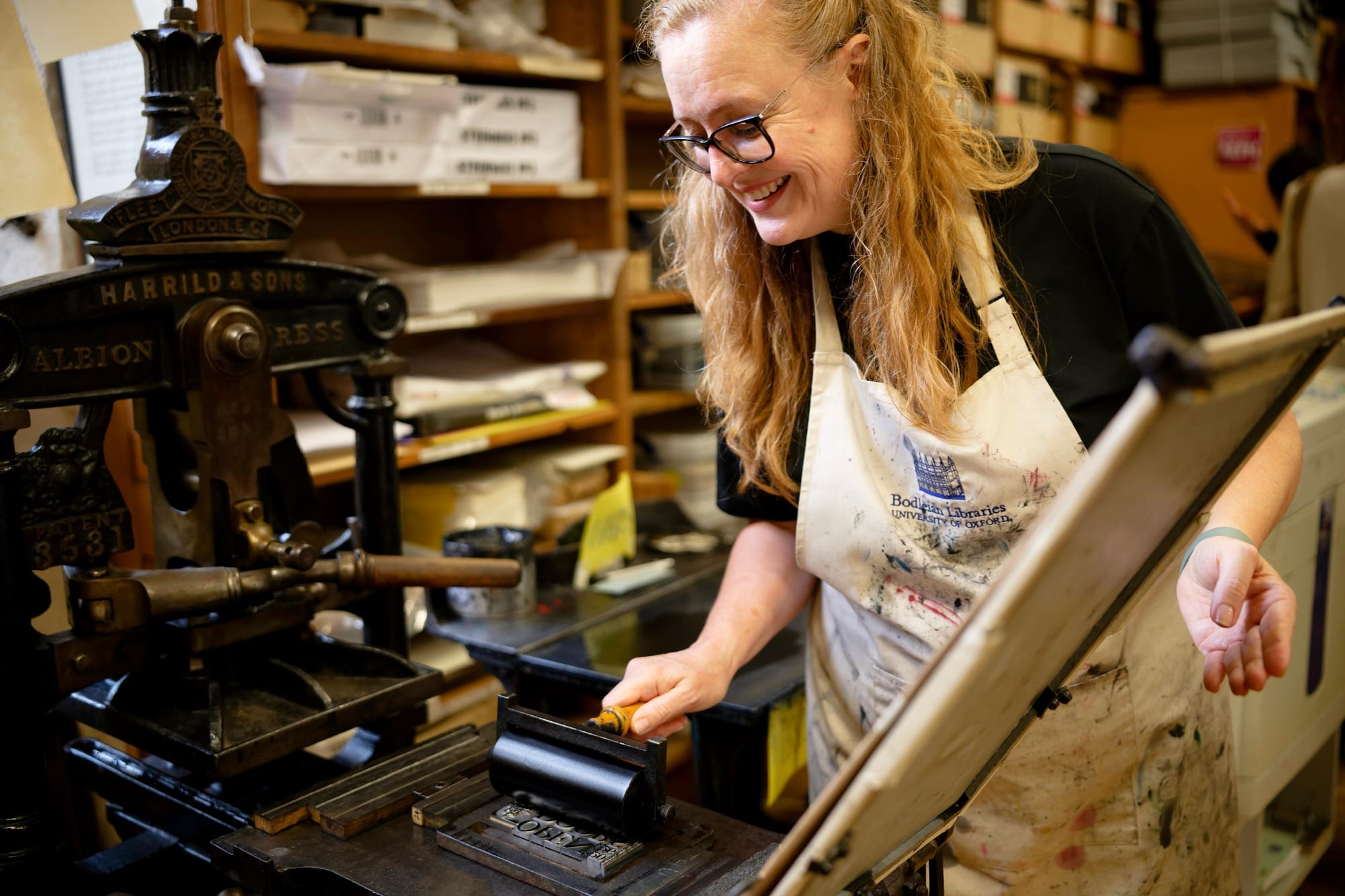
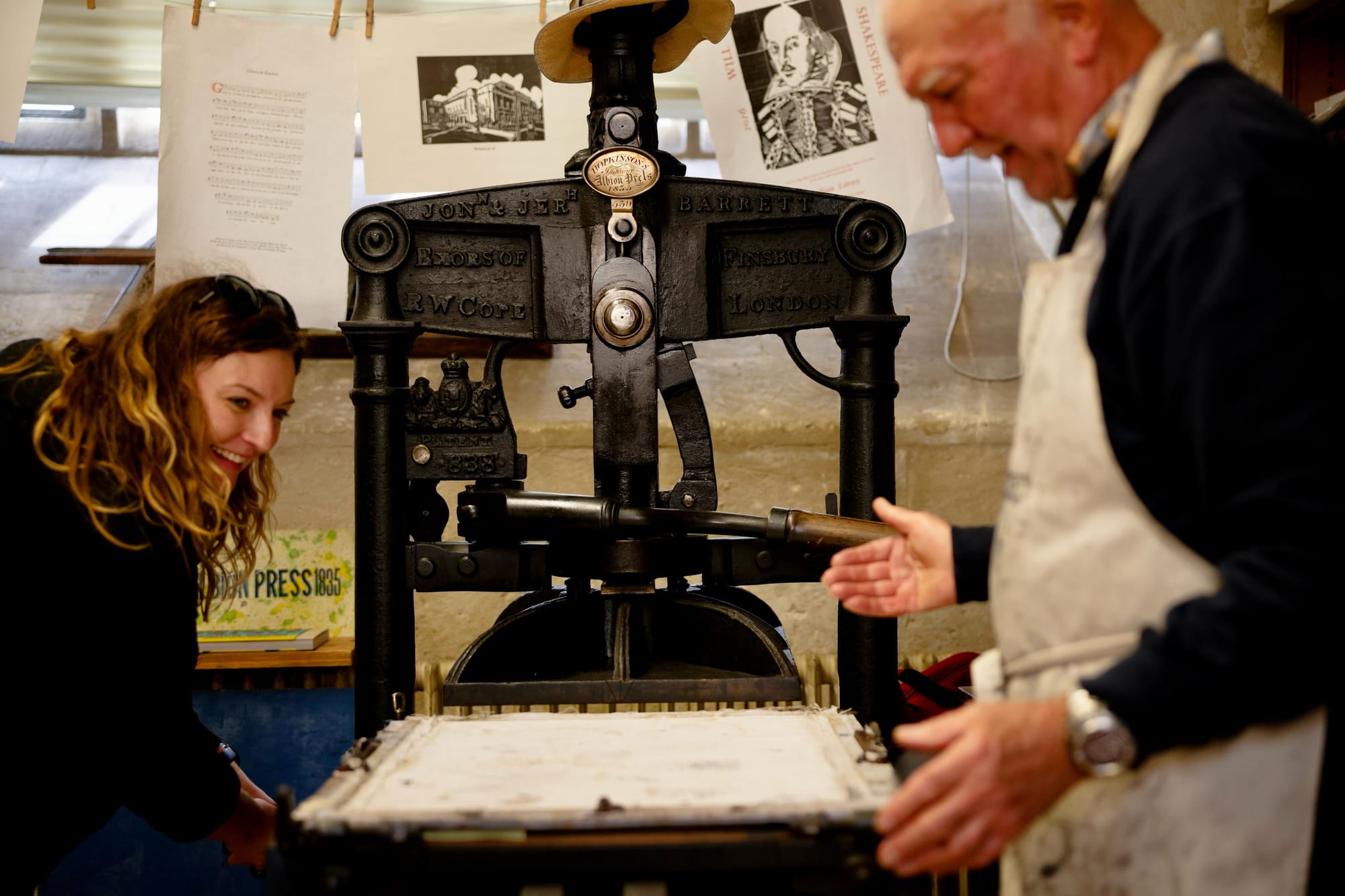
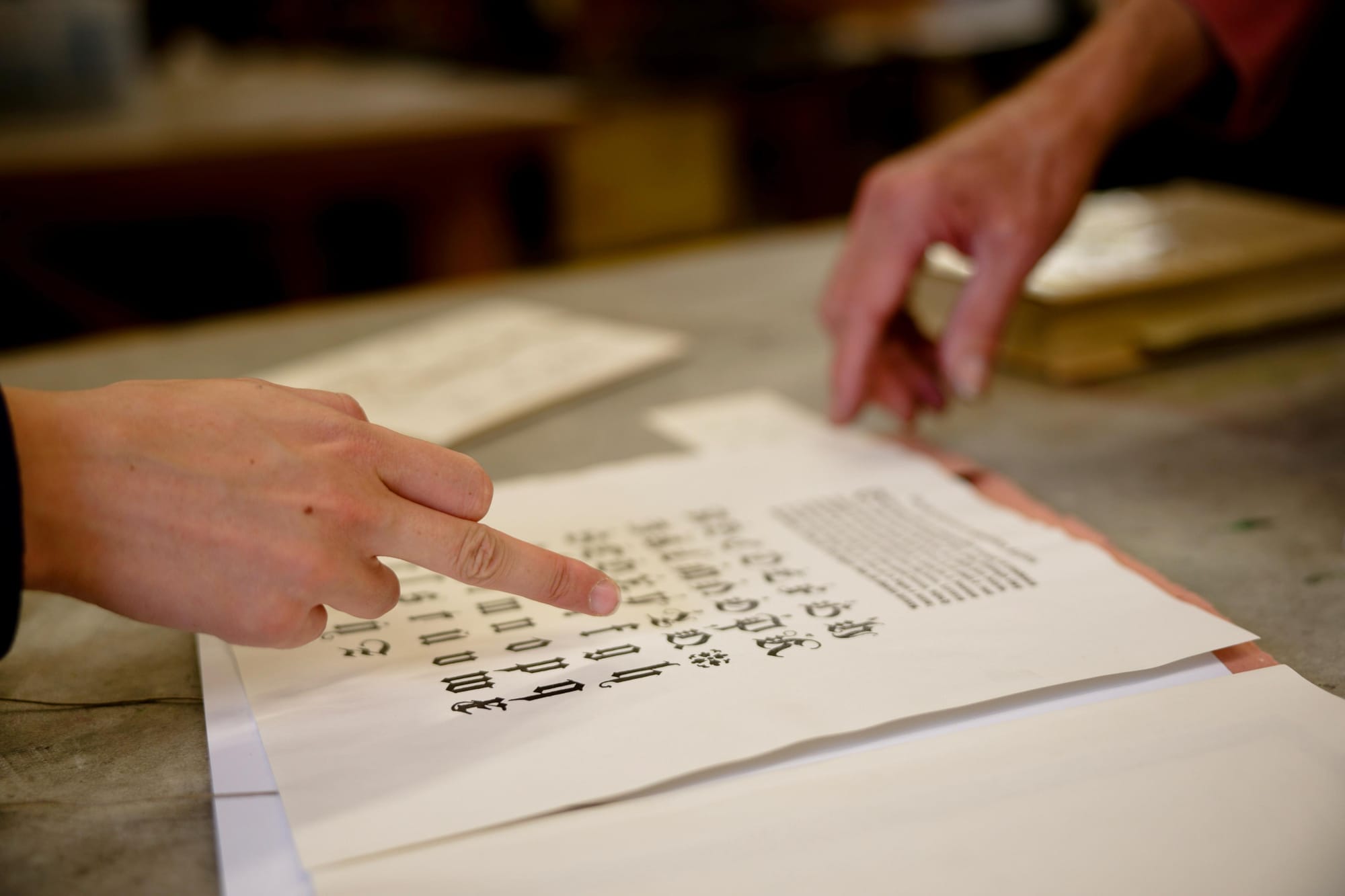
Printing workshop in the Old Bodleian's Schola Musicae
The Bodleian Library was a hive of activity all weekend, from discovery stations where visitors could meet the imaging services team and hear about their work photographing the collections of the Bodleian Libraries, to meeting the printing team in the Old Bodleian’s printing press workshop and learning about historical printing methods from the time of Gutenberg, before creating a keepsake using an old, hand-operated printing press.
The Oratory
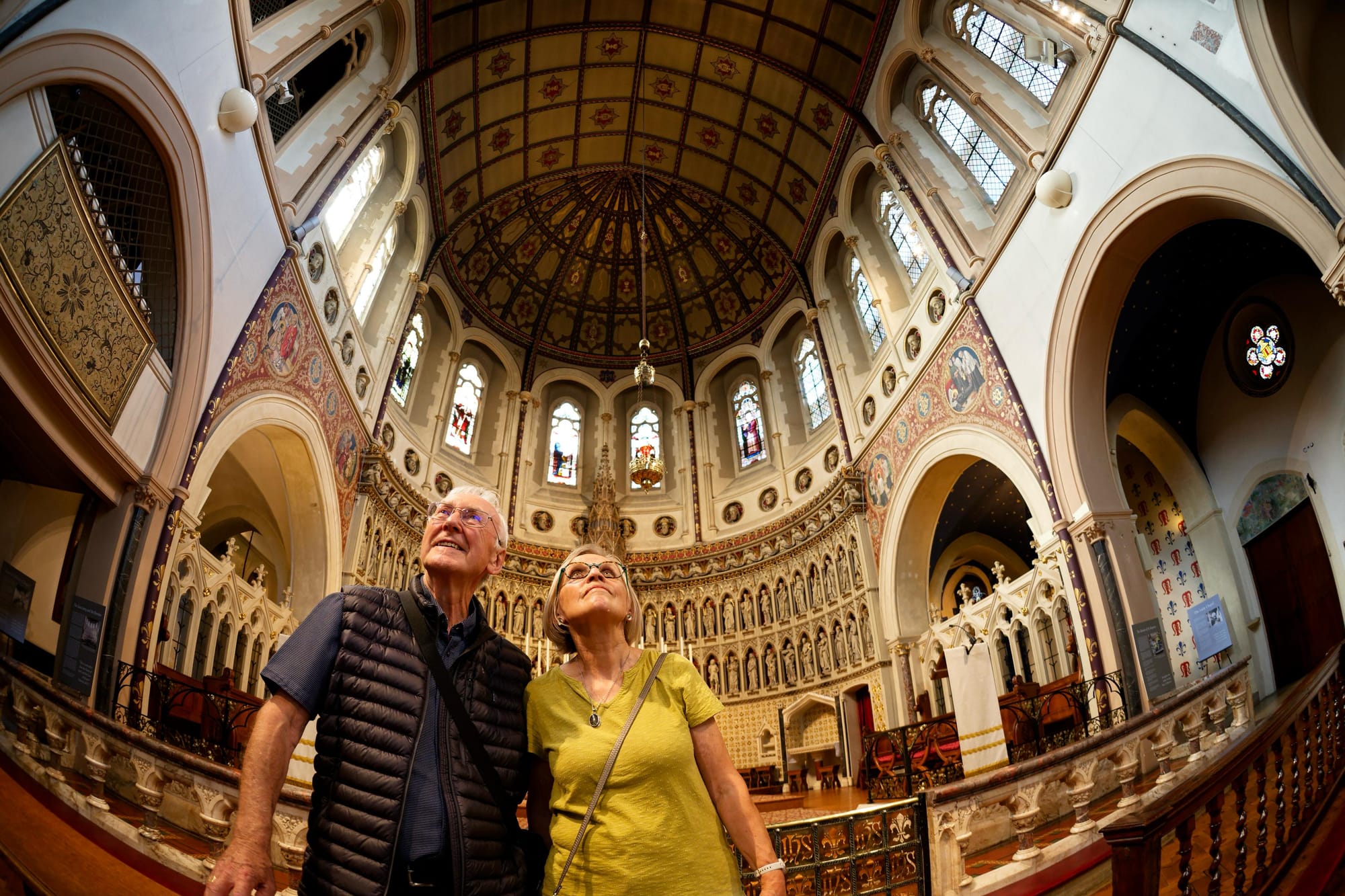
The Oxford Oratory
The Oratory is the oldest Catholic church in Oxford (post-Reformation, that is). Built to a French Neo-Gothic design, its highlights include murals depicting the life of St Aloysius Gonzaga by renowned Arts and Crafts artist Gabriel Pippet, and a collection of more than a thousand relics of the saints. This weekend featured an exhibition around the church, explaining its history and its present use.
St Barnabas, Jericho
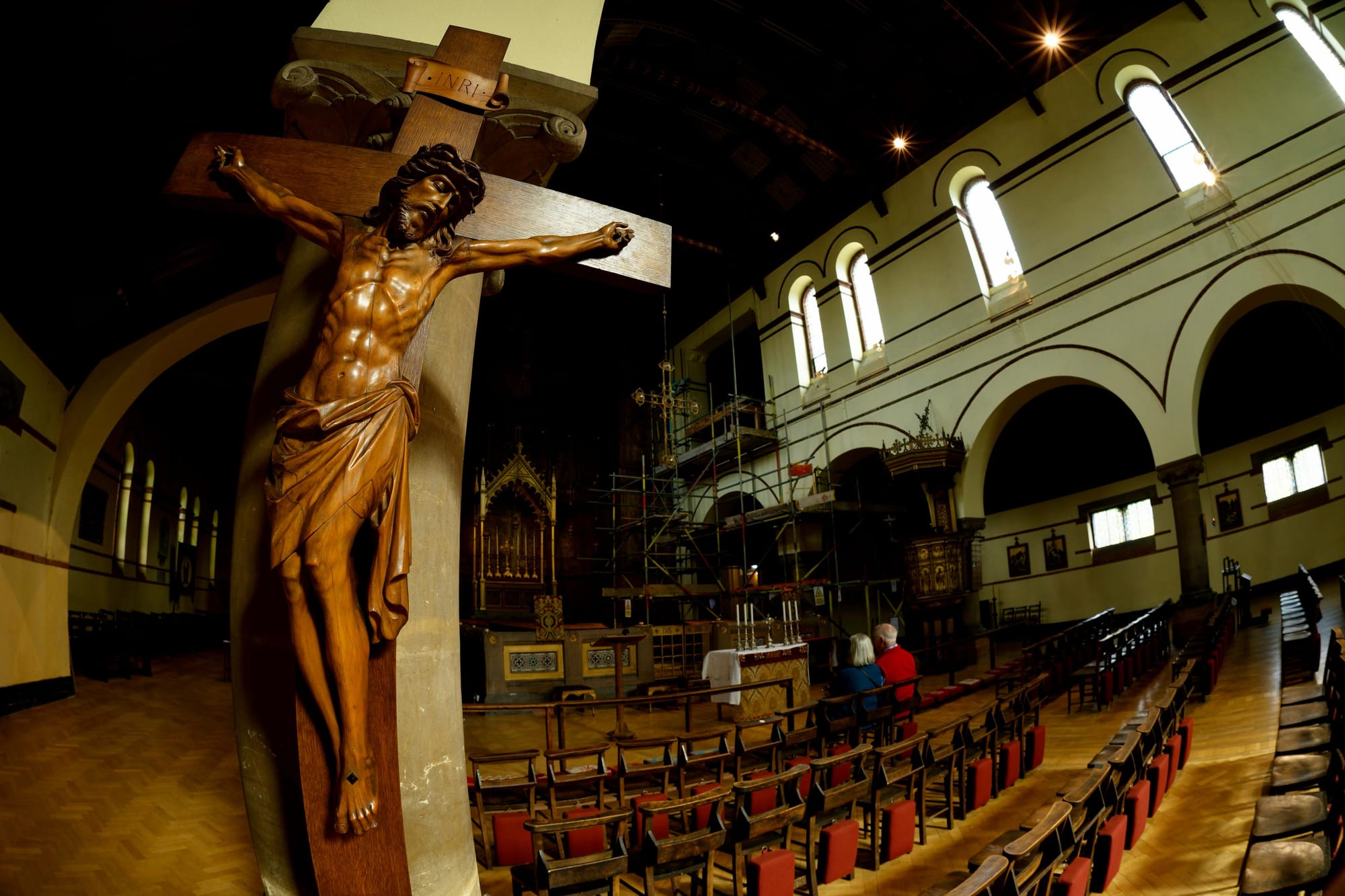
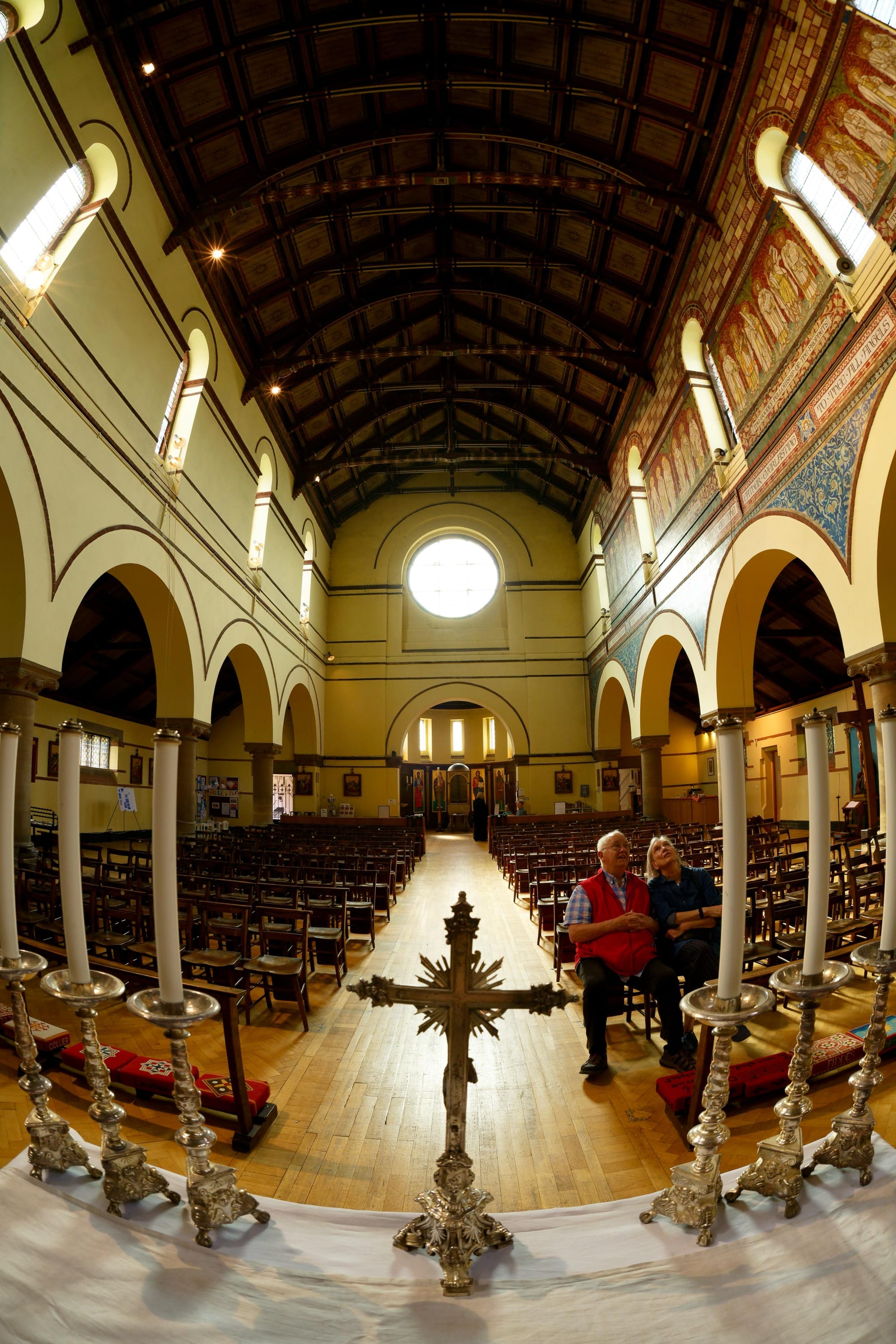
St Barnabas, Jericho
St Barnabas is known as "Oxford’s Basilica", with its large arches, majestic sanctuary and altar and striking Venetian bell tower or campanile. The church says "Basilicas are big places, with deep foundations of faith. The faith that is fostered and nurtured here is equally as vast, broad, tall and spacious." On the day it offered a peaceful space to relax and reflect among the bustle of the day.
Oxford Castle
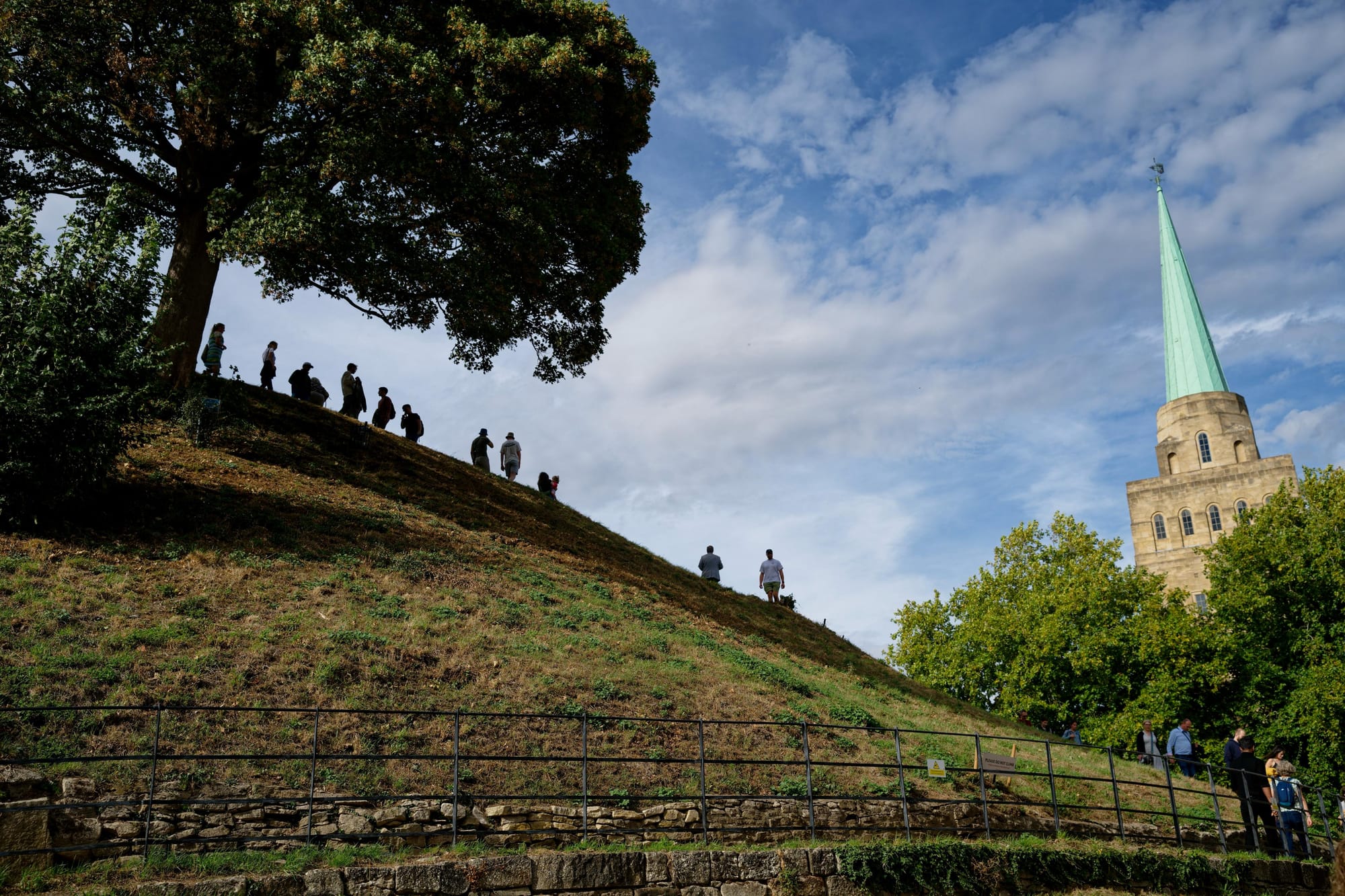
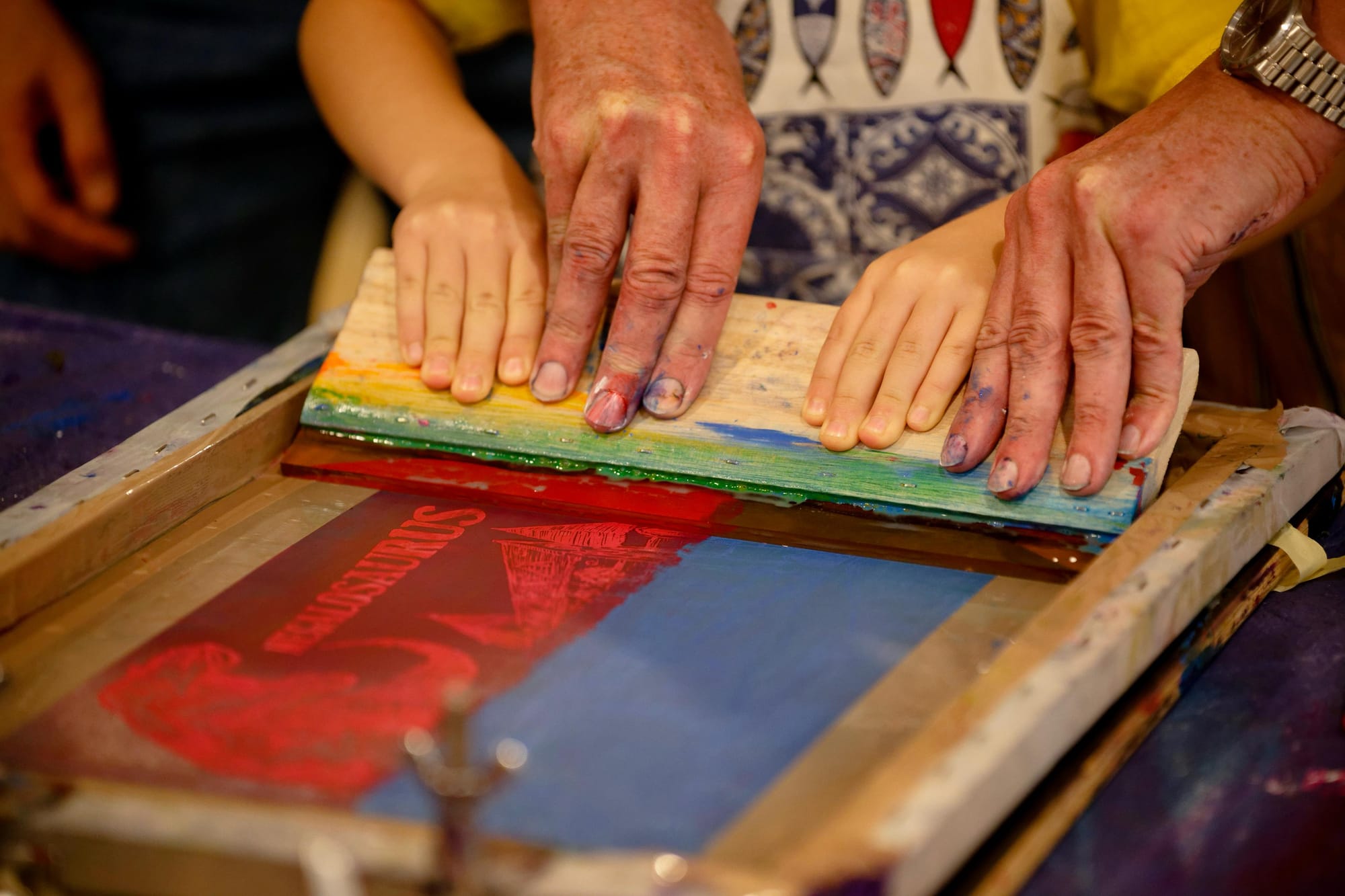
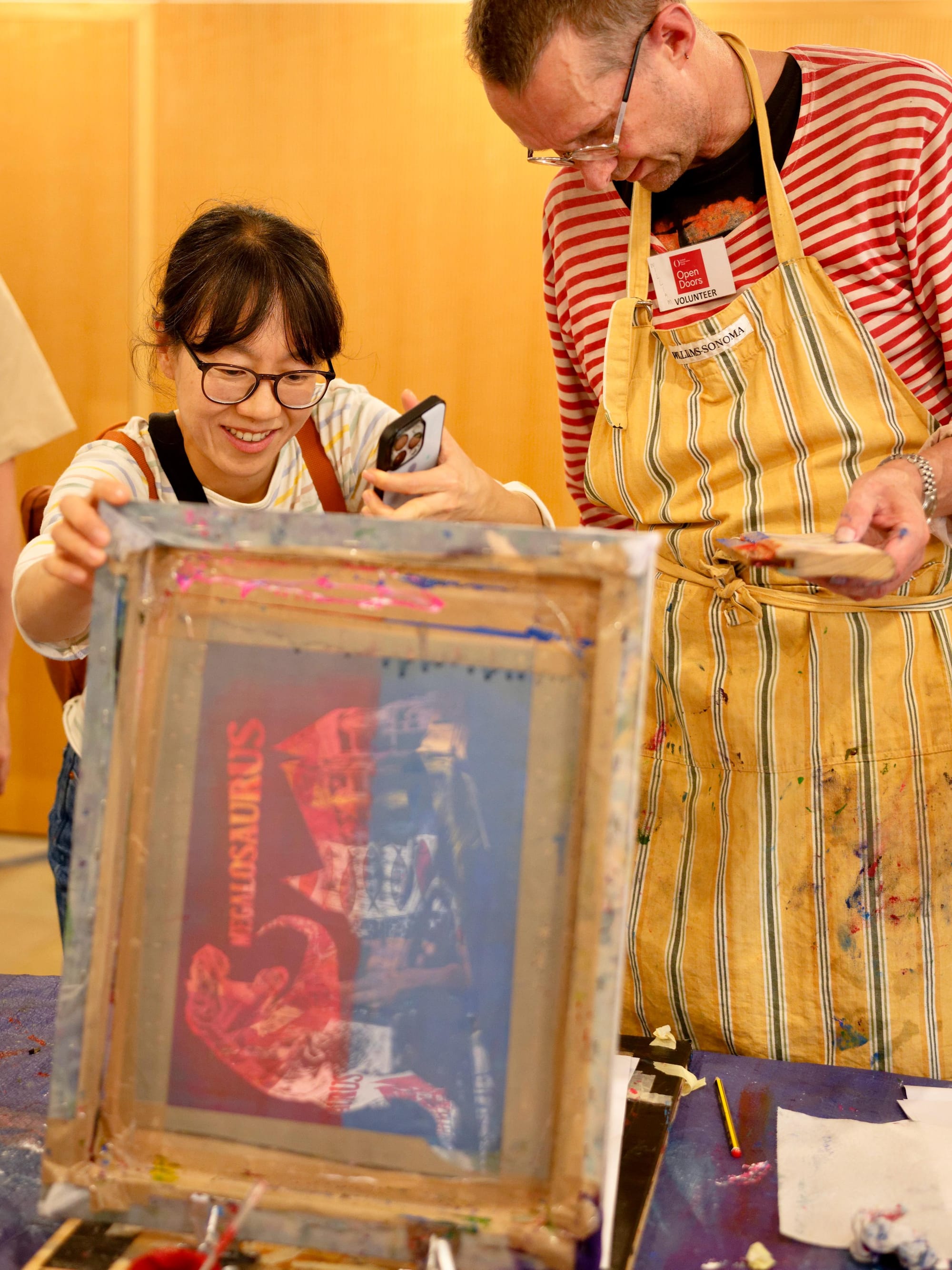
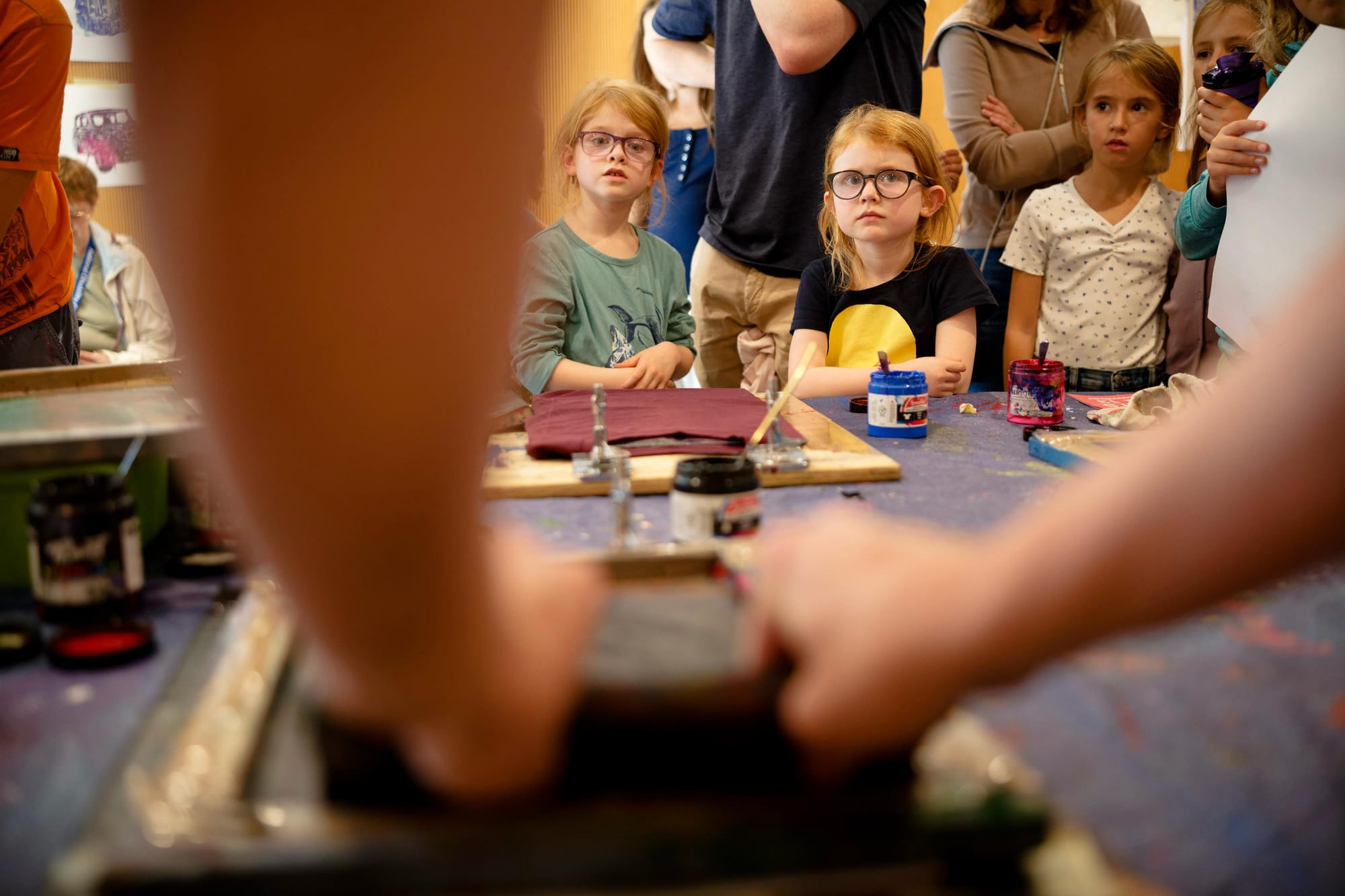
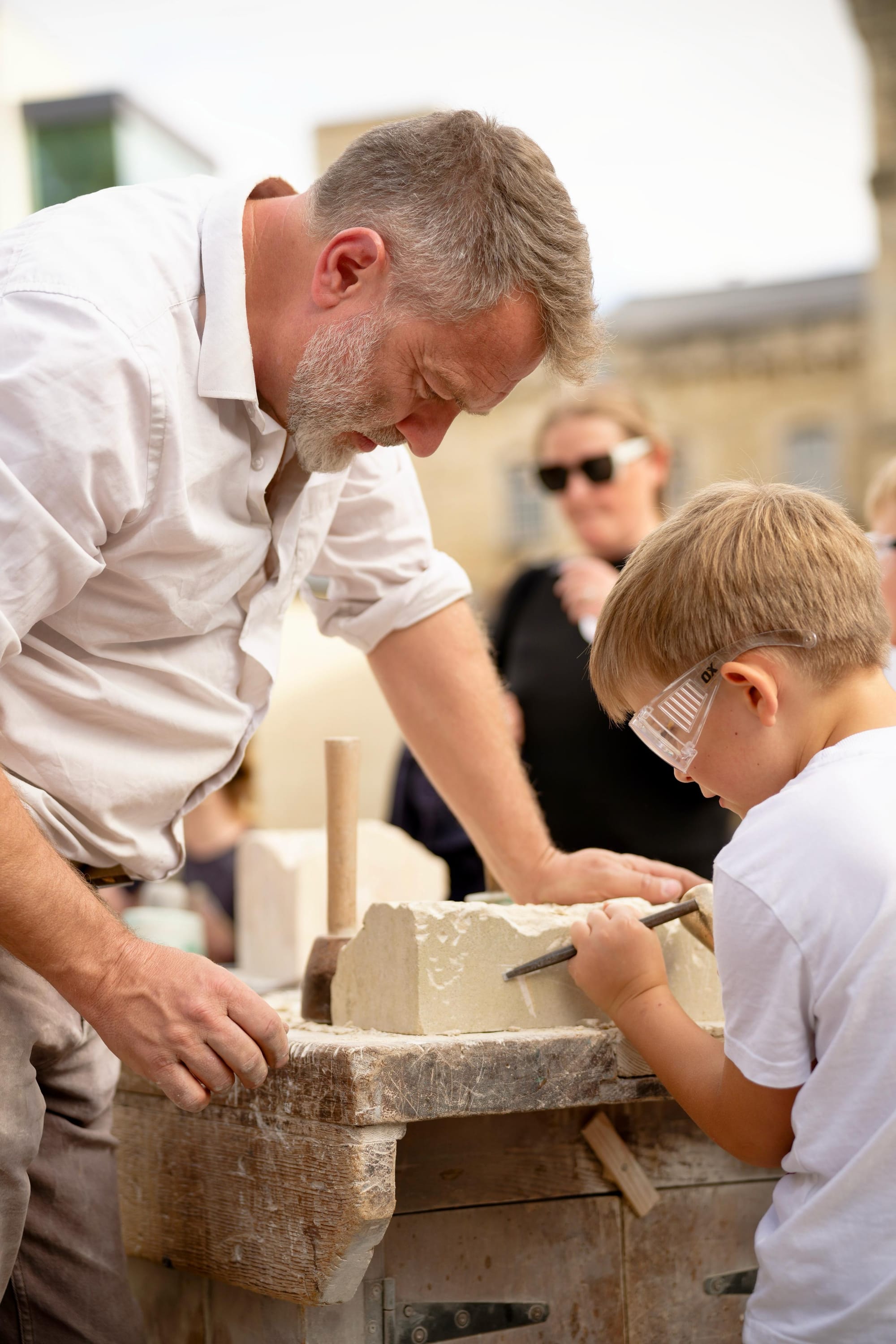
It was all going on at the Castle, from screen printing to stone carving
The Castle formed one of the many focal points of Oxford Open Doors. Attendees climbed the mound of the eleventh-century motte-and-bailey castle with its thirteenth-century well chamber to see the view from the top. Over the centuries it gradually transformed from a seat of power into one of England's most notorious prisons, with public executions once drawing crowds to the castle yard. This weekend it was home to entirely different, more peaceful activities, from screen printing led by Mani Manson-Reeves, aka the Big Orange M, whose murals can be seen across the county, including under Donnington Bridge. Oxford Archaeology showcased finds and sites excavated over the past year. And for those who wondered how the grotesques and gargoyles that decorate our city are made, a group of stone carvers were on hand to demonstrate ancient techniques that are still used today.
Blavatnik School of Government & vOx Chamber Choir
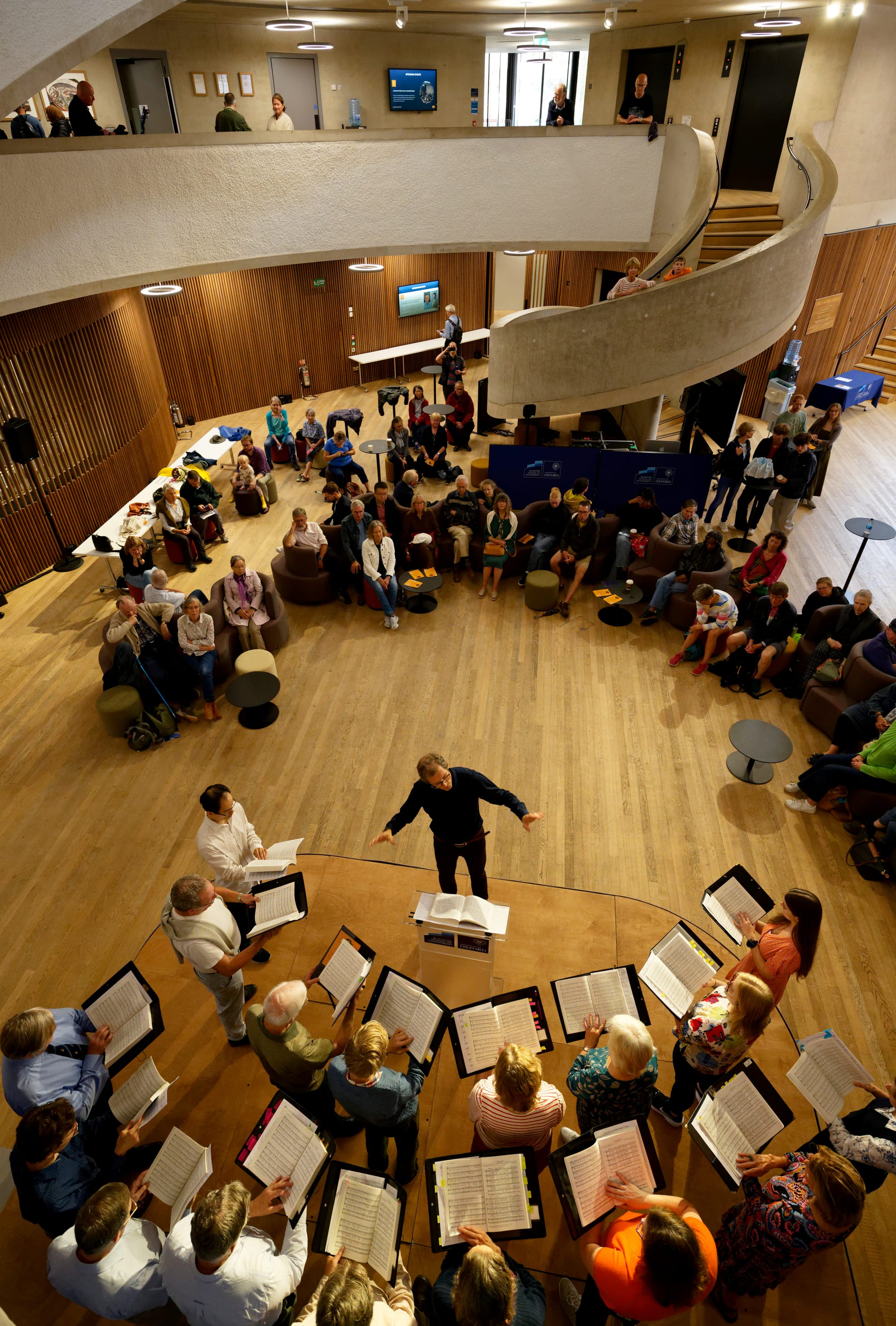
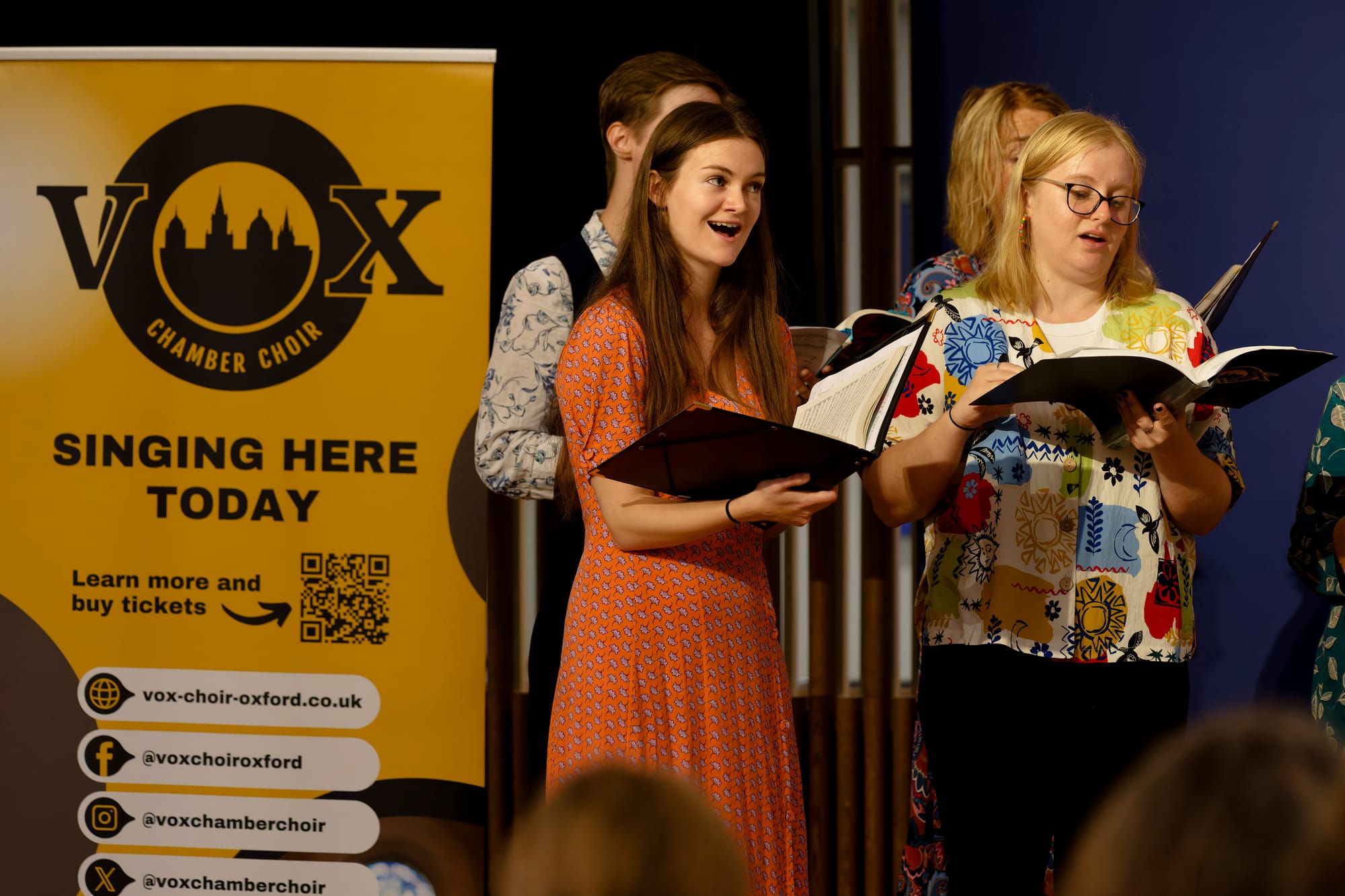
The vOx Chamber Choir performed in the Blavatnik
Designed by internationally renowned architects Herzog & de Meuron, the Blavatnik School of Government opened in the University’s Radcliffe Observatory Quarter in 2015. Its circular glass-and-concrete design reflects the School’s mission to promote openness, collaboration and better government worldwide. The vOx Chamber Choir performed Renaissance choral favourites. Vox is Latin for 'voice', and vOx specialises in performing works by composers with a special association with the city and University.
Corpus Christi Barge
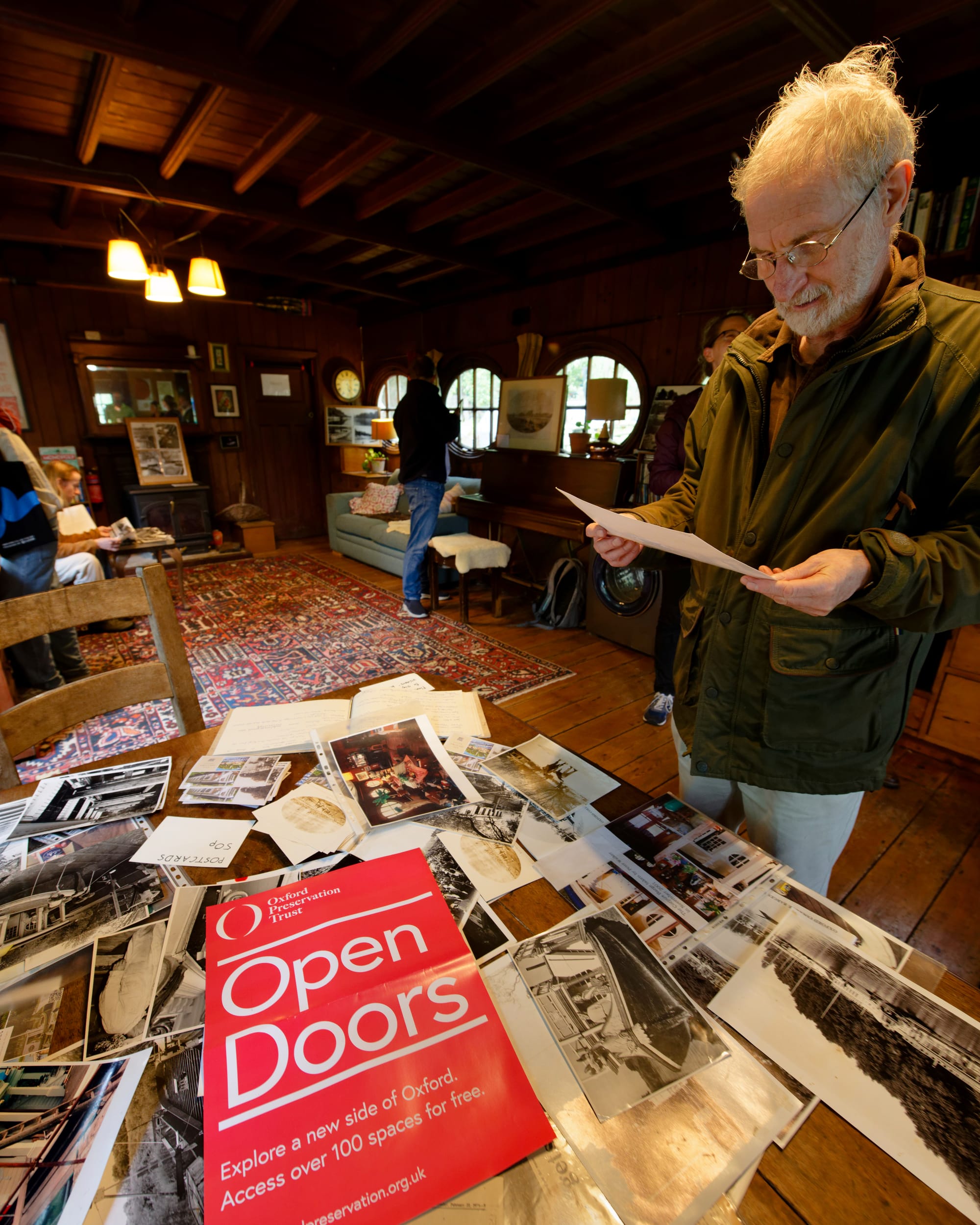
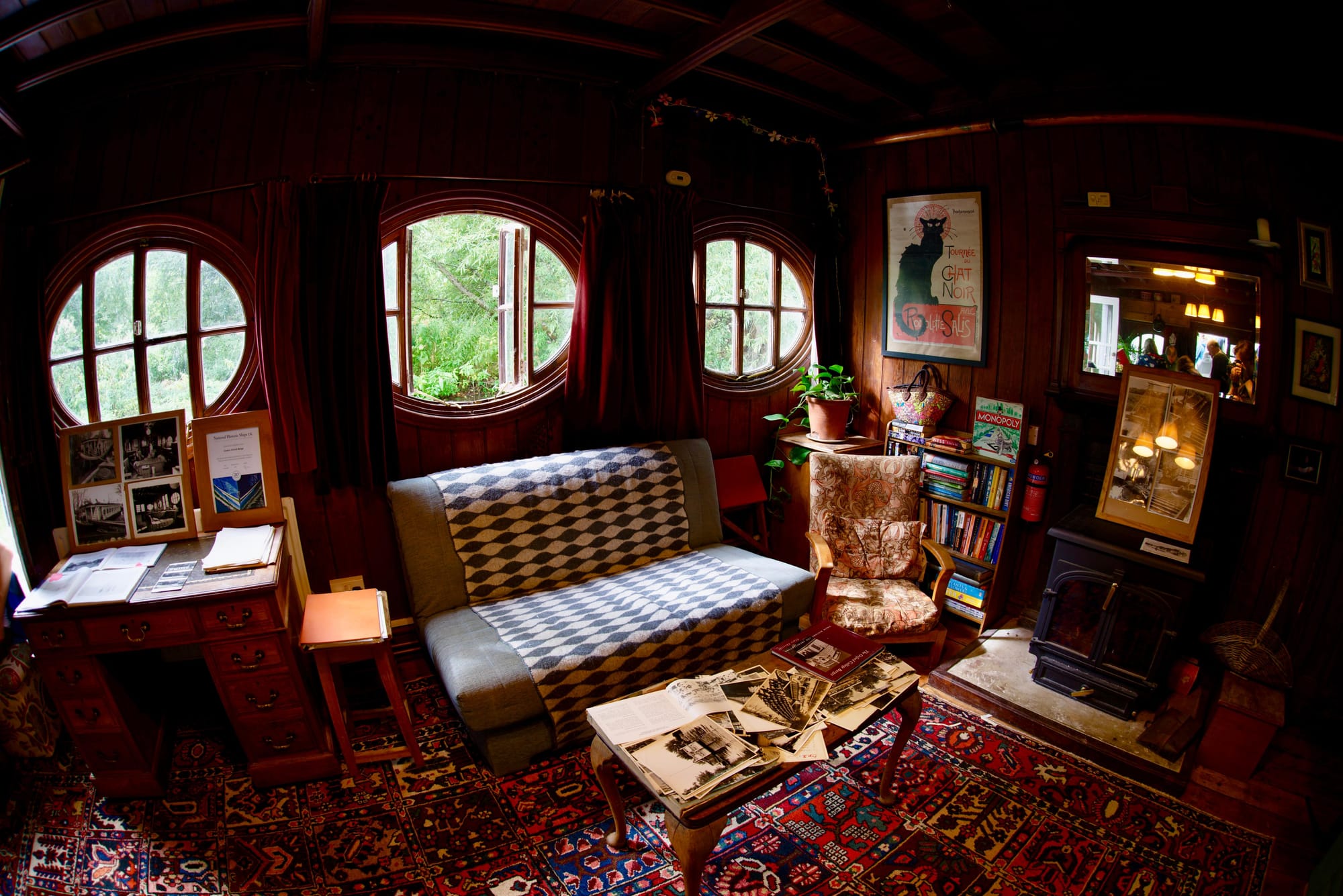
The college barges, unique to Oxford, predate the Boathouse Island and were used for watching and celebrating the rowing, as well as serving as changing rooms and clubhouses. The Corpus Christi college barge is a unique example of Edwardian architecture, and one of the only surviving examples of its ilk. Moored near Donnington Bridge, it is now a private home, complete with a full kitchen and a washing machine.