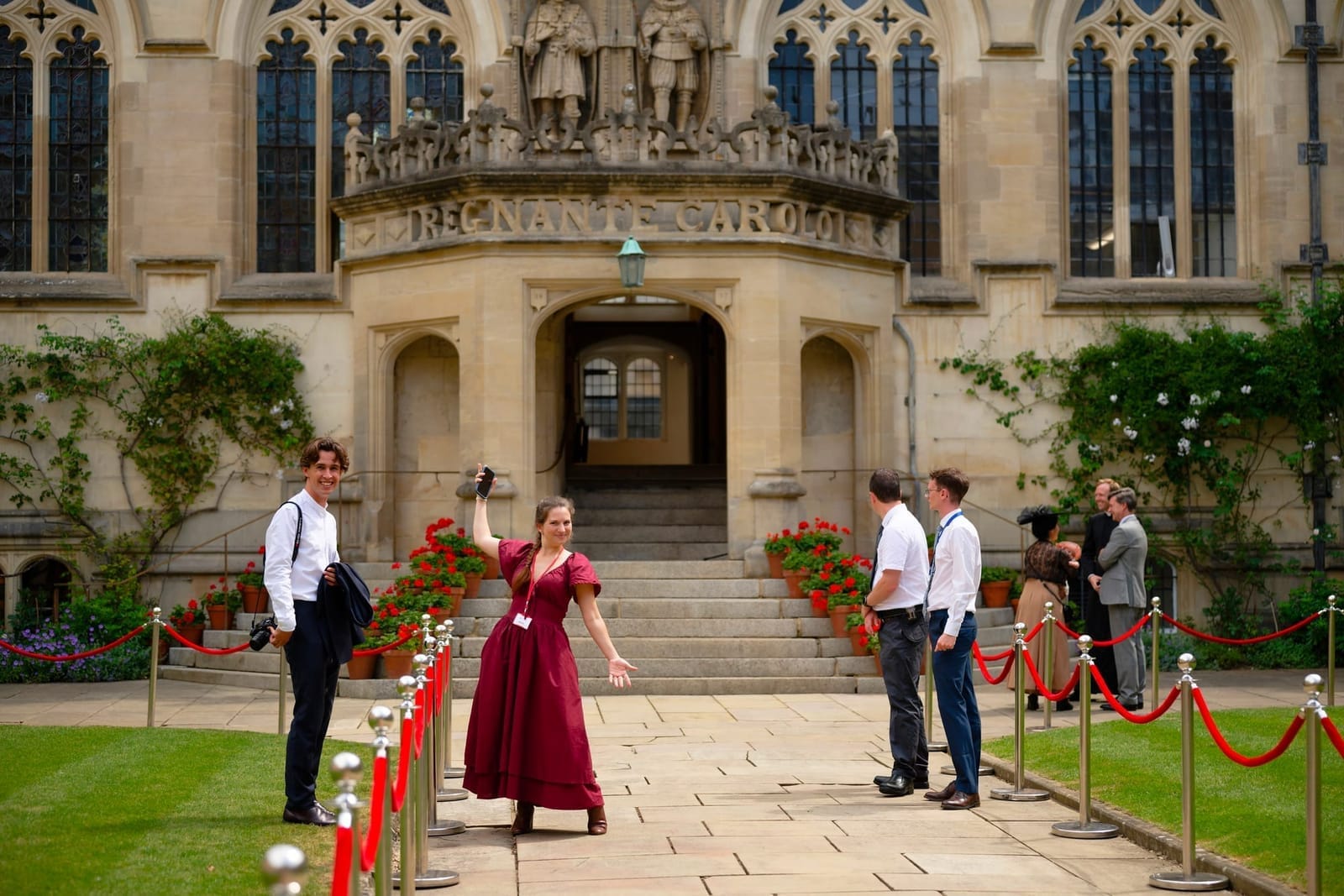
From public loos to college halls – Oxford’s 2026 award winners
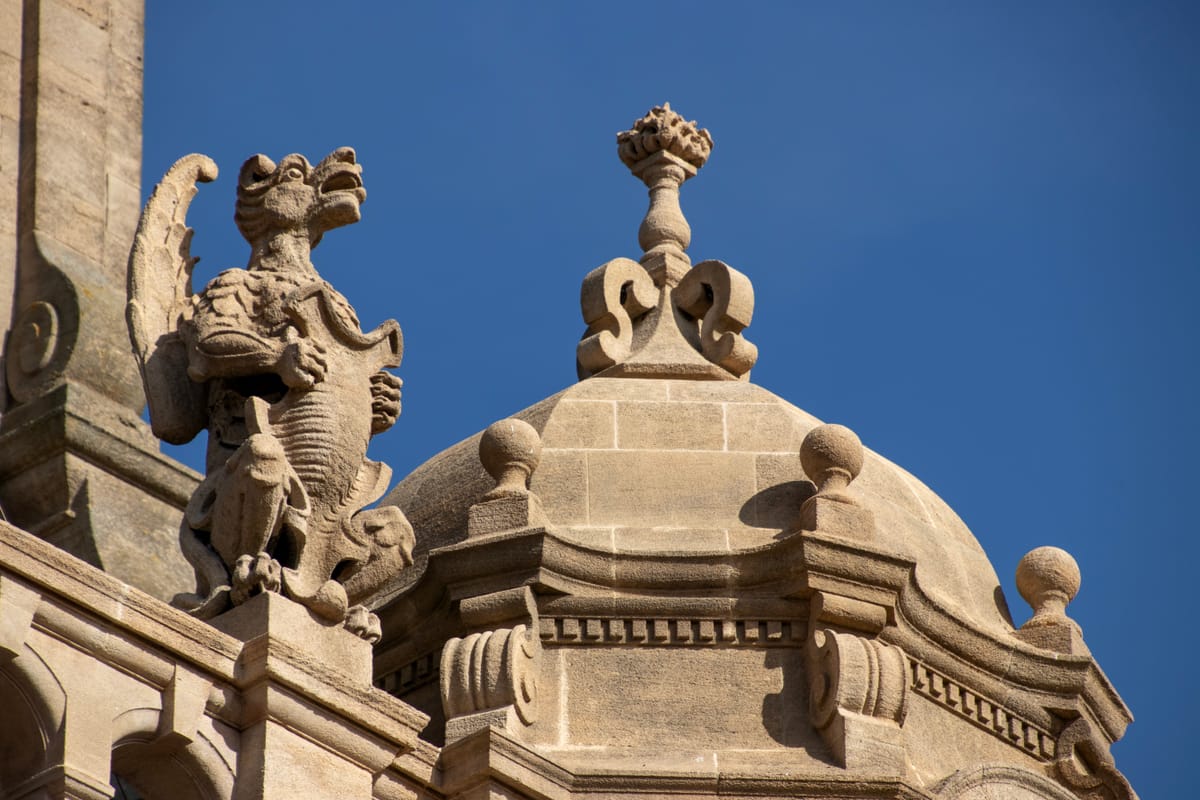
Our city’s heritage doesn’t come for free. Behind every historic building is a tale of craftmanship, careful study and elbow grease – all celebrated in the annual Oxford Preservation Trust awards. Madeline Odent looks at 2026’s winners.
In 1913, William Morris opened his first car factory in Cowley, and rather quickly became the city's largest employer. Whilst his business grew, so did its impact on a precious, and fragile, city. Historic buildings were demolished. Open land was built on. (There was, at the time, no Town and Country Planning Act to protect either of these.) And so, in 1927, a small group of notable Oxonians, town and gown alike, founded the Oxford Preservation Trust, to encourage "thoughtful development and new design, while protecting historic buildings and green open spaces".
One of their first acts was to crowdfund the purchase of two large plots of land, now known as South Park and Shotover Country Park. Those two large parks were eventually handed over to the City Council to manage, yet the Trust has, over the years, purchased nearly 1,000 acres of green space around the city. These spaces are held in public trust – freely and easily accessible to the public, managed with an eye to biodiversity and climate management. The Trust also advises on and supports the management of several historic sites around town, including the Oxford Castle Quarter.
Of course, the Trust can’t, and shouldn’t, do everything itself. This is where its annual Awards come in. Local developers, clients, architects and conservators at all levels can submit projects for recognition. Projects must be in Oxford, must have a visible and beneficial impact for the public, must be accessible in some part to the public, and must contribute towards long term environmental stewardship. We at the Clarion find this a laudable set of goals, and we were delighted with this year's winners – we think you may be too.
Community impact
We start with this section deliberately. This year saw two dramatically different winners for community impact (projects which aim to serve their local community directly), the contrast reflecting the diversity of work of the OPT.
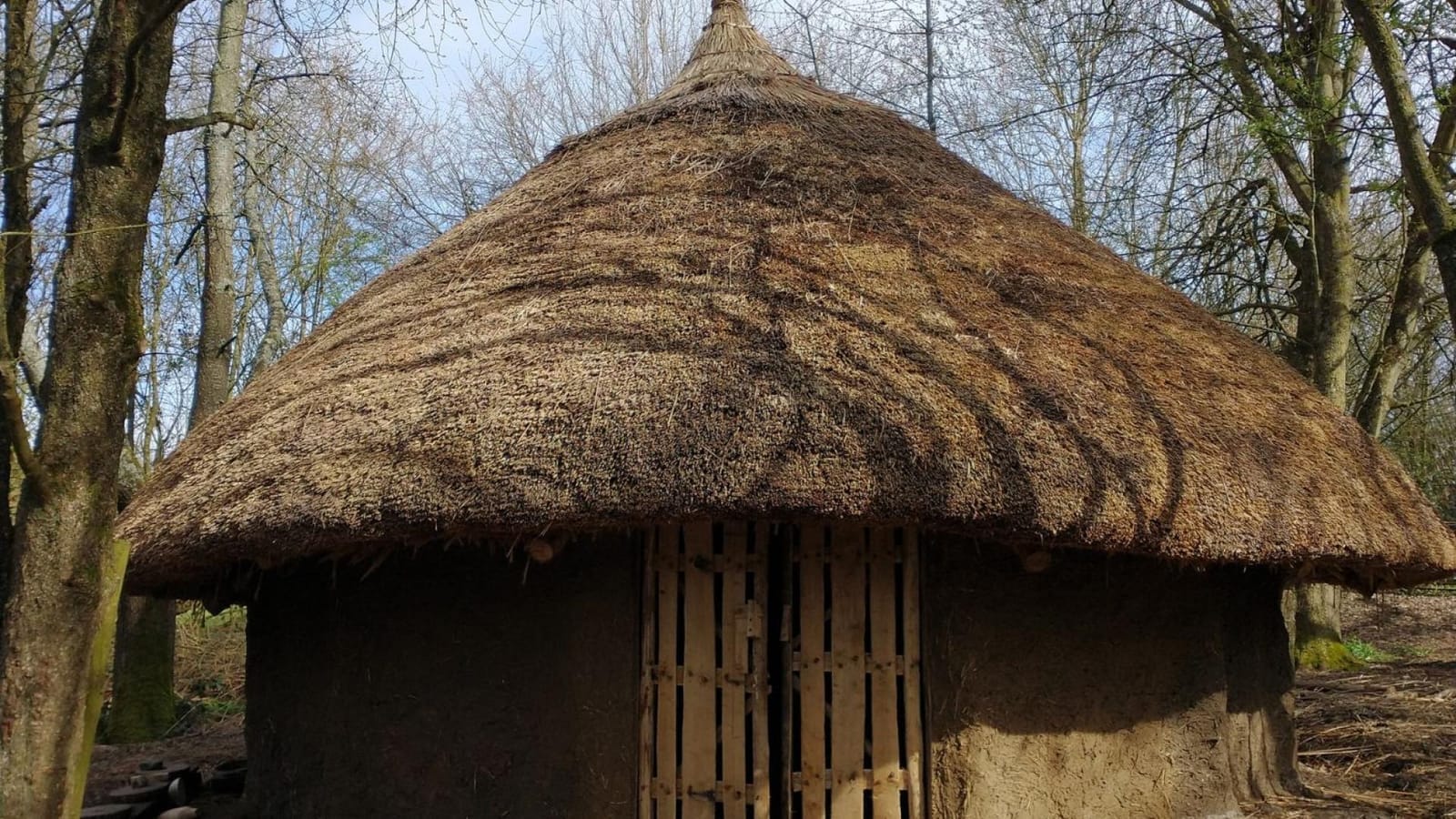
The Hill End Roundhouse. A new round house at Hill End, an educational and conference site in Farmoor. It's a teaching space for outdoor education, created sustainably using local materials and topped with recycled reed donated by a local thatcher.
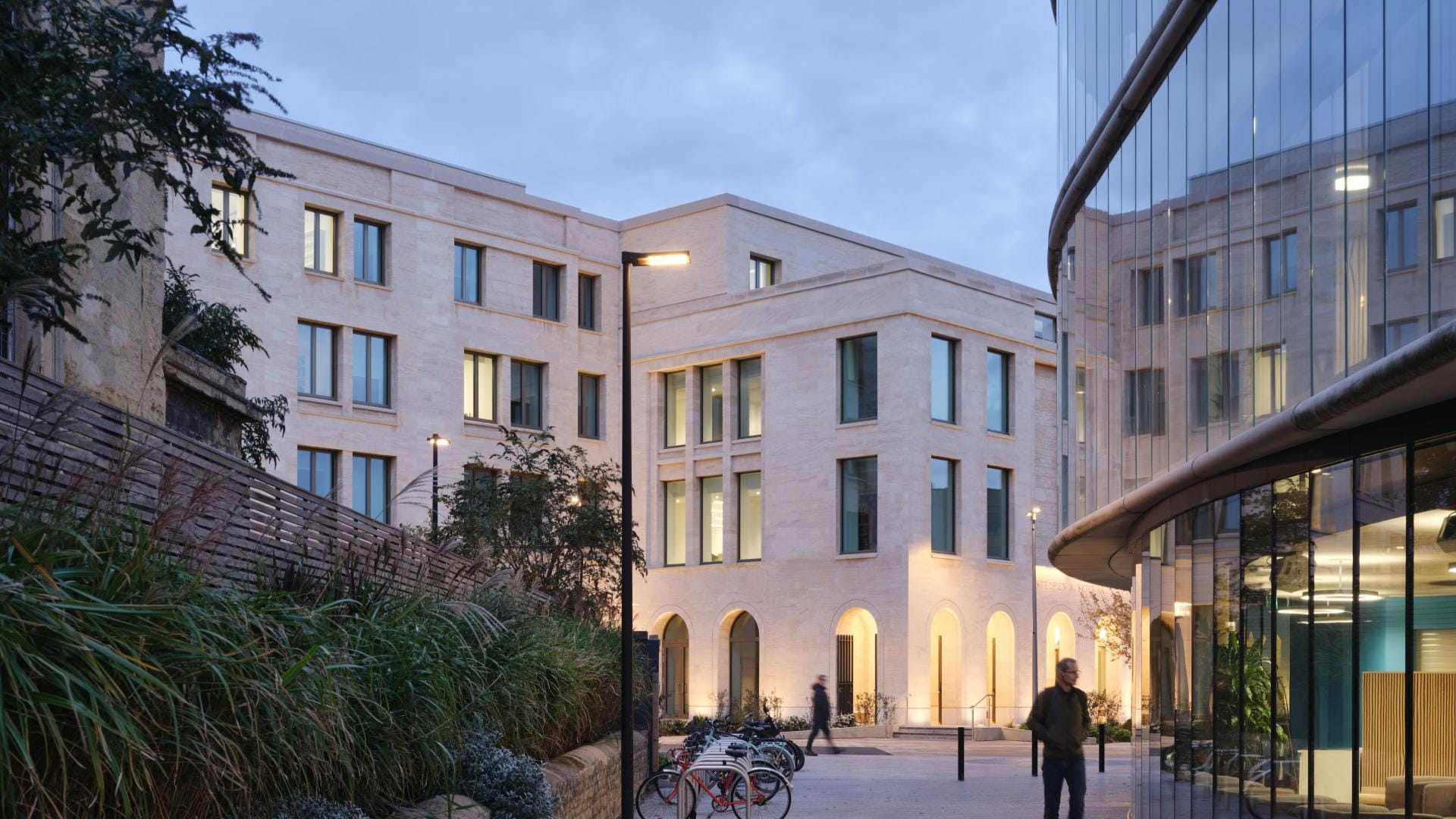
Schwarzman Centre for the Humanities, University of Oxford. Although the Schwarzman opened over a year ago, this spring saw the advent of its public culture programme, using the 500-seat concert hall, dance, and theatre studios for the promotion of the arts.
Green spaces
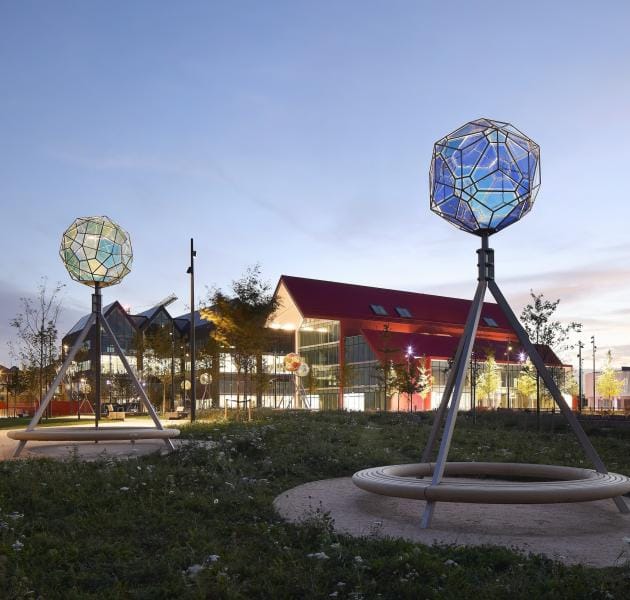
The winner this year is Oxford North Fallaize Park, the carefully managed green and wild space around the new Oxford North development. Oxford North has created a fully new 4 acre parkland site, including play space, paths, sculptures and eco drainage, along with a wooded area.
Public realm
Another delightful pair of winners here.
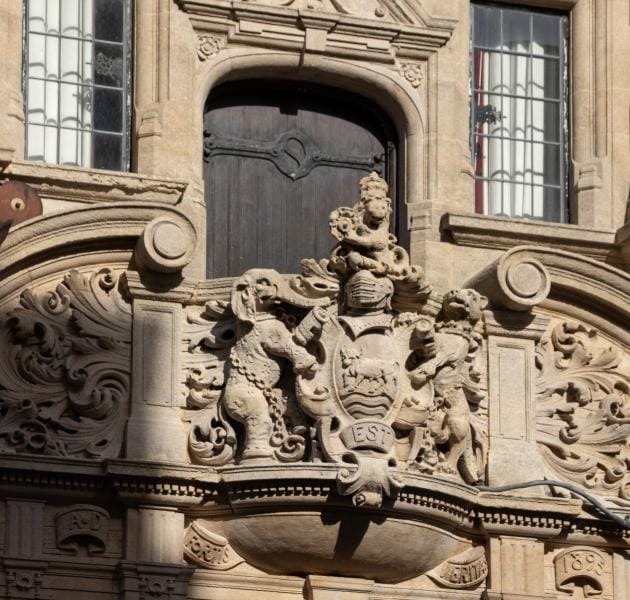
Firstly, the stone cleaning and repairs of the Town Hall elevations. Oxford’s 1897 Town Hall, the third such building on the site, has been carefully restored, improving its appearance and more importantly, its safety as a public site.
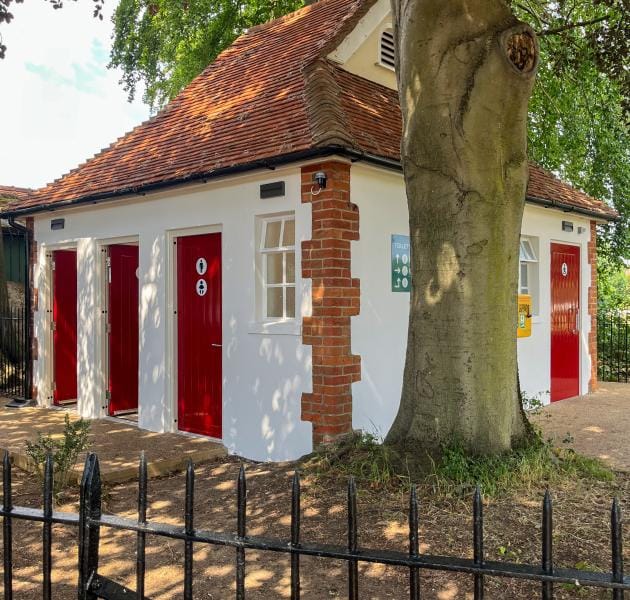
Joint winner in this category is the refurbishment of the University Parks Public Toilets. The World War II era toilets have been modernised and now include dedicated gender neutral, baby change, and accessible units, alongside men's and women's sections. (We compiled a list of public toilets in Oxford.) We consider these two buildings to be equally important amenities for public life, and we're glad OPT agrees.
Adaptive re-use
This category celebrates the restoration and repurposing of historic buildings in a way that promotes their heritage, whilst making them suitable for modern life and needs. This year saw three winners:
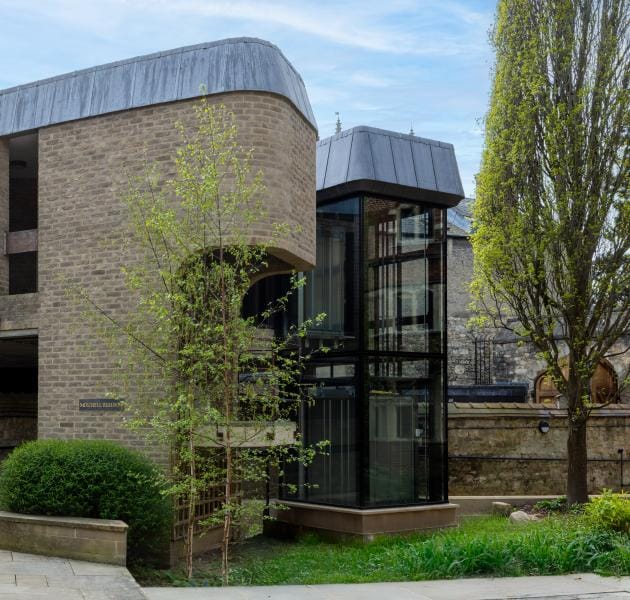
Mitchell Building Accessibility, University College. A new, external lift at Univ has made a key graduate common area fully accessible for the first time.
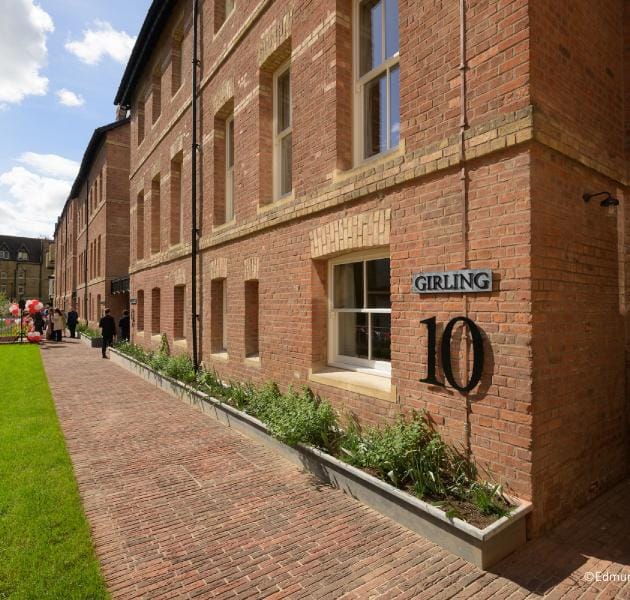
1-10 Bevington Road, St Anne’s College. St Anne's refurbished ten Victorian houses to increase student accommodation on the site by over 10%, while improving sustainability and accessibility.
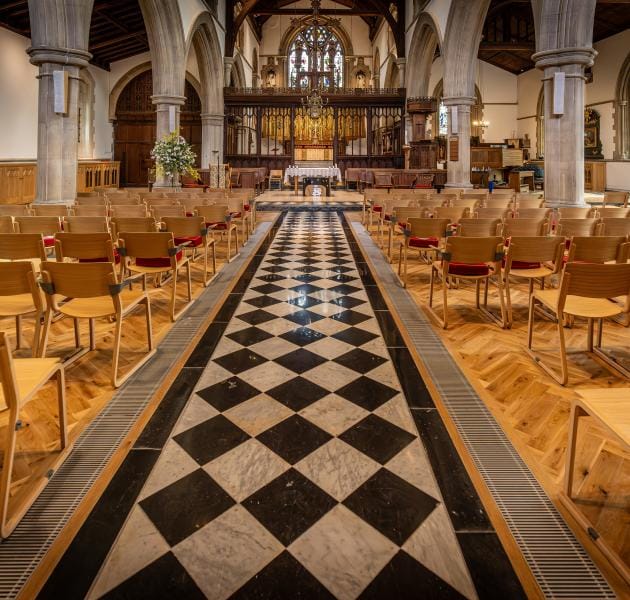
St Margaret’s Redevelopment. The sole non-collegiate entry, St Margaret's Church in North Oxford has a new accessible entry, new and accessible toilets, and many other improvements, including a modern and sustainable heating system.
Building conservation
In this ancient city, care must be taken to preserve the old for the future, whilst ensuring it can still be used today. This triptych of winners showcase sensitive restoration techniques on some of the city's distinguished buildings.
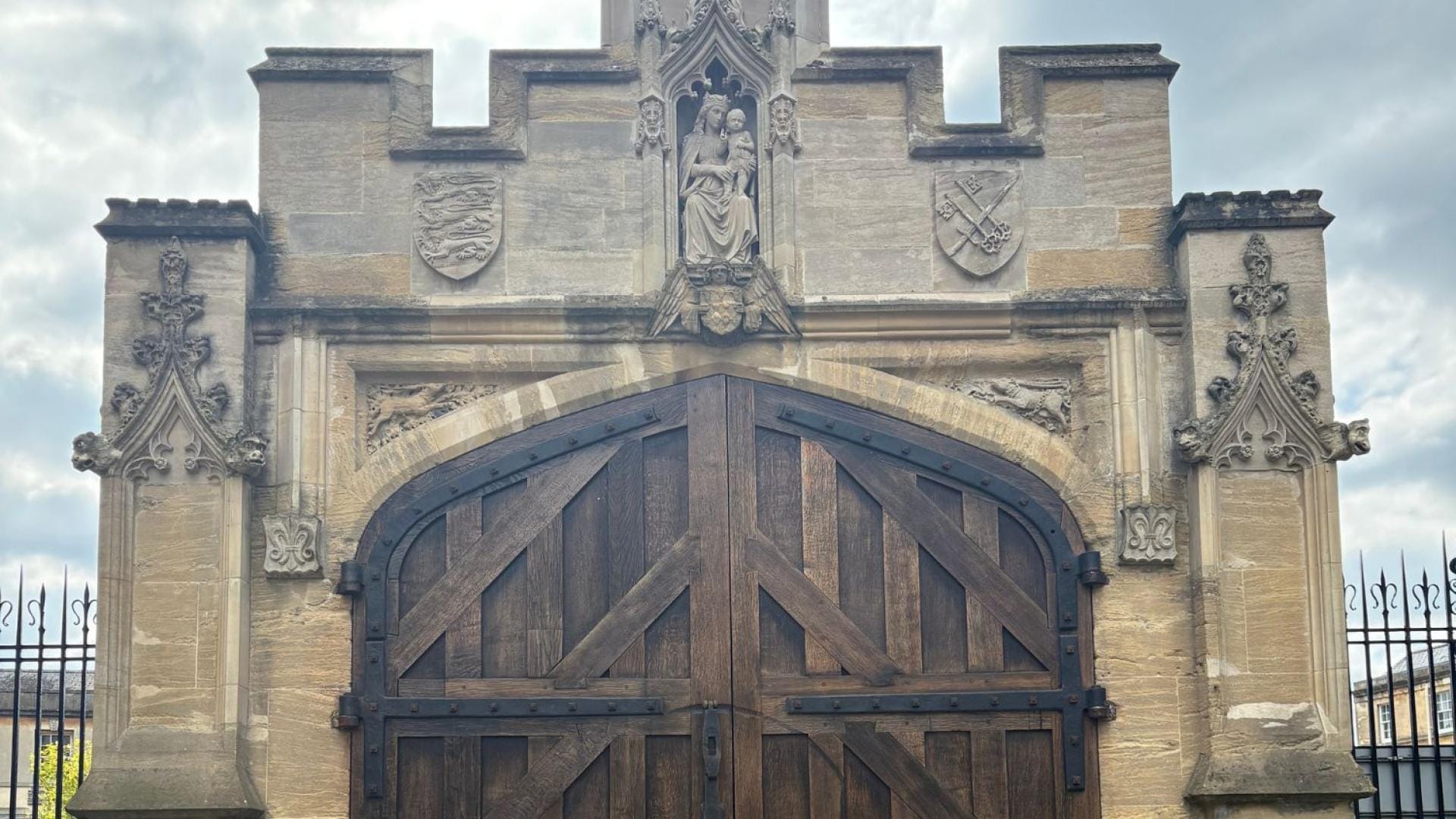
Conservation of the Bodley and Garner Gate, Magdalen College: This High Street facing gate, built in 1885, has had previous poor cementitious repairs removed, and new stone sculptures and detailing installed.
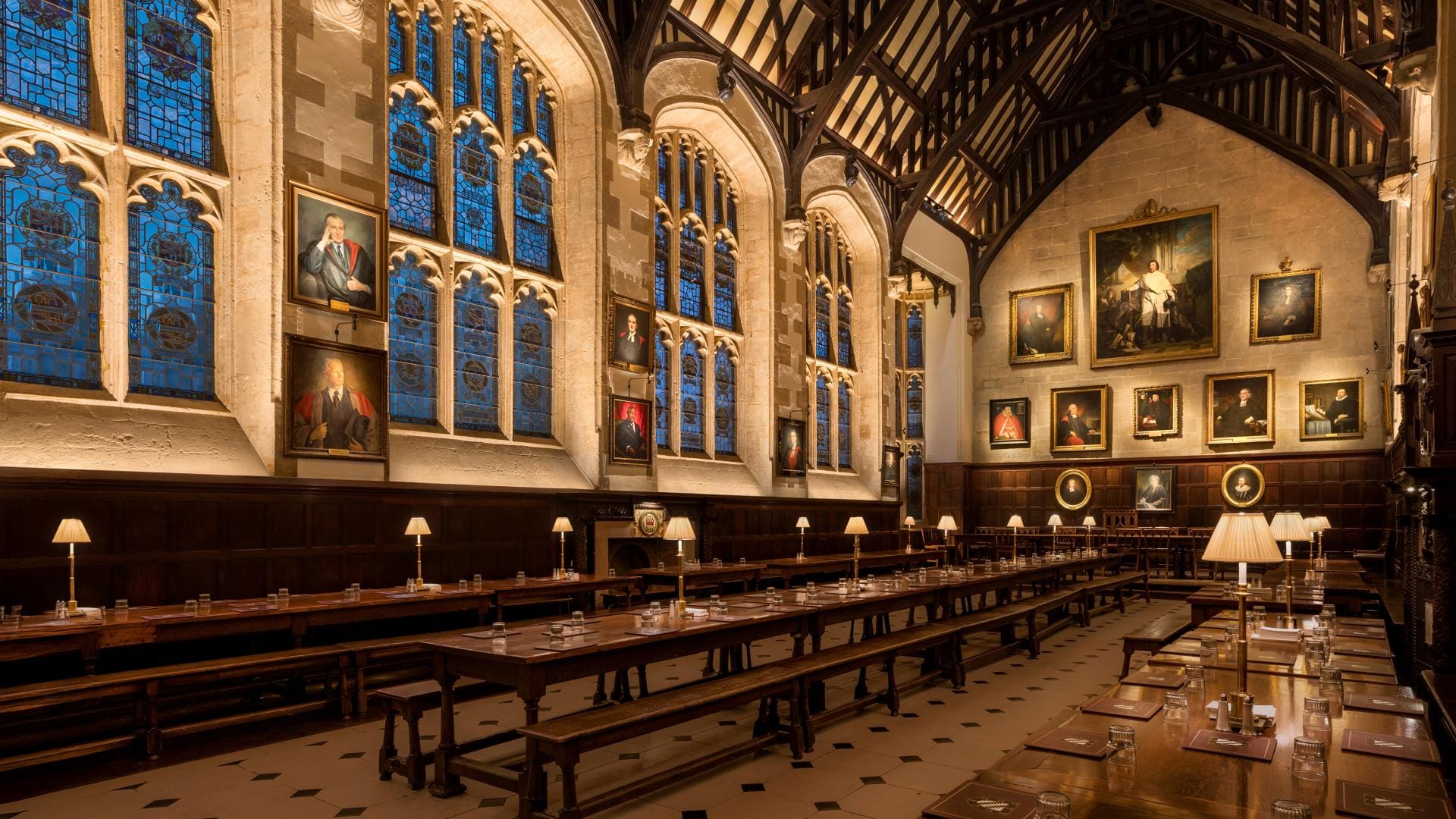
Exeter College Dining Hall: A comprehensive restoration programme lasting several years has seen rejuvenated stonework, complete refurbishment of wooden furniture, and a new lighting scheme.
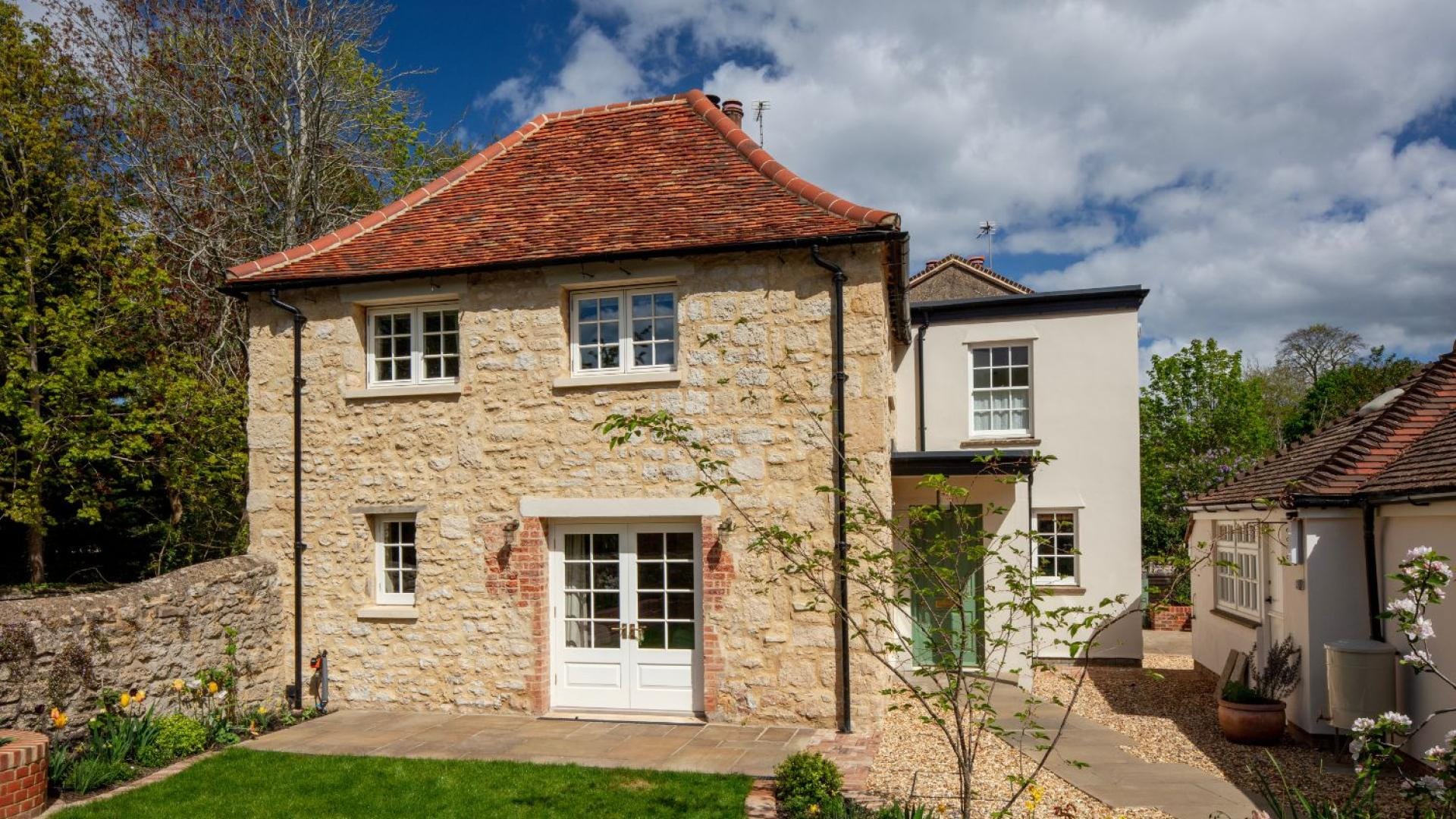
Headington Manor: A rare privately owned entry, this house is one of the few remains of Headington Manor in Old Headington – the grounds of which now host the John Radcliffe. This restoration sympathetically modernised a structure last refurbished in the 1960s.
New buildings
Preservation needn’t mean stagnation. This award recognises that new buildings and developments, including public housing, can also promote and contribute to Oxford's unique character.
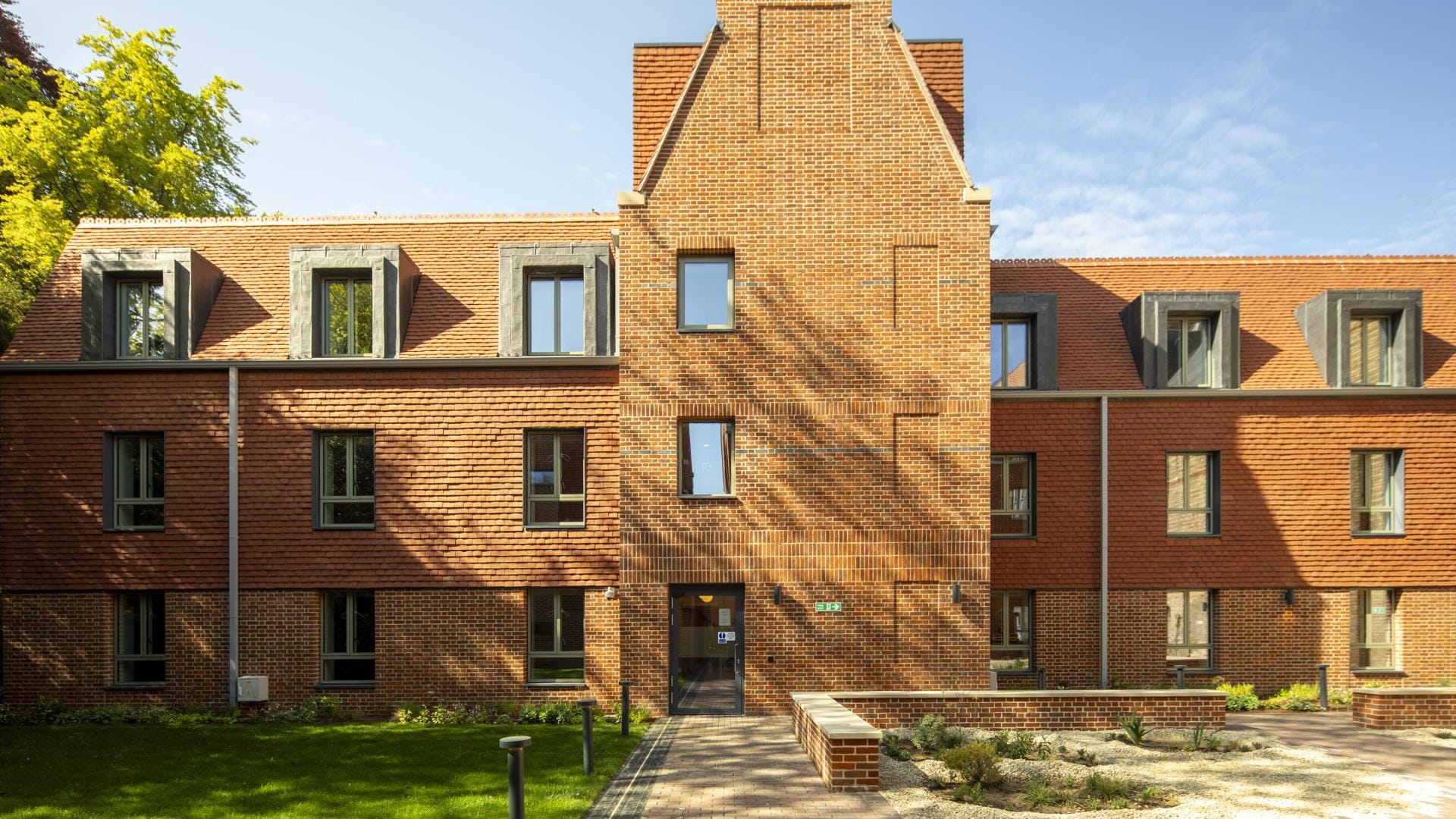
The winner this year is 17 Norham Gardens. Teddy Hall's newest student accommodation is designed around surviving Victorian villas, fitting three new Passivhaus buildings with 127 student rooms and open green spaces into the site.
Judge's choice award
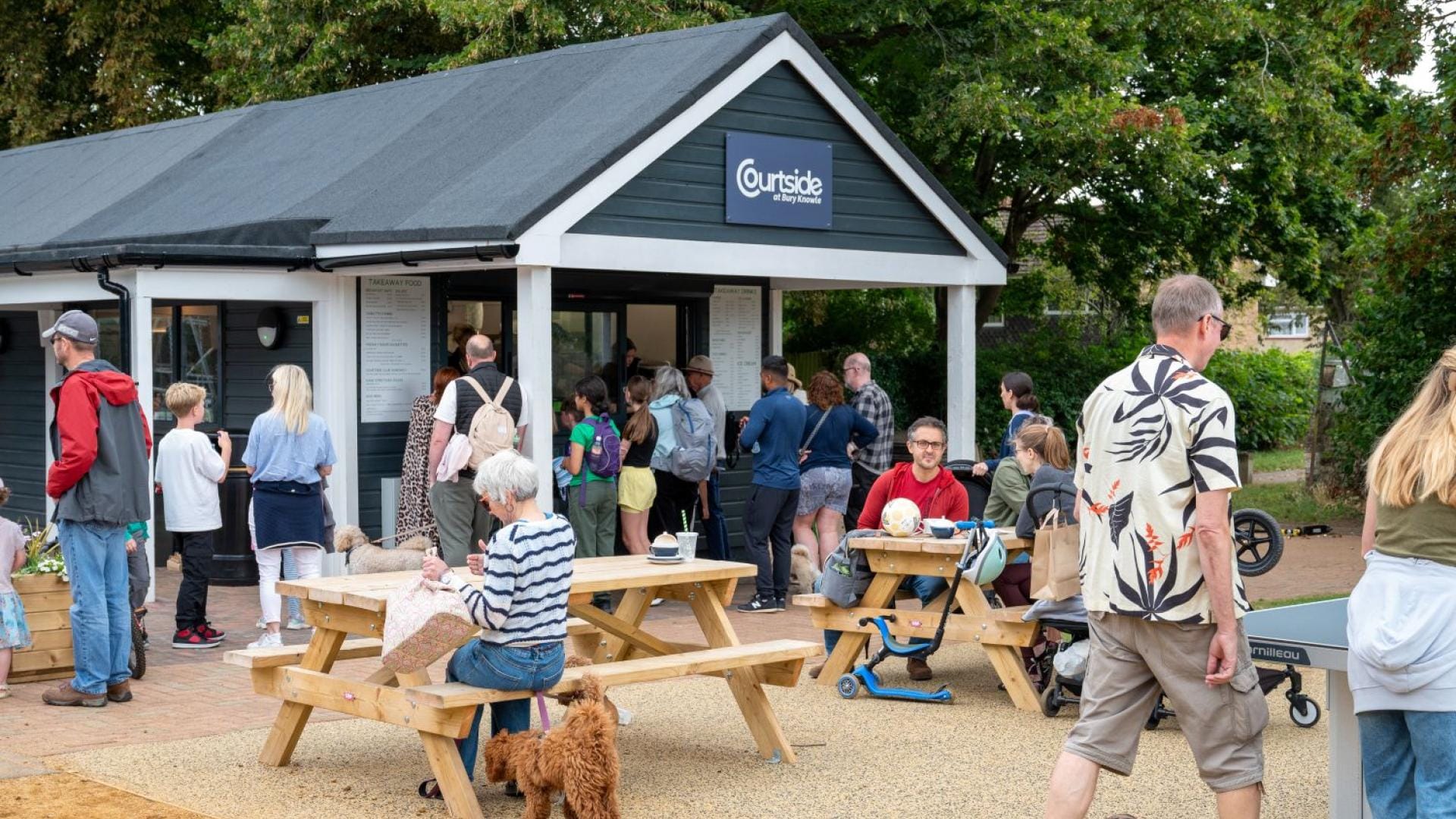
This final, overall award recognised a project that delivers extraordinary community impact, through public access and direct provision of benefits. This year, the judges chose Courtside at Bury Knowle, a new community cafe that makes the park that much more accessible and usable.
As the Trust heads into its centenary year, their work continues. OPT hopes to acquire a flood plain meadow in Marston, improve it as a species-rich biodiversity site, and open it to the public. Professor William Whyte, Chair of the Trust, says: “Our focus for this next year is to continue widening access to Oxford and its green spaces for everyone, particularly local residents. Preservation and conservation are the warp and weft of the city, creating a fabric of biodiversity and history that support and enhance modern life.”
About the author
Madeline Odent is an architectural historian with a specific interest in listed buildings and built heritage conservation management. An Oriel and Magdalen alum, her other work for the Clarion includes a round-up of Oxford Open Doors, meeting the King at Oriel, a history of Oriel College and the sadly disproved hope that we had found St Frideswide's Priory.