Heritage old and new: Oxford’s 2026 awards line-up
Any Clarion reader who stepped through Oxford Open Doors in September has the Oxford Preservation Trust to thank. But the popular annual event is just one part of the charity’s mission to preserve and enhance the historic city.
Each year OPT holds an awards ceremony, recognising projects across the city which promote and sustain Oxford's character. This means not just celebrating active conservation efforts, but also championing sympathetic new buildings. Projects are nominated by those involved or those impacted, including community groups and town and gown officials. This year's nominees have just been announced: see how many you recognise!
Building conservation
This award recognises projects that restore historic properties: unsurprisingly, it's usually dominated by Oxford University and its colleges.
- Conservation of the Bodley and Garner Gate, Magdalen College: This High Street facing gate, built in 1885, has had previous poor cementitious repairs removed, and new stone sculptures and detailing installed.
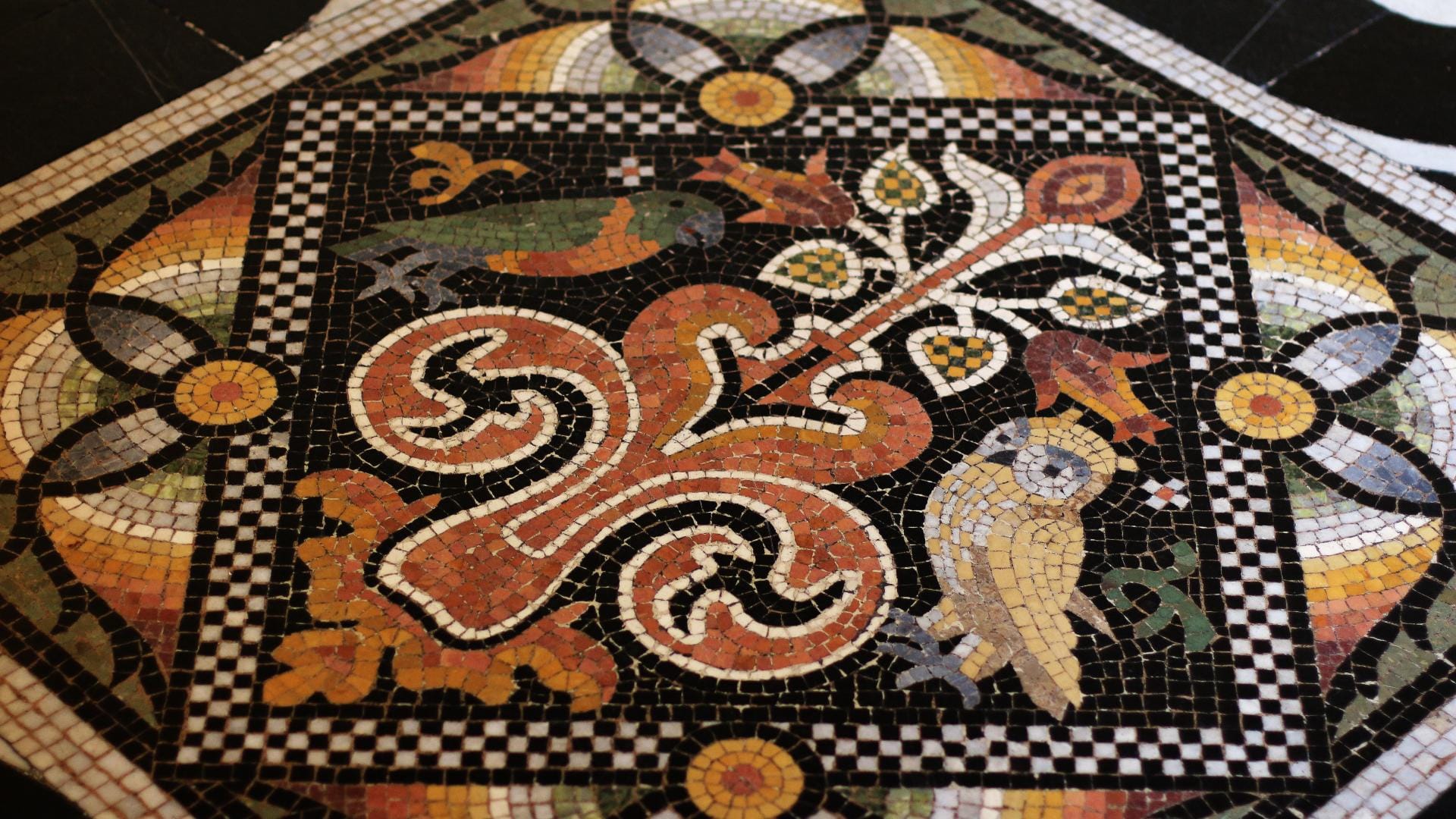
- Examination Schools Mosaic Floor Conservation: The finely detailed mosaic floors, depicting scenes from Aesop's fables, have had missing pieces replaced and intact parts cleaned.
- Exeter College Dining Hall: A comprehensive restoration programme lasting several years has seen rejuvenated stonework, complete refurbishment of wooden furniture, and a new lighting scheme.
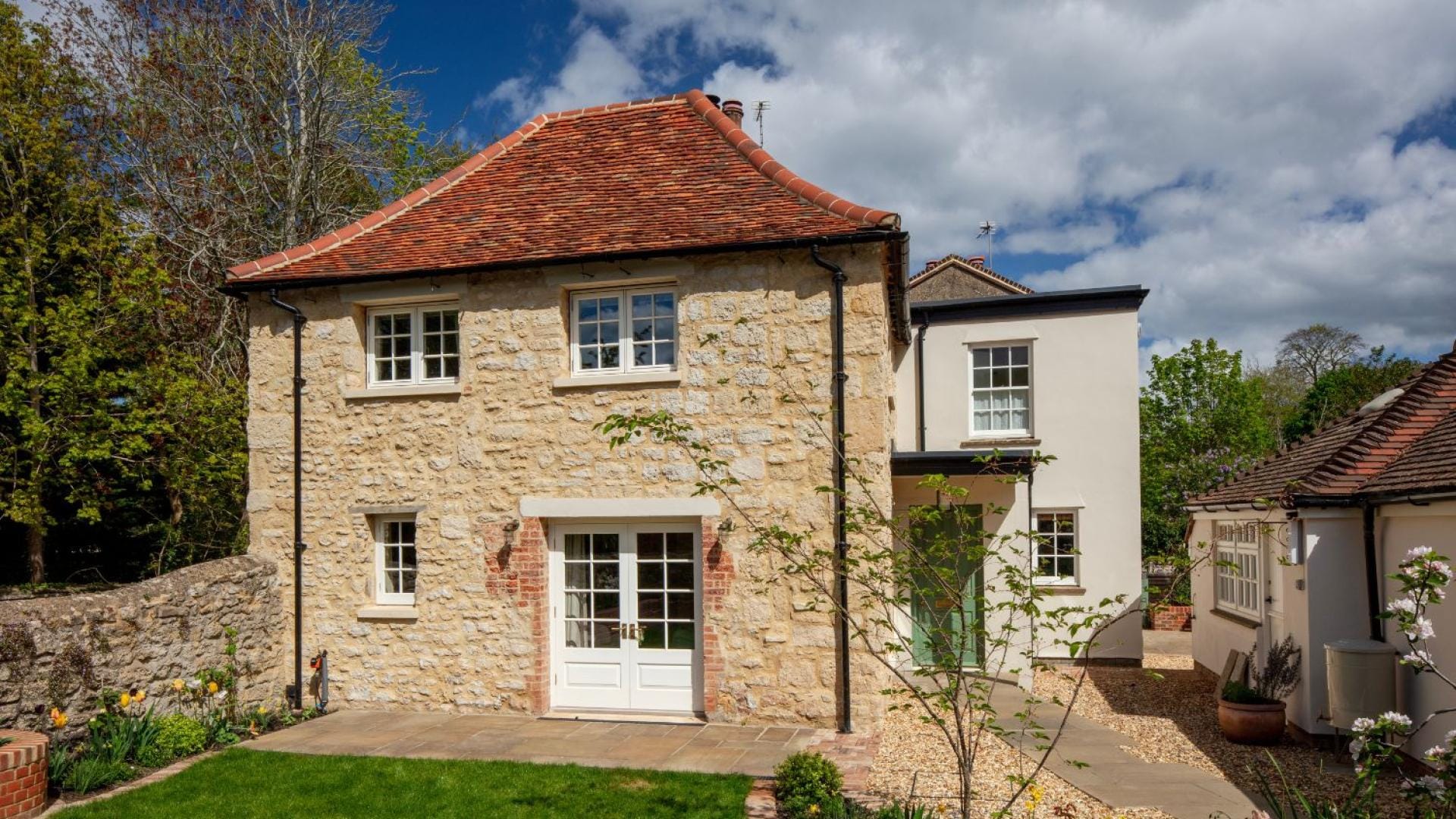
- Headington Manor: A rare privately owned entry, this house is one of the few remains of Headington Manor in Old Headington – the grounds of which now host the John Radcliffe. This restoration sympathetically modernised a structure last refurbished in the 1960s.
- Yarnton Manor Estate: Funded by the Lanier Theological Institute, this project to transform a disused estate into an educational and conference site has already won a Constructing Excellence award.
New buildings
This award celebrates new constructions which complement or add sympathetically to Oxford's historic character – a difficult line to tread!
- 17 Norham Gardens: Teddy Hall's newest student accommodation is designed around surviving Victorian villas, fitting three new Passivhaus buildings with 127 student rooms and open green spaces into the site.
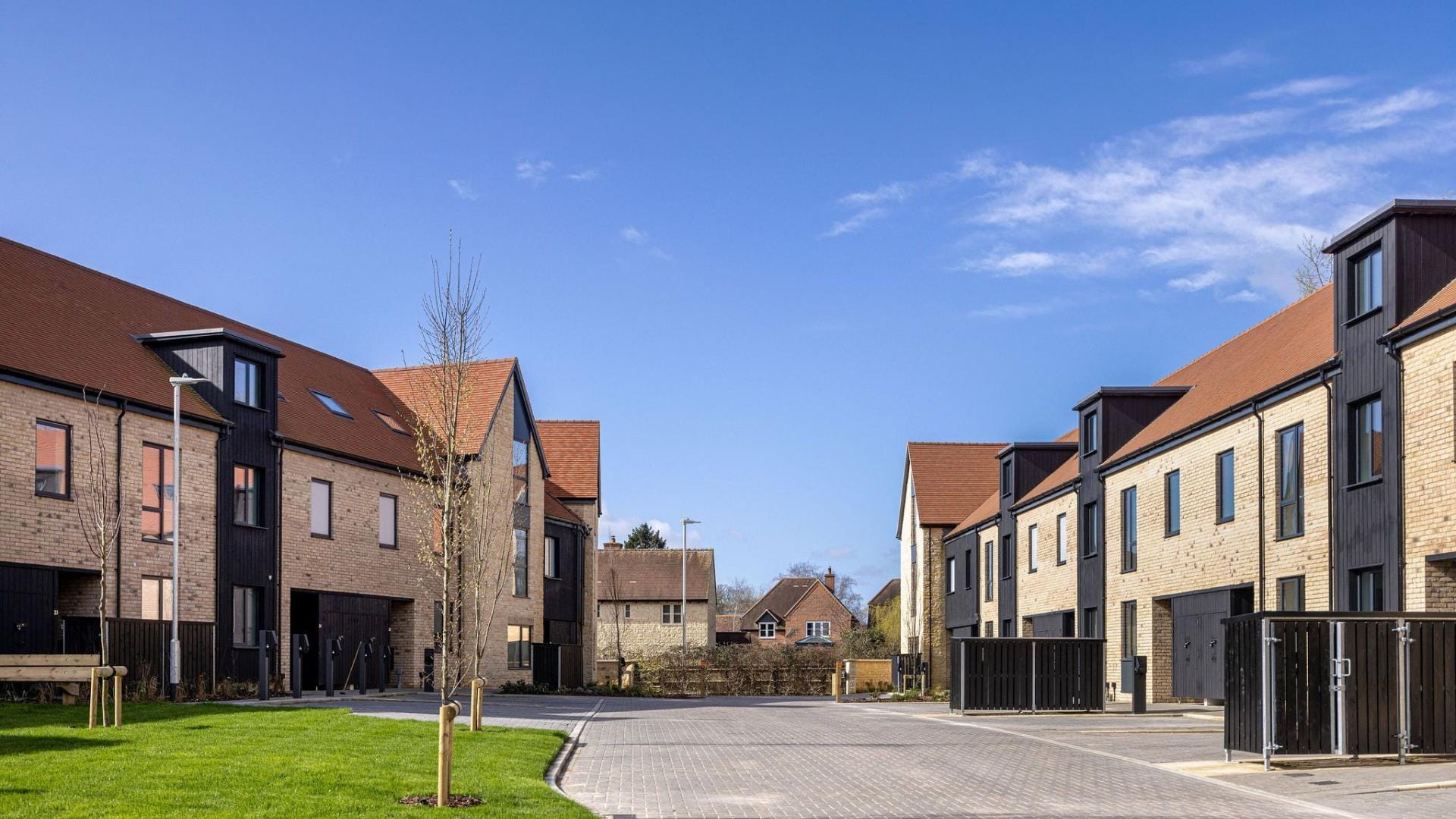
- Fishers Vale: This Old Marston development provides 40 social rent and shared-ownership homes built to a sustainable and all-electric design.
- New Gatehouse and Quad Side Entrance, St Edward’s School: This brick and timber chapel-esque structure provides a secure and fully accessible entry to St Edward's School in North Oxford.
- The Spencer Building, Corpus Christi College: The College's first major building project in over three centuries is a new home for the library and archives, providing state of the art and fully accessible collections access, built to Passivhaus standards.
Adaptive reuse
Celebrating buildings which have changed purpose, or otherwise been altered, sympathetically to their historic origins.
- Frewin Hall: Arguably the oldest continually inhabited building in England, Brasenose College refitted the Norman undercroft with heat pumps, insulation, and an MVHR system to reduce energy demands by up to 80%.
- MCR Mitchell Building Lift, University College: A new, external lift at Univ has made a key graduate common area fully accessible for the first time.
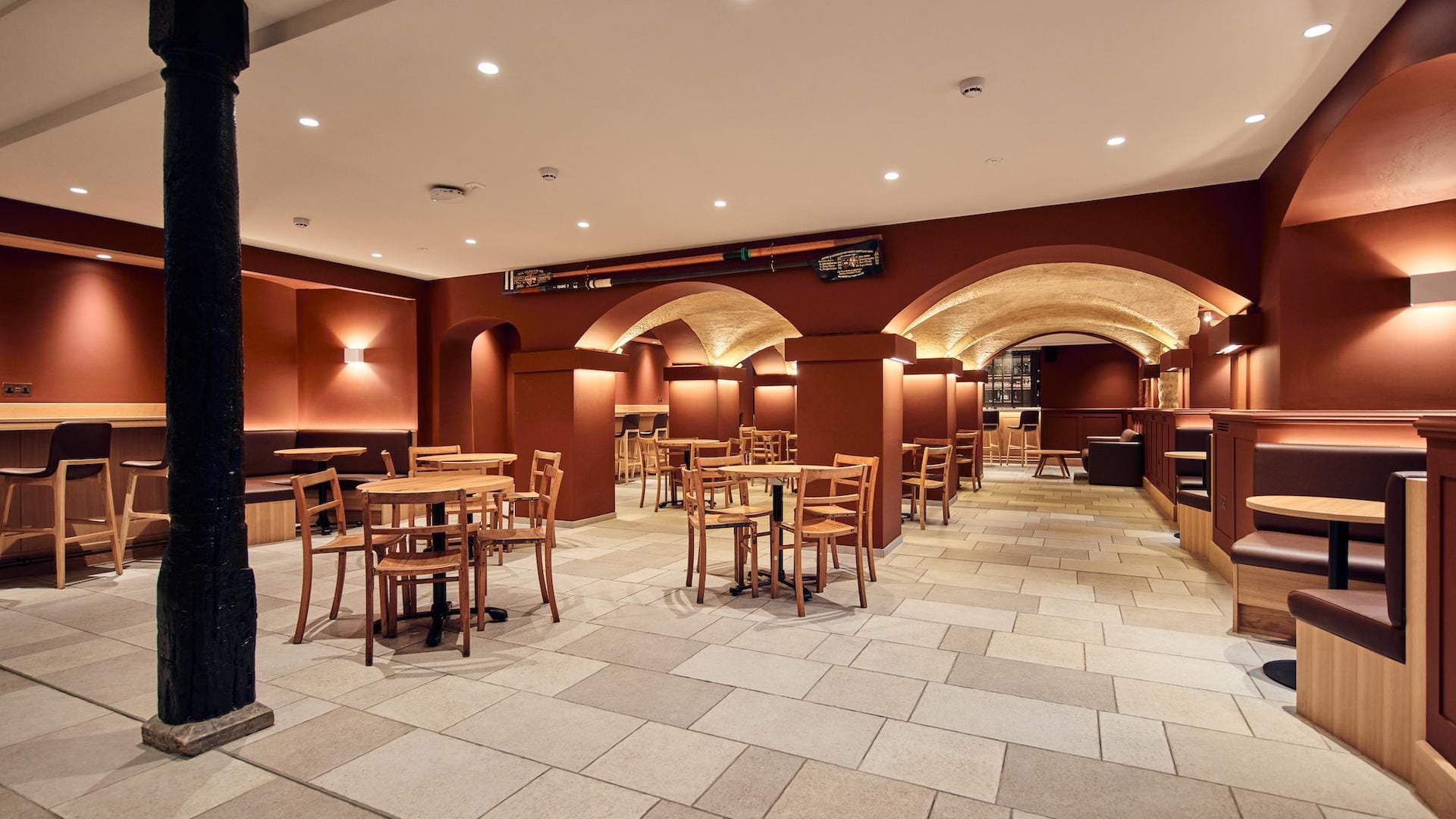
- Oriel College East Range: Oriel's Hall, kitchens, and college bar have been updated with heat pumps and several lifts, among other measures, to improve climate sustainability and make the whole range easily accessible.
- 1-10 Bevington Road, St Anne’s College: St Anne's refurbished ten Victorian houses to increase student accommodation on the site by over 10%, while improving sustainability and accessibility.
- St Margaret’s Redevelopment: The sole non-collegiate entry, St Margaret's Church in North Oxford has a new accessible entry, new and accessible toilets, and many other improvements, including a modern and sustainable heating system.
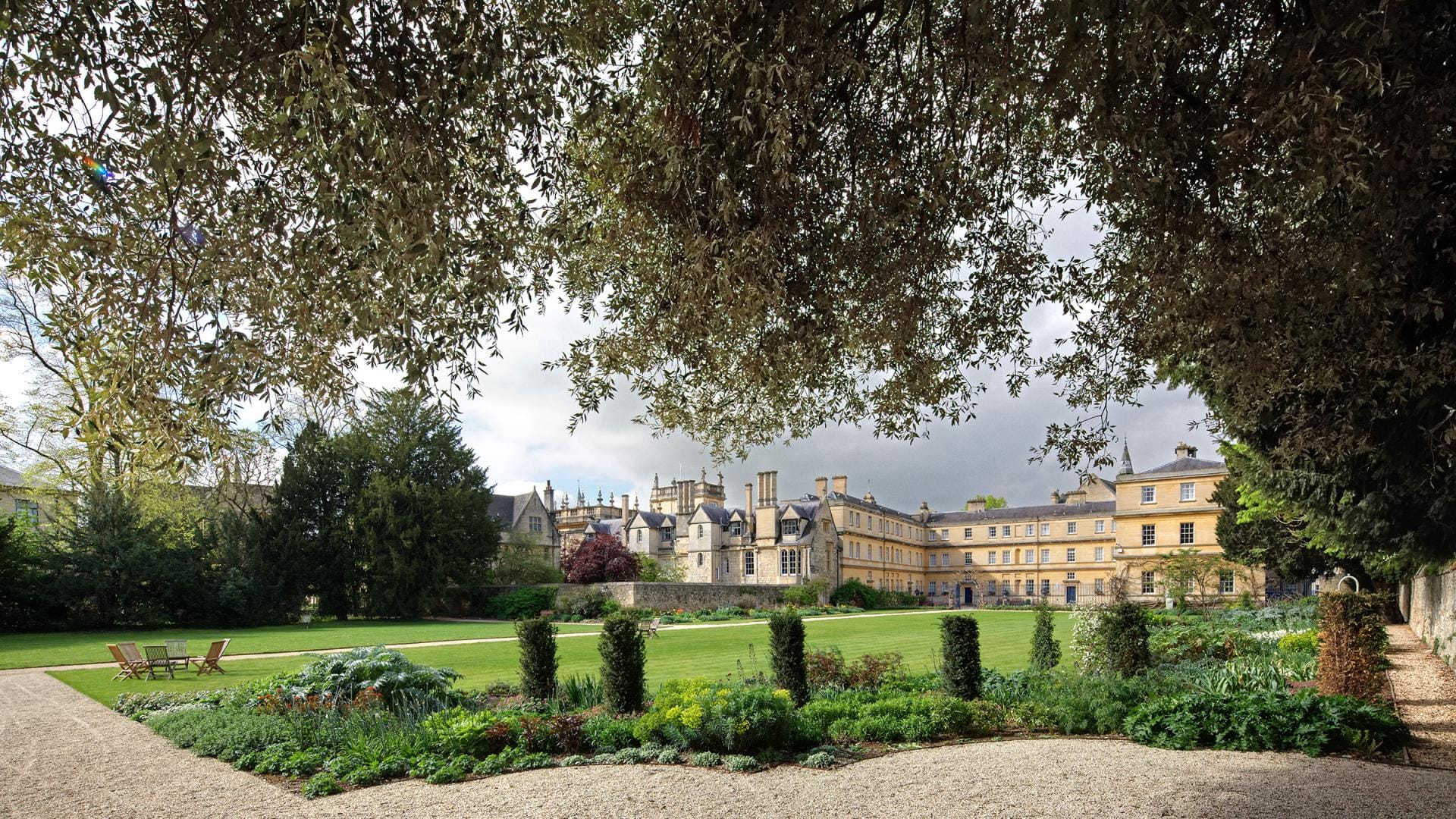
- Trinity College Jackson Building Decarbonisation and Border Project: A new, deep bore ground source heat pump is the highlight of this sustainability project, along with fabric upgrades which will reduce the carbon footprint of the college by 12%.
Public realm
Oxford is more than its universities, and this award celebrates projects that specifically aim to benefit the people who live in, work in, and visit the city.
- New Benches for Oxford: Following a bequest from member Keith Holly, Oxford Pedestrians Association identified locations for 13 new benches across the city, each bearing a plaque with a relevant quotation.
- Modern Art Oxford Refurbishment: Following a £2m project, MAO has opened newly redesigned galleries, a new cafe and shop, and an event studio: all fully accessible.
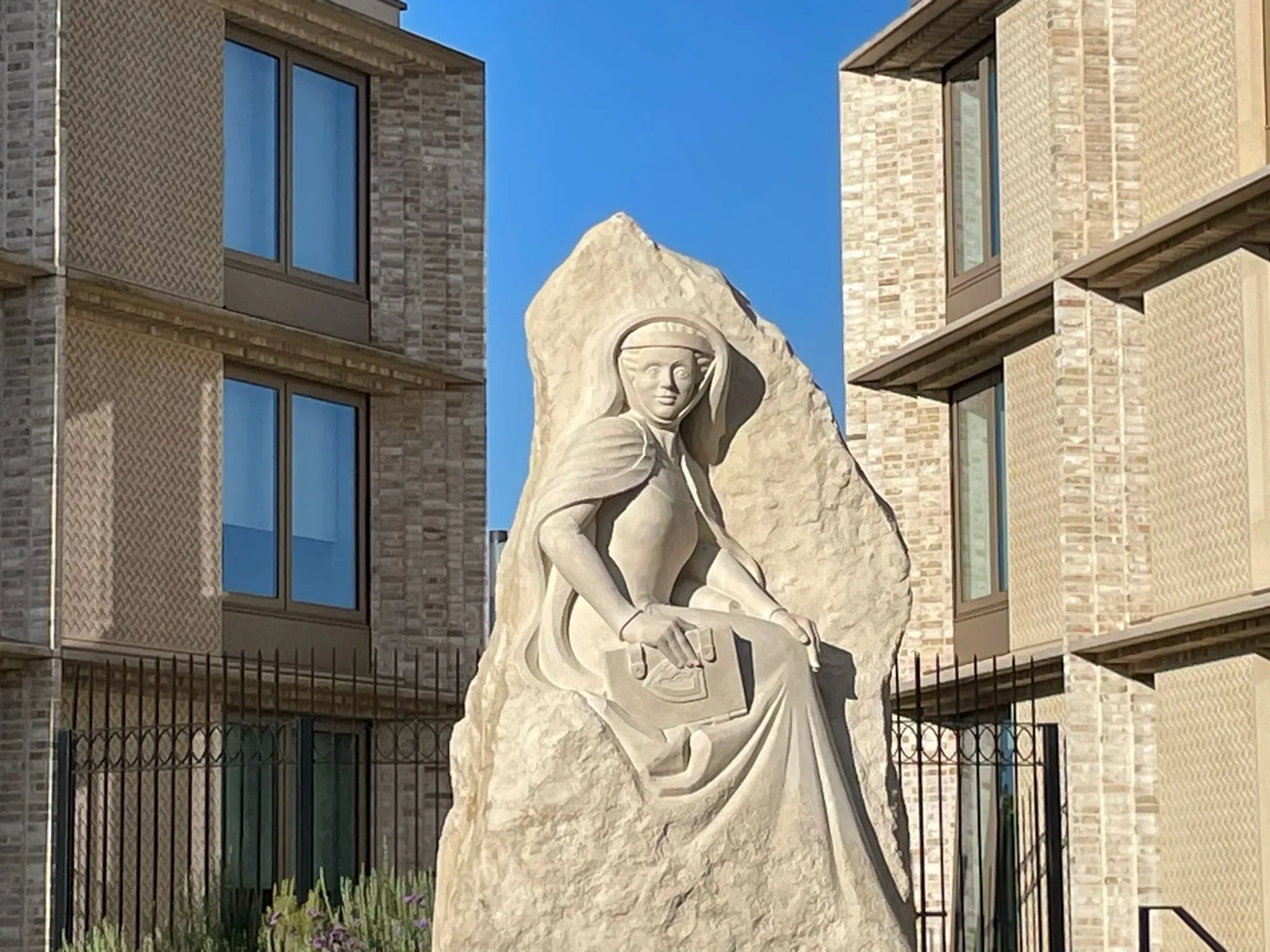
- Statue of Dervorguilla of Galloway: Oxford's influential women are sadly underrepresented in the city's public art, and this sculpture takes a small step towards fixing that, with the recognition of the woman who did all the actual work of setting up Balliol College.
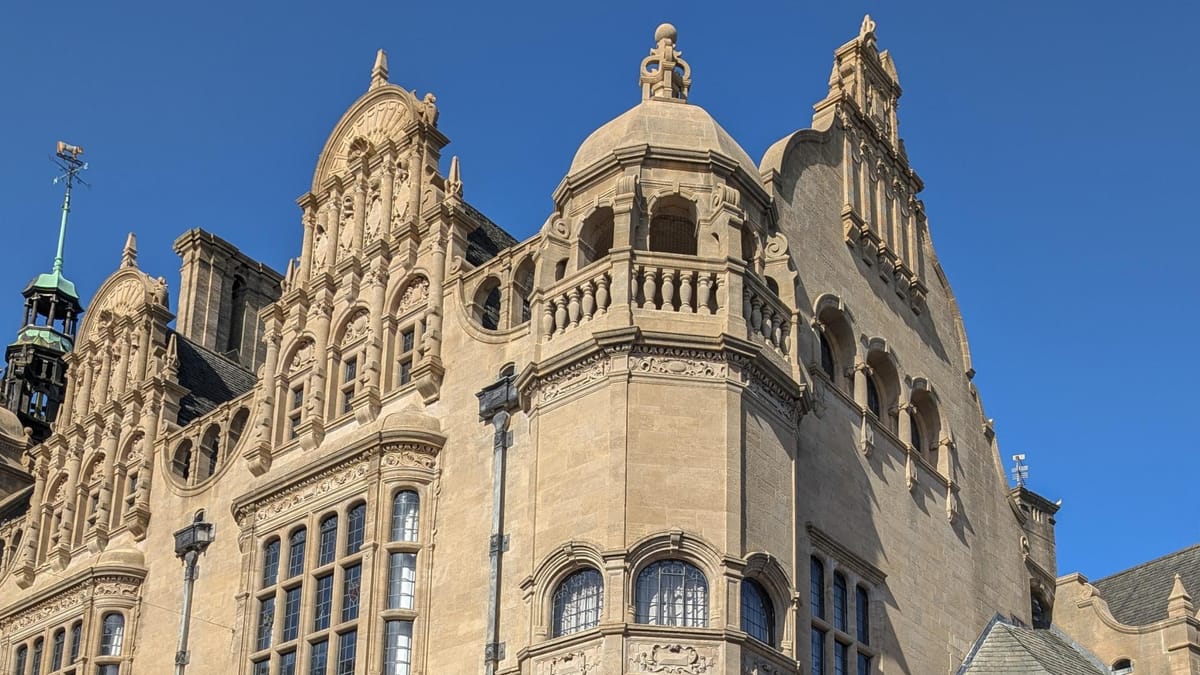
- Stone cleaning and repairs of the Oxford Town Hall Elevations: The 1897 Town Hall, the third such building on the site, has been carefully restored, improving its appearance and more importantly, its safety as a public site.
- Trinity College, A Door for the Stuart Gates: Next to the iconic blue gates on Parks Road, site of many a tourist photo, the college has installed an intentionally rusted cast-iron door designed by sculptor Antony Gormley and inscribed with verses by poet laureate Simon Armitage.
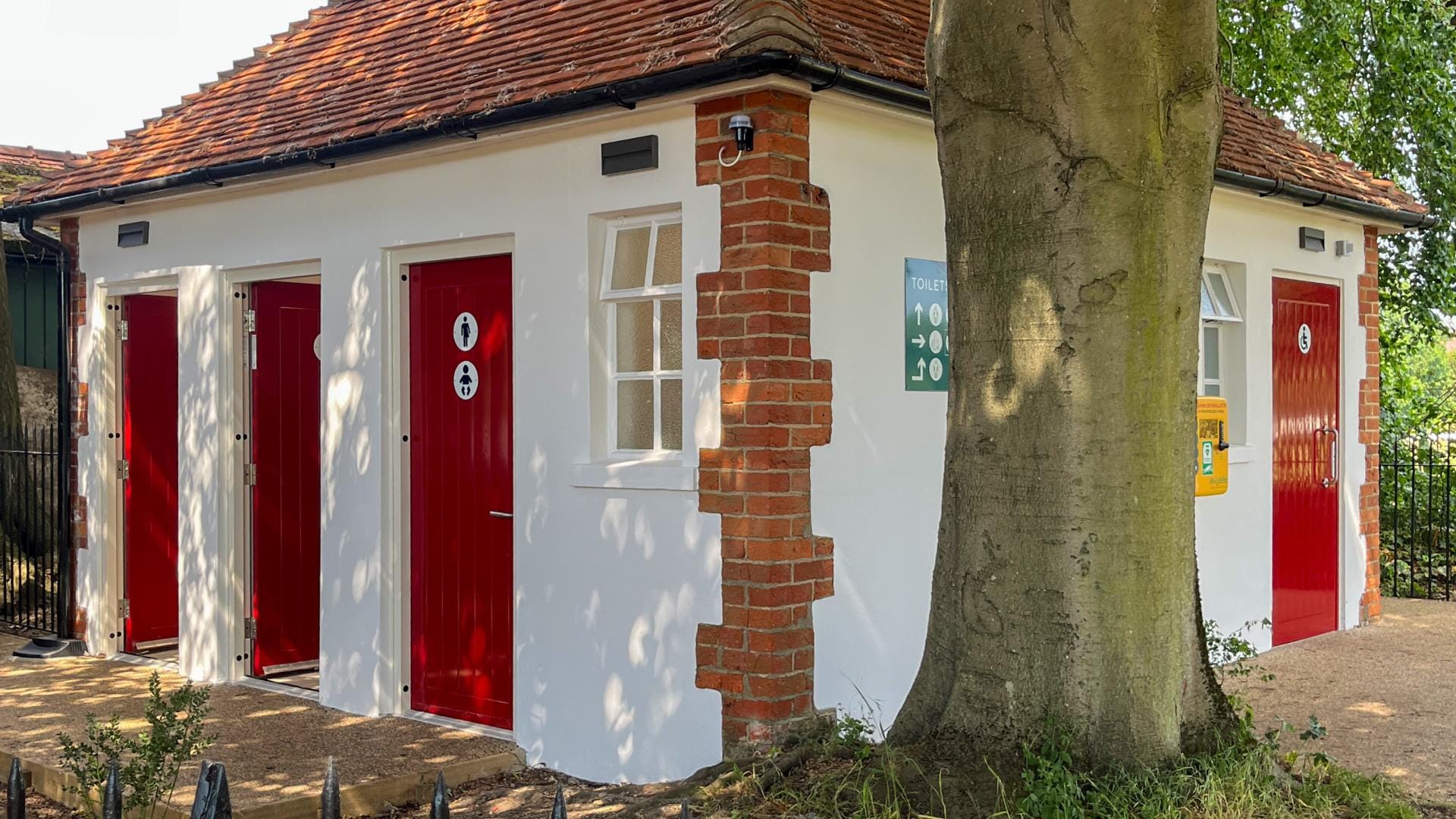
- University Parks Toilet Refurbishment: And of course, the Clarion's favourite: a toilet refurbishment. The World War II era toilets have been modernised and now include dedicated gender neutral, baby change, and accessible units, alongside men's and women's sections.
Green spaces
Not all heritage is built heritage: these projects celebrate Oxford's natural history and character.
- Natural Landscape History Walks Project: A new series of signage, billed as ‘designing for public engagement’, directs visitors to the University Parks along several of its famous routes, including directions to amenities and information about the history and usage of the area.
- Early Years Nature Garden, St Francis School: A new garden replaces an astroturf outdoor space at this primary school on Horspath Road, allowing young students to learn about growing fruit and veg and interacting with the natural world.
- Grassland Enhancement and Living Libraries: Oxford Urban Wildlife Group have undertaken a project at Boundary Brook Nature Reserve to create 'living libraries' – garden beds that act as narrative mosaics.

- Oxford North Green Spaces: Oxford North has created a fully new 4 acre parkland site, including play space, paths, sculptures and eco drainage, along with a wooded area (which does not yet look as impressive as the artist's rendering, but these things take time).
Community impact
Finally, this category recognises projects which aim to serve their local community directly.
- Courtside at Bury Knowle: A new community cafe at Bury Knowle makes the park that much more accessible and usable.
- Donnington Community Food Garden: Donnington Townsend Square now has several raised beds with herbs and vegetables, grown and maintained by members of the community, for communal use – along with additional seating and a picnic bench.
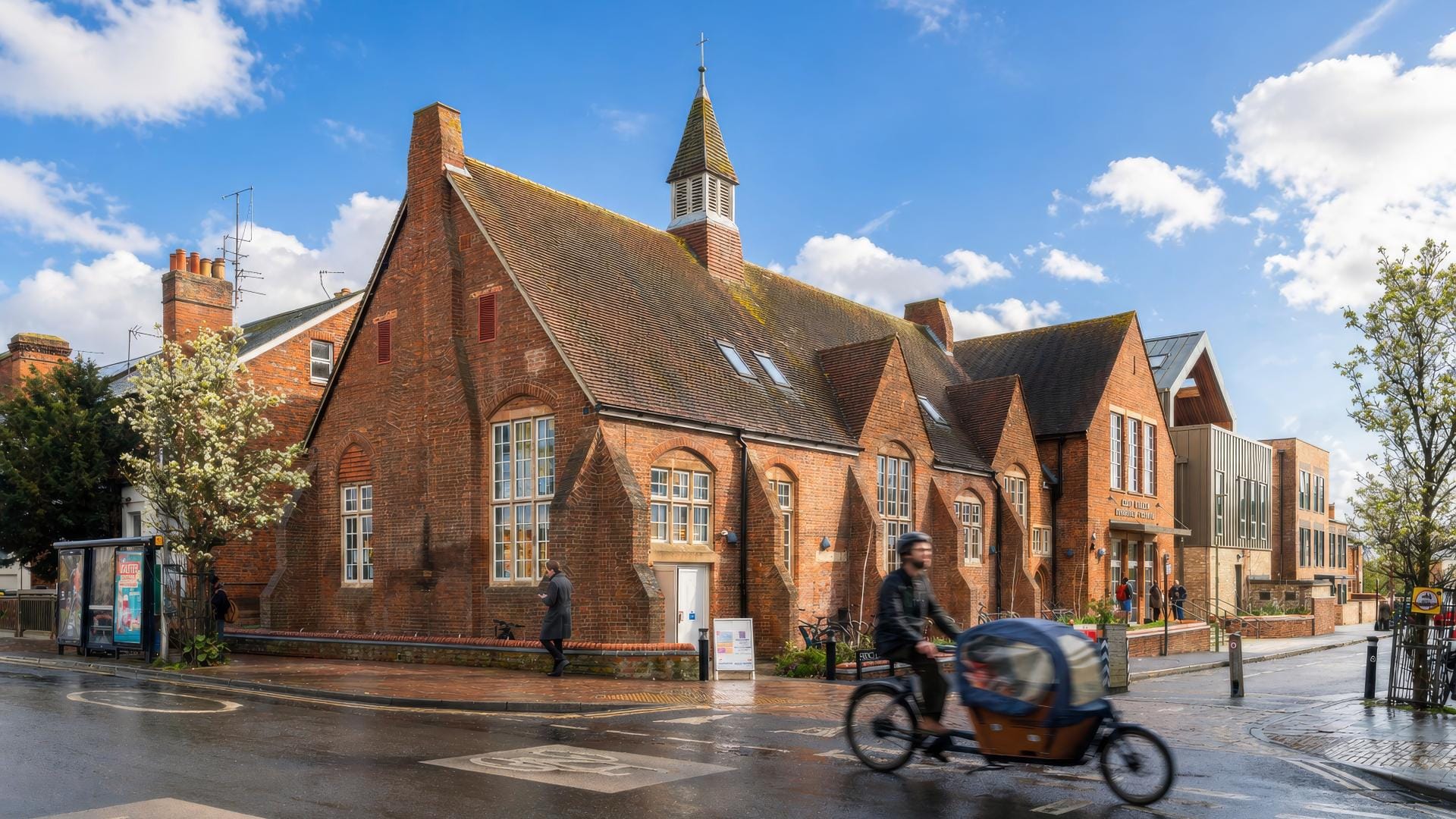
- East Oxford Community Centre: A nearly £6m renovation, including a new three storey extension, brings the EOCC into a sustainable and accessible modern world, complete with solar panels and heat pumps.
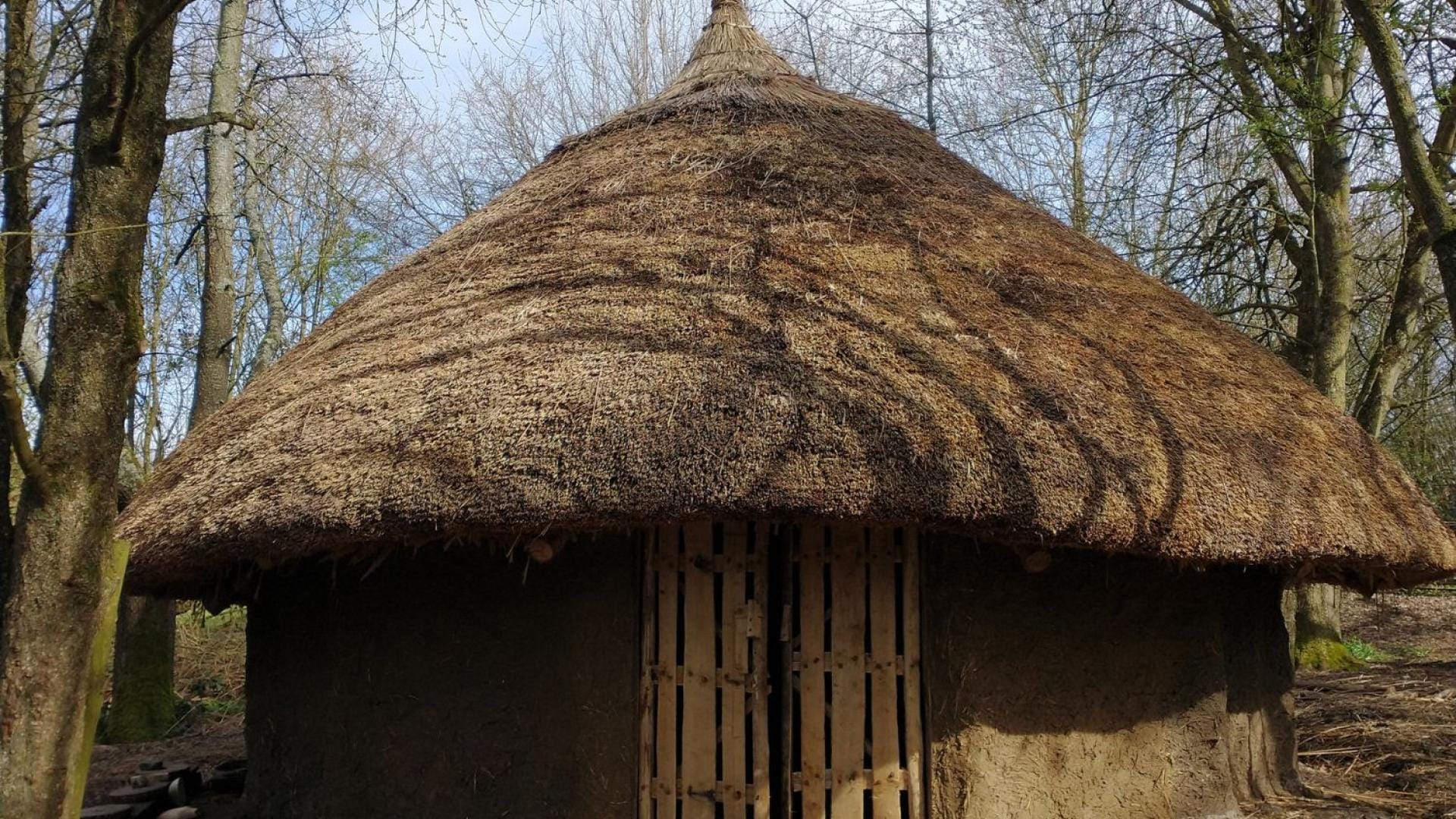
- The Hill End Roundhouse: A new round house at Hill End, an educational and conference site in Farmoor. It's a teaching space for outdoor education created sustainably using local materials and topped with recycled reed donated by a local thatcher.
- Schwarzman Centre for the Humanities, University of Oxford: Although the Schwarzman opened over a year ago, this spring saw the advent of its public culture programme, using the 500 seat concert hall, dance, and theatre studios for the promotion of the arts.
The Award Ceremony will be held in November, and we look forward to updating you all on the worthy winners.
About the author
Madeline Odent is an architectural historian with a specific interest in listed buildings and built heritage conservation management. An Oriel and Magdalen alum, her other work for the Clarion includes a round-up of Oxford Open Doors, meeting the King at Oriel, a history of Oriel College and the sadly disproved hope that we had found St Frideswide's Priory.